

Diagnostics
UNICEF supplies diagnostic tests that enable the early detection and accurate diagnosis of diseases and health threats to children, families and communities.

Since 2008, UNICEF has been working to enhance access to diagnostics in low-resource contexts by leading the procurement and delivery of safe, effective and quality-assured diagnostic tests for diseases that pose significant threats to children’s health.
Diagnostic testing services are an integral part of healthcare systems. Testing is crucial in the diagnosis of diseases and health conditions of individuals, which enables timely and appropriate treatment. Diagnostics are also used for disease surveillance, detecting potential outbreaks, which guides responses to control and prevent further spread.
Testing services, however, remain an under-invested area in low- and lower-middle-income countries, where 81 per cent of people lack adequate access to testing for most diseases and health threats. To address this gap, UNICEF prioritizes the supply of diagnostic tests that are easy to operate and quick to produce test results, and that can be used at the point of care, such as rapid diagnostic tests and point-of-care molecular tests. These diagnostics are optimal for remote and low-resource settings, where access to health services is limited, minimizing the need for children and their families to travel long distances for diagnosis.
Clinical diagnosis, screening and monitoring
Rapid diagnostic tests are most suitable for primary healthcare settings to diagnose, screen and monitor the health of individual patients. UNICEF delivers rapid diagnostic tests for a diverse range of diseases, including malaria, HIV/AIDS, syphilis, hepatitis, cholera, dengue, Ebola and yellow fever.
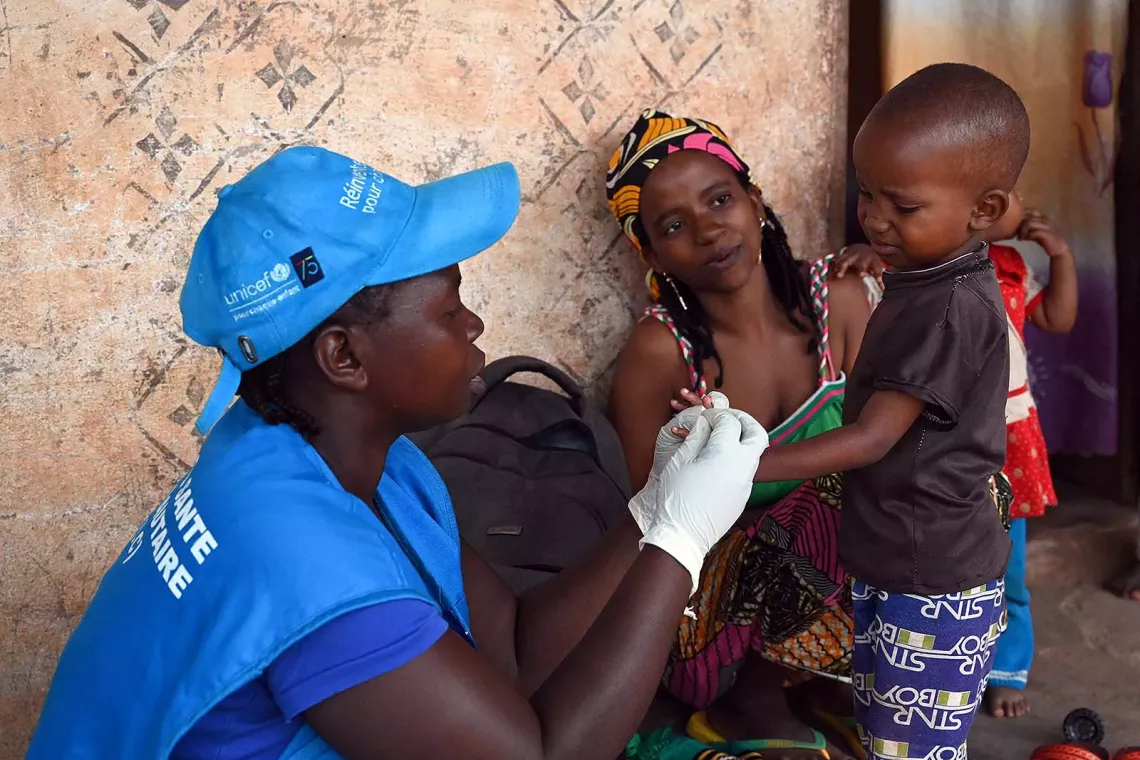
Malaria is among the leading causes of child deaths globally. Rapid diagnostic tests for malaria make up the largest share of UNICEF’s diagnostics procurement. Since 2008, UNICEF has continuously delivered rapid malaria diagnostic tests to high-risk hard-to-reach communities. Early diagnosis of malaria through testing is crucial for a child’s survival, as it is the first step towards appropriate and timely treatment.
In addition to rapid diagnostic tests, UNICEF supplies point-of-care and laboratory-based molecular tests for a diverse range of health threats. Cervical cancer, for instance, is a silent killer that accounts for one in four cancer case among women. The primary cause of cervical cancer is the human papilloma virus (HPV). To ensure early detection, since 2020 UNICEF procures and delivers DNA-based HPV tests as the preferred screening method for cervical cancer, making these tests affordable and accessible in low- and lower-middle-income countries. The tests support routine cervical cancer screening, towards the goal to eliminate cervical cancer by 2030.
Disease surveillance
Diagnostics also play a vital role in disease surveillance. These tests are used to collect data to geographically pinpoint emerging outbreaks, enabling informed and targeted distribution of vaccines, especially when the vaccines are in short supply. Surveillance also allows countries to monitor trends and build an evidence base to guide preventive initiatives and disease elimination.
UNICEF, along with WHO and Gavi, the Vaccine Alliance, has launched the global initiative for strengthening surveillance in six disease areas: cholera, measles, meningitis, rubella, typhoid and yellow fever. Within the initiative, UNICEF leads the procurement and delivery of diagnostic tools, reaching a growing number of countries in need.
For example, in yellow-fever endemic countries, the enzyme-linked immunosorbent assay and polymerase chain reaction tests for yellow fever have helped reduce the time required to detect, confirm and respond to outbreaks by 70 per cent. And in 2024 and early 2025, over 1 million rapid diagnostic tests for cholera were delivered to high-risk countries to help detect and monitor outbreaks.
“Surveillance diagnostics help pinpoint hotspots with great precision. This allows partners to target cholera vaccines to exactly the time and place where the limited supply will save the most lives.”
Climate change and diagnostics
Climate change disproportionately affects children making diagnostics crucial in combating climate-induced diseases. However, climate hazards also pose significant challenges to diagnostic tools currently available. For instance, while some of the test kits can only maintain accuracy at lower temperatures, many communities in need of these diagnostics are already experiencing extreme heat. UNICEF and partners are working to adapt and optimize existing diagnostics to higher temperatures.
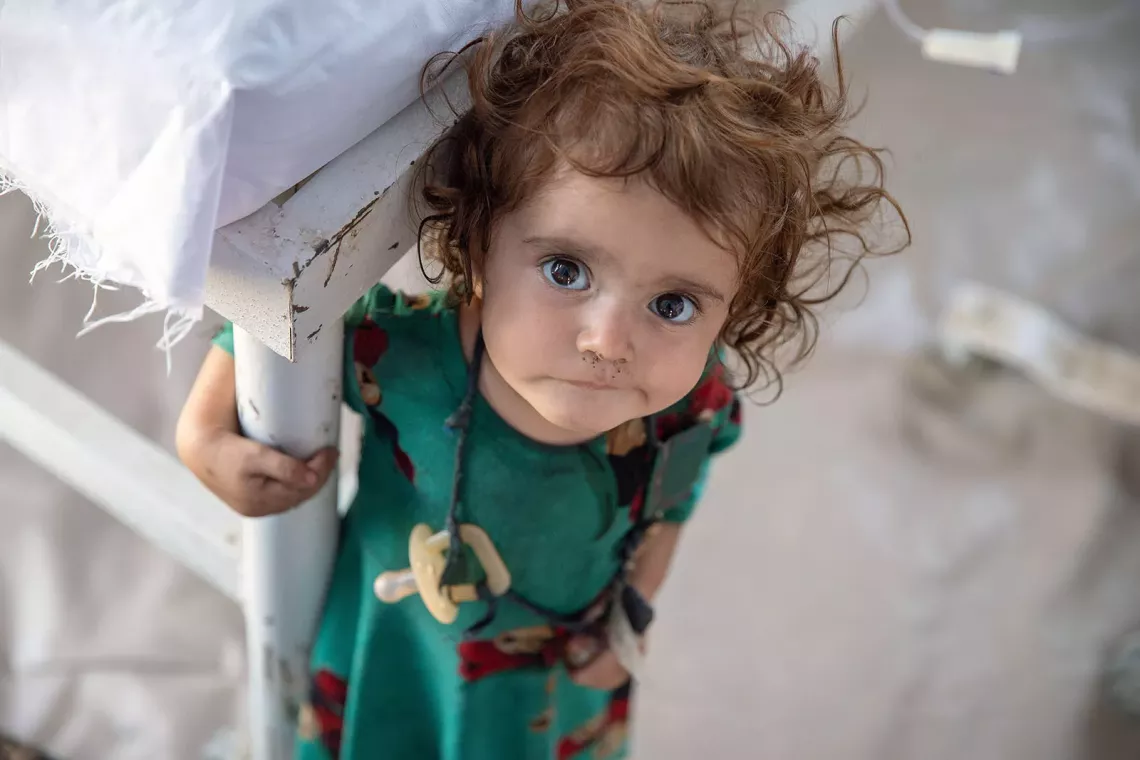
In addition, climate change is expected to significantly increase the demand for diagnostic tools as climate hazards and extreme weather events exacerbate the spread of infectious threats. For instance:
- Rising temperatures accelerate the spread of malaria, dengue, yellow fever and other deadly mosquito-borne diseases. As temperatures increase in many parts of the world, mosquitoes breed more rapidly and expand into new regions, increasing disease transmission rates and putting new communities at risk.
- Droughts and water scarcity intensify outbreaks of cholera and other water-borne diseases that can cause severe diarrhoea incidence among children. As climate change accelerates water shortages, children and communities struggle to access safe, clean water sources for drinking and hygiene. Drought-induced acute malnutrition, compounded by worsening disease outbreaks, pose significant threats to children’s health.
- Intensifying floods and storms also lead to an upsurge of water-borne infectious diseases such as cholera and diarrhoea, following the disruption of water, sanitation and hygiene facilities and supplies. This forces communities to rely on contaminated water sources, particularly in displaced areas with poor living conditions. Stagnant water from these extreme weather events also breeds mosquitoes, accelerating transmission of mosquito-borne diseases and contributing to many other long-term health risks, particularly for children.
In collaboration with partners, UNICEF is working to strengthen diagnostics capacity to meet the growing health needs of children and communities most affected by climate change.