Emergencies
Rapid deployment of life-saving supplies for children in humanitarian crises and beyond.
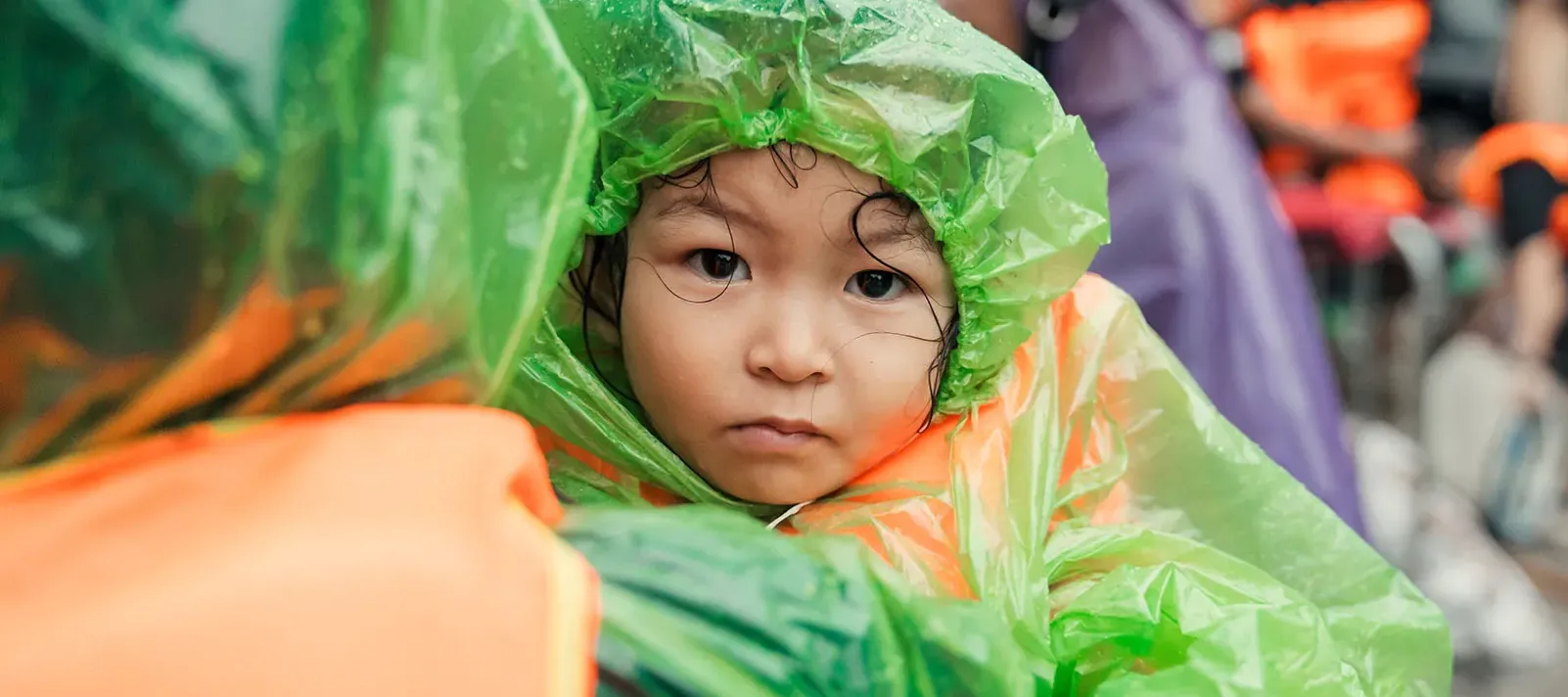
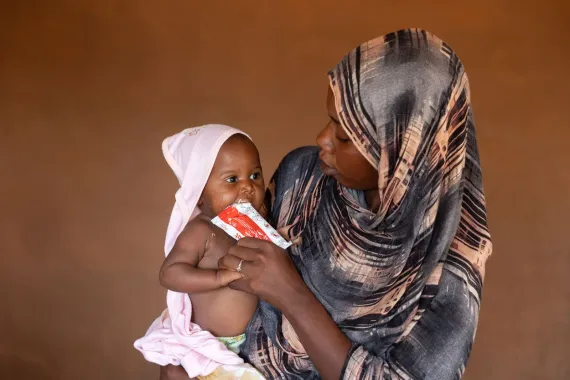
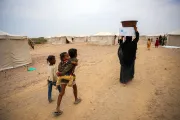
In humanitarian crises, children are especially vulnerable to disease, injury, and malnutrition as they are cut off from safe drinking water, food, shelter, first aid and basic healthcare. At these critical times, rapid humanitarian assistance is key to children’s survival.
At the onset of an emergency – whether conflict or natural disaster – UNICEF aims to have life-saving supplies for children anywhere in the world available within hours. This is possible thanks to prepositioned supplies and contingency stock in over 250 UNICEF warehouses across more than 70 countries.
International response
At the same time as the first wave of local supplies is deployed, UNICEF mobilizes the international response from strategically located supply hubs around the world. Central to this effort is UNICEF’s global supply and logistics hub – headquartered in Copenhagen, Denmark – where supplies can be packed and dispatched to be on route to disaster-stricken zones within 72 hours of the onset of an emergency.
These supplies are critical to meet the immediate needs of children and families. They include medicines, first‑aid essentials, equipment for safe birth and newborn care; safe drinking‑water supplies such as jerry cans and purification tablets; and sanitation and hygiene products.
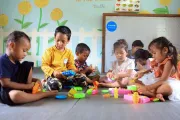
Beyond the acute phase of an emergency, UNICEF’s supplies support children to regain a sense of normalcy and help them on the road to recovery. Large tents, toys, recreational equipment and learning materials, for instance, are deployed to establish child-friendly spaces and temporary classrooms, where children suffering from trauma can play, continue learning and heal during protracted crises.
Photos of the month