Procurement services home
Pooling procurement and giving partners access to the best possible prices for quality supplies and services for children.
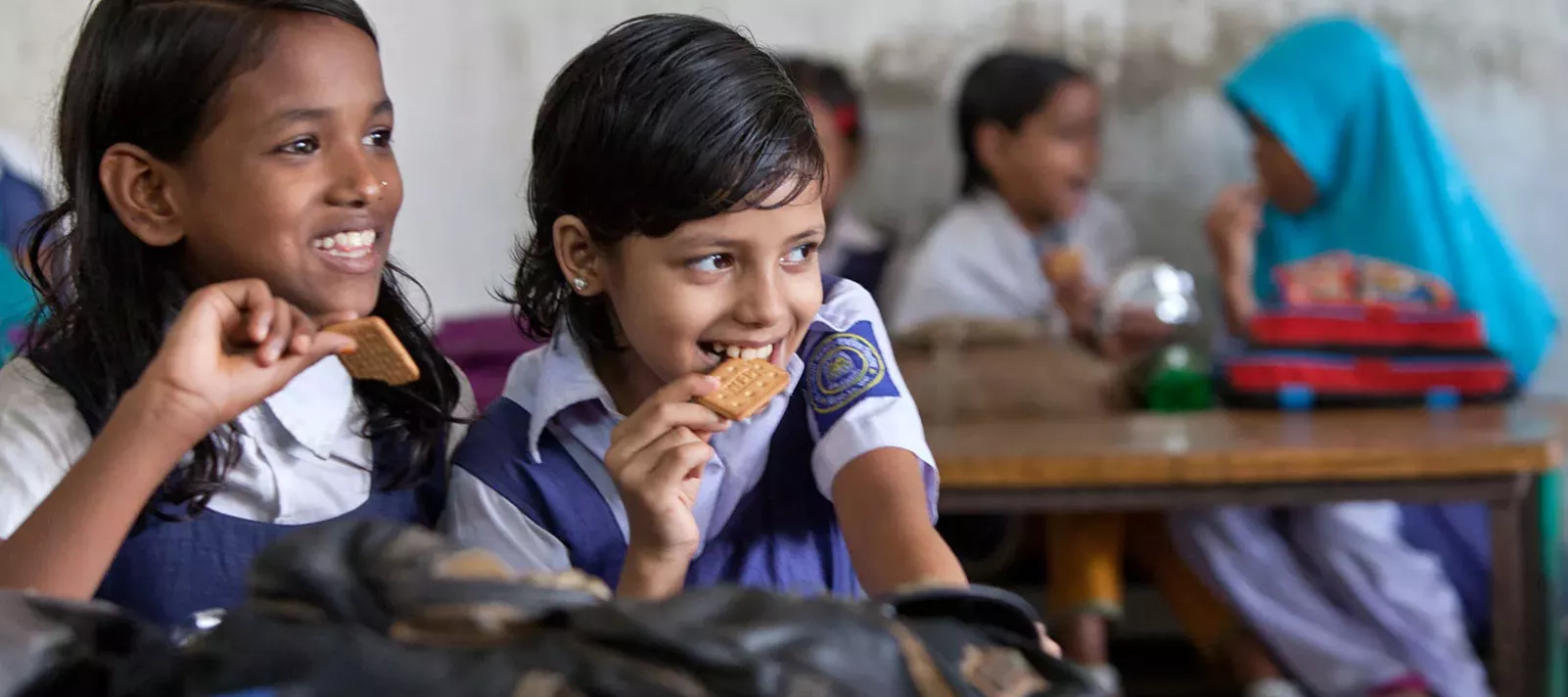
Delivering affordable health, nutrition, education, and hygiene and sanitation supplies is central to UNICEF’s work to protect and promote the rights of every child. To advance its vision where all children have sustainable access to the supplies and services that help them survive and thrive, UNICEF also makes these products and supporting services available to its partners through a public good mechanism called “procurement services”.
UNICEF’s portfolio of thousands of products and services is available in the UNICEF Supply and Service Catalogue.
By pooling procurement both for its own operations and for partners, UNICEF leverages significant purchasing power and economies of scale, and it operates the world’s largest end-to-end humanitarian and development supply chain. This secures a reliable supply of quality products at the best possible prices for UNICEF and its partners. In 2025, UNICEF procured over $5.677 billion worth of supplies and services, accounting for more than 20 per cent of all UN global procurement.
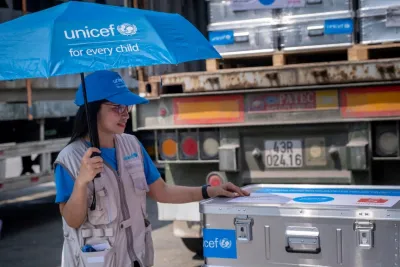
Through the procurement services mechanism, partners gain access to UNICEF’s global network of 12,000 suppliers, to UNICEF’s logistics services, and to UNICEF’s more than 300 warehouses worldwide. At the same time, partners who use the procurement services mechanism benefit from UNICEF’s operational experience and expertise throughout the planning, procurement and shipment stages.
Services offered by UNICEF include international transport, in-country logistics, customs clearance, warehousing, construction, installation, training and technical assistance to build local capacity. In addition, partners can gain access to sustainable financing for essential supplies through UNICEF’s financing mechanisms.
Get started on buying products and services through UNICEF.
Not for profit
As part of the United Nations system, UNICEF operates on a not-for-profit basis, with the sole mission of advancing the rights of children. While UNICEF charges handling fees to cover operational costs, all supplies and services are made available to partners at the same price that UNICEF pays for them.
Public procurement principles and supplier codes of conduct
UNICEF’s procurement is competitive and follows public procurement principles and policies. UNICEF’s suppliers are held to high ethical standards, and are required to operate in accordance with the United Nations Supplier Code of Conduct.
Contact
For procurement services support, contact [email protected]