Global emergency vaccine stockpiles
Availability of doses for outbreak response in global emergency stockpiles of vaccines in limited supply
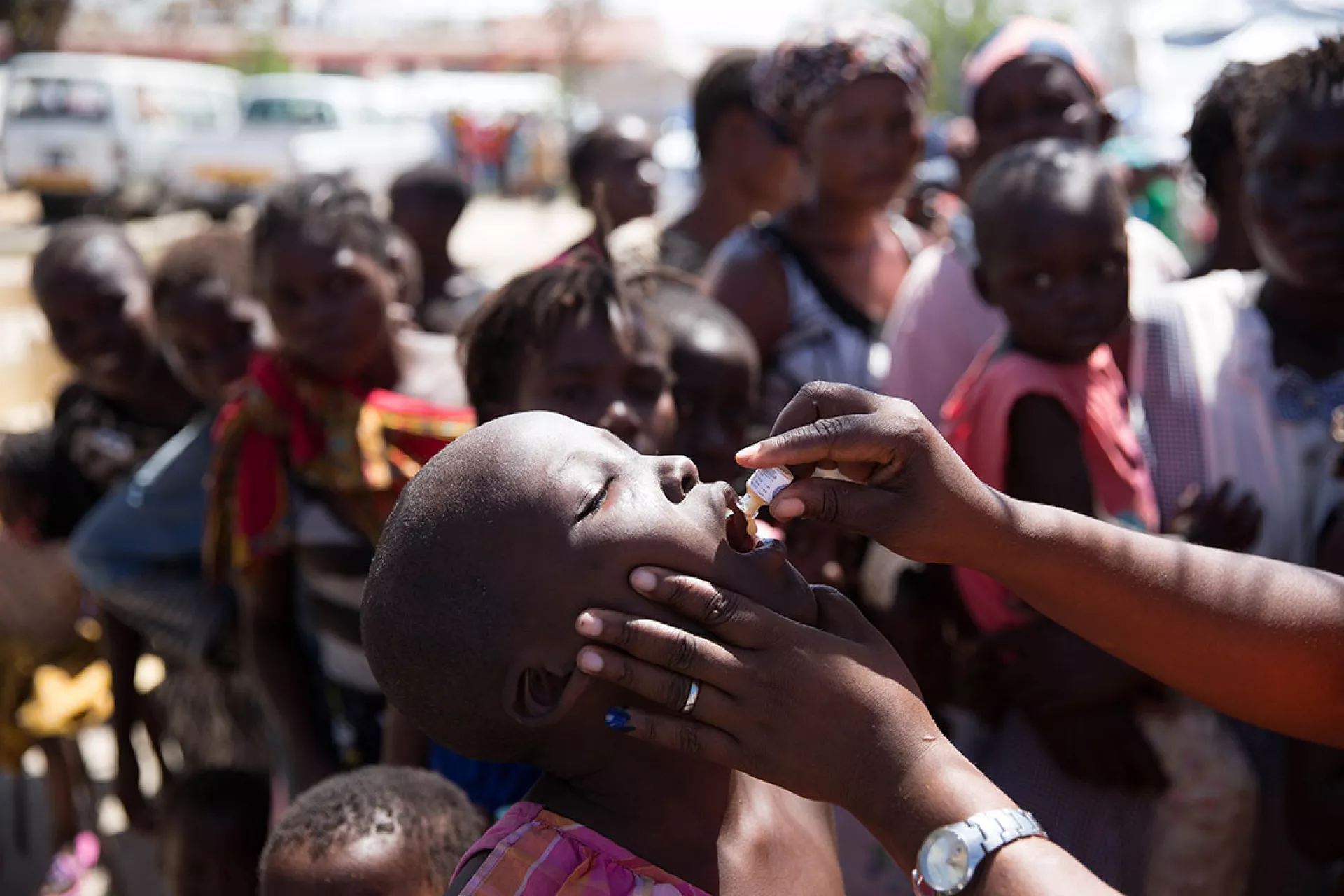
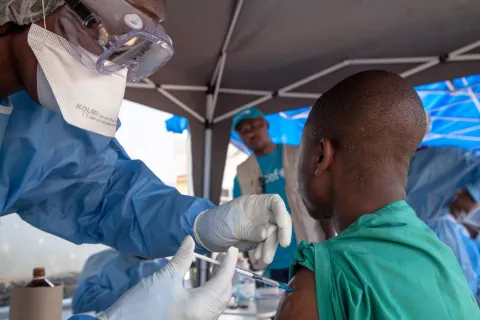
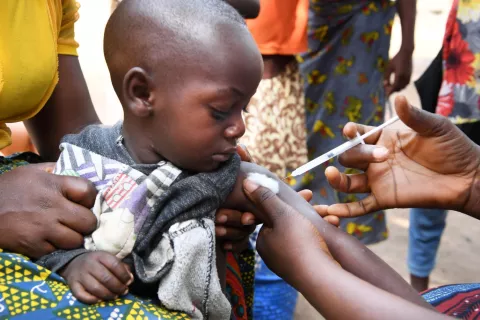
During disease outbreaks, fast and equitable access to vaccines is key to an effective response. When there is limited supply, or when production and delivery lead times are long, a country may not be able to access doses in time to stem an outbreak, and the disease may spread within a country, to neighbouring countries, and beyond.
- A limited supply of doses can be due to several reasons, for example:
- Low or no regular demand and therefor low or no routine production of a vaccine that is primarily needed in sporadic peaks as outbreaks unfolds.
- Low profitability of a vaccine and therefor low incentive for manufacturers to invest in production.
Protracted waves of outbreaks lead to demand outstripping supply, causing a global shortage before production capacity can be increased, which can take years.
This is why global emergency vaccine stockpiles have been established for selected high-risk diseases where vaccines are in limited supply:
For these diseases, the overall coordination of the vaccine stockpiles sits with the International Coordinating Group on Vaccine Provision (ICG). The ICG determines for which diseases vaccines stockpiles will be established, and makes decisions on allocation and release of doses based on country applications. Separately, UNICEF maintains stockpiles of polio and measles vaccines.
In addition to being a member of the ICG, UNICEF’s is responsible for the following aspects of the vaccine stockpiles:
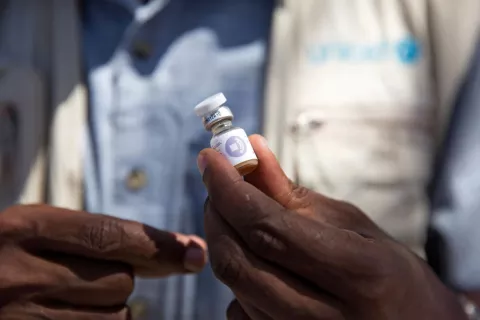
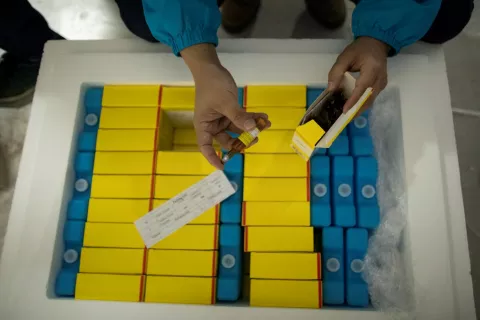
- Physically establish the stockpiles through public tendering, selection and contracting of suppliers of WHO prequalified vaccines and securing their appropriate storage.
- Maintain and manage ICG mandated levels of stock availability on a day-to-day basis, through demand and supply planning with ICG and suppliers.
- Rapidly deploy and deliver vaccine doses and safe injections devises to countries upon direction from the ICG.
Beyond its role in vaccine stockpiles, UNICEF helps countries prevent, prepare for, and respond to public health emergencies by delivering supplies such as diagnostics, medicines, personal protection equipment, and water, sanitation and hygiene products and solutions. Additionally, UNICEF supports governments and local partners to ensure that vaccines and other prevention and response measures reach the children and communities that need them the most.