Assistive technologies
From wheelchairs and hearing aids to eyeglasses, UNICEF-supported assistive devices and inclusive supplies empower children with disabilities to reach their full potential.
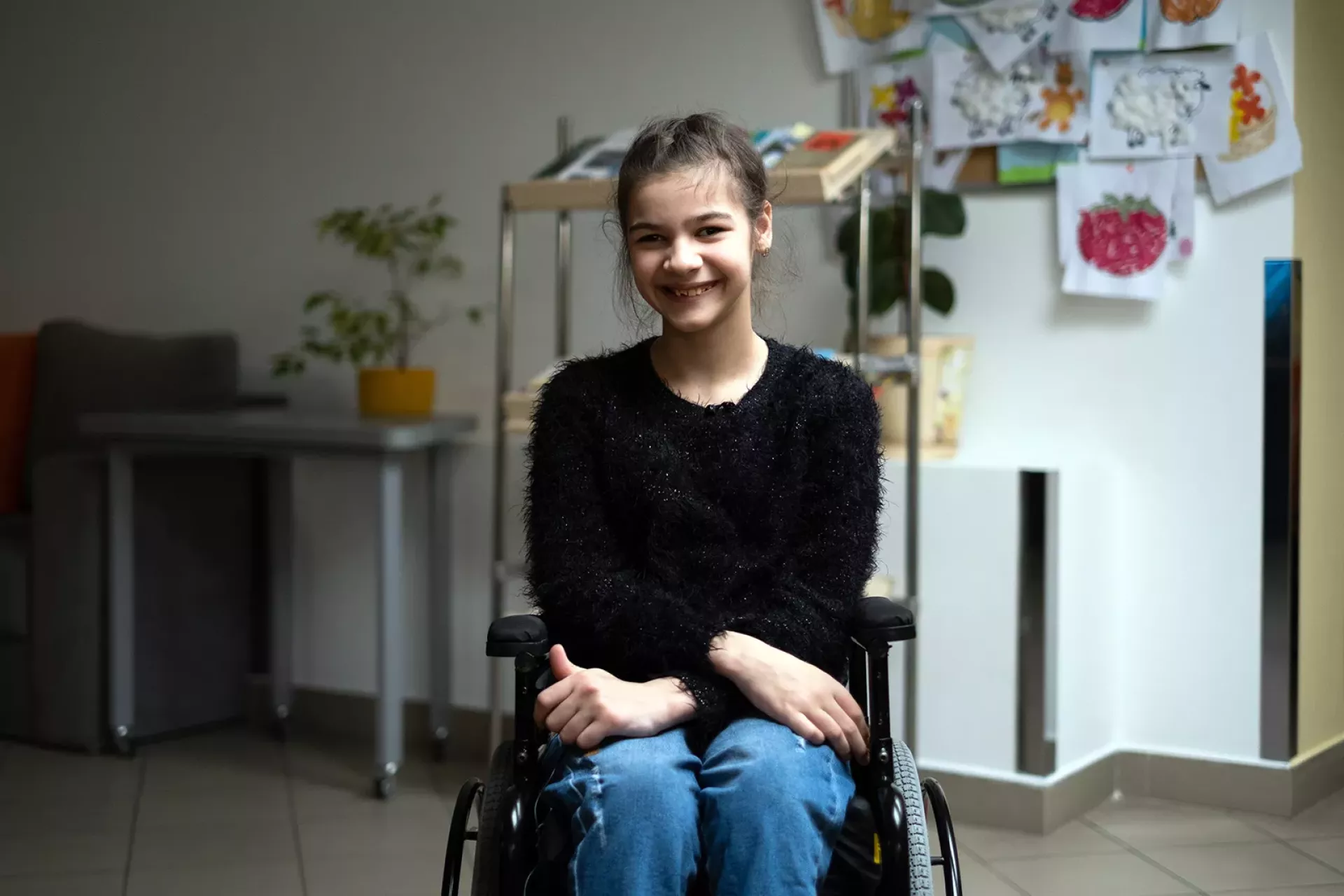
Nearly 240 million children worldwide – one in ten children – live with one or more disabilities, such as mobility impairment, hearing loss, vision challenges or limb loss. These children face barriers that hinder their ability to function in daily life and participate in society like everyone else.
Assistive technologies – such as eyeglasses, wheelchairs, prostheses and hearing aids – are instrumental to helping children see, walk, communicate, care for themselves, make friends and live fulfilling lives. However, in low-resource contexts, remote areas and emergencies, few children have access to these life-changing aids.
Bringing assistive technologies to children worldwide
To address these needs, UNICEF works to ensure that high-quality and affordable assistive technologies are available. These include a full range of vision aids and wheelchairs in child-appropriate sizes as well as hearing aids that are designed to function in dusty, hot and humid environments. UNICEF also partners with the World Health Organization to develop guidance and manuals on selecting, procuring and using quality assistive products, and provides technical support and training to health workers and families to use the products correctly.
From 2022 to 2024, UNICEF provided assistive technologies and disability-inclusive products to nearly 930,000 children with disabilities in over 90 countries.
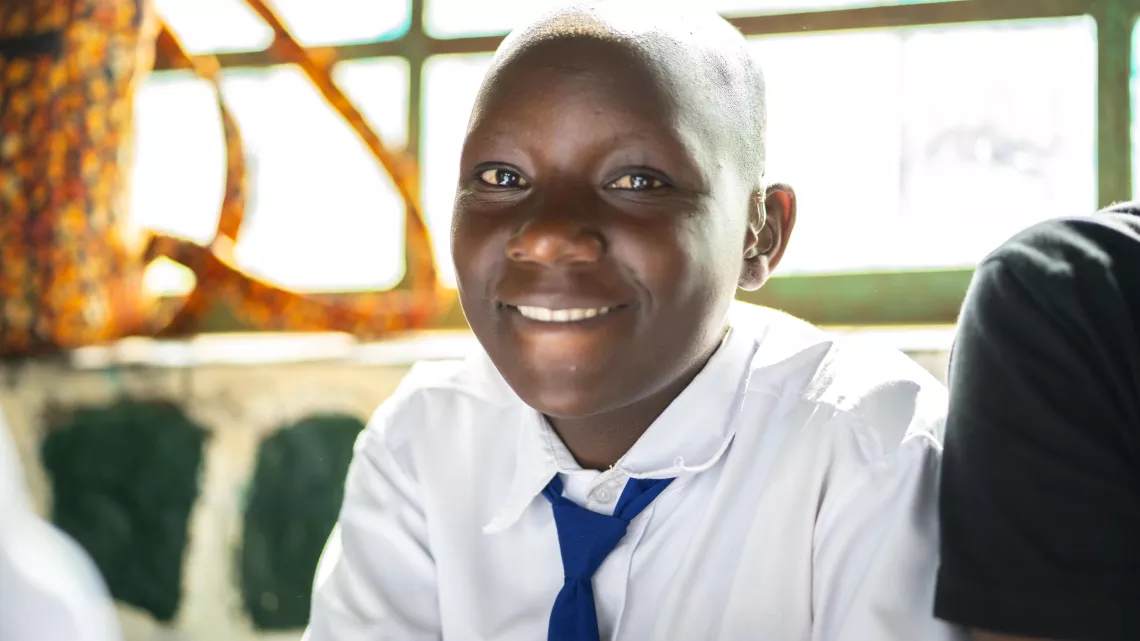
UNICEF also works on the principle that wherever possible, supplies should be inclusive to ensure all children, regardless of their abilities, have the tools and resources they need to develop and thrive. For example, the School-in-a-Box – designed to set up temporary learning spaces in emergencies – has a clock with both braille and ink numbering, enabling all children, including those with visual impairments, to learn to tell time.
Working closely with parents and children in refugee camps and other humanitarian settings, UNICEF develops novel products that make it possible for children with disabilities to attend school or to use the toilet safely and with dignity. For example, a simple supportive frame designed to attach to squatting latrines commonly used in displacement camps, provides extra stability for children who have difficulty squatting and balancing.