

Menstrual hygiene products
Learn about the menstrual hygiene products that UNICEF procures and supplies to help adolescent girls, women, transgender and non-binary individuals to manage their menstruation, even in emergencies.
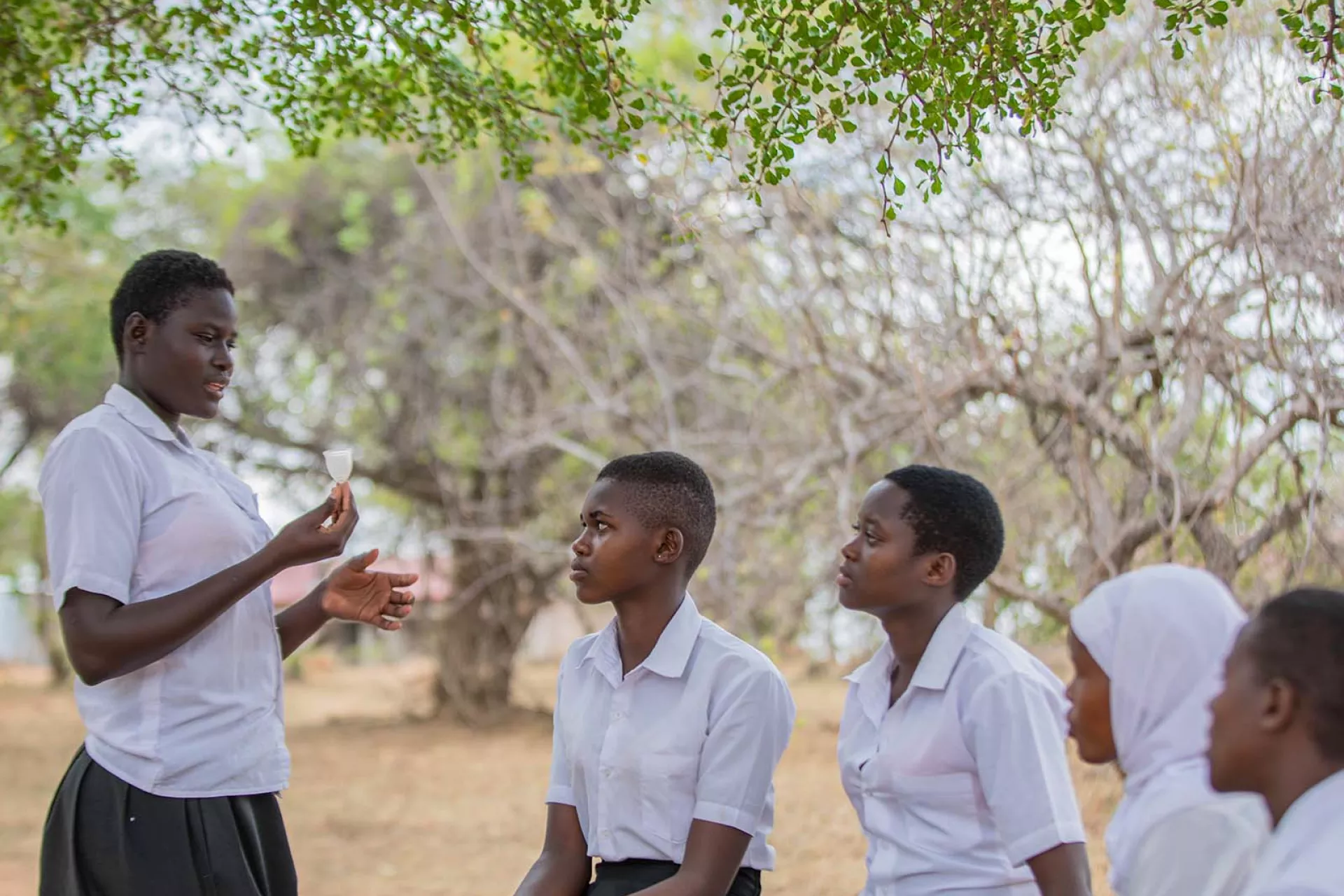
Women and girls need access to quality menstrual hygiene products to manage their menstruation safely, hygienically and with dignity. Lack of access to hygiene products can limit their participation in school, work and social activities.
Menstrual hygiene materials, such as reusable and disposable pads and reusable menstrual cups, are used to catch menstrual fluid. UNICEF offers different kinds of menstrual hygiene products as girls and women have different preferences.
Supporting supplies
As part of an humanitarian response, UNICEF country offices frequently procure menstrual hygiene materials to support women and girls who have lost their possessions or cannot acquire these products. UNICEF works to ensure that girls and women have access to a range of menstrual materials and supporting supplies, like soap, underwear and pain relief that allows them practice good menstrual health and hygiene even during emergencies.
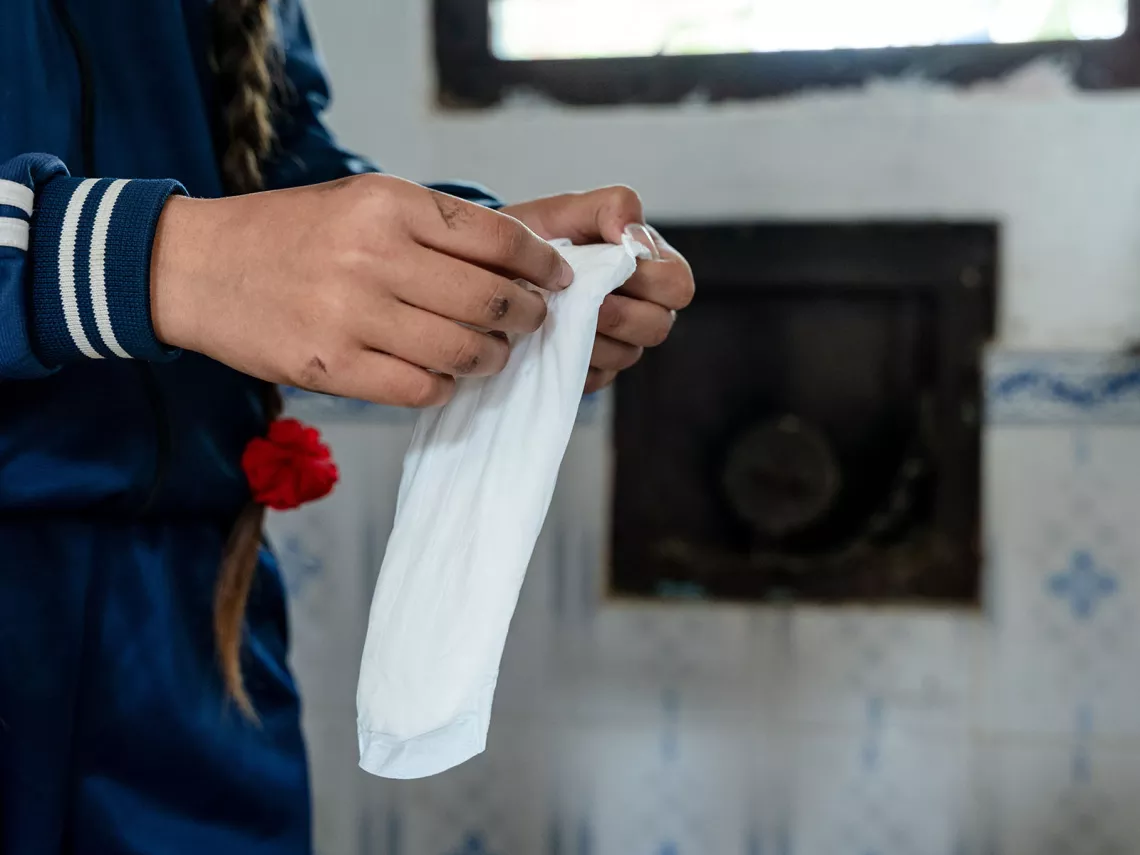
Procuring and delivering menstrual hygiene products and supportive supplies is one of the four ways UNICEF works to improve girls’ and women’s menstrual health and hygiene. UNICEF also provides social support, knowledge and skill-sharing, and helps to improve facilities and services.
Learn about the products UNICEF makes available for procurement through its Supply Catalogue:
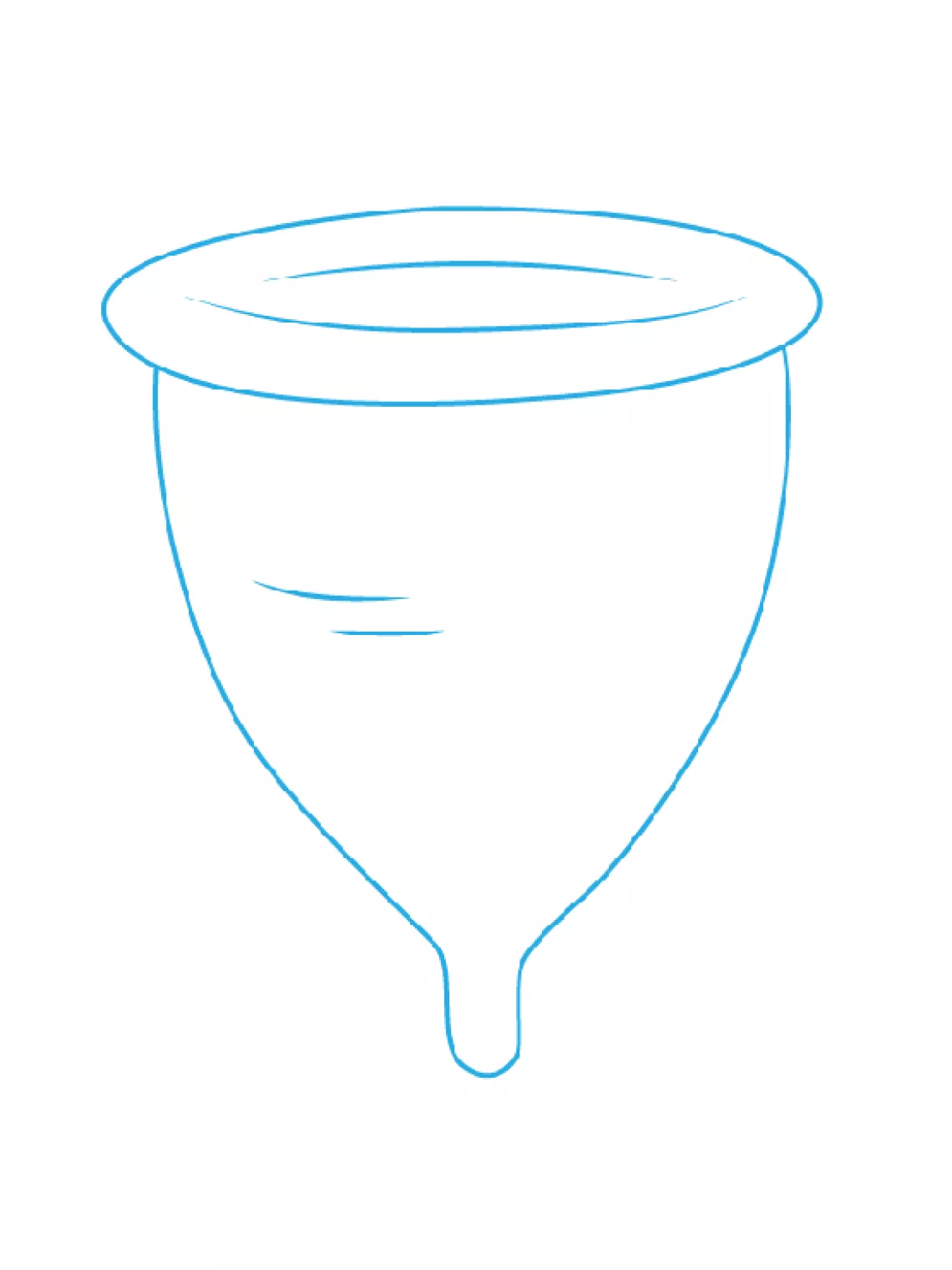
Menstrual cups
The reusable menstrual cup is shaped like a bell and should be inserted into the vagina. Flexible and made of medical grade silicone, it collects menstrual fluid instead of absorbing it. It creates a seal and is held in place by the walls of the vagina. No underwear is needed for its use.
A reusable menstrual cup can collect three times more blood than pads or tampons but after 6–12 hours of use, it needs to be removed, emptied, rinsed and re-inserted. At the end of each menstrual cycle, the cup has to be boiled for 5–10 minutes. Because menstrual cups can be used for 5–10 years, they produce less waste than other menstrual hygiene products.
UNICEF offers the product in three different sizes (small, medium and large) and they come with a protective pouch and user instructions. The material is hypoallergenic without harmful additives or chemicals.
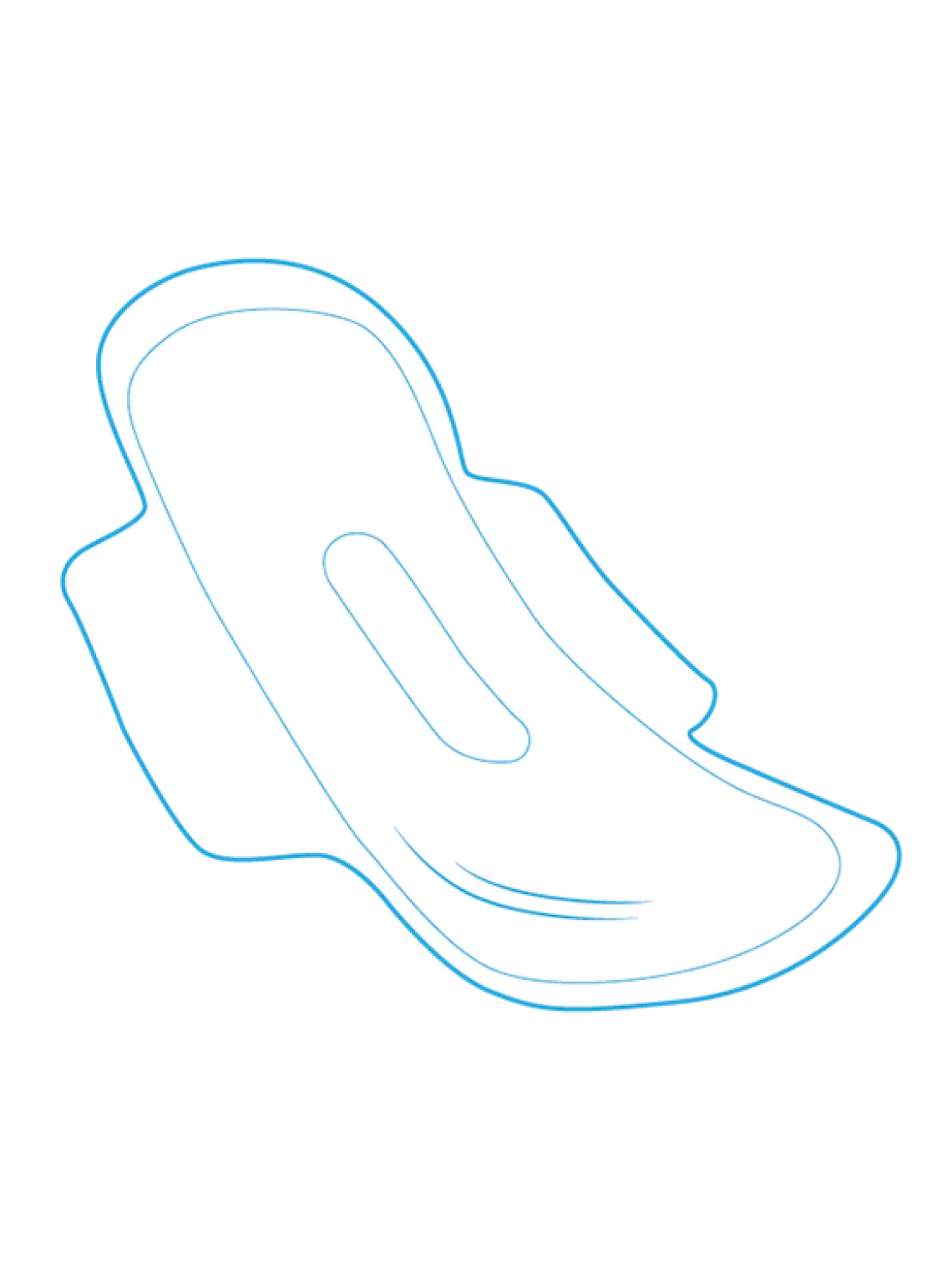
Disposable pads
A disposable sanitary pad is a thin piece of absorbent material that is worn by placing it in the underwear to absorb menstrual fluid.
Disposable pads must be disposed of after a maximum of four to six hours of use. They come in various sizes and do not require access to water for cleaning.
UNICEF procures disposable, fragrance-free sanitary pads with wings to prevent leakage and keep the product in place. The size and absorbency are suitable for medium to high menstrual fluid. They are usually supplied with underwear because in emergencies girls and women have often lost their possessions.
Reusable pads
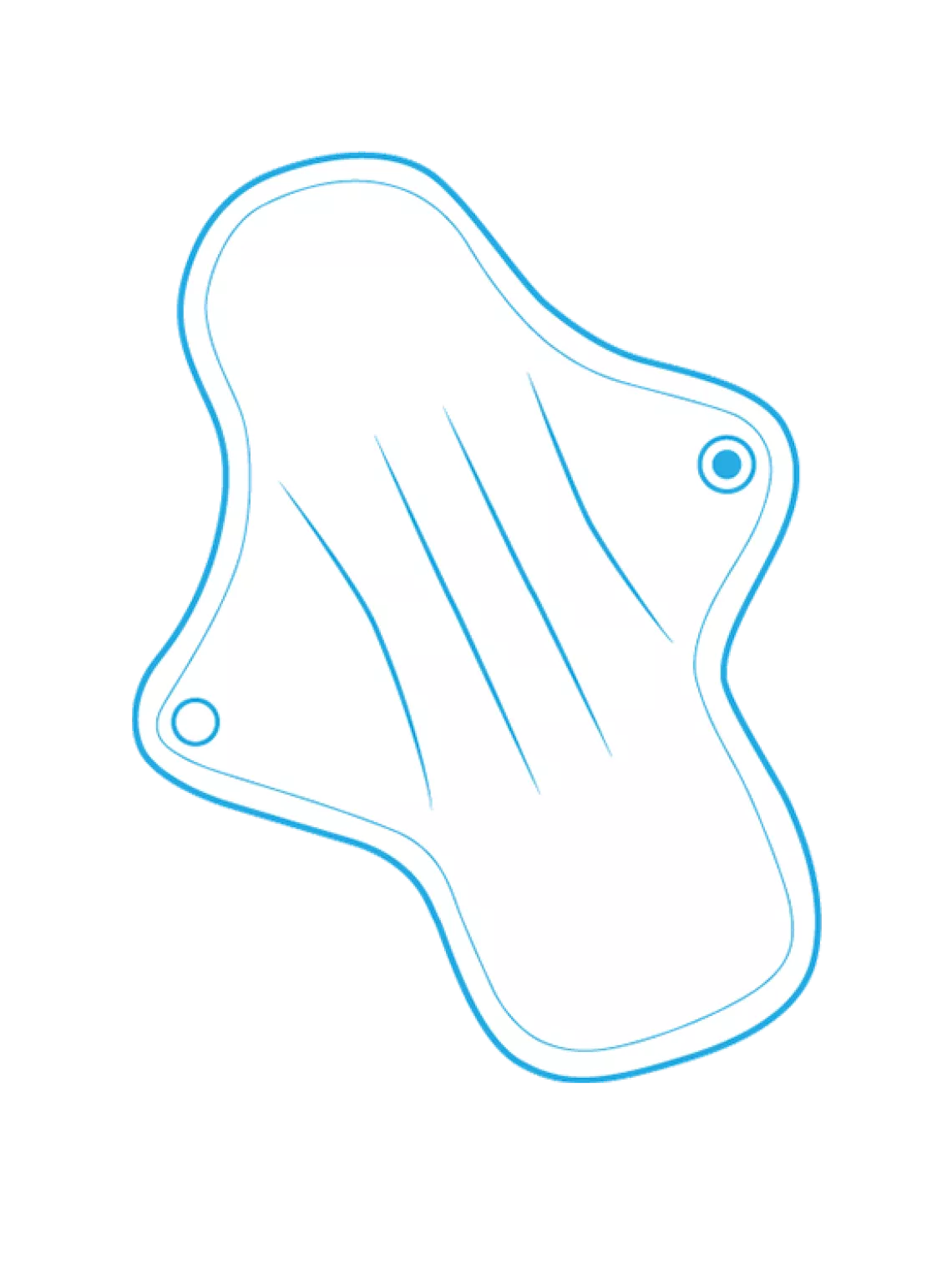
Reusable pads are an alternative to disposable products. They are also worn externally to absorb menstrual fluid and can be made from various natural or synthetic materials.
UNICEF offers sets of reusable menstrual pads made of cotton – preferably flannel, on one side – and synthetic material on the flip side for protection against leakage. Each set has holders, winged and straight pads and a pouch for storage. The holders, made of cotton, have ribbon bands with edges well stitched to keep the pads in position.
After use, they must be washed and dried, and can be re-used 60 times, which requires laundry soap and clean water as well as access to private spaces for drying. As with disposable sanitary pads, reusable pads are worn with underwear. In emergency situations, very often girls and women do not have access to clothing and need to be supplied with underwear so they can use the pads.