

About us
Supplies are at the heart of UNICEF’s work to protect and promote the rights of every child, and to enable children to reach their full potential, especially those most disadvantaged and those hardest to reach.
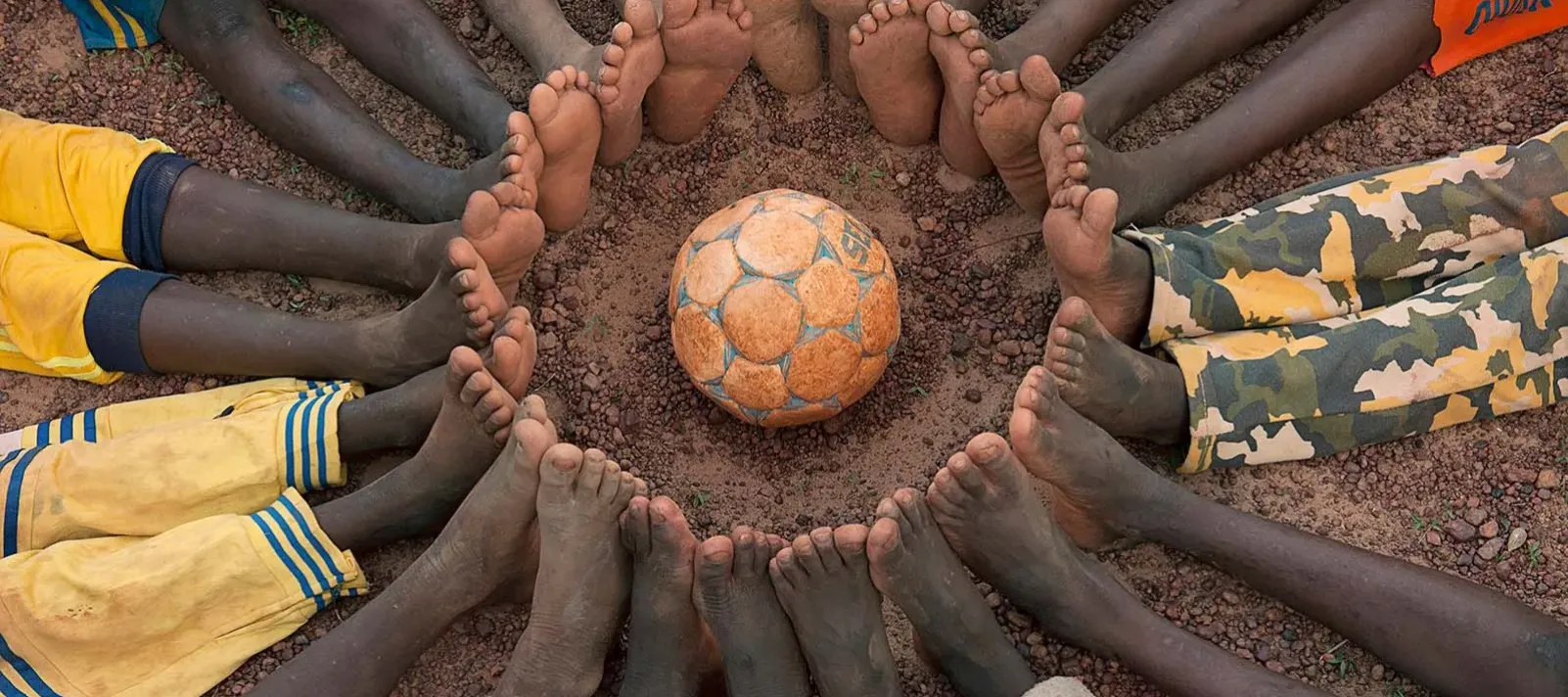
Supplies for children range from school materials, winter clothes and mosquito nets, to medicines, vaccines and life-saving therapeutic food. These are supplies that save children’s lives, that let children learn, that keep children warm, and create opportunities for fun and play for children who are living through humanitarian crises.
To meet the needs of children around the world, UNICEF works with governments, partners and suppliers to procure and deliver the right products, at the right time, at the right price – in both development and humanitarian settings.
Leveraging purchasing power
In a single year, UNICEF procures and delivers over five and a half billion dollars-worth of supplies and services for children in over 160 countries, accounting for around 20 per cent of all UN global procurement. For example, UNICEF is the world’s largest buyer of vaccines, delivering three billion doses of vaccines every year, enough to immunize nearly half of the world’s children under five.
UNICEF leverages its technical expertise, purchasing power and economies of scale to achieve the best possible prices and quality of products for children, and to shape markets and close critical gaps in access to life-saving supplies.
UNICEF’s procurement is competitive and follows public procurement principles with a commitment to the highest levels of integrity, transparency and accountability. UNICEF has robust policies and procedures in place at country, regional and global levels, so that the supplies that reach children are both safe and effective.

Logistics operations with global reach
The UNICEF supply network spans the globe to reach children with critical supplies. This work is coordinated by UNICEF Supply Division, from the global supply and logistics hub, located in Copenhagen since 1962 thanks to continued support from the Government and the people of Denmark. The global supply and logistics hub in Copenhagen includes the world’s largest semi-automated humanitarian warehouse with state-of-the-art technology, packing lines and extensive storage capacity.
UNICEF’s supply network includes a strategically located global satellite hub in Dubai and a network of more than 300 warehouses around the world. Supplies are dispatched both from UNICEF’s global supply hubs, and directly from suppliers to destination countries.

Procurement, supply chain and infrastructure services, cooperation and public goods
Through its procurement services, UNICEF procures essential products and services on behalf of governments and other partners, securing fair prices and providing unique finance solutions as well as transport through UNICEF’s supply and logistics network.
As part of its work to support governments to build effective and resilient national supply chains, UNICEF develops a range of public goods that help enable access to critical supplies and services for children. These include assessment and decision models such as the Supply Chain Maturity Model, management tools such as the Vaccine Stock Management Tool, the medicine traceability and verification system TRVST, and many more.
In the area of infrastructure – such as construction of schools and health facilities, and solar energy installations for these – UNICEF provides normative guidance and technical assistance for governments and other partners.
Together, these services, cooperation platforms, and public goods enable and support governments, the UN and other partners in collectively delivering for children.
Cross-cutting strategies and functions
Strategies and functions for localization; environmental, social and economic sustainability; innovation; data and evidence; partnerships; digitalization; communication and more are embedded throughout UNICEF’s supply operations to maximize the positive impact of UNICEF’s work on the lives of children around the world.
The UNICEF Supply Strategy 2026-2029 outlines UNICEF’s strategy to use its supply chain capabilities to accelerate progress for children from 2026 to 2029.