Traceability and Verification System (TRVST)
Combatting counterfeit and falsified medicines to ensure continuous availability of safe and high-quality health products for all.
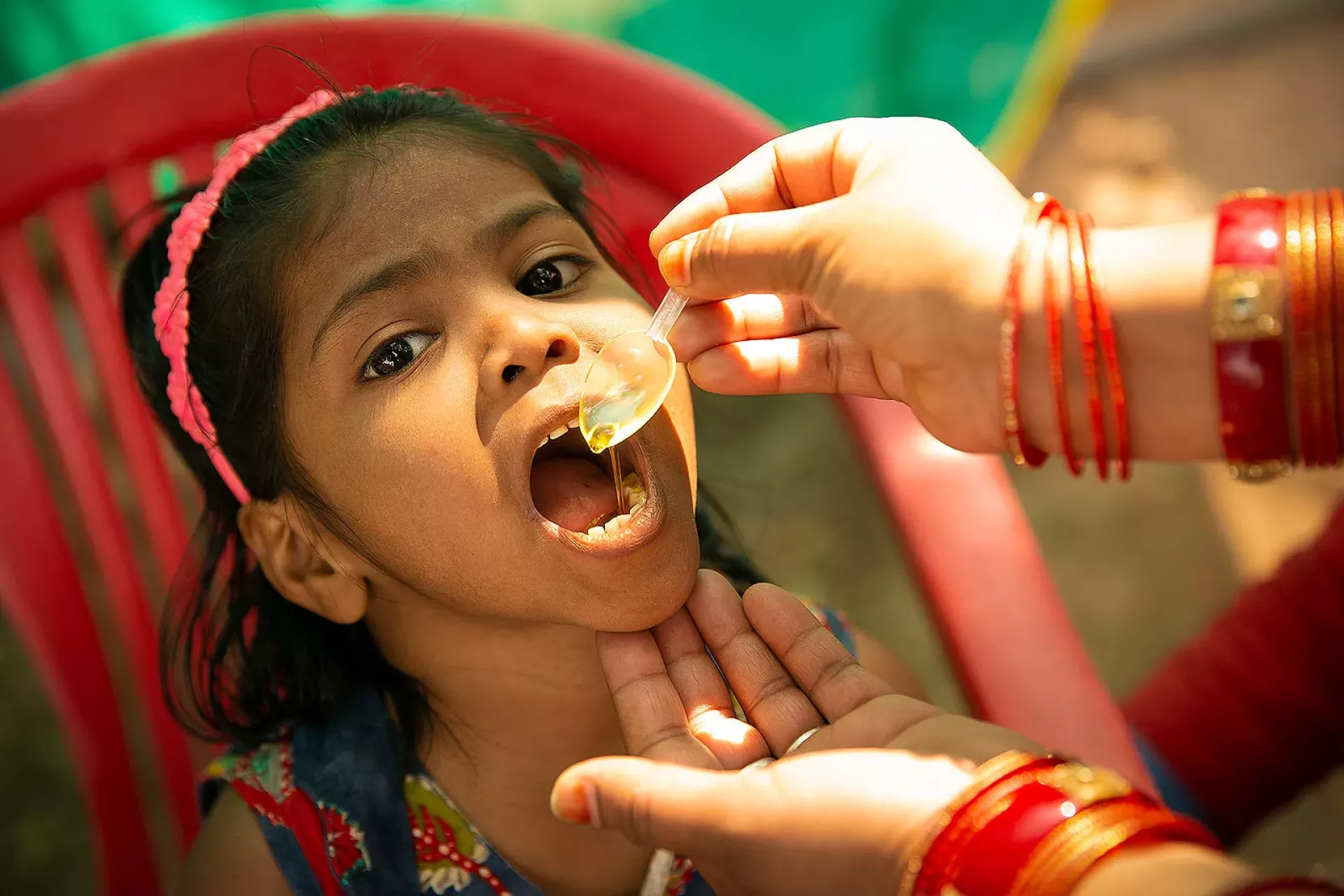
Counterfeit and falsified medicines are estimated to cause the death of 169,000 children under 5 every year. This shocking situation is driven by a US$30 billion per year counterfeit and falsified medicines industry in low- and middle-income countries. In response, UNICEF and partners have developed the Traceability and Verification System (TRVST) which aims to assure continuous availability of safe and high-quality health products for all.
Launched in 2022, TRVST aims to increase global coordination and response against counterfeit and falsified medical products – especially in low- and middle-income countries – by allowing countries to verify the authenticity of health products, and to track and trace them through the supply chain on single and common platform. TRVST is developed under the Verification and Traceability Initiative (VTI), a multi-stakeholder partnership composed of the Bill & Melinda Gates Foundation, the European Commission, Gavi, the Global Fund, UNICEF, USAID, the World Bank, and the national regulatory authorities in Nigeria and Rwanda.
Risk of additional harm
As the distribution of COVID-19 vaccines ramped up worldwide, so did the production of counterfeit and falsified vaccines and related supplies. Today, it is estimated that one in ten medical products in low- and middle-income countries are counterfeit or falsified.
For the individual child, not only do counterfeit medicines often fail to treat the diseases for which they were intended, but they can also cause additional harm, such as poisoning. In a broader perspective, falsified products lead to a loss of confidence in medicines, healthcare providers and health systems.
How TRVST works
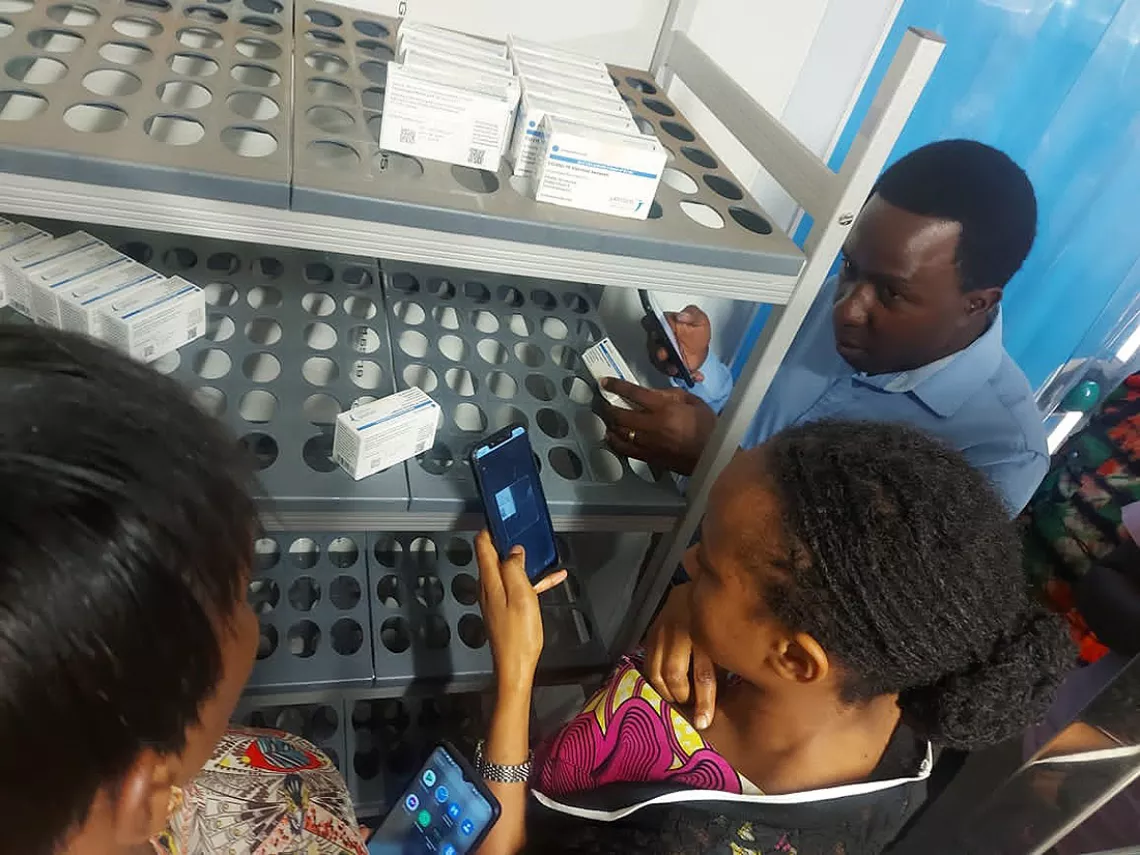
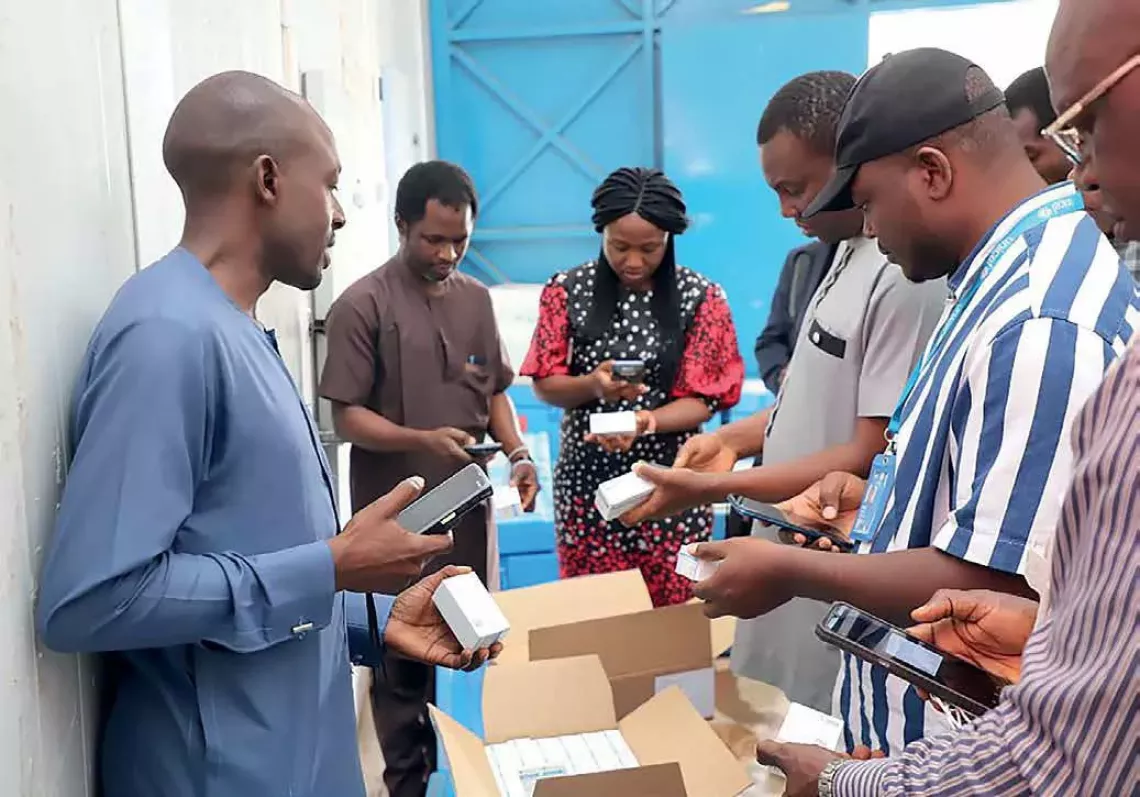
TRVST relies on a global repository that stores health product information, such as Global Trade Item, serial and batch numbers, as well as production and expiry dates. This data is fed into TRVST by medical product manufacturers. Using a GS1 barcoding technology, TRVST allows users – such as health care workers, regulatory authorities and customs agents – to use a phone application to scan medical product barcodes and verify their authenticity in real time. Any verification failure or suspect activities triggers an alert which is also sent to the manufacturer and regulatory authority.
This system complements other global efforts to digitalize public health supply chain systems, and it has been specifically designed to connect with national information systems to pave the way toward fully-fledged, end-to-end traceability systems for all health products.
Benefits of TRVST
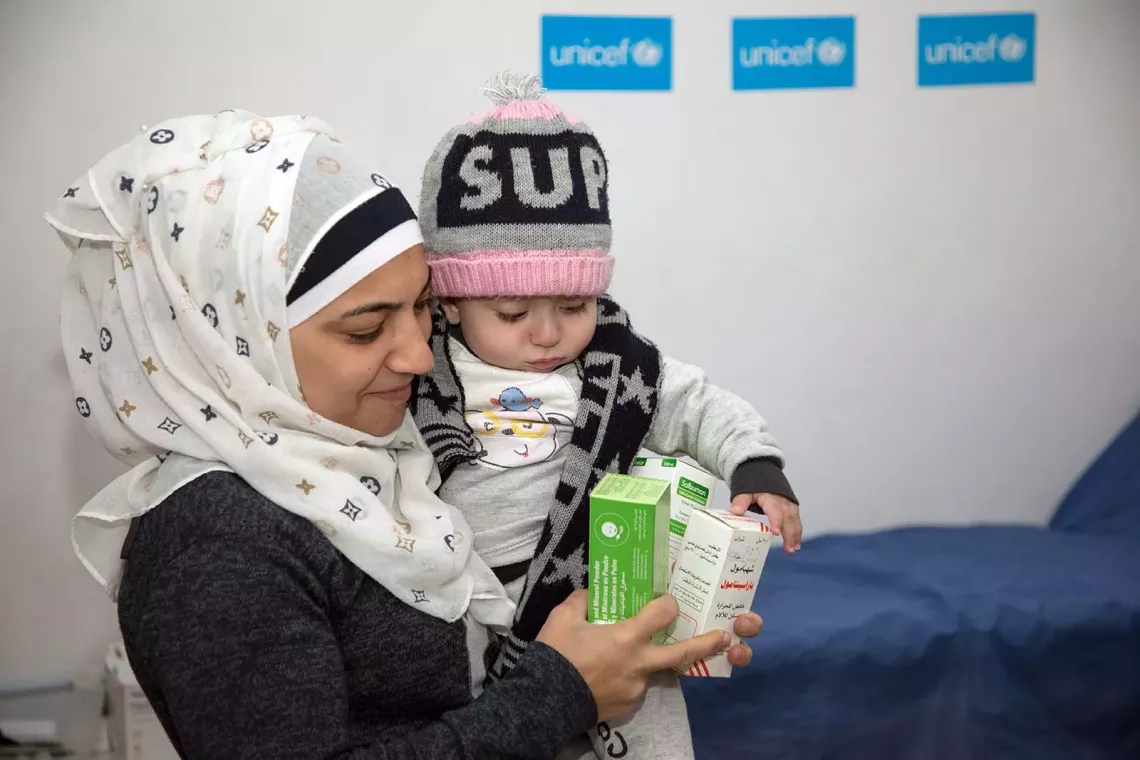
The success of the TRVST is contingent on participation by governments as well as on engagement by manufacturers to serialize their products in emerging markets and register them in the global repository. As vaccine manufacturers and national supply chain and regulatory systems begin to automatically integrate their serialization data systems into TRVST, this paves the road for countries of all income levels access several benefits:
- Accurate verification processes enables countries to gain access to robust and accurate verification mechanisms in real-time. Healthcare professionals can authenticate vaccine packs , cross-reference them with the product data from vaccine manufacturers, and ensure that only authorized vaccines are used. This reinforces patient safety, reduces the risks of counterfeit vaccines, and boosts confidence in the vaccination process. This, in turn, helps protect children against infectious diseases, reduces vaccine wastage, and strengthens immunization programs.
- Enhanced product traceability allows for comprehensive and real-time traceability of vaccines throughout the supply chain. By leveraging the product data provided by manufacturers, healthcare professionals can easily track the journey of each vaccine, from manufacturing to patient administration. This transparency strengthens the overall vaccine supply chain, minimizes risks, and ensures the integrity of immunization programs.
- Real-time data exchange facilitates seamless and real-time data synchronization between TRVST and vaccine manufacturers’ platforms. This allows for prompt sharing of critical vaccine-related information, such as lot numbers, expiry dates, serial numbers and distribution records. The timely data exchange enables healthcare authorities to make informed decisions, quickly address any potential gaps or issues, and ensure regulatory compliance.
- Strengthened quality control: allows countries to implement robust quality control measures throughout the vaccine lifecycle. The system empowers healthcare professionals to proactively monitor and address any quality issues, enhancing the safety and effectiveness of vaccines administered to the population.
Expanding TRVST
While COVID-19 vaccines were the first products covered by TRVST, it has since been expanded to include childhood vaccines, HIV and tuberculosis treatments, reproductive health supplies, and a range of essential medicines. Anti malaria and oncology products will be introduced into the system in 2026.
As of November 2025, TRVST stored information about more than 80 per cent of the vaccines procured by UNICEF, which includes 200 different products and more than 30 million serialized packs. The system is being used in nine countries (Nigeria, Rwanda, Nepal, Botswana, Liberia, Senegal, Zimbabwe, Uganda and Togo).
In 2025, TRVST received the Pan Africa Supply Chain Award for Innovation in Pharmaceutical Supply Chain. As TRVST gains traction, and as more actors pool resources and technology through TRVST, patient safety increases around the world.
Case study: Transforming Nigeria’s vaccine and pharmaceutical supply chain with TRVST
Call for participation in trial to monitor diversion of pharmaceutical products
In 2026 UNICEF will be enhancing the capacity of TRVST to:
- Detect and monitor the unexpected movement of products due to theft, illegal diversion or falsification.
- Alert authorities so that they can take action.
While already working with manufacturers and other stakeholders to set up a trial, UNICEF would like to bring on board more manufacturers of vaccines and medicines that are of high risk of illegal diversion or falsification, including products that are provided under a corporate access programme.
To join the trial, please contact: [email protected]
For trial participation, interested manufacturers will be assessed on suitability parameters, including the relevance of their product portfolios. Participants will be required to:
a) sign a standard Enterprise Agreement, and
b) share serialised and aggregated batch data for the duration of the trial. Inclusion in the trial is at the discretion of UNICEF.