Menstrual hygiene: key to keeping more girls in school
Menstrual health and hygiene is not only a health or education issue, it is an issue of equality and rights.
- Español
- English
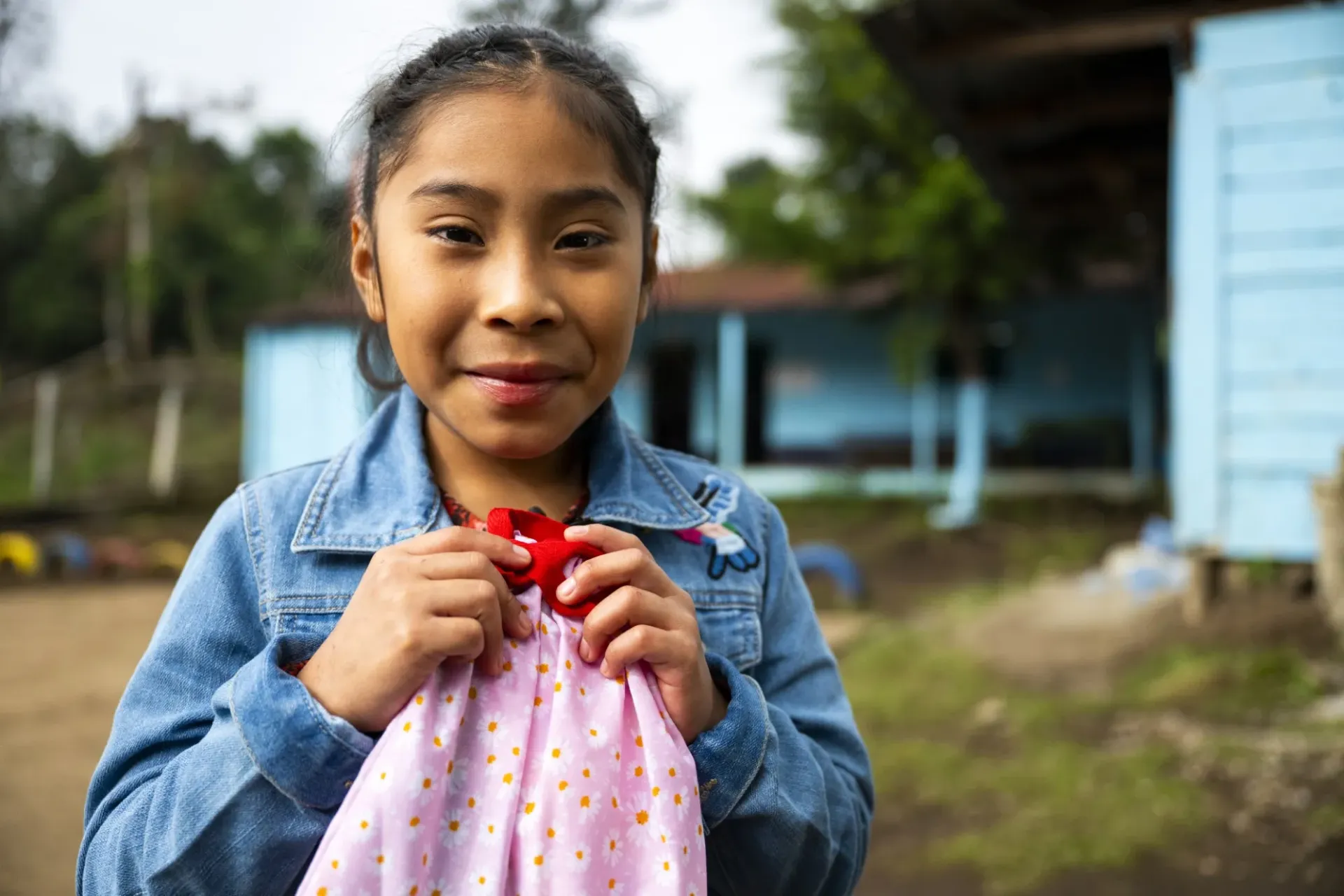
Jennifer Sánchez is 9 years old and lives with her mother in Carralhá, a rural community in Alta Verapaz, Guatemala, surrounded by mountains, dirt roads, and a strong sense of community. She is cheerful and curious, loves drawing and playing with her friends, and dreams of becoming a veterinarian.
“I want to take care of all animals” she says with a smile while petting a dog that wandered into the schoolyard.
A few months ago, Jennifer had an experience she will never forget. One morning, while getting ready for school, she noticed something unusual happening to her body. She
became frightened and thought she was sick. No one had ever explained menstruation to her.
“No one had told me that this could happen. I was very scared and ran to tell my mom,” Jennifer recalls. Her mother then explained for the first time that menstruation is a natural process.
In many rural communities in Guatemala, menstruation remains a topic surrounded by silence and stigma. Limited information, inadequate infrastructure, and lack of hygiene products mean thousands of girls experience menstruation with fear, shame, or isolation.
According to Guatemala’s Ministry of Education in 2024, out of 35,922 schools nationwide, 5,386 do not have access to water and 21,651 lack adequate sanitation systems. These figures reveal a concerning reality: thousands of girls do not have the basic conditions to manage menstrual hygiene safely and with dignity.
The lack of clean water, adequate bathrooms, and hygiene supplies affects not only girls’ health, but also their education. Without a safe space to manage menstruation, many girls miss classes, fall behind, and in some cases drop out of school entirely.
Jennifer has seen this firsthand.
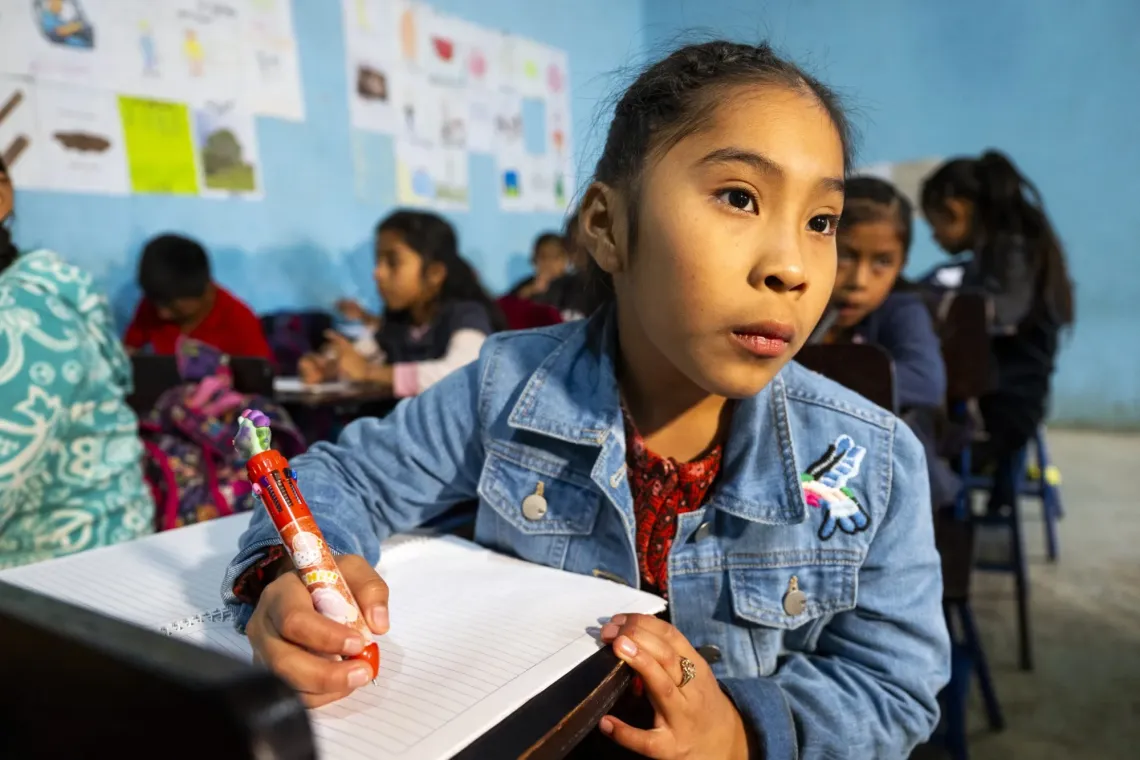
“There are girls who stop coming to school when they get their period,” she says. “One of them is my cousin. When girls don’t come to school, it makes me sad because I think going to school is important to become someone in life.”
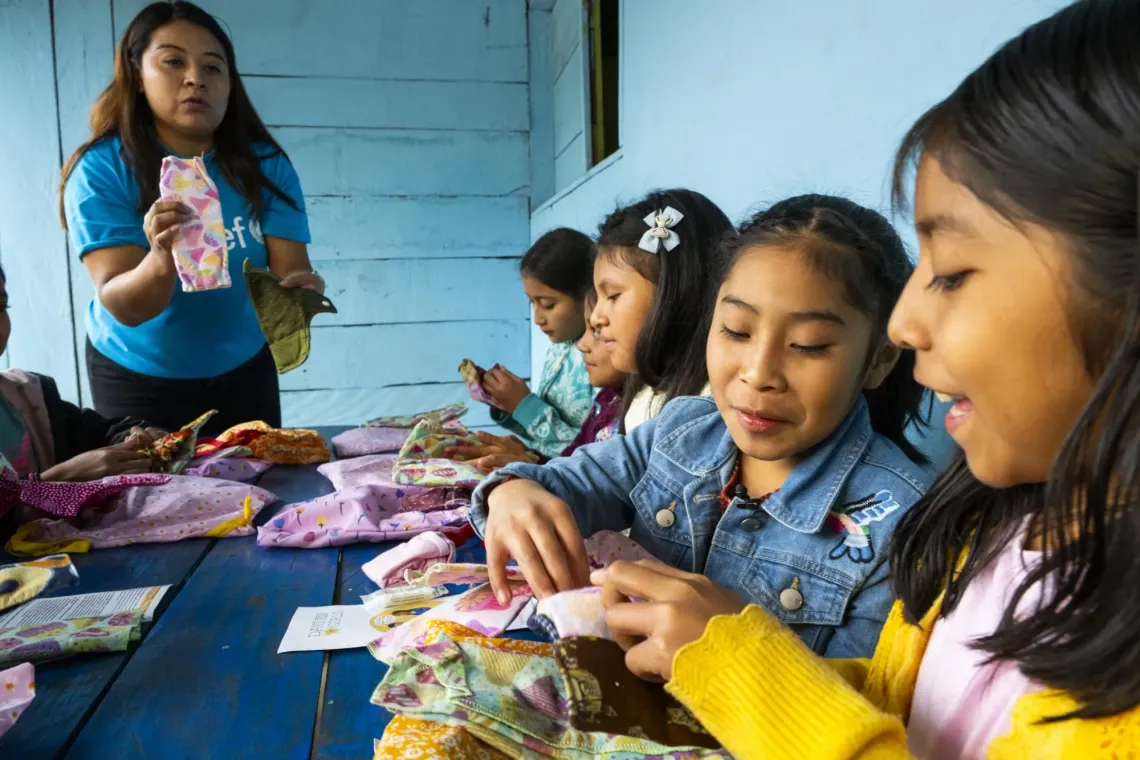
To address this challenge, UNICEF works alongside Guatemala’s Ministry of Education to promote hygiene practices in rural schools and strengthen menstrual health education. Through workshops, educational activities, and the distribution of hygiene kits, girls learn about the natural changes in their bodies and how to manage menstruation with confidence, dignity, and safety.
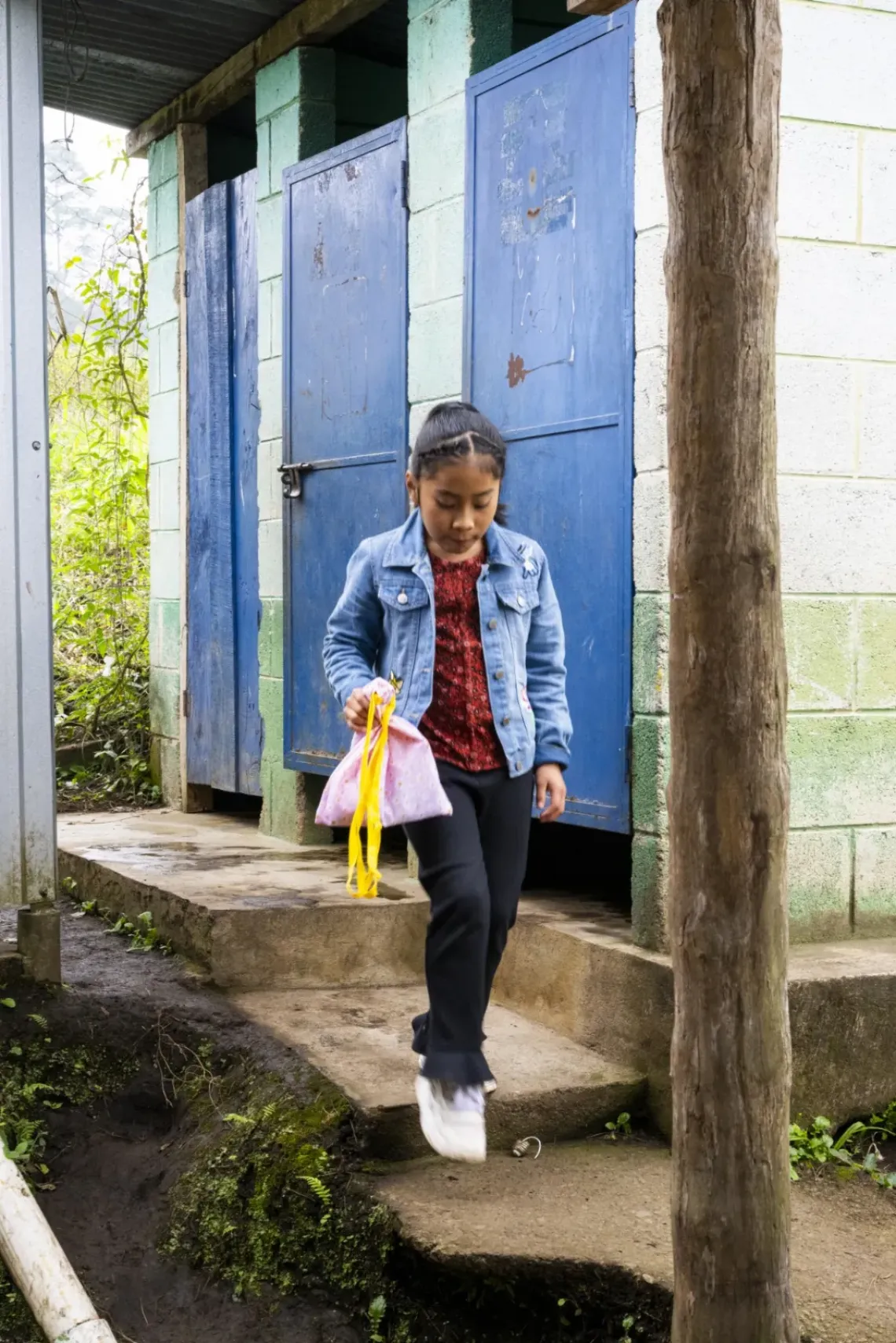
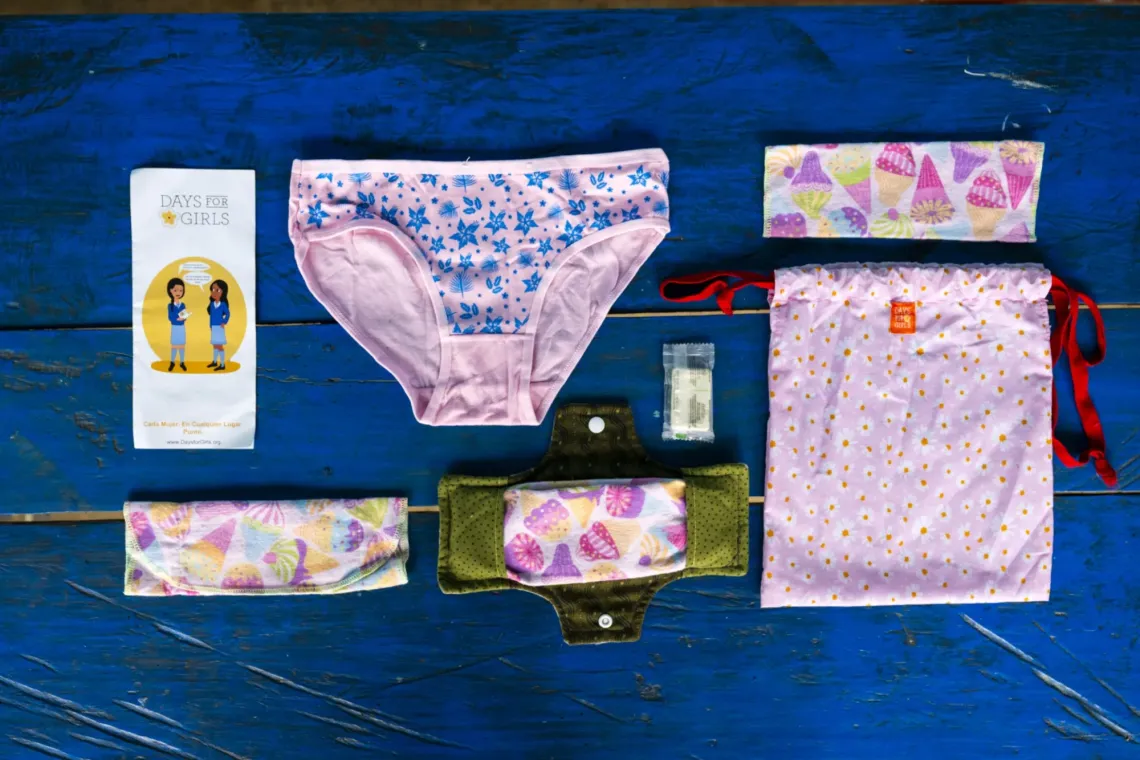
As part of these efforts, more than 63,366 children have participated in educational sessions on hygiene, safe water use, and school sanitation, including the distribution of more than 2,500 menstrual hygiene kits containing reusable sanitary pads, soap, underwear, and educational materials, helping girls stay healthy, confident, and in school.
At Jennifer’s school, UNICEF’s visit was especially meaningful.
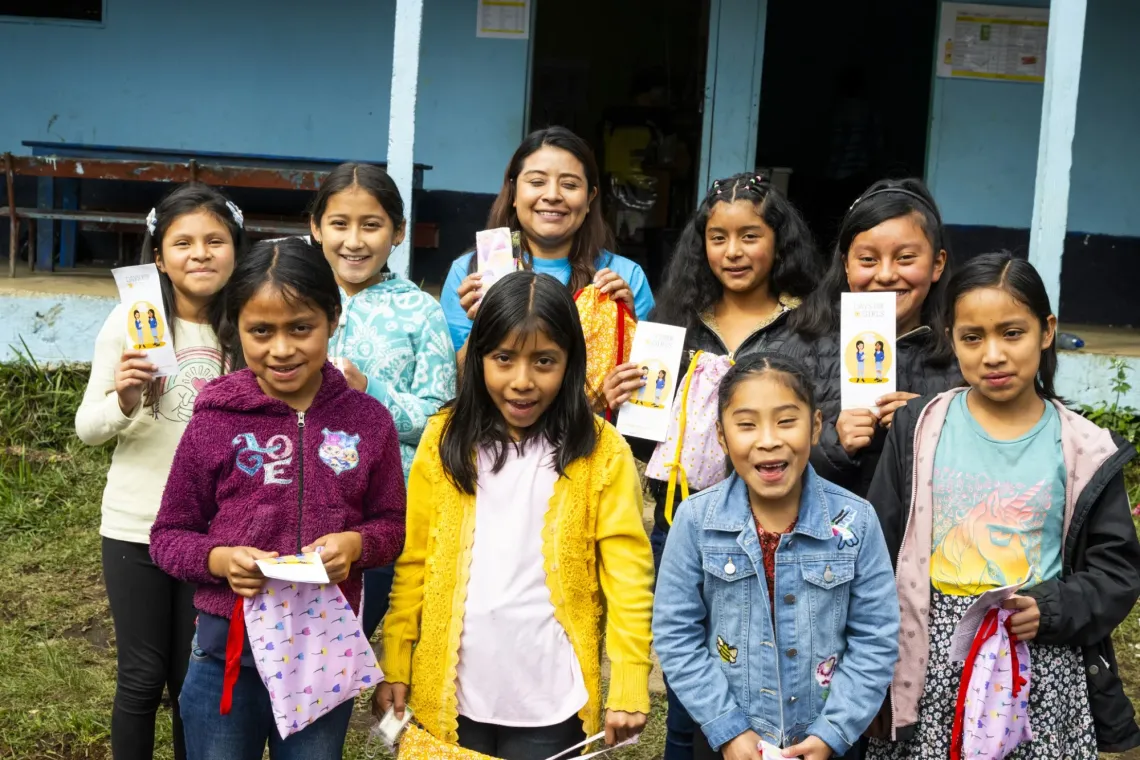
“When they came to give us the talks, I felt happy. I participated the most because I had already gone through it,” Jennifer says proudly. “I learned that I shouldn’t feel ashamed, that it’s normal, and that girls should feel safe.”
Girls also receive menstrual hygiene kits containing reusable sanitary pads, soap, a storage pouch, and educational materials.
“I really liked receiving the kit. Now I feel calmer and know how to take care of myself,” Jennifer explains while carefully holding the cloth bag she keeps in her backpack.
School principal Edin Torres highlights the impact:
“Before, many girls missed school because they didn’t know how to manage menstruation or felt ashamed. With these sessions and kits, they now better understand what is happening to them and feel more comfortable at school. It also helps boys understand and respect the process, because everyone learns together.”
These interventions improve girls’ health, school attendance, self-esteem, and participation in class.
Stories like Jennifer’s highlight the importance of ensuring all girls have access to information, hygiene products, and safe spaces to manage menstruation with dignity.
Menstrual health and hygiene is not only a health or education issue, it is an issue of equality and rights.
Because when a girl can go to school every day without fear or shame, she gains confidence, learns more, and builds a better future for herself and her community.