Adolescents in Science: Joselin’s Story and the Power of STEAM Skills
Girls in the STEAM world
- Español
- English
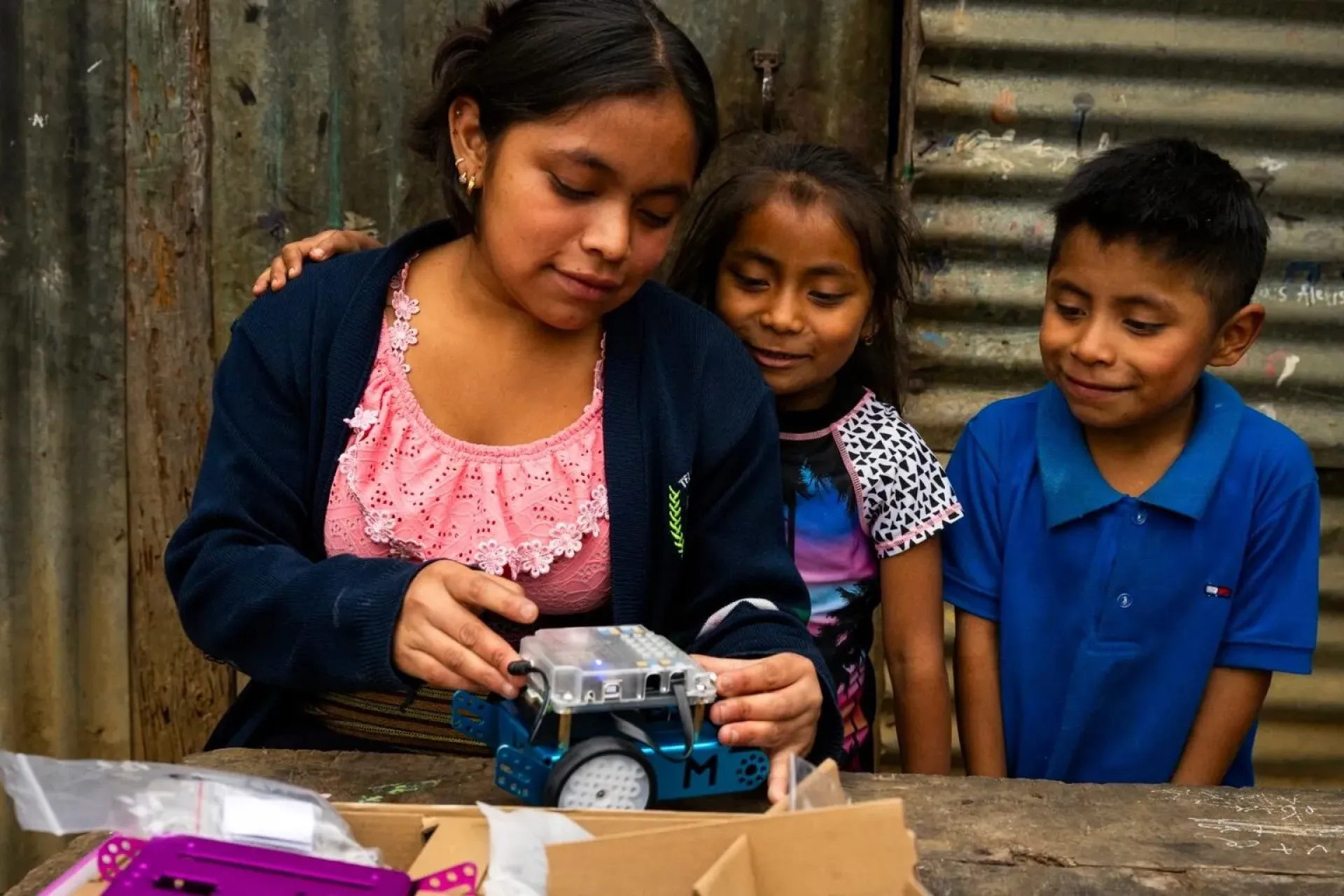
Joselin is 16 years old and lives in San Juan Sacatepéquez, a community surrounded by mountains and carpentry workshops. She is the third of nine siblings and, from a young age, she learned that hard work opens doors.
Her father, Pedro, works as an upholsterer. He was only able to study up to sixth grade, but today his greatest pride is seeing his daughter continue her education. Whenever he hears her talk about robotics or technology, he becomes emotional. “She is doing what I couldn’t,” he says, his eyes filled with hope.
Life has not been easy. In the mornings, Joselin works at a piñata shop to help cover her school expenses. Among colorful paper and glue, she creates figures that later bring joy to children’s parties. The job has taught her discipline, but it also reminds her every day why the effort is worth it: to keep learning.
Joselin participates in the Skills for Girls programme, led by UNICEF in Guatemala, which strengthens the personal, academic and professional development of adolescent girls by connecting them to STEAM fields: science, technology, engineering, arts and mathematics.
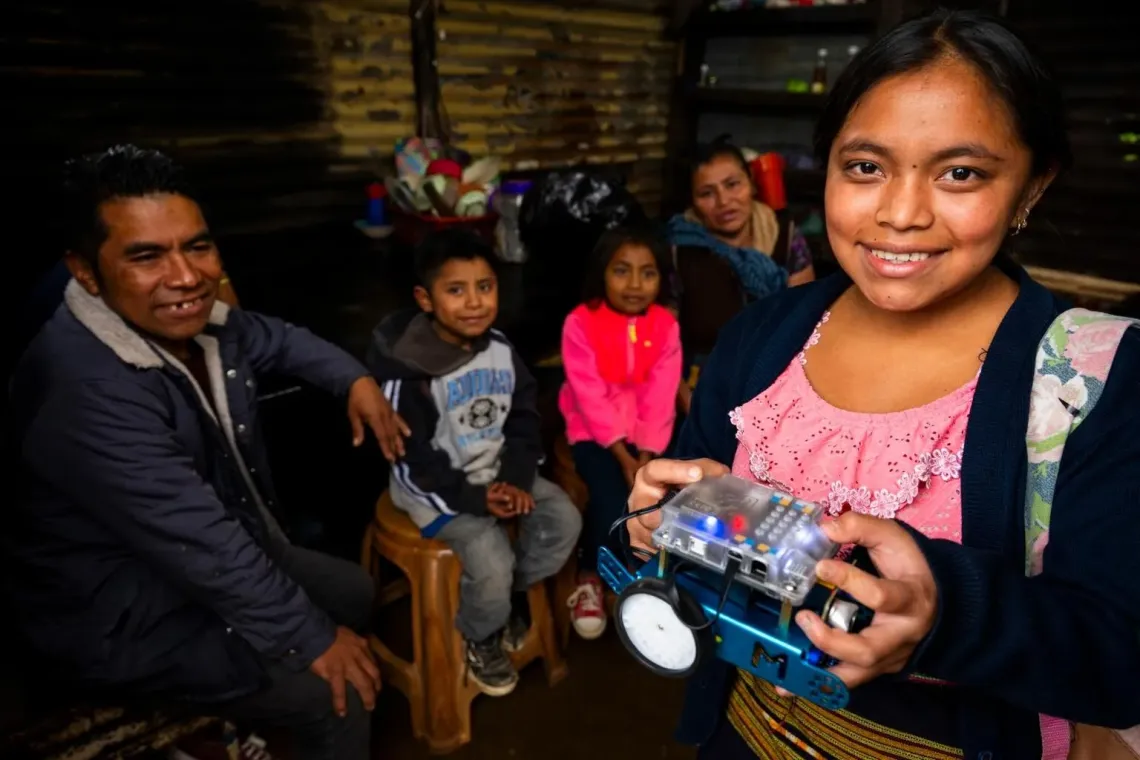
At first, technology felt like a complicated and distant world. “When I started, I didn’t understand much about robotics,” she says with a shy smile. “But little by little I learned, and I realized that I could do it.” Today, she is one of the most enthusiastic participants in the group.
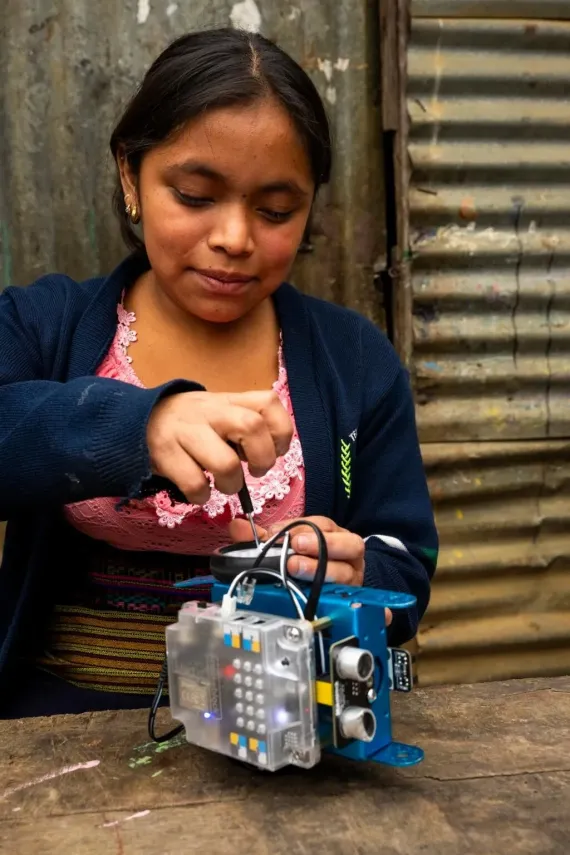
As part of her final project, Joselin and her team designed a model of public street lighting using LED lamps that turn on only when a person walks by. The system helps save energy while improving safety in the streets. “We wanted to help make sure all streets are well lit,” she explains proudly.
Stories like Joselin’s are still the exception. Globally, only 30 per cent of adolescent girls choose STEAM careers, and in Latin America just 1 in 4 people working in science and technology is a woman. Yet when a girl or adolescent gains access to science and technology, she can earn up to 24 per cent more income and access better job opportunities throughout her life.
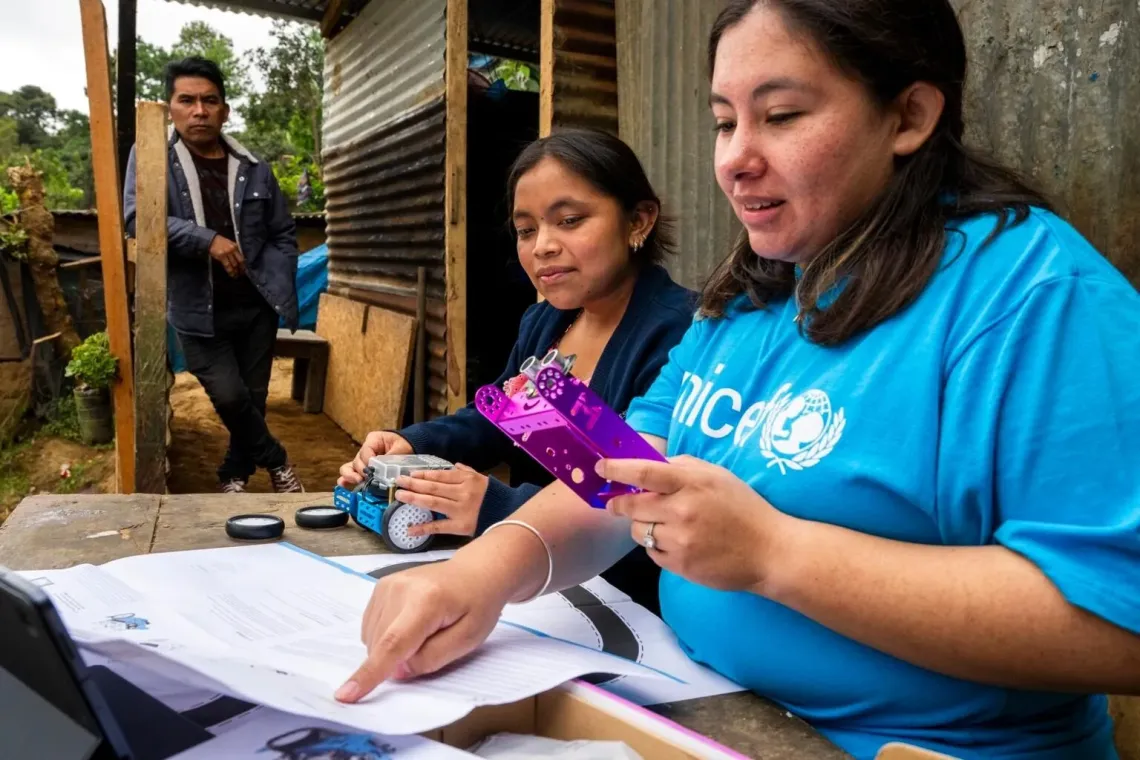
In Guatemala, many adolescent girls face economic and social barriers that prevent them from continuing their studies. Programmes like Skills for Girls help close that gap. In San Juan Sacatepéquez and San Marcos, more than 1,500 adolescents have participated in workshops and mentorship sessions that strengthen their leadership, confidence and vision for the future.
Joselin says what has changed the most is how she sees herself. “Now I’m more curious, and I dream of becoming a technology teacher to show other girls how important it is to learn about these things.”
Her example has also transformed her home. Her two older sisters had dropped out of school, but after seeing Joselin’s dedication, they decided to return to their studies.
Joselin’s story shows that when an adolescent girl has the opportunity to learn, she does not only transform her own future — she impacts her family and her community. Science and technology stop being distant concepts and become tools to create real solutions.
“I want girls to see that they can do it too,” she says with conviction.