A triumph of unyielding hope and modern healthcare against the odds
In Uzbekistan, the successful delivery and separation of conjoined twin girls Fotima and Zuhra is a tale on how advanced healthcare can save and transform lives amidst challenging circumstances.
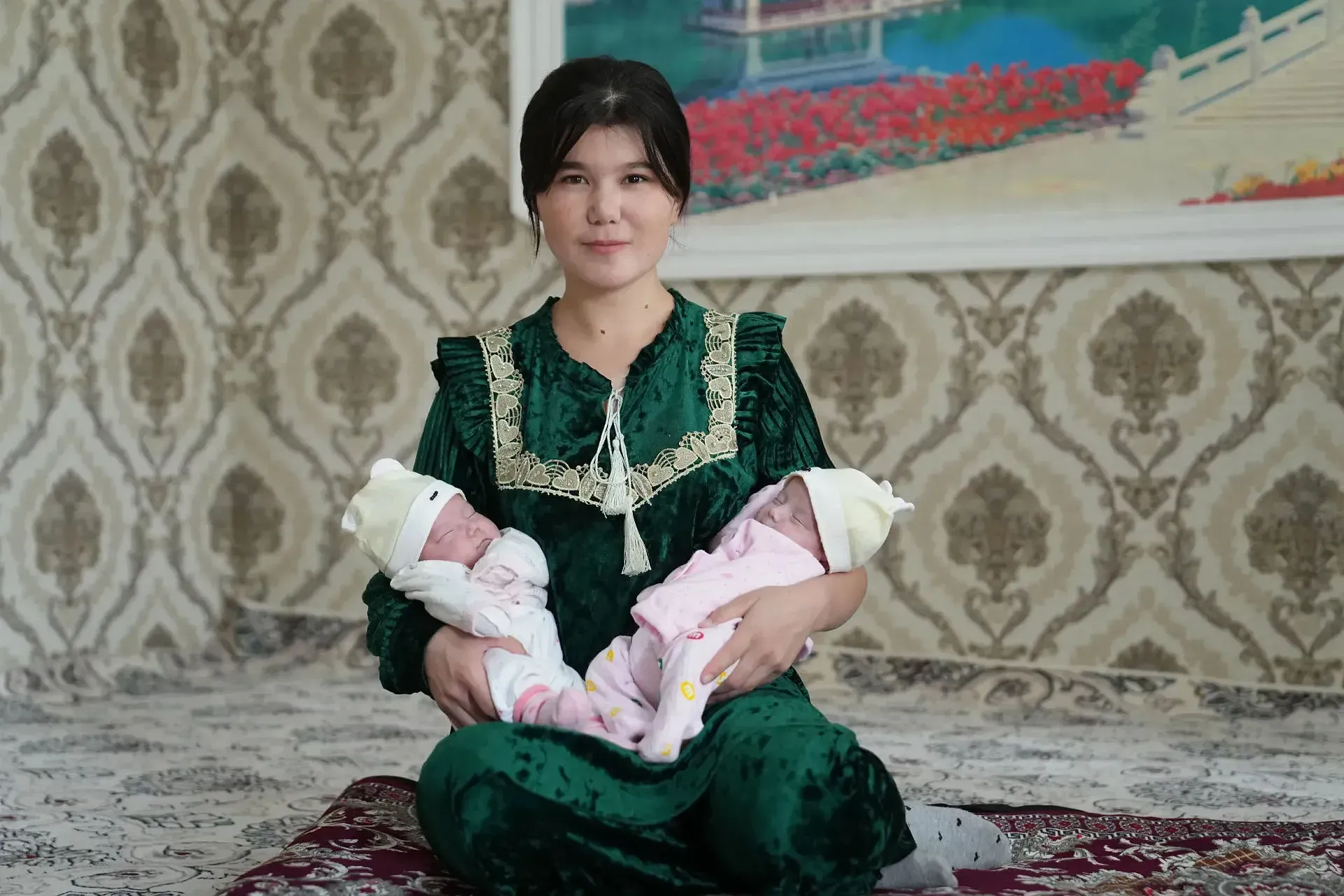
Once scarcely equipped for complex surgeries, the Chirchik perinatal centre, in the heart of Uzbekistan’s Tashkent region, recently rose to a great challenge: the successful delivery and separation of conjoined twins Fotima and Zuhra.
The story which started with two heartbeats holding onto hope grew firmer each day. Today the baby girls are comfortably at home with their 22-year-old mother Ogiloy Abdusamatova, surrounded by a family brimming with joy and optimism. They have become a centre of affection, with Ogiloy receiving an outpouring of support in her caregiving journey.
"My daughters are thriving. I am breastfeeding them, and I dream of them growing into doctors – like those who brought them safely into this world."
Indeed, this is a story beginning with heartbeats in peril now thriving in safety thanks to Uzbekistan's substantial investment in healthcare modernization ‒ a testament to the power of good healthcare conditions and unyielding hope.
Life-saving perinatal care
On the fateful day Ogiloy would become a second-time mother, when she had to undergo emergency labour at 33 weeks of pregnancy, it was not in a large metropolitan hospital where the miracle would occur, but at the modest Chirchik centre. Fortunately, the centre was one of the 230 across the country that were transformed into modern perinatal care units after receiving advanced hospital equipment.
For Ogiloy, Fotima and Zuhra, this investment was nothing short of life-saving. Every moment was crucial, and the swift five-hour surgical intervention and the new equipment played decisive roles in the wonderful outcome.
"We performed an emergency caesarean section to deliver, and another much more complicated surgery to separate the twins," explains Dr. Doniyor Asadov, Director of the Tashkent regional branch of the Republican Specialized Scientific and Practical Medical Centre for Mother and Child Health.
"Our region’s capability for such a unique operation was possible because we are very well equipped."
Advanced health equipment for neonatal intensive care is critical to the survival newborns that have serious health complications. Yet many health facilities in low- and lower-middle-income countries lack adequate equipment outside of larger hospitals. This is why UNICEF works with partners to expand neonatal health technology also in local healthcare facilities in lower-resource contexts.
The Chirchik Centre now boasts life-saving equipment such as incubators for premature infants, machines assisting those with breathing difficulties, heart rate monitors, and surgical lights ‒ an essential toolkit enabling the most delicate operations.
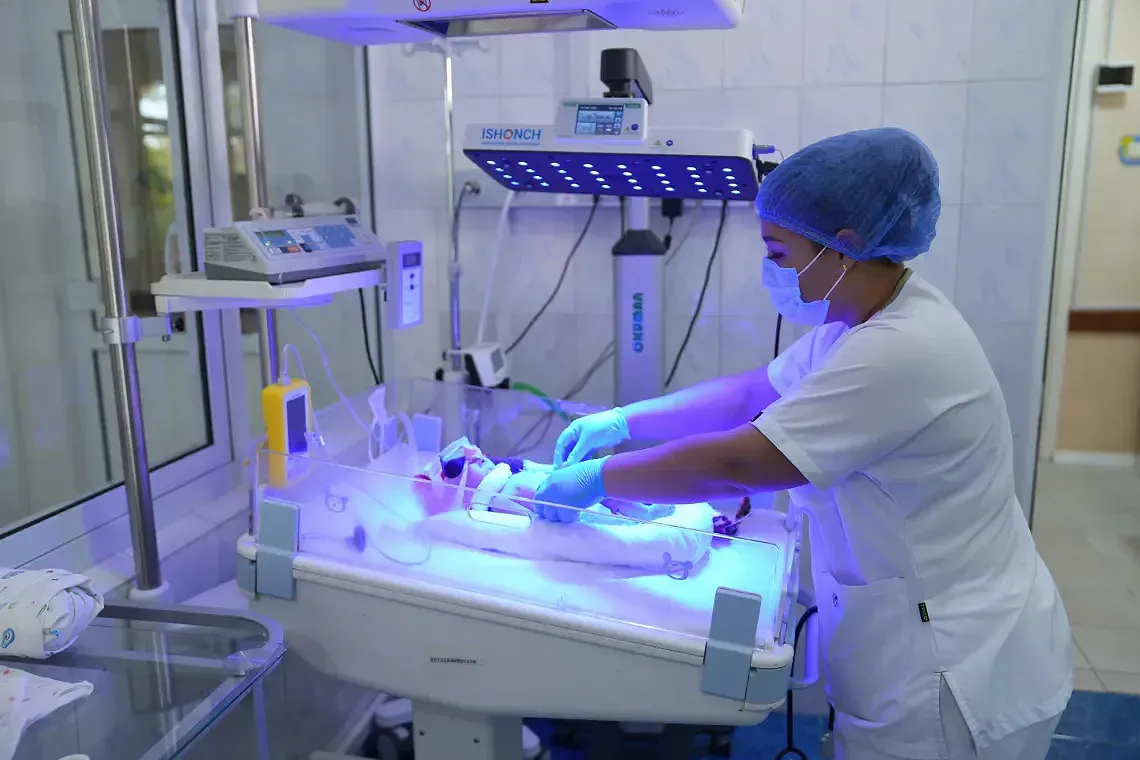
The transformation of the country’s perinatal centres was made possible thanks to the Ishonch Fund, an agreement between Uzbekistan and Switzerland that allows for stolen public funds to be transparently returned and used for the benefit of the people.
Care for all premature babies
The Fund has granted $43.5 million to Uzbekistan’s Ministry of Health for the revamping of maternal and perinatal care through a collaboration spearheaded by UNICEF, UNFPA, and WHO. The Fund’s health project – one of its flagship initiatives – targets all perinatal centres across Uzbekistan.
Beyond equipment upgrades, healthcare workers acquired crucial skills to care for the most fragile newborns. Social behaviour campaigns urge pregnant women to seek early care, reinforcing a widespread embrace of timely care and modern medicine.
As a result, despite the inherent risks of complicated childbirth, small perinatal centres across Uzbekistan, from the bustling capital to its rural outskirts, are now witness to life-transforming accomplishments every day.
“We won”
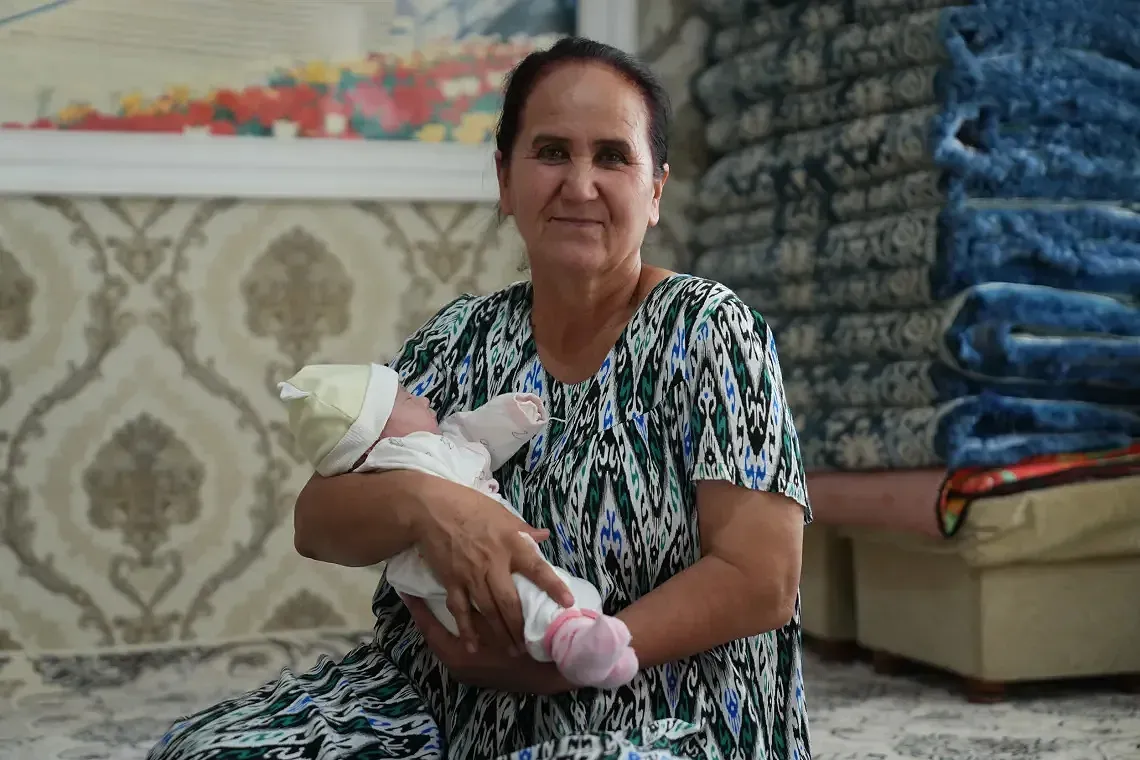
In the Tashkent region, Ogiloy’s mother-in-in-law, Zuhra Khudoyberdieva, is a proud and beaming grandmother who helps care for her grandchildren. She shares with Ogiloy, Fotima and Zuhra this remarkable tale of triumph against the odds.
“At an ultrasound visit, a doctor told us that the twins were conjoined, but two hearts were beating,” recalls Zuhra. “Knowing that, despite the slim chances, how could I not fight for my grandchildren? I said that these girls will live. And we won!”
This story was originally published on UNICEF Uzbekistan.