Staggering crisis in Sudan leaves families reeling
Millions of children are caught in a living nightmare as violence continues and famine looms.
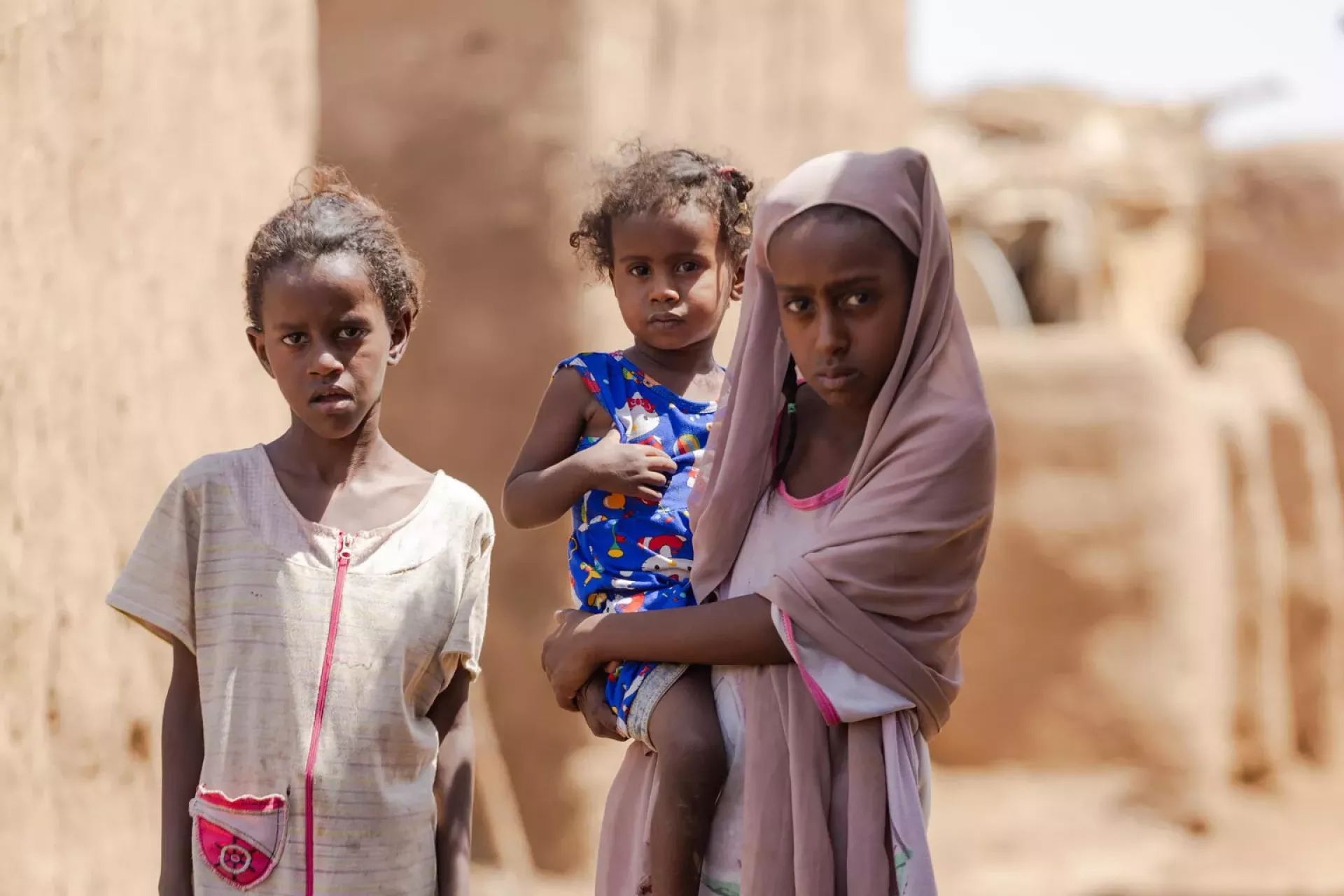
The scale of the tragedy in Sudan is difficult to overstate.
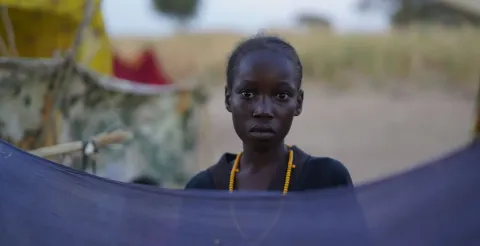
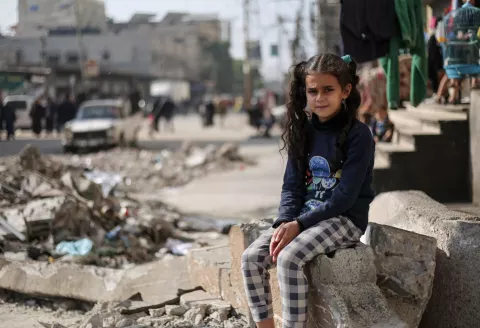
Devastating violence and insecurity erupted in April 2023, forcing millions of families from their homes in search of shelter, food and safety. Sudan is now grappling with the biggest child displacement crisis in the world, with an estimated 5 million children forced from their homes. More than a million have fled across the country’s borders.
These are not just numbers – they represent millions of stories, hopes, and dreams. Almost 18 months into this brutal war, those dreams are on hold as the turmoil continues.
“We left everything behind. We only took our clothes. Fear makes you leave everything.”
Many refugees, returnees and internally displaced children and women are arriving in areas that were already home to vulnerable and underserved communities who were struggling with multiple crises.
I don’t know if you can hear now behind me. Live fire right now…This is what we see every day: children under attack.
Countless children have been exposed to horrendous violence. In 2023, Sudan saw the highest number of verified grave violations against children in more than a decade, a five-fold increase in grave violations compared with a year earlier, including the killing and maiming of children, sexual violence, and the recruitment and use of children by armed groups. Widespread reports of widespread gender-based violence are shocking.
The impact of this violence and massive displacement is being compounded by disease outbreaks, hunger, malnutrition and restricted humanitarian access – a lethal combination that has already claimed thousands of lives.
I’ve been working here for 14 months. What motivates me to stay this long is seeing the change in the children.
Sudan is facing a devastating hunger catastrophe on a scale not seen since the Darfur crisis in the early 2000s. Unlike the Darfur crisis, the present emergency spans the whole country, with catastrophic levels of hunger even reaching the capital Khartoum and Gezira State, once Sudan’s breadbasket.
Meanwhile, cramped and unsanitary living conditions for displaced families – exacerbated by heavy rains and flooding – mean diseases can spread more quickly. Sudan is grappling with multiple disease outbreaks including malaria, dengue fever, measles, and rubella. In August 2024, Sudan’s Federal Ministry of Health declared a cholera outbreak. The combination of these outbreaks and soaring rates of severe acute malnutrition – which leaves children more vulnerable to disease – is creating a perfect storm for a catastrophic loss of children’s lives.
Meanwhile, children and their family members injured in the violence continue to pour into health facilities, placing an ever-greater strain on a health system teetering on the verge of collapse. Frontline workers including nurses, doctors and other essential staff haven’t been paid in months.
Yesterday I was very sad about a child who was injured. I almost cried when I got home.
Whether trapped between the frontlines, forced from their homes, or witnessing their communities torn apart, children’s lives have been turned upside down by the war in Sudan. With around 17 million children not in school, the war could have a generational impact on the lives of these children.
We will go anywhere to reach those children most in need.
Amid this complex catastrophe for children, UNICEF is staying and delivering, working with partners to reach millions of children and families with critical health supplies, and screening for malnutrition. In response to the cholera outbreak, UNICEF has delivered more than 400,000 doses of oral cholera vaccine, and has also supported the establishment of oral rehydration centres and the distribution of tablets for home-based water treatment. But the needs are enormous and the challenges to delivering assistance massive.
UNICEF is calling on warring parties to:
- Implement an immediate ceasefire.
- Respect international humanitarian and human rights law. This includes ensuring that children are protected, and facilitating rapid, safe, unimpeded humanitarian access to children and families.
- Remove bureaucratic impediments to the rapid delivery of humanitarian assistance at scale and ensure access and guarantees to safely move humanitarian workers and supplies across conflict lines.
UNICEF is appealing for its partners and the international community to:
- Prevent the collapse of essential systems by paying frontline workers, providing lifesaving supplies, and maintaining critical infrastructure.
- Provide support to the re-opening of schools so that children can go back to classrooms, and conflict-affected children can learn and heal in safe spaces.
- Accelerate funding for lifesaving health and nutrition, water and sanitation, education, and child protection services.
Without unfettered humanitarian access, a significant scale up of critical life-saving services, a reopening of schools, and most fundamentally an end to the war, the hopes and dreams of a generation – and Sudan’s future – risk being lost.