

Evaluation
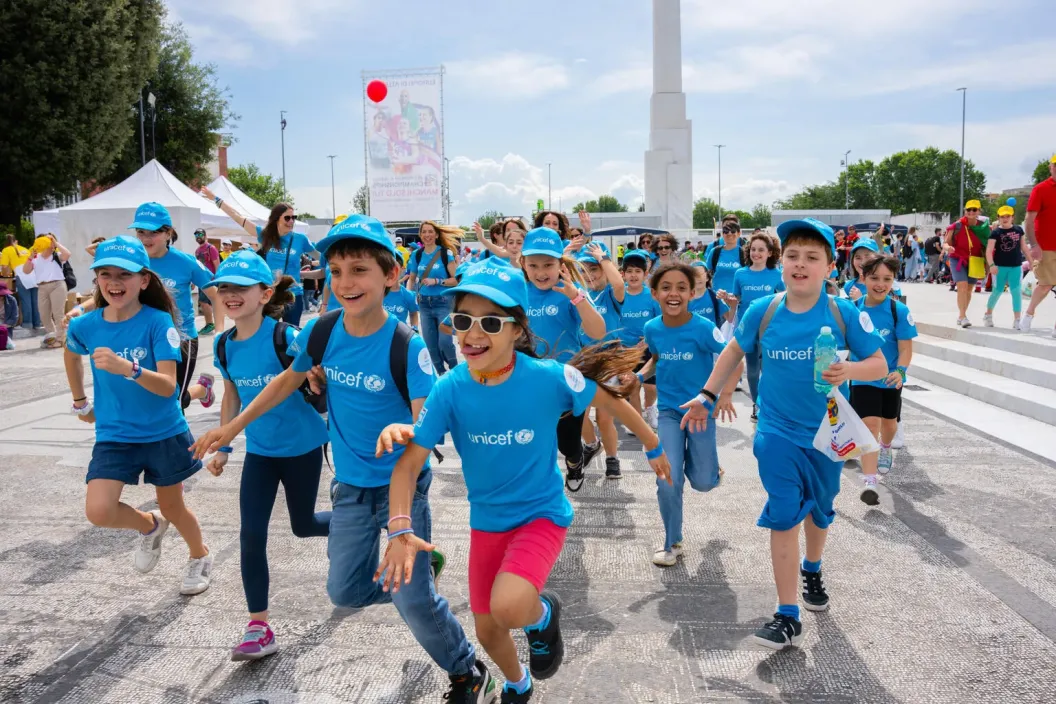
Discover how independent evaluation helps UNICEF improve policies, programmes, and results for every child.
Who we are
Evaluation at UNICEF works across headquarters, regional and country offices, and with partners around the world to generate independent evidence that strengthens decision-making and improves results for children.
Guided by the UNICEF Evaluation Policy, this work is carried out by the independent Evaluation Office and colleagues responsible for evaluation across headquarters, regional and country offices, in collaboration with partners worldwide.
All UNICEF evaluation reports are publicly available, reinforcing transparency and contributing to the global evidence base.
What we do
UNICEF conducts a diverse portfolio of evaluations to understand what works, for whom, under what circumstances and why. Evaluations examine results and the factors that shape them. Their findings, lessons and recommendations help improve policies, programmes and organizational performance.
Within UNICEF, the evaluation function strengthens evaluation capacity and promotes learning across the organization. It also works with governments and partners to strengthen national evaluation systems and promote the use of evidence in child-focused policies and programmes.
In collaboration with partners across the United Nations system and beyond, UNICEF contributes to joint evaluations, evidence syntheses and methodological innovation. This work strengthens evaluation practice and helps address shared global challenges.