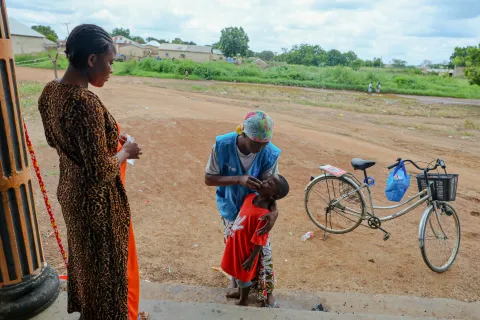
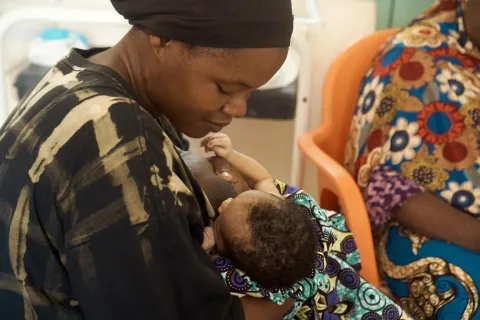
In the month of June, I spent two days in Gurumanchagyili, a community in the Tolon district of Ghana’s Northern Region, in my role as the Planning, Monitoring & Evaluation Manager at UNICEF Ghana and the country lead for the impact evaluation of the PASS (Promoting Adolescent Safe Spaces) programme. It was a chance to connect with the people who collect the data, the families they engage, and the realities that shape the project. That visit reminded me how field monitoring is not just about quality control; it is about relationship, context, respect and ensuring that data genuinely reflects lives behind the numbers.


Why evaluating PASS matters
PASS is a holistic effort led by UNICEF in Ghana to promote adolescent empowerment, community engagement, and service linkages with the aim of ending child marriage. Since 2019, PASS has reached more than 200 communities across Ghana. Measuring the programme’s impact requires careful research and evaluation so that decisions are grounded in evidence. High-quality data allows teams to identify who is most vulnerable, measure whether interventions are working, and target resources where they will do the best.


Getting out of the office: what being in Gurumanchagyili taught me
Working in an office, far from villages and towns, is useful but it can be complemented by stepping into the field. Traveling to Gurumanchagyili gave me the chance to see the everyday conditions that shape how data collection happens. It allowed me to watch enumerators as they navigated weather, school schedules, and family life to complete surveys.
One vivid memory from the visit: a sudden thunderstorm that paused fieldwork for an hour. Watching the team wait out the rain, I realized how many logistical and environmental factors influence timelines. Delays are not just administrative headaches; they reflect the real constraints faced by people doing the work. Seeing an enumerator like Dominic persevere despite the rain deepened my respect for field teams and reminded me that timelines and targets must be realistic and grounded in the places we study.


Ethics and protection when collecting data with children and adolescents
When involving children and adolescents in research, ethics must come first. Their participation requires informed consent, privacy protections, and safeguards against harm. This means using clear explanations, protecting personal data, and training enumerators to recognize distress or disclosures of abuse but more importantly, flagging these to the appropriate government channels to redress. Interviews with adolescents should be conducted privately and safely, with caregivers informed. While digital tools outline these steps, in-person monitoring reveals whether these protocols are genuinely followed and helps improve practice.
During visit, I saw the value of observing these protocols in person. Digital checklists and training materials can tell you what should happen, but in-person visits reveal whether consent is truly informed, whether interviews are private, and whether respondents feel comfortable. These observations help improve practice, not just compliance.
Data collection is a social process where enumerators build trust and rapport, not just collect answers. Community cooperation depends on respectful interactions, clear communication, and honouring commitments. In Gurumanchagyili, the community’s warm welcome highlighted the importance of relationships. Researchers must listen well, keep local leaders informed, and treat enumerators as partners whose feedback improves the process.


Reflections
In Gurumanchagyili, I learned that the true measure of research lies not in survey numbers, but in the care and integrity behind each step. By supporting enumerators, building trust with communities, and upholding strict ethical standards—especially for children and adolescents—we ensure our work is both accurate and respectful. Field presence reminds us that every statistic represents a real story. These lessons urge us to make research ever more inclusive, ethical, and connected to the lives it seeks to illuminate.
The PASS (Promoting Adolescent Safe Spaces programme) impact evaluation is being conducted in partnership with the Global Programme to End Child Marriage, UNICEF's Evaluation Office and the University of Ghana through the Impact Catalyst Fund.