Why we must think about foundational learning well beyond the early grades and basic schools?
By Christin McConnell - Chief of Education
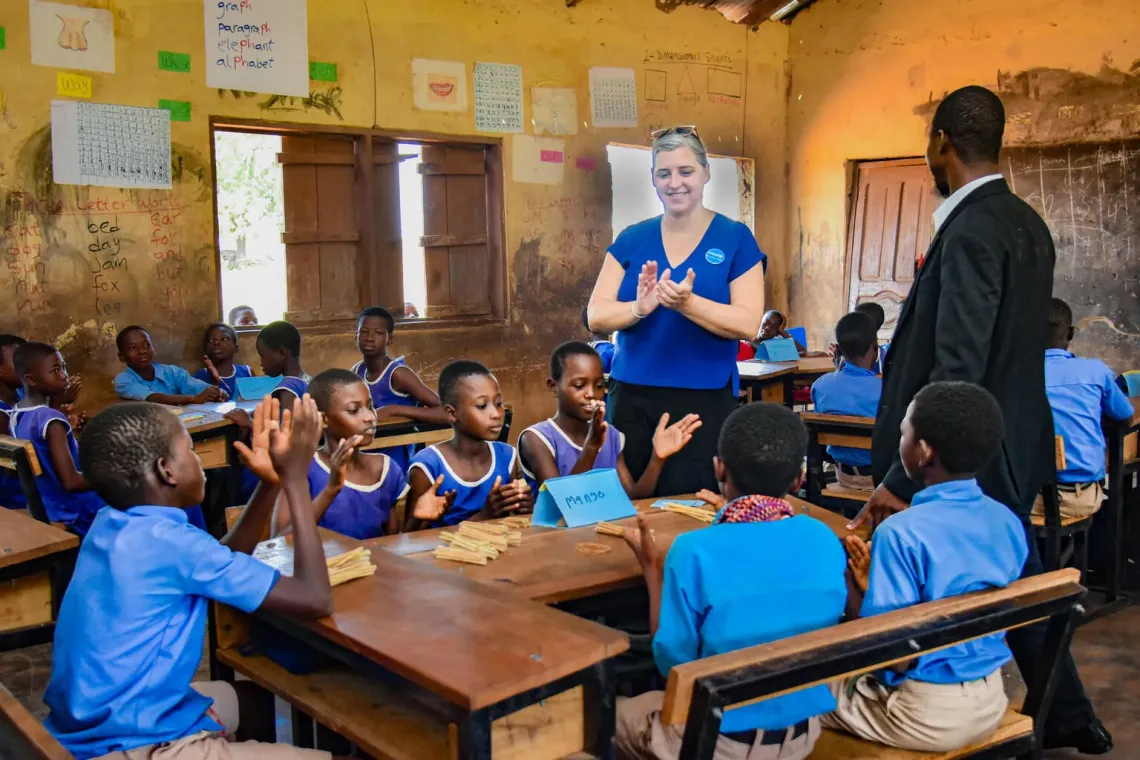
Ghana has rightly elevated foundational learning, basic literacy, numeracy, and writing as a national priority. It anchors Ghana’s Partnership Compact and has featured prominently in education discourse under the new administration in 2025. But Ghana’s historical focus on foundational learning risks overlooking a harder truth: the need for these fundamental skills does not end when a child leaves primary school.
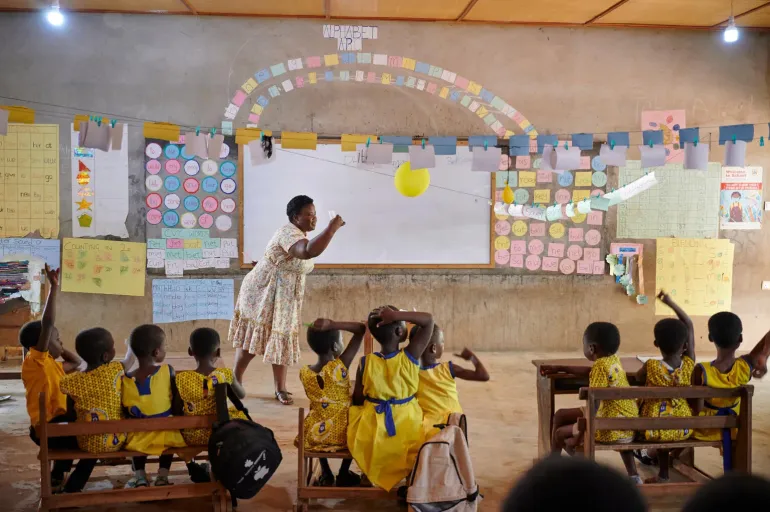
Recent results from Ghana’s Differentiated Learning Plus (DL+) programme show what is possible when targeted instruction, structured pedagogy, and play-based learning are implemented at scale in primary schools. As DL+ prepares for nationwide rollout in all public primary schools, it offers a powerful model for strengthening early foundations. Yet many children and youth have already progressed through large parts of the education system without these skills and are now largely invisible in existing reform efforts.
During my recent visits to secondary schools in rural districts, principals described a quiet but growing crisis. In one SHS, the principal estimated that nearly half of incoming students could not read. In another senior technical school, leadership reported that most new students struggled with basic literacy. Teachers are expected to respond, but few at this level have been trained to teach foundational skills, and stigma often prevents students from seeking help. This challenge is now gaining national attention, as weak foundational skills are increasingly cited as a driver of poor West African Senior School Certificate Examination WASSCE outcomes.
Looking ahead to 2026, a key priority must be building stronger evidence on the scale of this challenge and exploring practical solutions drawing on Ghana-specific materials from DL+, complementary basic education, and emerging technologies to support remedial learning at Junior High School, Senior High School, Technical and Vocational Education and Training (TVET), as well as for out-of-school youth.
Invisible Children, Uncertain Numbers: Are all out-of-school children visible?
By Christopher Nkrumah - Education Specialist
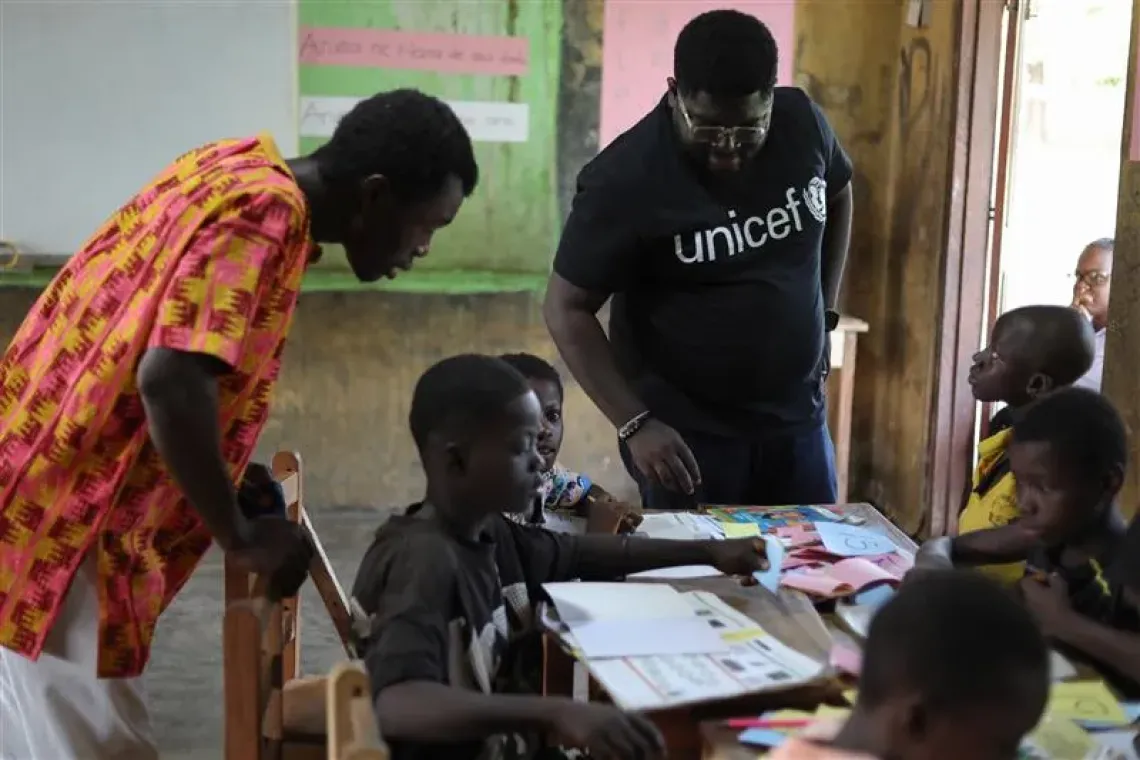
In late 2025, a field visit to the Bono East and Ashanti Regions took me into conversations with stakeholders implementing Ghana’s Complementary Basic Education (CBE) Programme—a nine-month accelerated literacy intervention for out-of-school children aged 8–14. What I observed was inspiring. What I heard, however, was deeply unsettling.
When CBE works well, it is impactful. In a recent UNICEF-supported programme, 97 percent of learners completed the course, and 80 percent successfully transitioned back into formal education. Even more promising, CBE is undergoing a curriculum reform to strengthen phonics-based instruction in local languages to further accelerate literacy gains.
It led me to an uncomfortable question: if we know what works, why is it still so hard to plan at scale?
The answer lies in uncertainty: how many out-of-school children are there, and where are they? Estimates range from hundreds of thousands to over one million. These discrepancies fundamentally shape how programmes are financed and targeted.
A recurring challenge emerged: data systems are fragmented. As one District Education Director put it: “If a child stops attending School A... how do we know where that child is?” Without a credible baseline, we risk missing the most marginalized. Visibility is the foundation of action.
Looking ahead to 2026, making out-of-school children visible must go hand in hand with scaling what works, through stronger community-level identification and harmonized data systems. Real-time, community-driven data can transform how Ghana responds. CBE shows us what is possible; better data will determine if we can deliver it at scale.
Why do we need more female STEM teachers and what difference would it make?
By Rhoda Enchil - Education Officer
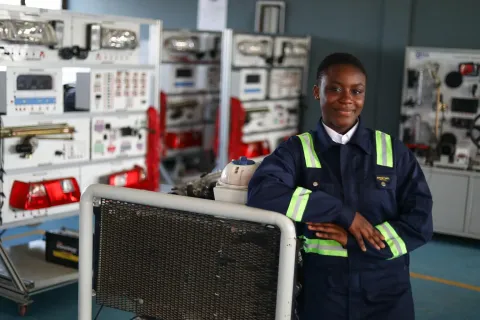
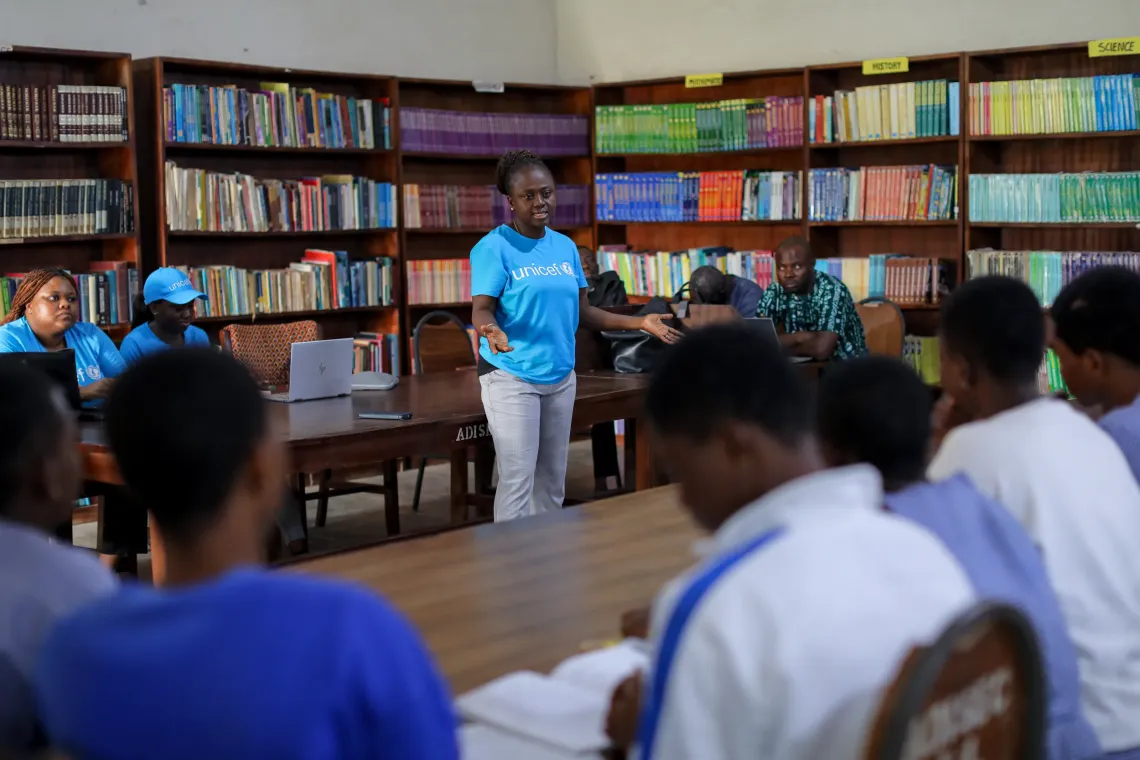
Investing in female STEM teachers is one of the most practical and impactful ways to improve girls’ learning experiences and aspirations. If we want girls in Ghana to believe they belong in Science, Technology, Engineering and Mathematics (STEM), they must be able to see it—every day—in their classrooms.
In Ghana, women account for only about 26 per cent of secondary school teachers, meaning there are fewer opportunities for girls to be taught STEM subjects by women role models. This gap has real implications for how girls perceive themselves and their future possibilities in STEM.
During my field missions to schools across Ghana, I often take time to visit Junior High School classrooms and engage learners—especially girls—on career choices in STEM fields. I usually ask a simple question: “How many of you would like to become doctors, engineers, or scientists?” Often, no girl raises her hand, while many boys do. This pattern raises an important question for me: why are girls not aspiring to STEM careers? My sentiments are re-echoed in a recent blog by Grace Akua Gyan Darkwa, Breaking Barriers: Girls in TVET and STEM Are Shaping Ghana’s Future | UNICEF Ghana, which highlights how female role models can change the narrative for many more girls in choosing STEM career pathways.
Through my work across the breadth and length of the country, I have come to understand that girls’ career choices are shaped by multiple, intersecting factors, including social norms, fear of failure, limited career guidance, and economic barriers. But one factor stands out repeatedly—the absence of visible female STEM teachers.
When girls see women confidently teaching mathematics, science, or ICT, it challenges stereotypes and expands their aspirations. It signals that women belong in these spaces and can succeed in them. Recent efforts to strengthen gender-responsive pedagogy, particularly through training Junior High School teachers, are an important step, helping all teachers better support girls’ engagement and confidence in STEM subjects. In a recent blog, UNICEF Ghana showcases how investment in professional development for teachers in gender-responsive methodology can enrich the learning experience in STEM programmes for girls.
Looking ahead, Ghana needs to step up efforts to strengthen the recruitment and training of women into STEM teaching pathways, establish targeted teacher support and retention strategies (especially for postings in underserved areas), promote gender-responsive teaching approaches, and ensure the visibility of female role models in schools.
This is not just about representation; it is about learning outcomes, retention, and future pathways.
Improving Classroom Practice: How to Transform Teacher Professional Development in Ghana
By Foli Bright - Education Research Consultant - UNICEF Innocenti
Strengthening teachers’ instructional practice remains one of the most powerful levers for improving learning outcomes. Yet, despite substantial investments in training thousands of teachers each year in Ghana, gaps in the quality and effectiveness of professional development persist, with inconsistent influence on classroom practice.
The cost of this gap is becoming harder to ignore. The grim 2025 WASSCE results show that outright failure rates (Grade F9) in some core subjects have more than quadrupled, highlighting persistent weaknesses in foundational learning. These outcomes echo long-standing concerns in Ghana’s Education Strategic Plan (2018–2030), which identifies gaps in teacher training, support, and capacity-building as barriers to quality learning.
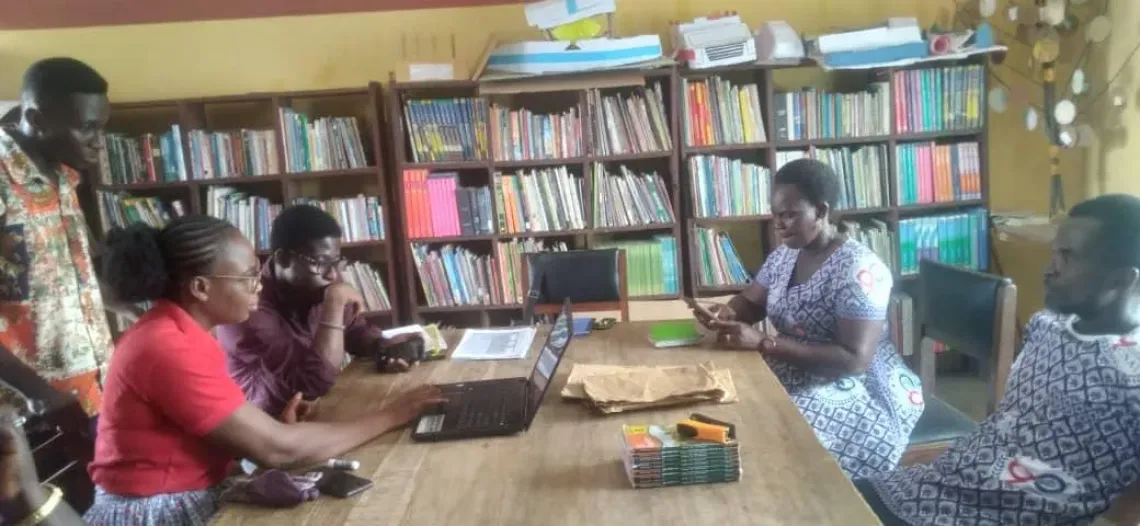
From recent school visits and teacher training workshops, a recurring challenge I’ve observed is rarely motivation—but rather the design of professional development itself. Too often, training is treated as an event rather than a continuous, school-embedded process. Yet evidence consistently shows that professional development is most effective when it is sustained, school-based, and reinforced through collaboration, coaching, and instructional leadership. Findings from Data Must Speak research reinforce this: high-performing schools aren’t necessarily those with the most workshops, but those where teachers receive regular classroom observations, tailored feedback, and opportunities to plan, reflect, and learn together under supportive leadership.
Professional development should be measured by changes in classroom practice guided by self-reflection and student learning, not by the number of workshops attended, and designed for the realities teachers face every day, including large class sizes, multilingual learners, and limited resources. This also requires practical, accessible tools—such as visual guides, lesson exemplars, and short practice demonstrations—to help teachers translate evidence into action, a focus of the current phase of the Data Must Speak research in Ghana.
If we want genuine improvements in classroom practice and, in turn, learning outcomes in 2026 and beyond, professional development must move closer to the classroom—embedded in daily practice, supported by school leaders, and focused on instructional change over workshop participation.
What if Ghana’s biggest resource isn't technology, but its youth?
By Joseph Wei Du - Education Specialist - Skills and TVET Systems Strengthening
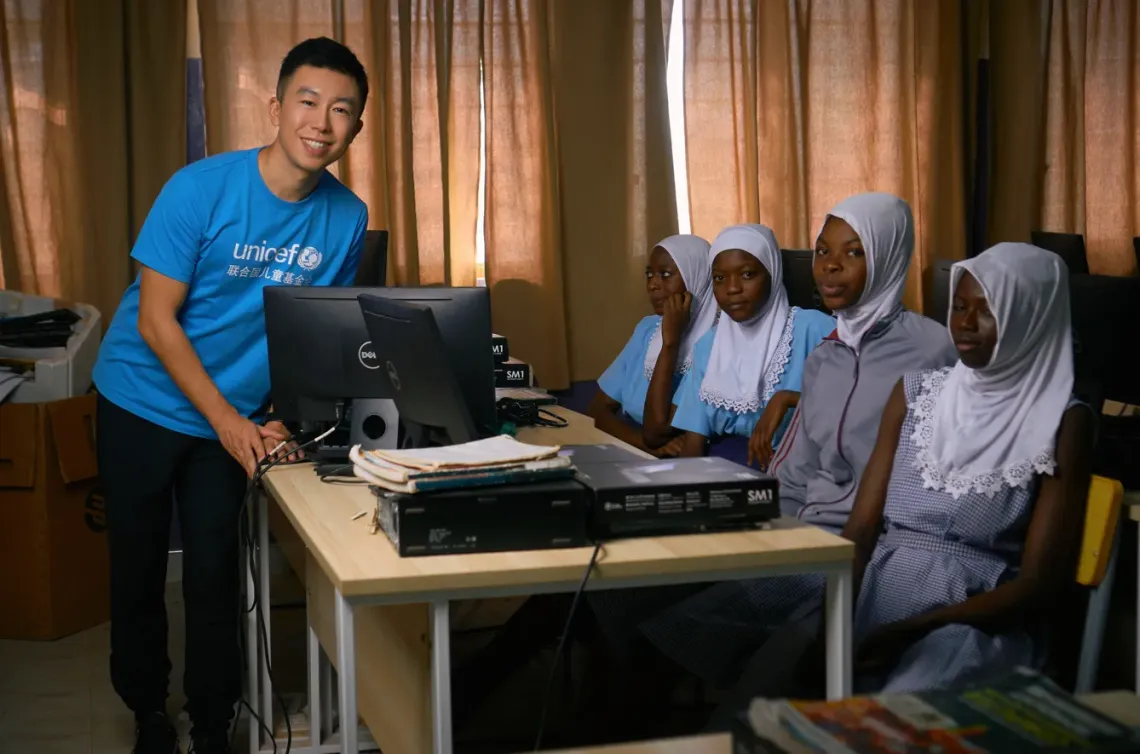
What stays with me from joining one StartUp Lab hackathon isn't just the youthful energy, but a pointed question from a participant: “We learned to code, but how do we learn to solve our problems with it to create work?” This hits the core tension for 2026.
UNICEF’s work with young people spans multiple pathways: the StartUp Lab, which supports early-stage youth-led innovations; YOMA, a global digital platform connecting young people to skills training, mentorship, and employment opportunities; and Ghana’s Technical and Vocational Education and Training (TVET) system, which prepares youth for practical trades and emerging industries. Collectively, these efforts have helped ignite digital ambition among thousands of Ghanaian youth. The forward-looking question is how we convert this ambition into tangible job opportunities and entrepreneurship.
The digital infrastructure gaps are real, but I'm inspired by solutions emerging from within these very programs. We see youth leveraging these platforms not just to learn, but to access freelance gigs, launch micro-enterprises through Start-up Lab, and apply tech to local trades in our TVET programs. This is where our focus must intensify: to foster a problem-solver and social impact mindset.
My key insight is that our role is evolving from primarily providing digital access to strategically cultivating pathways to employment. This means influencing our TVET partners to ensure digital skills are directly applied in growing sectors like agri-tech, construction tech, and digital services. It means facilitating connections where a YOMA graduate’s new skill directly fuels an income-generating venture. For 2026, success will mean closing the loop between talent, innovation, and economic opportunity, so that the digital gap we bridge directly unlocks the jobs Ghana's youth need.
Are we preparing young people for jobs that don’t yet exist?
By Grace Akua Gyan-Darkwa - Adolescent and Youth Participation Officer
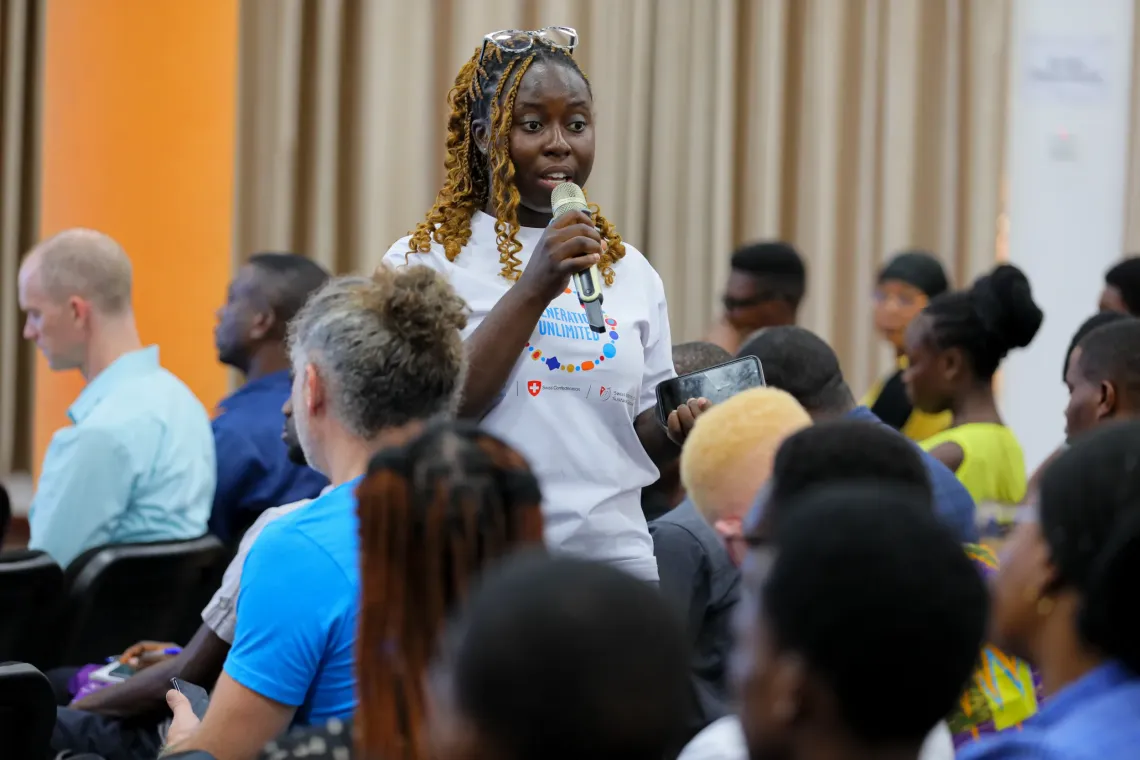
A critical question is whether our education, skills, and labour market systems are connected enough to prepare youth for future jobs. At the heart of this challenge is skills anticipation, the ability to understand what skills the economy will likely need and using that data to guide training.
In Ghana, skills anticipation data is limited and rarely reaches schools or Technical and Vocational Education and Training (TVET) institutions in time to inform decisions. Many young people are navigating fragmented information about emerging sectors and viable pathways. As a result, they make critical career choices without clear, up-to-date guidance.
UNICEF’s youth programming aims to address these gaps through Youth Engagement Centres, providing mentorship and exposure to emerging sectors. However, these efforts underscore the need for stronger system-wide alignment.
The priority for 2026 is building bridges between data, policy, and delivery. Skills anticipation must meaningfully inform curricula and career guidance. If we want youth skills programmes to be future-facing, we must invest in adaptive systems that continuously listen to both labour markets and young people. Young people in Ghana are ready; we need systems that are ready to guide them.
Can we give innovation a chance? Outside-the-box thinking for inside-the-system challenges
By Muhammad Abid Azam - Entrepreneurship, Innovation & Digital Public Goods Specialist
Some challenges persist because systems aren't designed to adapt at the pace of modern change. Outside-the-box thinking is most powerful when applied from within formal systems.
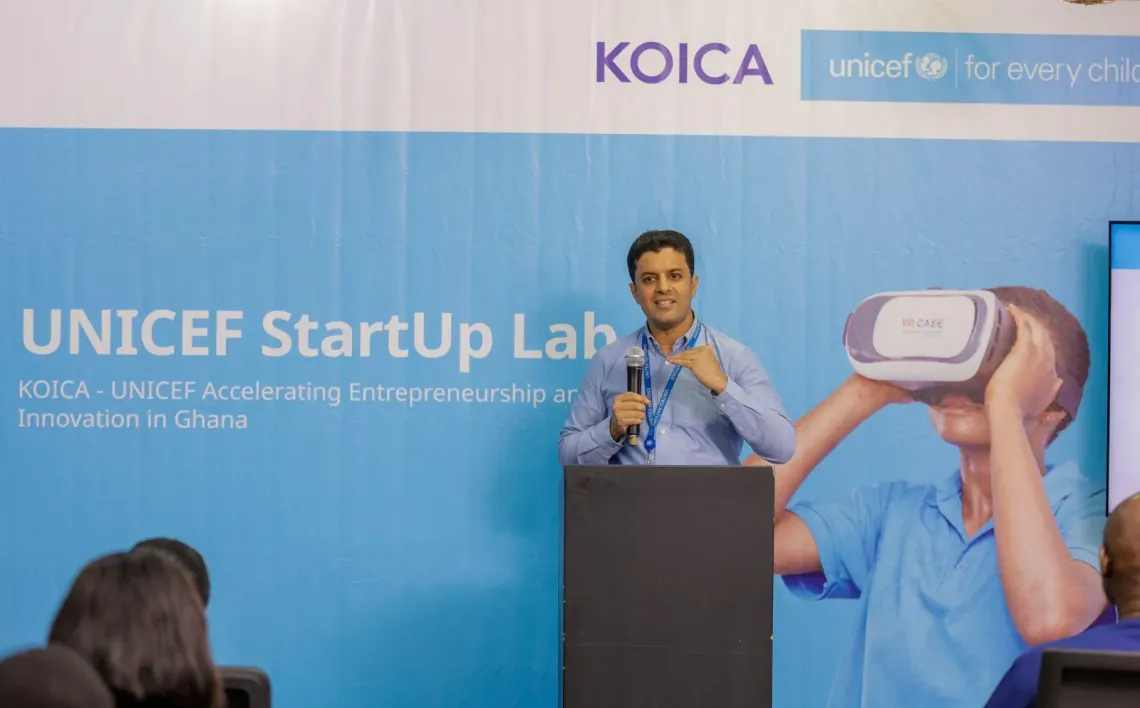
Since 2019, the UNICEF’s StartUp Lab has supported over 100 tech-enabled startups. It bridges the gap between local innovators and public-sector challenges. When innovation is problem-led and grounded in local reality, it can structurally strengthen education and social services.
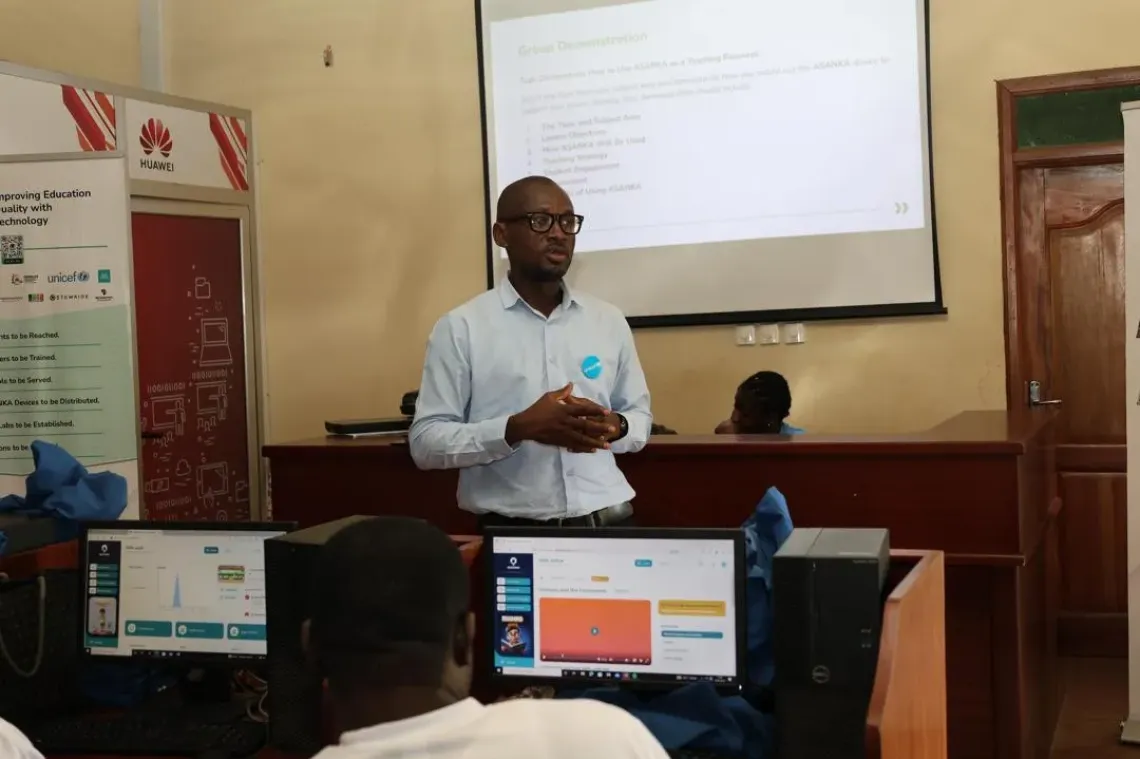
Recent examples prove what is possible. DEXT Technology developed the "STEM Box" a portable laboratory kit allowing science experiments in schools without formal labs. Its national uptake shows how Ghanaian-built solutions scale when innovation meets the system. Similarly, TECHAiDE’s ASANKA platform has transformed digital learning in rural schools. By equipping teachers with digital skills and offline learning devices, it enables tens of thousands of students to access curriculum-aligned content without reliable connectivity.
The question for 2026 is how we design education systems that are structurally open to innovation. We need clearer pathways for testing ideas, faster feedback loops, and processes that allow pilot evidence to inform national policy.
Moving beyond "one-off" endorsements, we must give systems permission to think, test, and learn. Giving innovation a chance, from within, may be one of the most practical reforms we can make for Ghana’s future.
Will AI speak to Ghana’s classrooms or only English?
By Eric Balangtaa - Education Officer
Artificial intelligence (AI) is already entering Ghana’s classrooms. The real question for 2026 is whether it will be rooted in local context and pedagogy.
In discussions with teacher trainees, I heard both excitement and unease. Many use tools like ChatGPT to generate lesson ideas, yet they worry that AI rarely reflects Ghanaian curricula or cultural contexts. Most tools operate only in English. One trainee feared it might detract from the human connection, the very reason they became teachers.
This challenge is worsened by linguistic diversity. While policy emphasizes mother-tongue instruction, most AI tools support only a fraction of Ghana’s 80+ spoken languages. If designed well, AI could bridge access gaps; if done poorly, it could worsen existing inequalities.
UNICEF, through the Global Partnership for Education (GPE) Tech4Ed initiative, is exploring how technology can better support teachers through evidence generation and sharing best practices. As Ghana prepares to host eLearning Africa in June 2026, the conversation takes on added urgency. We must ensure AI helps teachers personalize learning without losing the human heart of education.