Today, December 10th, isn't just another date; it’s Human Rights Day. It’s a moment to pause and deeply reflect on the fact that every single person, especially every child, deserves safety, dignity, and a life free from harm. As the 16 Days of Activism against Gender-Based Violence draw to a close, we have a difficult truth to face: violence against children remains a quiet, pervasive crisis right here in Ghana.
The numbers are difficult to read, but we must look at them, because they represent the lives of our sons and daughters.
The True Cost of a Childhood Denied
Children across Ghana, both girls and boys are living through a distressing reality, facing everything from physical and psychological abuse to the growing shadow of online exploitation. This isn't just about bruises; it’s a deep violation of their human rights and a silent threat to the hope of our nation.
Pervasive Physical Punishment: Can you imagine that a staggering 94 percent of children aged 1-14 in Ghana experience some form of physical punishment or psychological aggression from the very people meant to care for them?
Sexual Violence: Over 1 in 10 teenage girls (aged 15-19) report having suffered at least one act of sexual violence.
The internet, while a gateway to knowledge, is also becoming a dangerous playground. In 2024, we saw 23,626 cyber tip line reports linked to child sexual abuse materials accessed or shared from Ghana, a shocking leap from just 750 in 2016.
This pain doesn't end when a child grows up. It follows them, shaping their behaviour, mental health, and physical well-being. And the cost isn't just personal; it's national. Consider this: households across Ghana lose nearly US$286 million annually in income because of time missed from paid work due to violence against women and girls.
There’s also a painful link within the home: new UNICEF data shows that 32 percent of children in Sub-Saharan Africa live with a mother who has experienced partner violence. When a mother's rights and safety are undermined, a child's sense of security, health, and learning is instantly compromised. This exposure cruelly heightens their risk of falling into the same cycles of violence later in life.
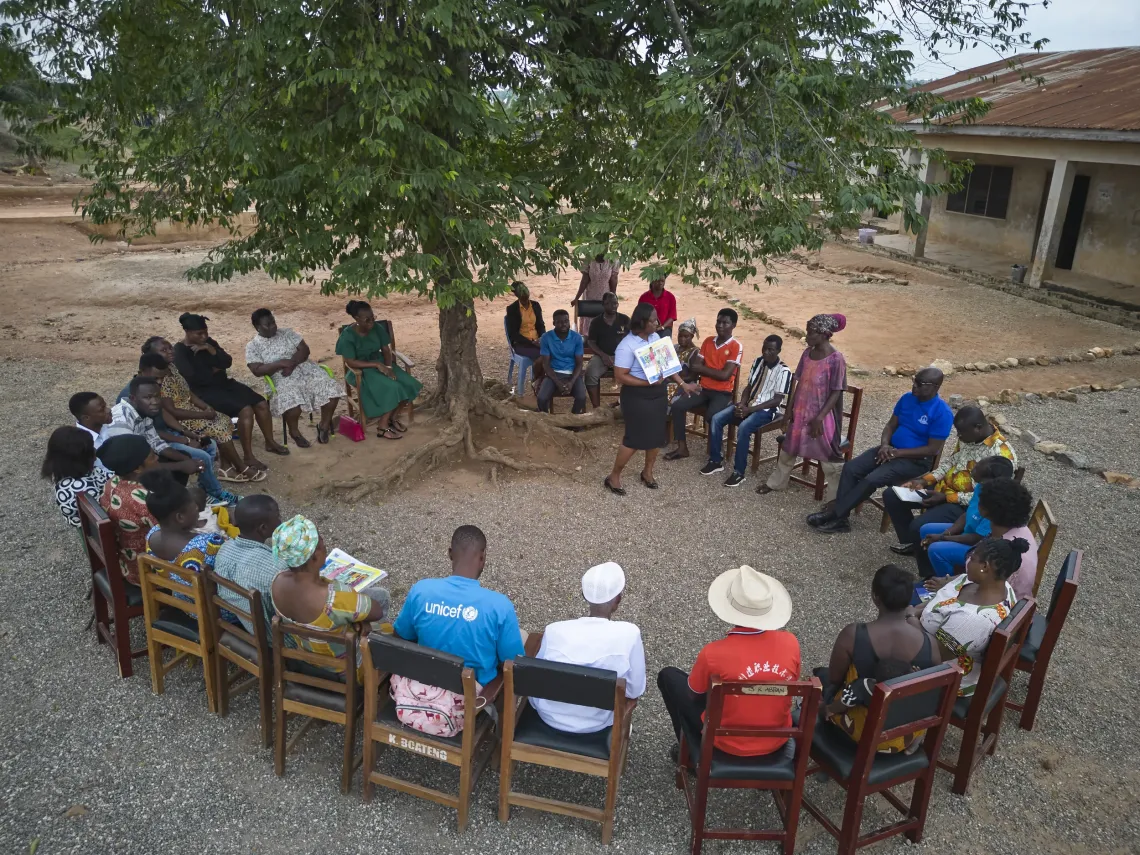
Building a Protective Web: A Holistic Approach
To tackle this complex problem, UNICEF Ghana Child Protection Team isn't just treating the symptoms; we are working to strengthen the entire system that is meant to protect our children. It's a system-strengthening approach that aims for a response that is whole and interconnected.
Our work is focused on two critical steps that tackle the problem before it touches a child:
- Bringing Help Closer to Home (Integrated Social Service - ISS): We're partnering with government bodies to make sure essential social services are delivered right in the local districts, not just in the capital. The ISS approach brings together social and child protection, health, education, justice, and social welfare to provide coordinated care and referrals for vulnerable children. Since 2020, this has positively impacted the lives of 346,248 people, including 200,000 children, and has now been scaled up across 210 districts.
- Fighting for the Law: We are providing evidence and support for the amendment of the Children’s Act and Juvenile Justice Act. Our goal is clear: to achieve a full ban on corporal punishment in all settings. This advocacy is crucial for ensuring that the highest standard of legal protection is a human right for every Ghanaian child.
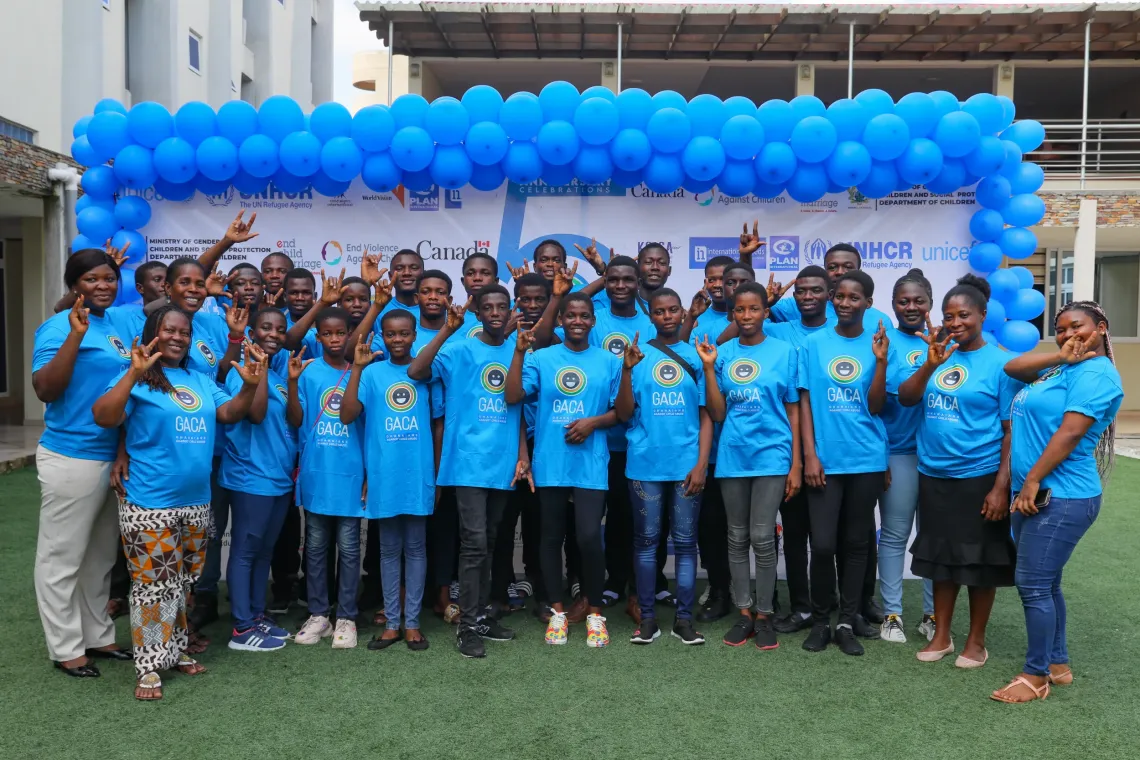
Changing Hearts, Changing Homes: Community-Led Prevention
We know that ending violence means changing the deep-seated attitudes and norms that allow corporal punishment and abuse to persist. Here are some of the strategies we apply to achieve this.
- GACA: Ghana Against Child Abuse: We support the Ministry of Gender, Children and Social Protection (MoGCSP) in running the Ghanaians Against Child Abuse (GACA) campaign. This social drive has reached 8 million people through media and community dialogues, promoting non-violent discipline and shifting behaviours for the better.
- National Parenting Strategy: We are helping to develop a National Parenting Strategy based on solid evidence. This strategy will ensure that all parents and caregivers have access to the support they need to raise their children in safe, loving, and non-violent environments. It’s a collaborative initiative to seamlessly integrate parenting support into existing services and platforms.
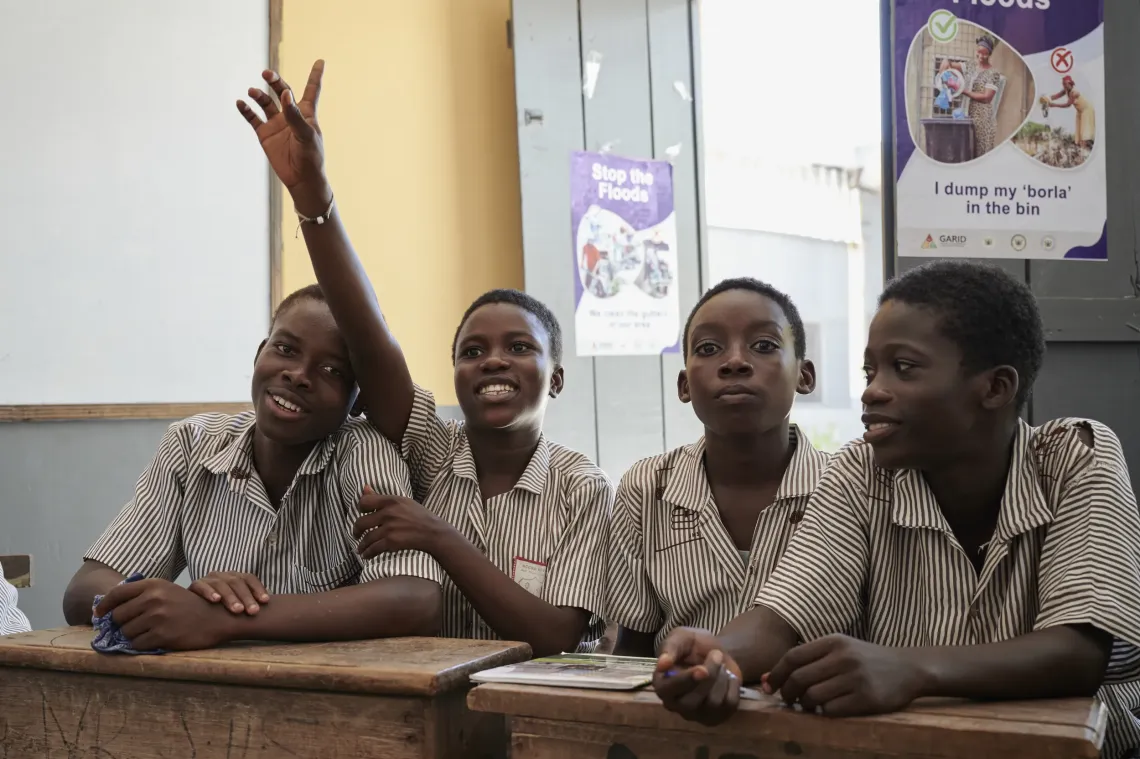
Safe Havens: Protecting Children in Schools
Every child has the human right to feel safe when they go to school. Through the 'Safe Schools Programme,' the Ministry of Education (MoE), with UNICEF's support, is transforming the school environment.
Key steps include:
- Policy & Discipline: Implementing a Safe School Policy and aggressively disseminating the ban on corporal punishment, clearly outlined in the code of conduct for both teachers and students.
- Empowering Teachers and Students: Rolling out the Safe School Resource Pack which has already trained over 6,000 teachers and empowered 87,000 students since 2021 on positive discipline and effective classroom management.
- Student Advocates: Crucially, we are empowering students to be the voice of change—to become peer-to-peer advocates against bullying, creating a culture of respect and support among themselves.
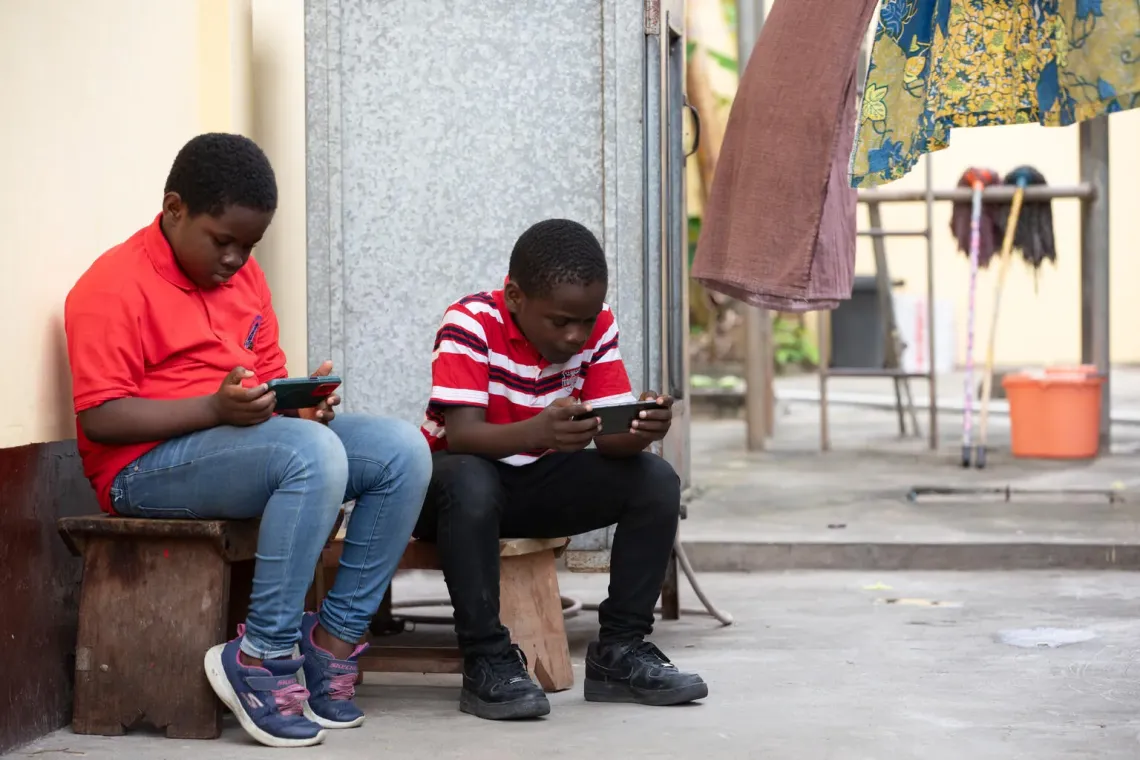
Safety in the Online World
As more Ghanaians connect to the internet, we must be proactive about online safety. We are trying to achieve this by working with the Cyber Security Authority (CSA) on child online protection guidelines for the private sector. We also supported the establishment and operation of the Ghana Police Service’s first-ever Child Protection Digital Forensic Lab to fight online abuse.
Moreover, the Ghana Education Service, with our support, developed the Digital Literacy Package, equipping 1,700 teachers with the skills to teach children and parents how to navigate the online world safely, whether they are in Accra or a rural community.
We can only fight what we can see. To reach every child, especially the most vulnerable those with disabilities or in marginalized areas we need accurate, detailed data.
We collaborate with partners like MoGCSP to manage this through the Social Welfare Information Management System (SWIMS).
- Real Cases, Real Time: SWIMS is a web-based system that has recorded over 52,000 cases of protection concerns, including violence.
- Driving Accountability: This data isn't just filed away; it's used as a district performance indicator to enhance accountability on children receiving the required support, inform the development of social service workforce, and ensure our programmes are planned and funded based on real needs.
Investing in Tomorrow
Our biggest challenge is not lack of commitment, but sustained resource mobilisation. Ghana has the policies, the Integrated Social Service, the National Parenting Strategy, the Safe Schools Programme, but they need consistent, long-term funding to become permanent, reliable fixtures across all 261 districts.
Our critical priority for the next five years is to ensure these innovative, system-strengthening interventions are fully funded, sustained, and embedded as a core, non-negotiable government function, reaching every child.
We must continue to work together, government, partners, communities, and parents towards the common, human goal of ending violence against children in Ghana. On Human Rights Day, let us commit our resources and our hearts to protecting the rights and futures of every single Ghanaian child.
The essential work of protecting children in Ghana is a shared mission that cannot be accomplished alone. We extend our deepest gratitude to our generous donors and partners whose commitment makes this vital change possible. Canada, Safe Online, Switzerland (SWISSCO/SECO), Global Programme to End Child Marriage (Canada, Netherlands, Norway, UK, Italy and Zonta International), FCDO and UNICEF National Committees of Switzerland, UK and Japan
Your support for the Child Protection Programme fuels our advocacy, strengthens our systems, and allows us to reach the most vulnerable children and families across the country. Thank you for standing with UNICEF Ghana.