Crisis in Haiti
Extreme violence, unrest, poverty, and malnutrition are threatening children in Haiti.

- English
- Français
Haiti is grappling with a ‘polycrisis’ as escalating armed violence, collapsing basic services, and recurring climate disasters push children to the brink. Despite the insecure and volatile environment, UNICEF is working with partners to step up efforts to protect families and provide life-saving support.
What’s happening? | Crisis snapshot | Recent updates | Impact on children | Latest appeal
How we’re responding | What we’re calling for | Situation updates
Donate to support UNICEF’s work for Haiti’s children
What’s happening in Haiti?
Even before the current crisis, Haiti was the Western Hemisphere’s poorest country, having experienced decades of inadequate basic services and a lack of human capital development, combined with extremely high inequality, marginalization and social exclusion.
These challenges have been compounded by the proliferation of armed groups who are terrorizing families as they fight for territory and control, mainly in the capital Port-au-Prince and its neighbouring Artibonite department, but also in other regions too. Armed groups have strangled major transport routes from the capital to the rest of the country, destroying livelihoods, starving essential services, and obstructing humanitarian assistance.


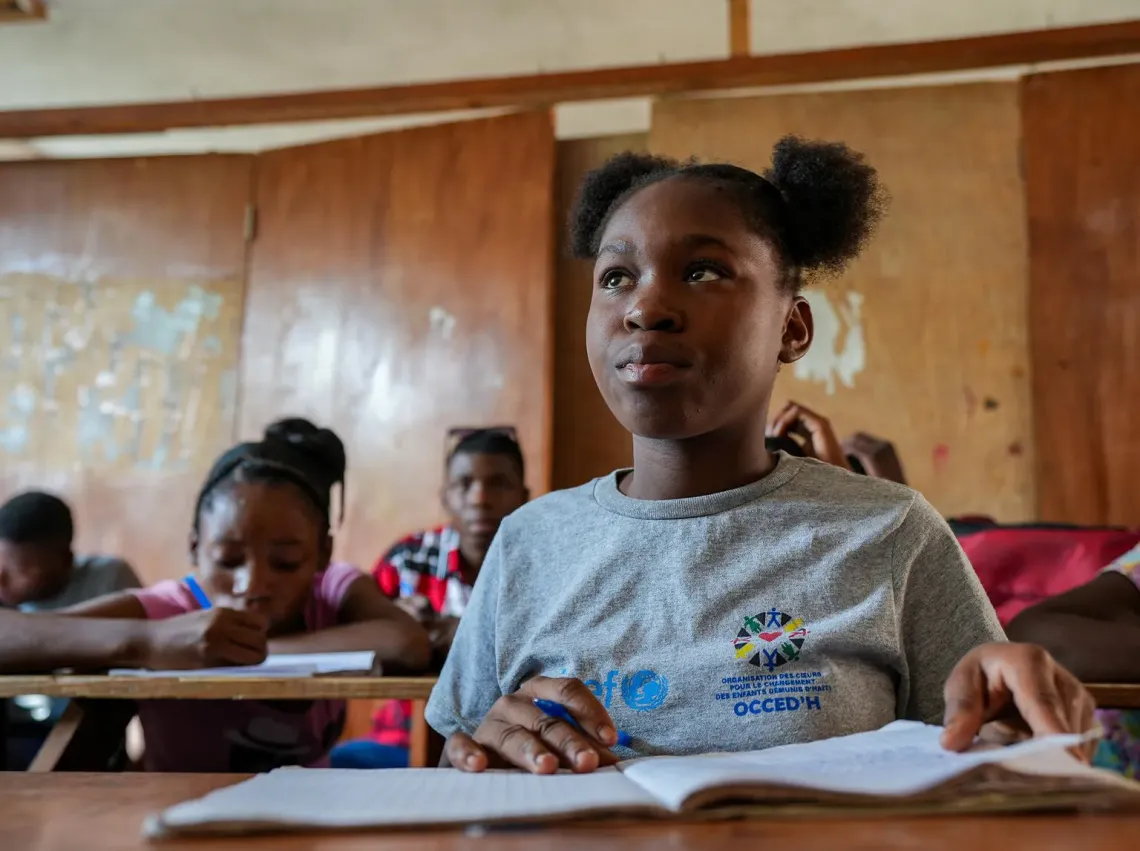

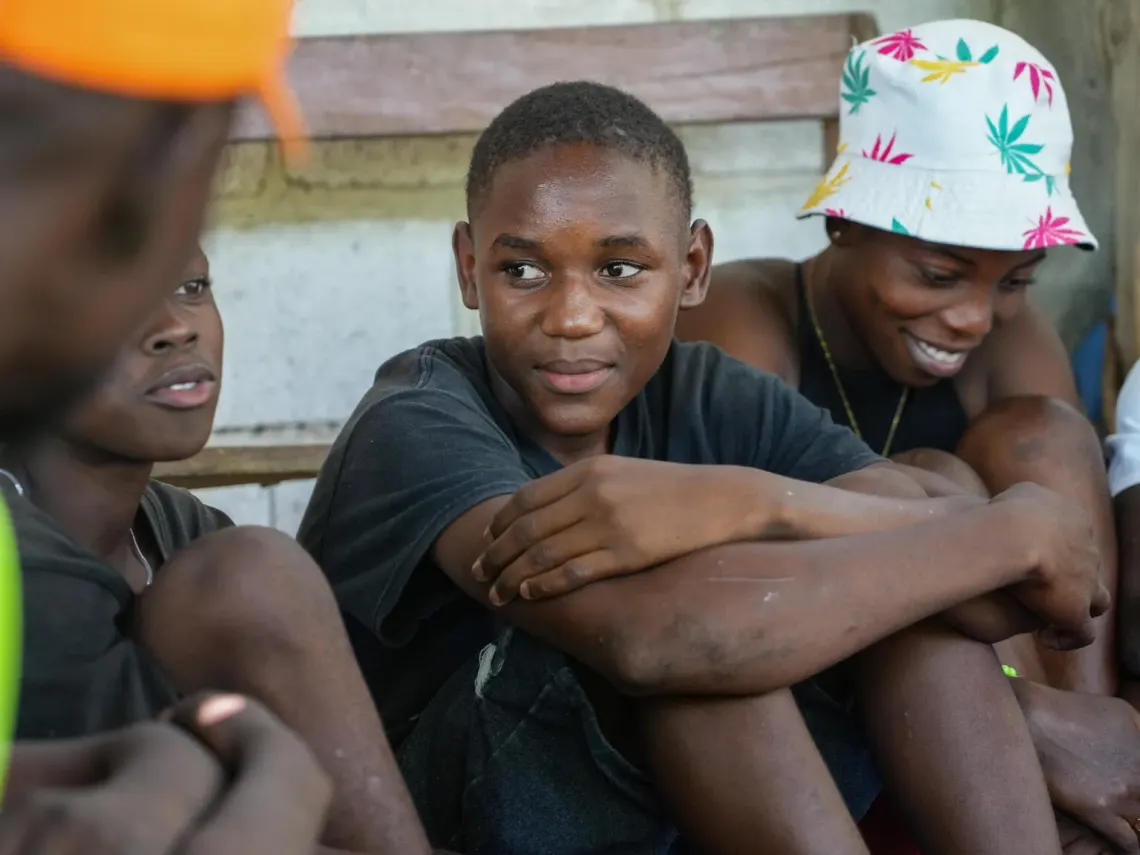
Vital health and social services are on the brink of collapse in many departments. Some health facilities are out of reach because of security constraints, leaving thousands of families and children without access to health care. Waves of displaced families seeking safety and security are creating additional pressure on local health services, which were barely able to cope with demand before the latest escalation of the crisis. Staff shortages are widespread. As armed clashes have continued, hundreds of schools follow intermittent periods of closure and re-opening. This, combined with attacks and looting on school premises and direct threats to teachers, continues to jeopardize learning for Haiti’s children.
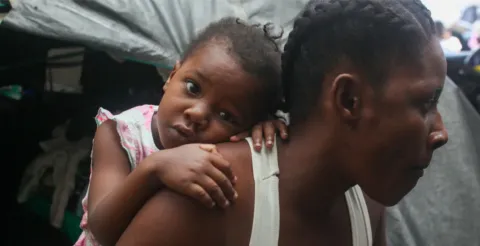
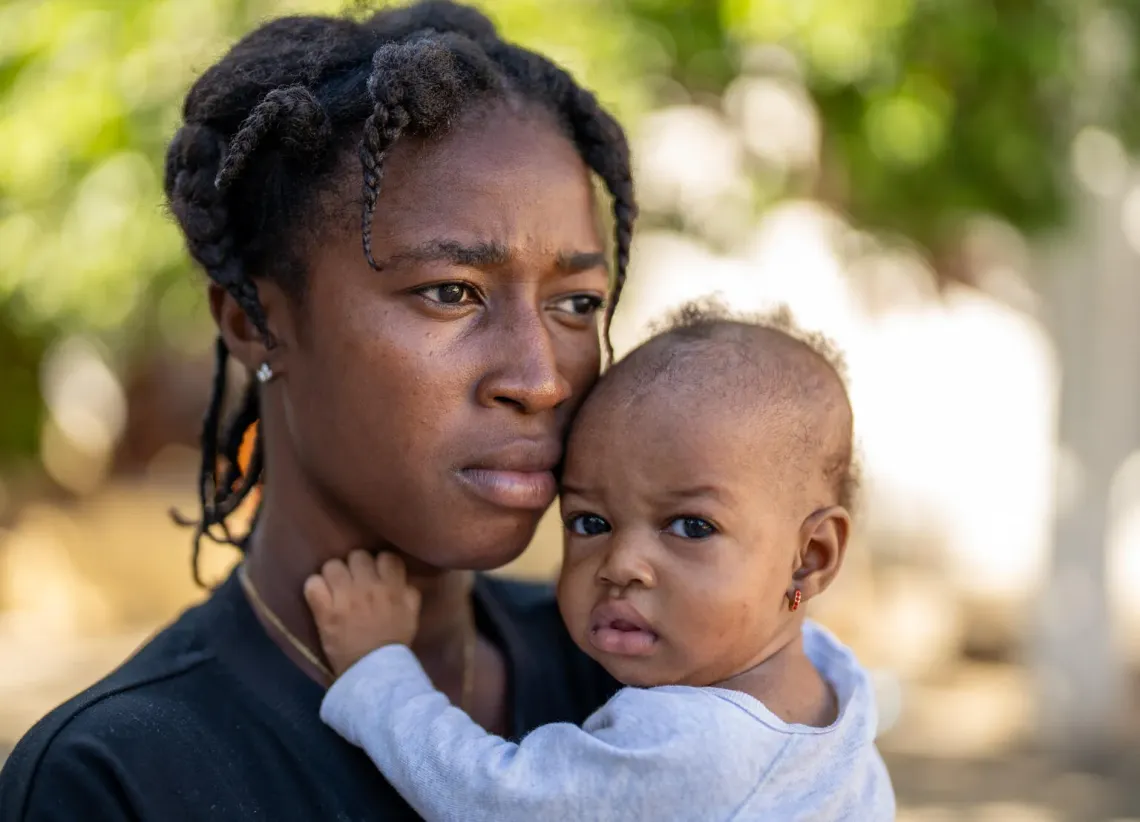
Meanwhile, close to 1.5 million people across the country – half of whom are children – had been internally displaced by the end of 2025 as families flee the ongoing violence.
Haiti crisis in numbers
Armed violence, displacement and collapsing services continue to endanger children in Haiti. By early June 2026:
- 2.8 million children in Haiti were in need of humanitarian assistance.
- 1.5 million people were displaced, around half of them children.
- Nearly 5.7 million people – over half of Haiti’s population – were experiencing or were expected to experience high levels of acute food insecurity.
More than 1,600 schools in Haiti had been reported closed during the 2024-2025 academic year, affecting 7,500 teachers and depriving more than 240,000 students of learning.
How is the crisis affecting children in Haiti?
Children and families are enduring relentless waves of brutal violence perpetrated by armed groups. Each day brings new horrors, the loss of loved ones, homes destroyed, and an ever-present shadow of fear. Children are being killed or injured on their way to school, while women and girls face extreme sexual violence.
The violence has had a devastating impact on the education system, which has been crippled by shootings, ransacking and looting as unrest spread. Children who are scared to go to school are at greater risk of social exclusion and gender-based violence. Many children are being coerced to join armed groups, pushed by pure desperation resulting from violence, poverty and the breakdown in the systems that should protect them. Children are frequently compelled to join armed groups either as a means of supporting their families, or due to threats against themselves or their families. Many children join groups after being separated from their families, as a means of survival and protection.
At the same time, hunger and life-threatening malnutrition are at record levels across the country, concentrated in the capital’s poorest, most insecure and congested neighbourhoods. More and more parents can no longer provide appropriate care and nutrition for their children and are unable to take them to health centres because of the surrounding violence.
How is UNICEF helping children in Haiti?

Despite the highly volatile environment, UNICEF is stepping up efforts to protect families and provide life-saving support, including for those who are trapped and cut off from essential services. Together with the Government and partners, UNICEF is helping to sustain national, regional, and – in the most insecure and hard-to-reach areas – neighbourhood systems and services that protect children and families. In addition, UNICEF has been delivering lifesaving vaccines and therapeutic food, as well as ensuring access to safe water, sanitation and hygiene.
As part of its response, UNICEF also prioritizes psychosocial support programmes for children and protection services for victims of gender-based violence, unaccompanied and separated children and those associated with armed groups.
For children living amidst civil unrest and urban violence, schools have always been more than places of learning: they provide a sense of normalcy, surrounded by the support of teachers and peers – and access to school meals. UNICEF is distributing school kits and using its communication channels at all levels to urge groups engaged in violence to refrain from any action that jeopardizes children’s right to an education. In addition, a nationwide cash transfer initiative is benefiting thousands of children by supporting families to enroll their children in school.
What UNICEF is calling for
UNICEF is actively engaged in advocacy to put an end to armed violence against children and communities. UNICEF calls on:
- All parties to prevent and end grave violations against children, including killing and maiming, the recruitment or use of children in armed groups, abductions, rape and other forms of sexual violence perpetrated against children.
- Armed groups to cease the violence, end attacks on schools and hospitals, immediately release any children from their ranks, and allow secure, unimpeded humanitarian access for humanitarian workers to safely reach communities in need.
- Security forces to prioritize the safety and protection of all children and ensure they are treated as children first and foremost, taking every measure to avoid further killing and injuring of children, including those recruited.
- The Government and partners to prioritize children's rights in every decision they make, including through investment in social services for children across sectors such as education, health for children and critical cash and social protection support for families.
Results for children in Haiti
In 2025, UNICEF and partners:
Donate to support UNICEF’s work for Haiti’s children
Page updated 5 August 2026