Over a quarter of a million children facing acute malnutrition in Haiti amid ongoing violence
UNICEF, FAO and WFP call for urgent action to prevent worsening child malnutrition across Haiti, with Cité Soleil and Cabaret projected to face Critical conditions between December 2026 and May 2027
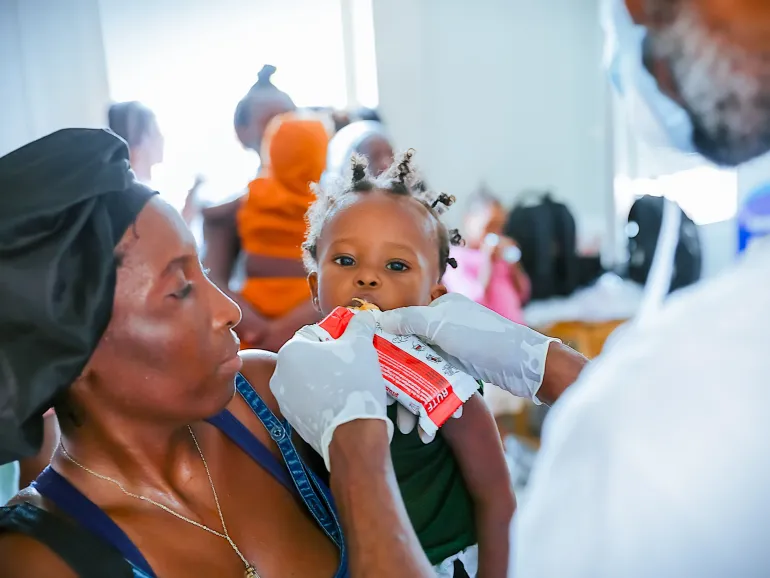
PORT-AU-PRINCE, 17 September 2026 – An estimated 253,725 children aged 6 to 59 months in Haiti are expected to suffer from acute malnutrition between June 2026 and May 2027, including nearly 94,000 with severe acute malnutrition while unrelenting violence by armed groups threatens to worsen conditions.
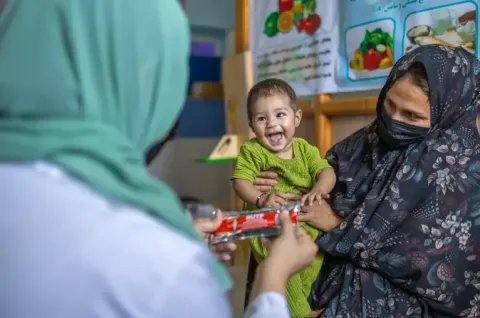
Severe acute malnutrition can become life-threatening without timely treatment. A further 159,852 children are expected to suffer from moderate acute malnutrition, while 25,750 pregnant and breastfeeding women will require nutritional support.
The analysis, led by Haiti’s Ministry of Public Health and Population (MSPP) with support from UNICEF, FAO, WFP, WHO and nutrition partners, shows where additional support is most urgently needed. The projected deterioration would increase demand for care across more communities, placing further pressure on services that many families already struggle to access.
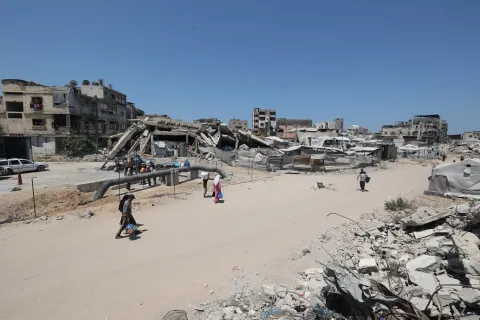
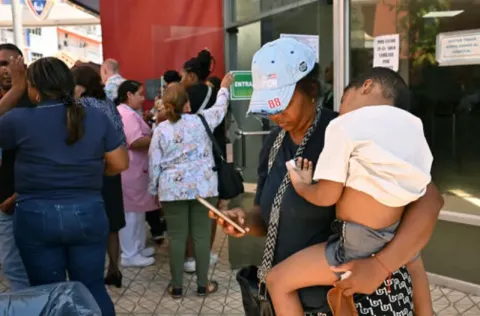
Escalating violence by armed groups is driving widespread displacement and disrupting children's access to food, healthcare for malnutrition, and essential help. Families continue to flee their homes in 2026, with approximately 1.47 million internally displaced persons in Haiti as of mid-May 2026.
Between December 2026 and May 2027, 29 municipalities out of 140 are projected to reach IPC Acute malnutrition phase 3, or serious levels of acute malnutrition, while Cité Soleil and Cabaret are expected to reach critical levels, or phase 4. This phase is the second-highest classification on the IPC acute malnutrition scale, signalling very high levels of acute malnutrition and an elevated risk of illness and death among affected children.
“Behind these figures are children whose lives can change when they receive the right care at the right time,” said UNICEF Representative to Haiti, Geeta Narayan. “The IPC helps us see where the needs are greatest. Now we must use that evidence to reach children earlier, prevent malnutrition and make sure no child is left without the support they need.”
“Preventing acute malnutrition requires us to act not only on its immediate consequences, but also on its underlying causes,” said Pierre Vauthier, FAO Representative in Haiti. “Families must be able to access and produce diverse, nutritious food. By protecting agricultural livelihoods and strengthening local food production, we can help vulnerable households meet their nutritional needs, withstand future shocks and reduce their dependence on humanitarian assistance.”’
“The rapid deterioration of the situation is a stark reminder that investing in malnutrition prevention is not a cost, but a strategic investment in Haiti’s future,’’ said WFP Representative to Haiti and Country Director, Lauren Landis. “Every dollar invested today in nutrition, health, school meals, and support to vulnerable families helps avert far greater human, social, and economic costs tomorrow. A well-nourished child is more likely to succeed in school, stay healthy, and contribute productively to their country’s development.”
With conditions projected to worsen between December 2026 and May 2027, UNICEF, FAO and WFP are calling on the Government of Haiti, Donors, civil society, international organizations and all partners working in the fields of health, nutrition, water and hygiene and food security for immediate action to expand treatment and prevent more children from becoming malnourished:
- Expand prevention and treatment, prioritising municipalities projected to deteriorate, with community screening, timely care, therapeutic food supplies and nutrition support for pregnant and breastfeeding women.
- Support for nutritious diets and essential services, combining maternal and child nutrition interventions with safe water, sanitation, health care and measures to protect household food production and livelihoods.
- Safe access and immediate, flexible funding, enabling families to reach care and government and all partners to deliver supplies, prepare for rising needs and sustain the response.
Acting now can prevent more children from becoming severely malnourished and saves lives.
#####
Notes to editors:
The IPC snapshot dated 11 September 2026 presents an estimated acute malnutrition caseload for June 2026-May 2027: 253,725 children aged 6-59 months, including 93,873 with severe acute malnutrition and 159,852 with moderate acute malnutrition. These figures do not represent the number of children simultaneously affected on the publication date.
The projected period is December 2026-May 2027. IPC Acute Malnutrition Phase 3 means Serious, Phase 4 Critical, and Phase 5 Extremely Critical. These classifications describe the nutritional situation in an area, rather than the condition of every child living there.
Link to IPC Haiti Malnutrition Snapshot, June 2026 - May 2027.
About UNICEF
UNICEF, the United Nations agency for children, works to protect the rights of every child, everywhere, especially the most disadvantaged children and in the toughest places to reach. Across more than 190 countries and territories, we do whatever it takes to help children survive, thrive, and fulfil their potential.
Follow UNICEF on X, Facebook, Instagram and YouTube