Conflict and disease outbreaks deepen DR Congo’s hunger crisis as record numbers are projected to face acute food insecurity
FAO, WFP, UNICEF and WHO call for urgent action as acute hunger is projected to hit more than 30 million, including 4.2 million people facing Emergency levels of hunger in early 2027
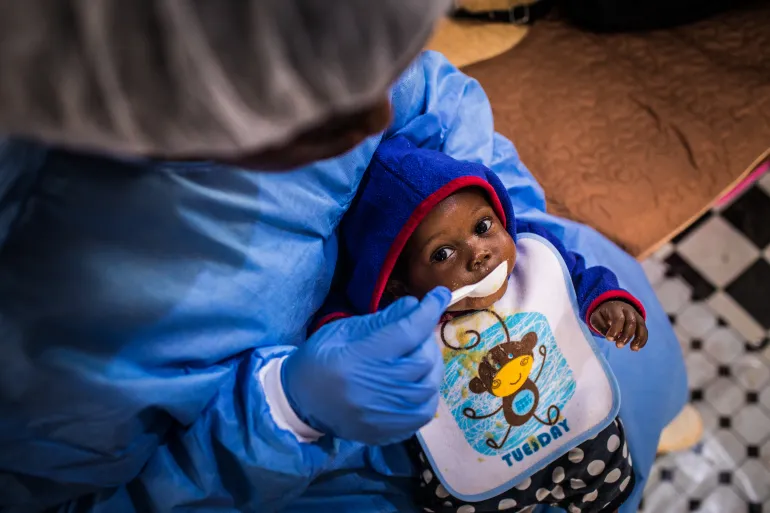
KINSHASA/ROME/NEW YORK/GENEVA, 13 November 2026 – Severe hunger is expected to deepen in the Democratic Republic of the Congo (DRC), with a record 30.3 million people projected to face Crisis levels of acute food insecurity or worse (IPC Phase 3 or above) between January and June 2027, according to the latest Integrated Food Security Phase Classification (IPC) analysis.
Conflict, displacement and rising food prices are driving the crisis, compounded by Ebola – a severe and often fatal viral disease - and other disease outbreaks. Humanitarian assistance is now falling dangerously behind growing needs, warn the United Nations World Food Programme (WFP), the Food and Agriculture Organization of the United Nations (FAO), UNICEF and the World Health Organization (WHO).
Nearly 29 million people – almost a quarter of the population - face Crisis or worse levels of acute food insecurity (IPC Phase 3 or above) from September to December 2026, including 3.6 million in Emergency (IPC Phase 4). By early 2027, the number facing Emergency levels of hunger is projected to rise by nearly 600,000 to 4.2 million. The total facing Crisis or worse is projected to reach 30.3 million between January and June 2027, up from 26.5 million between January and June 2026.
Eastern DRC faces the sharpest concentration of urgent needs. More than 11 million people in North Kivu, South Kivu and Ituri are projected to face Crisis or worse between January and June 2027. Nine territories are projected to be in Emergency: Djugu in Ituri; Lubero, Masisi and Oïcha in North Kivu; and Fizi, Kalehe, Mwenga, Shabunda and Walungu in South Kivu. These areas need urgent humanitarian assistance.
“Conflict is driving families from their homes, cutting them off from their fields and putting food beyond their reach,” said Ross Smith, WFP Director of Emergency Preparedness and Response. “'The Ebola outbreak is a crisis on top of a pre-existing crisis, and we must meet these humanitarian needs if we are to stop the spread of the virus. We need safe, sustained access and resources to deliver food assistance at scale before more families face Emergency levels of hunger.”
Armed conflict and repeated displacement are stripping families of their means to survive. Lost assets, restricted access to land and disrupted markets are cutting food production and incomes. With purchasing power shrinking, families are turning to coping strategies that leave them less able to withstand the next shock.
Insecurity, logistical barriers and damaged infrastructure disrupt trade and keep food prices high with protracted food crises hit hardest. The IPC analysis identifies crises in the Middle East, the Red Sea and Ukraine as adding to these pressures. Insecurity, climate hazards and limited access to land and agricultural inputs are cutting harvests and farm incomes, leaving families with less food and less money to buy it.
"Families in eastern DRC urgently need practical support at scale to enable them to feed themselves,” said Rein Paulsen, Director of the FAO Office of Emergencies and Resilience. “Every agricultural season missed deepens hunger and increases dependence on humanitarian assistance. If farmers receive seeds, tools and other essential support before planting begins in early 2027, they can harvest by mid-year, restore incomes and help feed their communities through the lean season. Acting late means another missed harvest, more displacement and hunger and a longer, costlier emergency response.”
The crisis reaches beyond the eastern hotspots. Significant shares of the population in Tanganyika, Maniema, Kasaï, Haut-Lomami, Lomami, Kwango and Haut-Uele also face Crisis levels of hunger or worse. Security shocks, barriers to markets, low purchasing power and disrupted farming are undermining food security across these provinces.
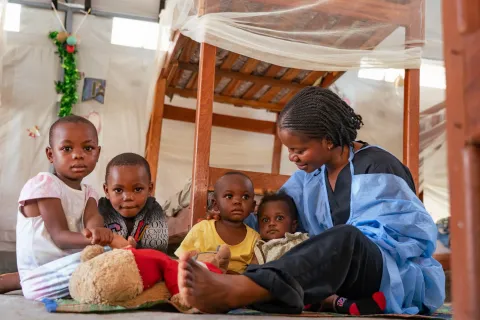
Acute malnutrition and poor access to health care, safe water and sanitation compound the crisis, particularly for children under five, who face the greatest risk from acute malnutrition. Together, they deepen hunger’s consequences and make recovery harder, especially where basic services are already stretched.
“For children in the Democratic Republic of the Congo, hunger and malnutrition are not just driven by a lack of food. Conflict, displacement and outbreaks such as Ebola are compounding the risks of food insecurity, particularly when women, girls and boys cannot access essential health care, safe water, and sanitation,” said UNICEF Director of Emergency Operations, Lucia Elmi. “We urgently need support to scale up efforts to prevent food insecurity and malnutrition, sustain essential services and ensure every child can safely access the care and protection they need.”
Ebola is adding pressure on families already struggling to eat. Alongside mpox, cholera and other health emergencies, the outbreak disrupts farming and livelihoods, restricts movement and raises household costs. These overlapping health crises also strain fragile health systems.
“Hunger and disease are deepening the crisis in the Democratic Republic of the Congo,” said Dr Chikwe Ihekweazu, Executive Director of the WHO Health Emergencies Programme. “When families cannot access enough nutritious food, safe water or essential health services, they become increasingly vulnerable to disease and death. With large outbreaks of Ebola and cholera also affecting eastern DRC, reaching people with these lifesaving services is an urgent priority.”
The response must expand now. FAO, WFP, UNICEF and WHO call for urgent, coordinated financing and diplomatic action to scale up food assistance, protect and restore agricultural livelihoods, prevent and treat acute malnutrition, and sustain essential health, nutrition, safe water and sanitation services, and secure safe, unimpeded humanitarian access.
The agencies urge all parties to protect civilians, including children, and vital services and infrastructure, and allow facilitate safe, rapid and unimpeded humanitarian access. Donors must provide timely, sustained funding to reach the worst-affected communities now, including ahead of of critical planting seasons, and help prevent hunger and malnutrition from deepening in the months ahead.
Notes to Editors:
The Integrated Food Security Phase Classification (IPC) has five phases of acute food insecurity: Minimal (Phase 1), Stressed (Phase 2), Crisis (Phase 3), Emergency (Phase 4) and Catastrophe/Famine (Phase 5). Figures for Phase 3 or above already include Phase 4; they must not be added together. Projections describe expected conditions in the stated period, not current conditions.
# # #
Media contacts
About UNICEF
UNICEF, the United Nations agency for children, works to protect the rights of every child, everywhere, especially the most disadvantaged children and in the toughest places to reach. Across more than 190 countries and territories, we do whatever it takes to help children survive, thrive, and fulfil their potential.
Follow UNICEF on X, Facebook, Instagram and YouTube
About FAO
The Food and Agriculture Organization (FAO) is a specialized agency of the United Nations that leads international efforts to defeat hunger. Our goal is to achieve food security for all and make sure that people have regular access to enough high-quality food to lead active, healthy lives.
About WFP
The United Nations World Food Programme is the world’s largest humanitarian organization saving lives in emergencies and using food assistance to build a pathway to peace, stability and prosperity for people recovering from conflict, disasters and the impact of weather extremes.
Follow us on X, formerly Twitter, via @wfp, @wfpdrc
About WHO
Dedicated to the well-being of all people and guided by science, WHO leads and champions global efforts to give everyone, everywhere, an equal chance at a safe and healthy life. We are the United Nations’ agency for health that connects nations, partners and people in more than 150 locations – leading the world’s response to health emergencies, preventing disease, addressing the root causes of health issues and expanding access to medicines and health care. Our mission is to support all countries to promote, provide and protect health. “Together for health. Stand with science”, the theme of World Health Day 2026, marks a year-long campaign to highlight science as the foundation for protecting health and well-being worldwide.