Oxygen and respiratory care
Treating children suffering from pneumonia and respiratory infections.
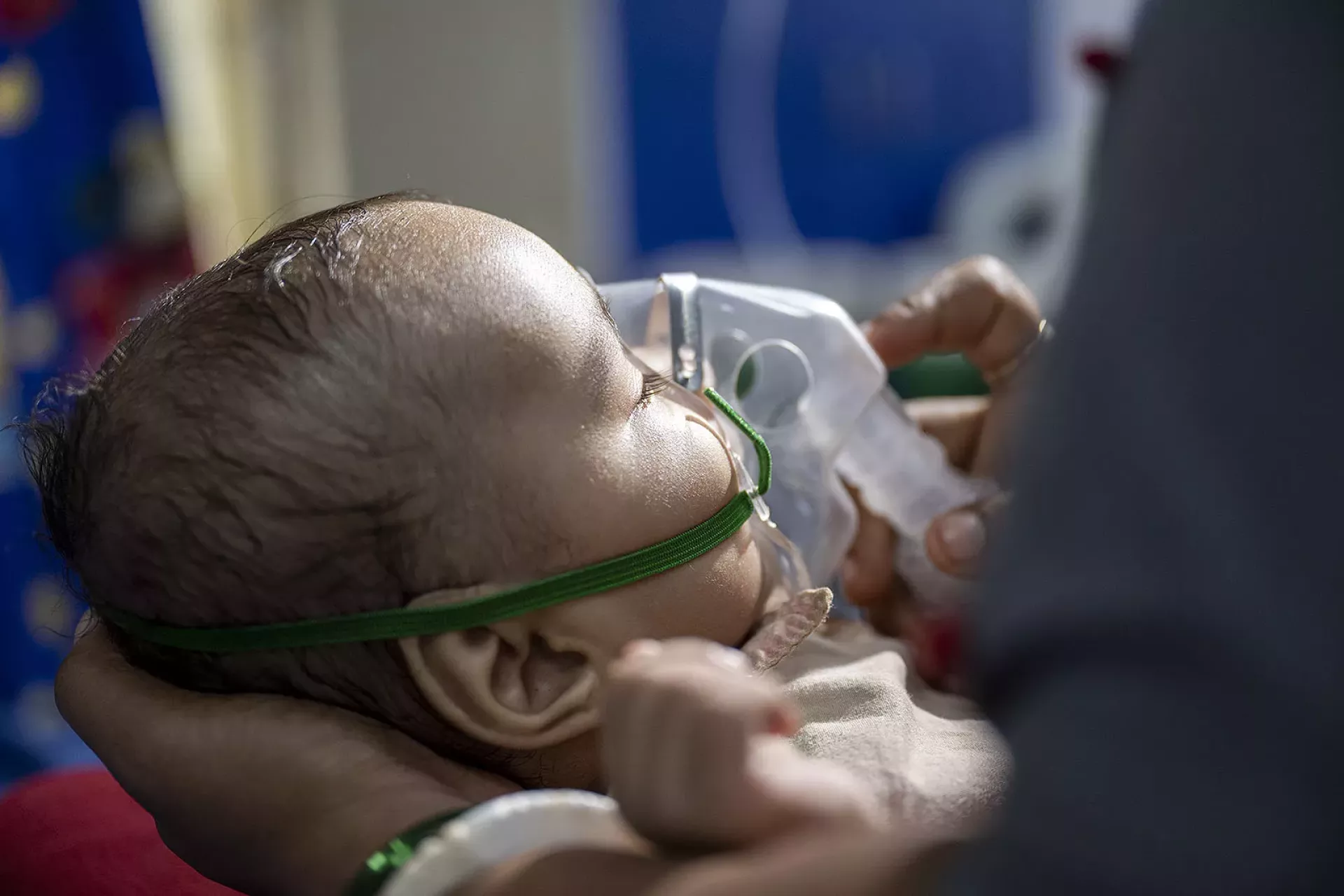
Pneumonia is the biggest infectious killer of children worldwide, claiming the lives of over 700,000 children under the age of five every year.
UNICEF is working to strengthen respiratory care for children and newborns suffering from pneumonia and other severe respiratory infections, particularly in remote, hard-to-reach and densely populated communities in low- and middle-income countries. In these areas, oxygen therapy and child-appropriate respiratory support are often neither readily available nor locally affordable. Long journeys to higher-level health facilities for treatment deter families from seeking timely care for their children, significantly increasing the risk of severe complications and even death.
Bridging the gaps
UNICEF procures and delivers a broad range of cost-effective medical oxygen and respiratory support supplies suitable for local, low-resource healthcare facilities. Resilient oxygen concentrators, for instance, are portable bedside devices built to withstand dust, high humidity and hot temperatures. Because these concentrators function in challenging environments, such as primary care clinics in remote areas, they bring care closer to children who may not survive the journey to a hospital.
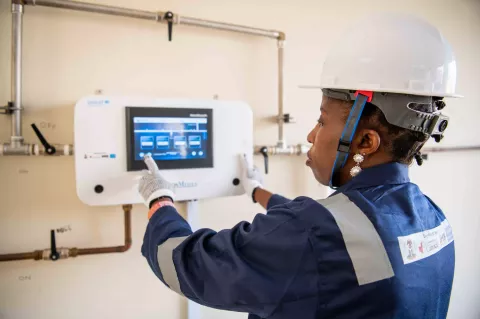
UNICEF also provides oxygen supply systems to higher-level healthcare facilities that offer more extensive respiratory support to hospitalised children. The Oxygen plant-in-a-box includes everything needed to set up a fully functioning oxygen system. Each plant can produce up to 720,000 litres of oxygen daily, enough to simultaneously treat 100 children with severe pneumonia.
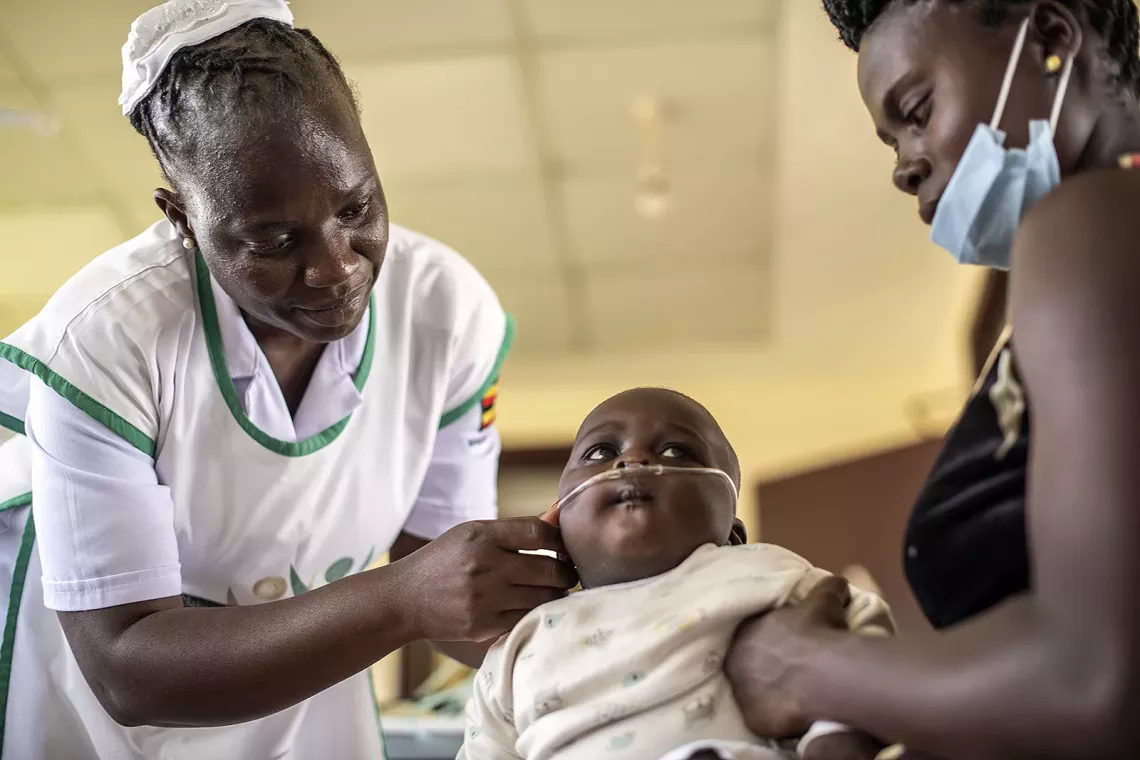
In areas with unreliable electricity, solar energy solutions provide a stable power source for oxygen plants, enabling continuous oxygen production while reducing dependence on fossil fuels and minimizing environmental impact.
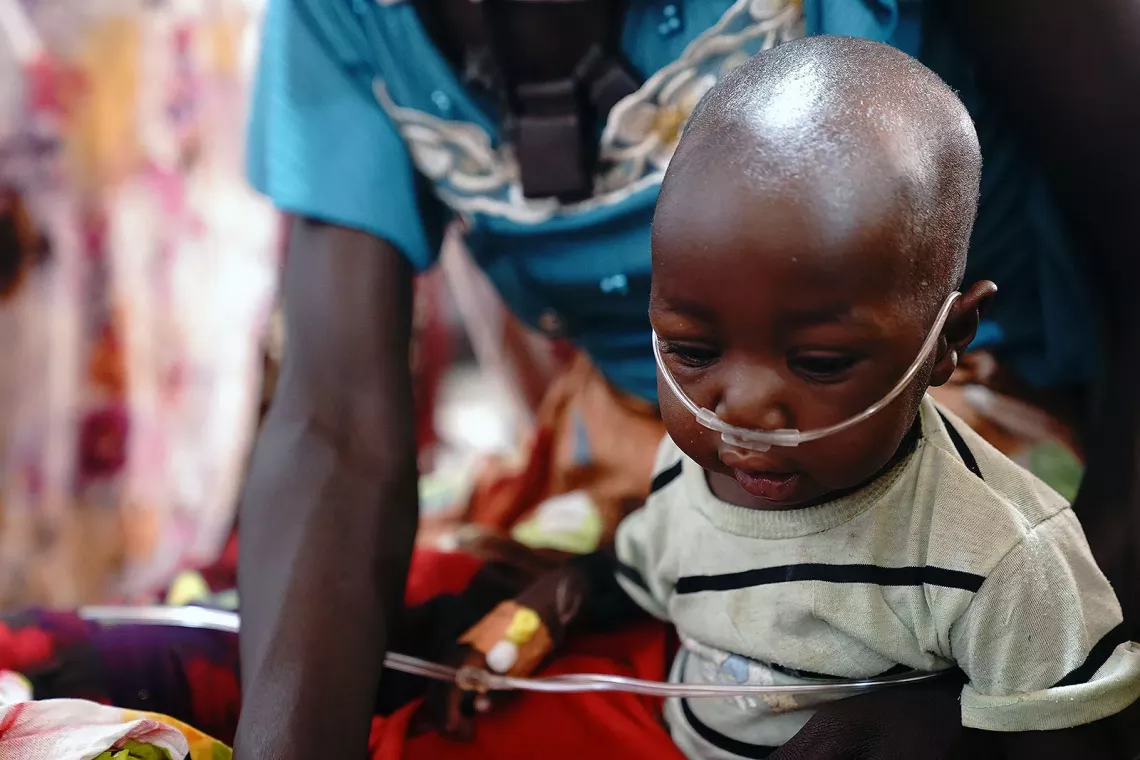
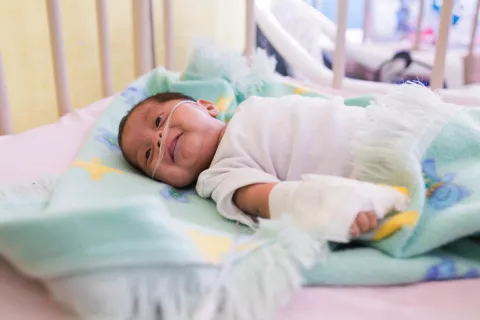
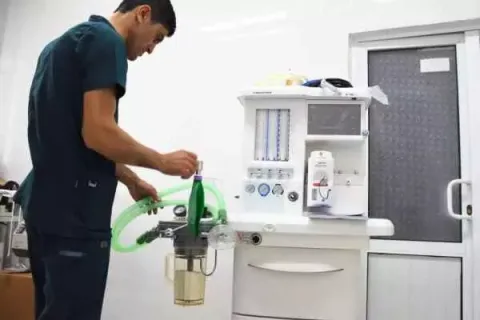
Additionally, UNICEF supplies respiratory support equipment, consumables and accessories that are specialized for newborns and children. This includes child-appropriate nasal cannulas and oxygen masks; pulse oximeters specifically for children and newborns to check their blood oxygen levels and heart rates; flow splitters for gentle oxygen delivery to small children; and Bubble CPAP, a soft, non-invasive breathing aid for treating newborns with respiratory distress syndrome.
Strengthening oxygen systems globally
In addition to procuring and delivering devices, equipment and systems, UNICEF provides technical support to countries to make oxygen treatment more accessible for children. This includes helping to assess oxygen supply needs, training personnel, integrating oxygen systems into health services, developing innovations and ensuring market transparency.