Supply chain cooperation
Cooperating with governments towards mature national public supply chains that can efficiently and sustainably deliver essential supplies for children.

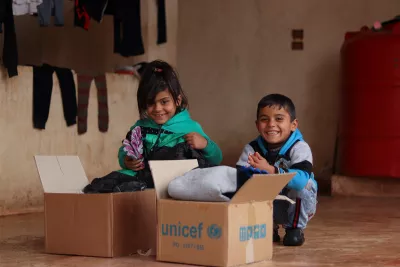
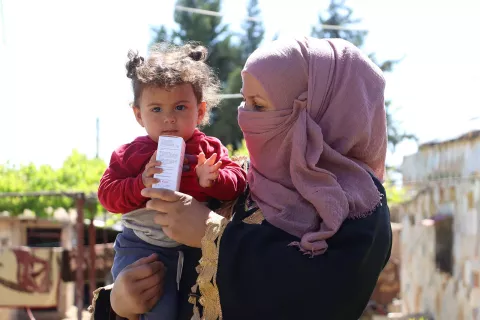
Strong national public supply chains are critical cornerstones of well-functioning public welfare systems, and a driving force toward the achievement of the Sustainable Development Goals and advancement of the 2030 Global Health Security agenda. These supply chains ensure the availability of the supplies that are needed for quality, safe, equitable and affordable healthcare and other essential services for children and communities.
This is why UNICEF – in addition to maintaining its own global logistics network – supports national governments in their efforts to set up and manage agile, cost-effective and sustainable end-to-end supply chains
Long-lasting solutions that bridge gaps
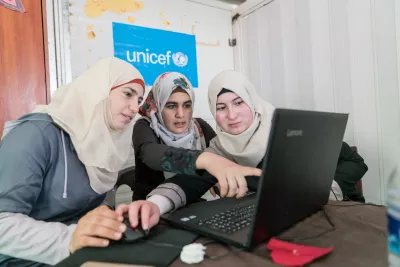
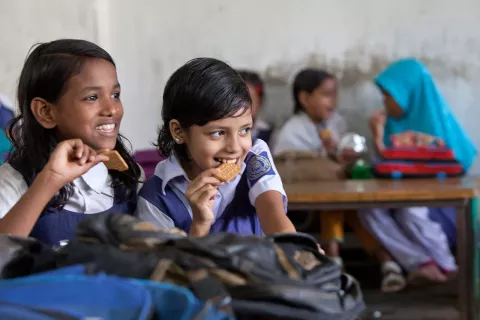
Adapting to global development trends and growing country demands for technical assistance, UNICEF lends governments its expertise in forecasting, procurement, market influencing, in-country logistics, data analytics, and digital, institutional and human resource capacity-development. By identifying long-lasting solutions that bridge gaps, UNICEF helps ensure that children have access to quality public services such as child health, nutrition and education – not only today, but also tomorrow.
UNICEF also collaborates with the private sector, civil society and other development actors to strengthen national public supply chains by leveraging and coordinating diverse competencies, technological assets and innovation capacity in areas such as policy, regulatory frameworks, operations, processes and financing. Concrete results include adoption of digital supply chain tools, better last-mile delivery, end-use evaluation and enhanced coordination with logistics actors such as freight forwarders, global carriers and warehousing partners.