UNICEF Annual Report 2025
Continuing to deliver, in crises and beyond.
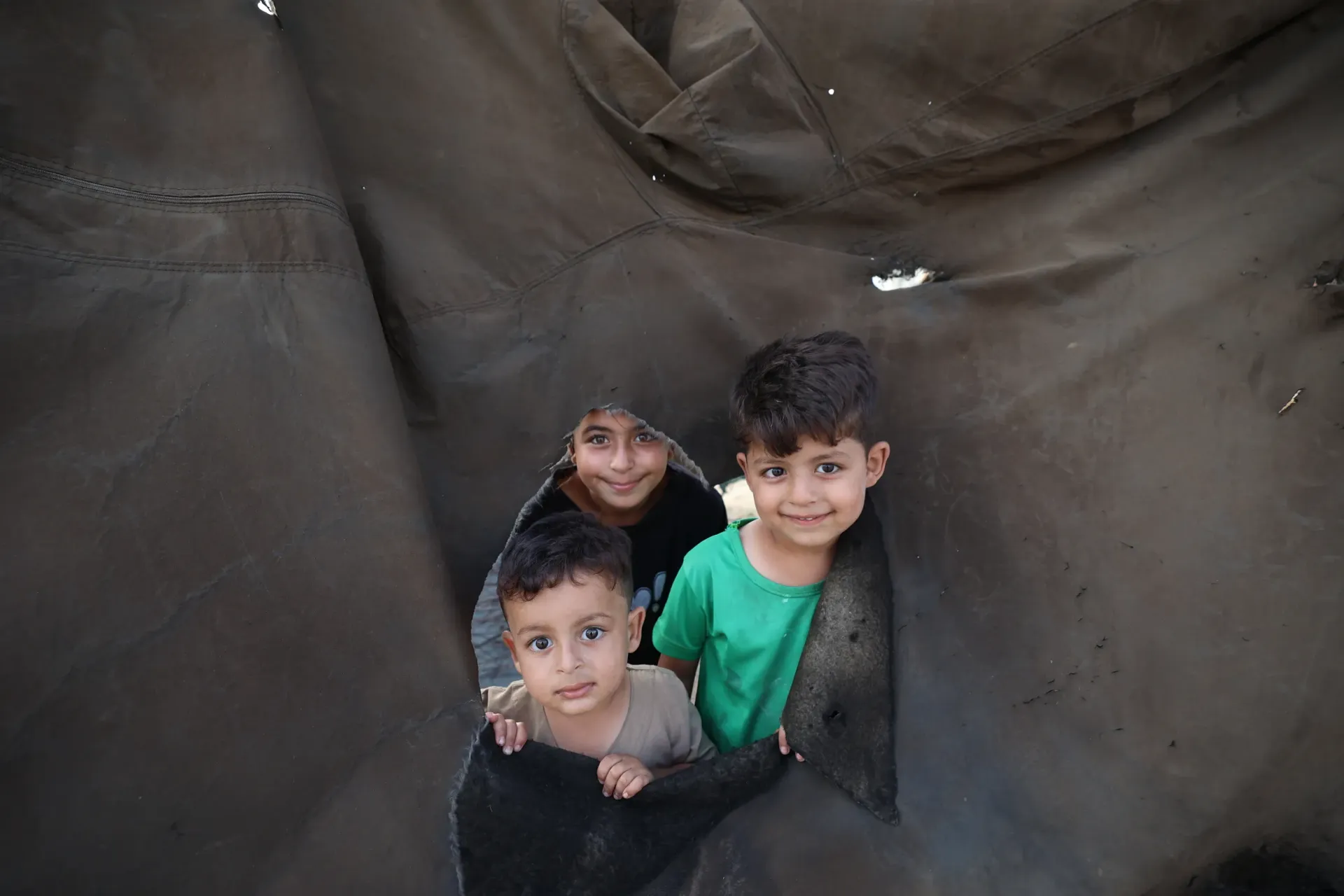
In 2025, global turmoil and compounding crises pushed children’s needs to record levels while the resources to help them dropped dramatically. Sudden and steep global funding cuts forced agonizing choices. Which lives to prioritize? Which services to scale back?
Despite the challenges, UNICEF continued to deliver – in crises and beyond. In 2025, our staff and partners responded to emergencies in more than 100 countries, reaching tens of millions of children with life-saving health care, nutrition, immunization, education, protection, safe water and sanitation.
We achieved these results by being on the ground before, during and after crises hit, working side by side with communities and governments, guided by our commitment to every child’s right to survive and thrive.
UNICEF’s ability to link humanitarian action and development to bridge the gap between life-saving aid and sustainable, long-term recovery remains one of our defining strengths. We draw on years of expertise in supporting countries to protect hard-won progress in health and education, recover from shocks, and build resilience for the future.
That is the foundation of our new five-year Strategic Plan. The Plan is ambitious with a sharpened focus on five proven impact areas: health and nutrition, education, child protection, safe water and sanitation, and social policy that supports children. It aligns with what is needed to deliver on these goals, including financing, digital transformation and strong governance.
UNICEF builds on a proud history of agility, efficiency and innovation in a rapidly changing world. That ability to adapt was put to the test with the drastic budget cuts across the humanitarian and development sectors in 2025. It required painful decisions to protect critical work for children in the countries where we work.
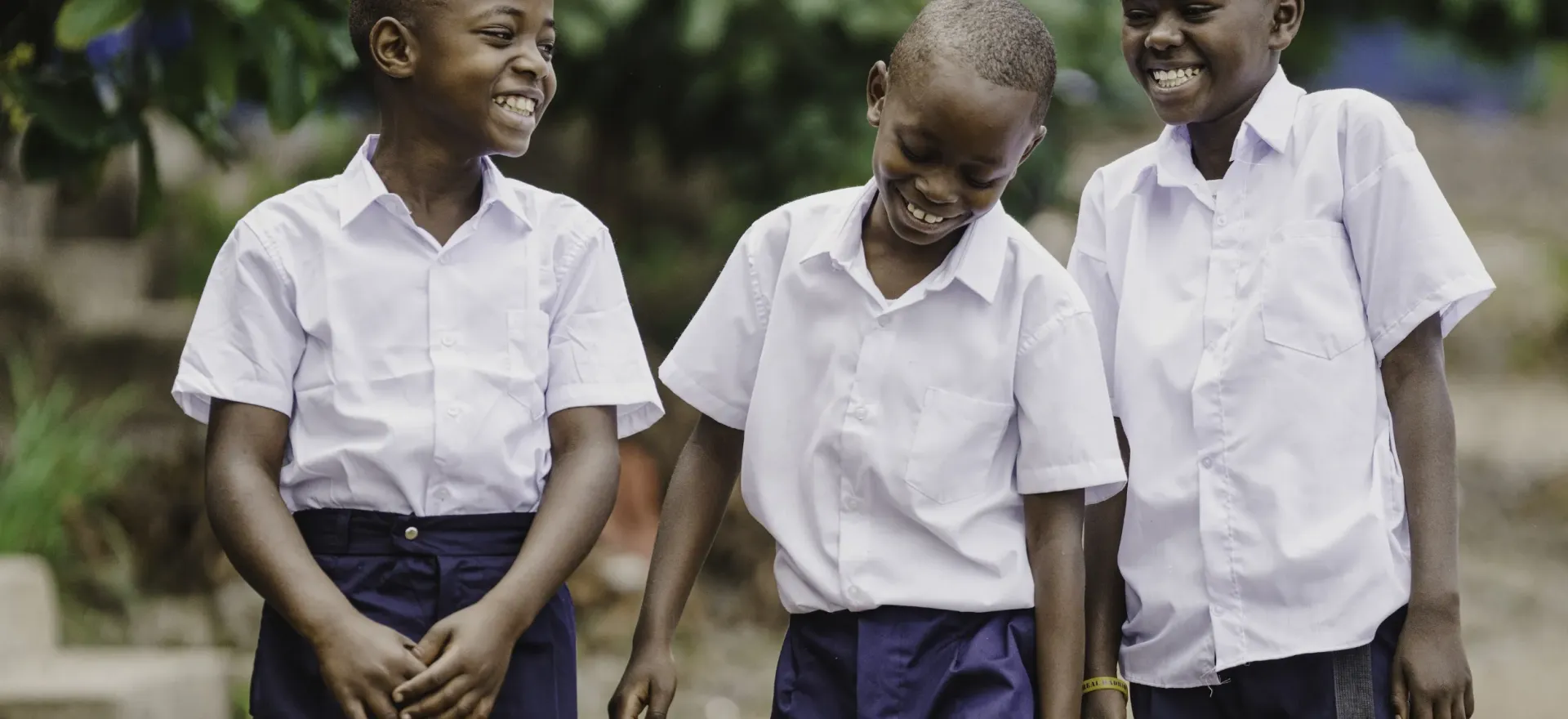
UNICEF/UNI858669/Benekire
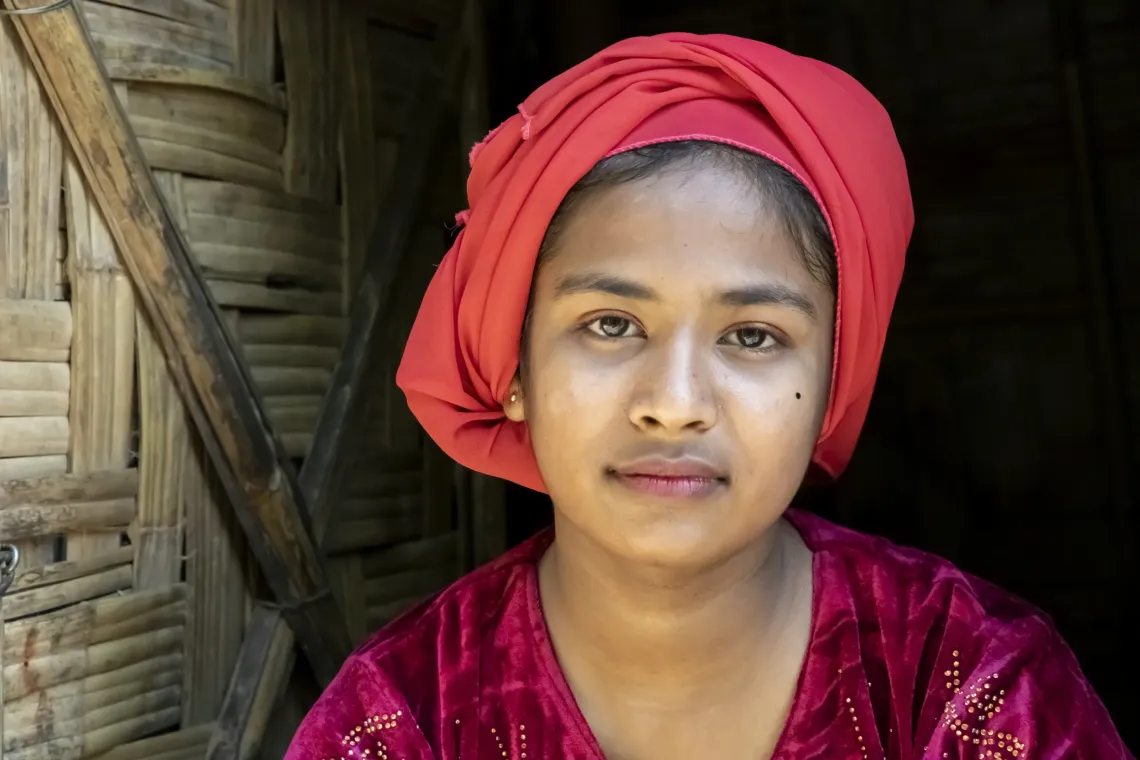
UNICEF/UNI880866/Satu
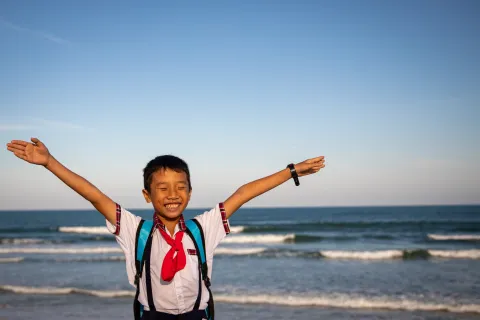
“I heard there is no more money to teach us. But I was very happy when I was told some of us can return to school.” — Kulsum (name changed), Cox's Bazaar, Bangladesh
Six million additional children could be out of school by the end of 2026. Without sustained funding, the progress in education will be lost.
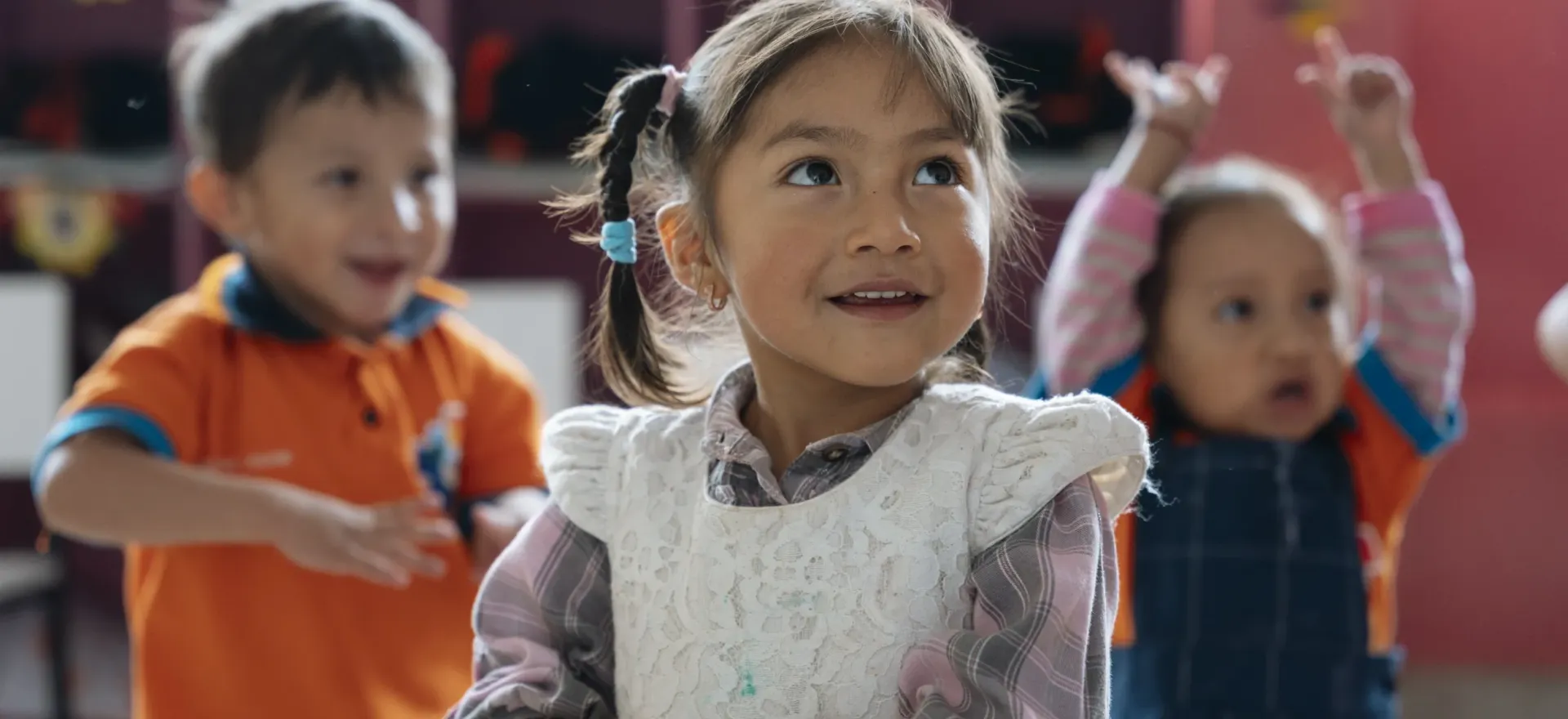
UNICEF/UNI752863/Arcos
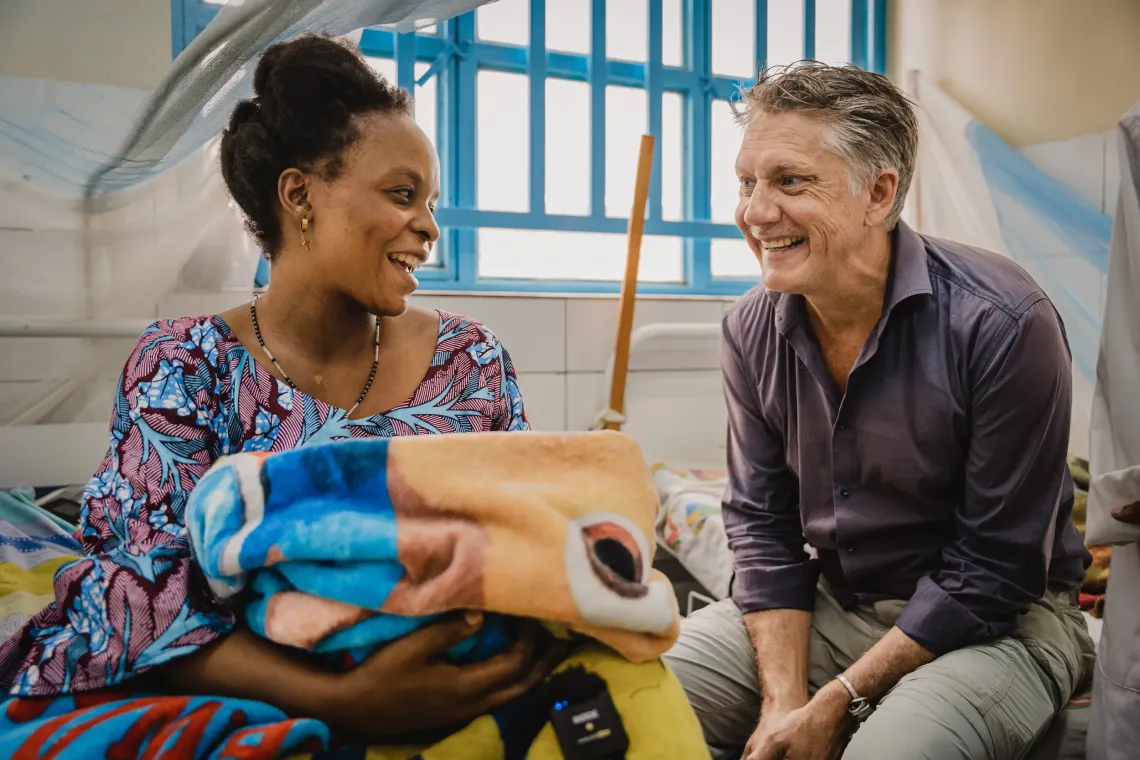
UNICEF/UNI776515/Mirindi Johnson
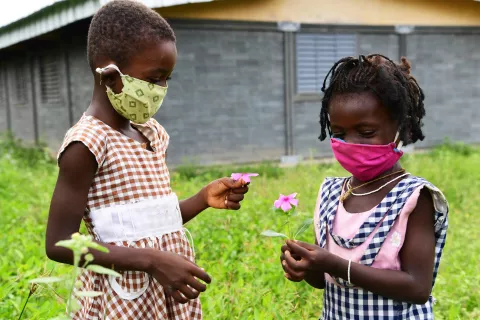
“The doctors cared for me with such kindness that I felt completely safe and supported.” — Marthe Nzigire, Democratic Republic of the Congo
Hospitals struggle with shortages of medicines and essential medical supplies, the result of funding cuts and serious constraints that are hindering the delivery of vital aid.
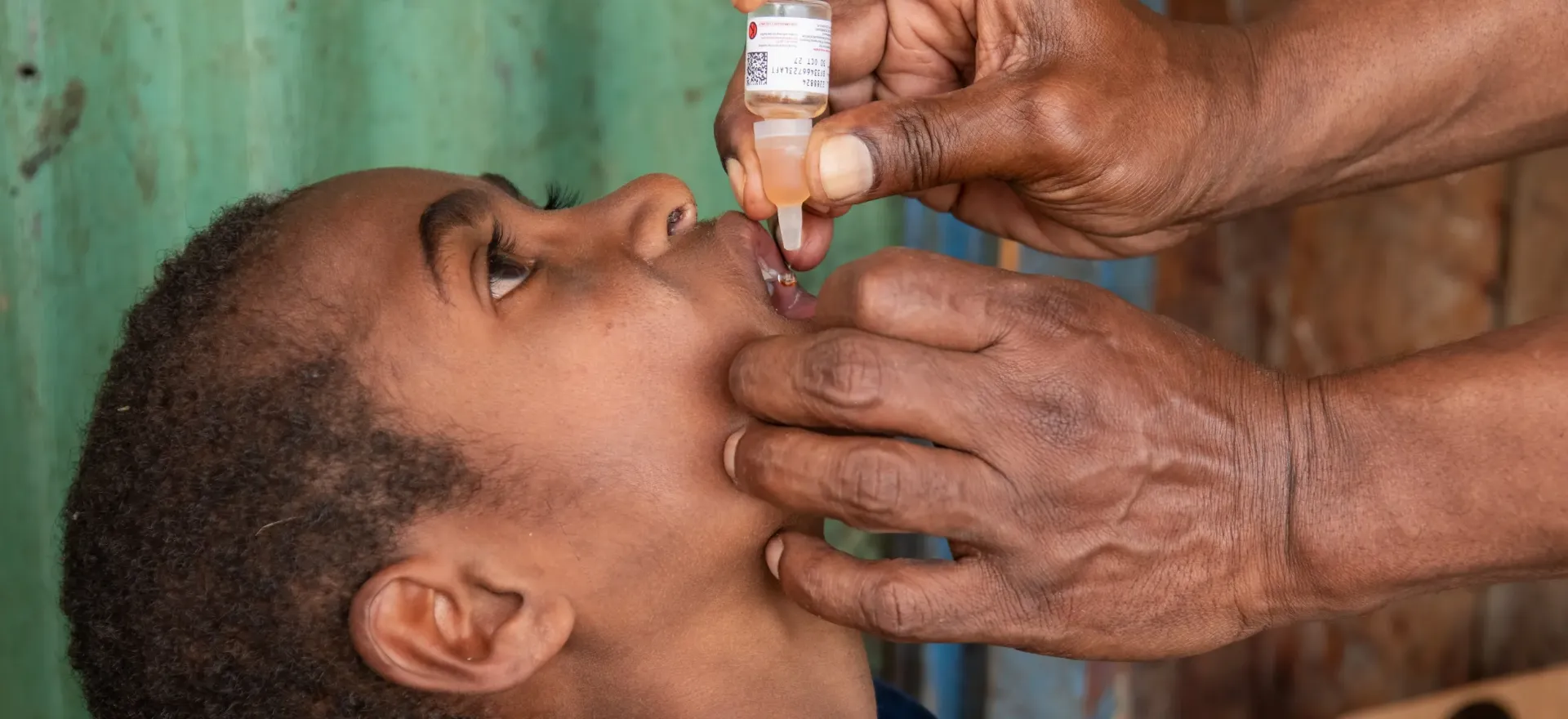
UNICEF/UNI856060/Paul
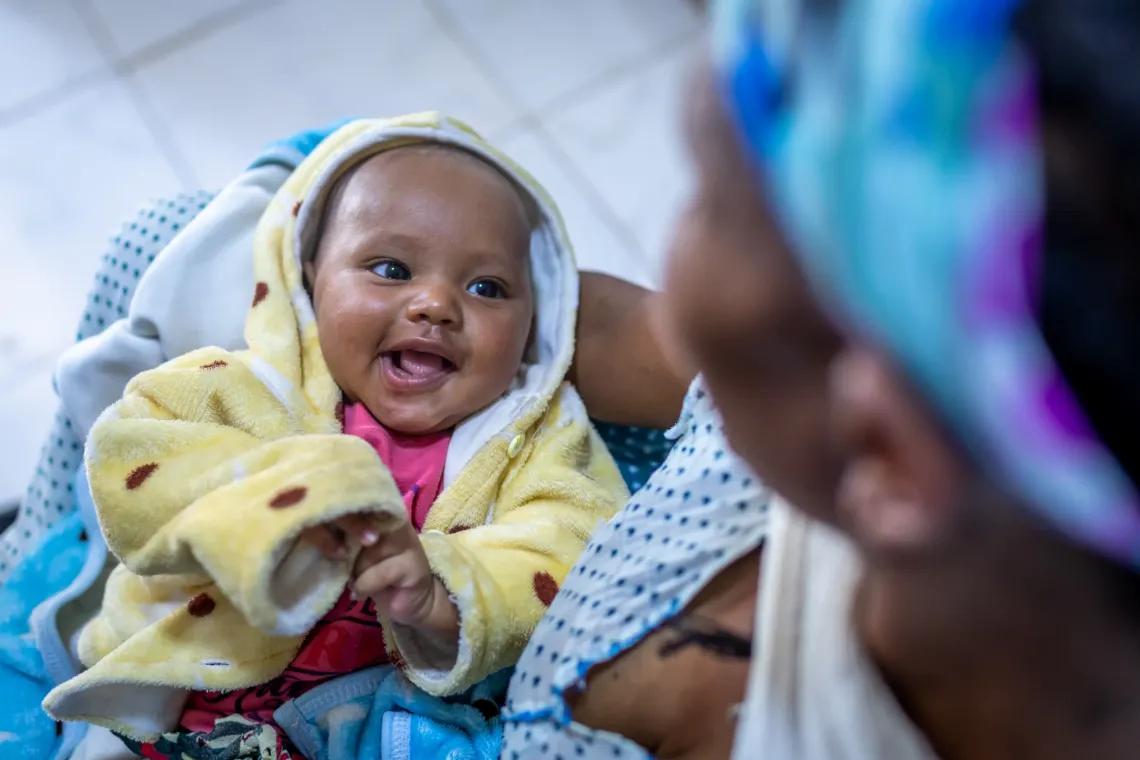
UNICEF/UNI940945/Ayene
“… the peace of mind knowing our children are protected is priceless.” — Silas, Ethiopia
Due to funding cuts, more than 20 million children face disruptions in critical healthcare, including immunization.
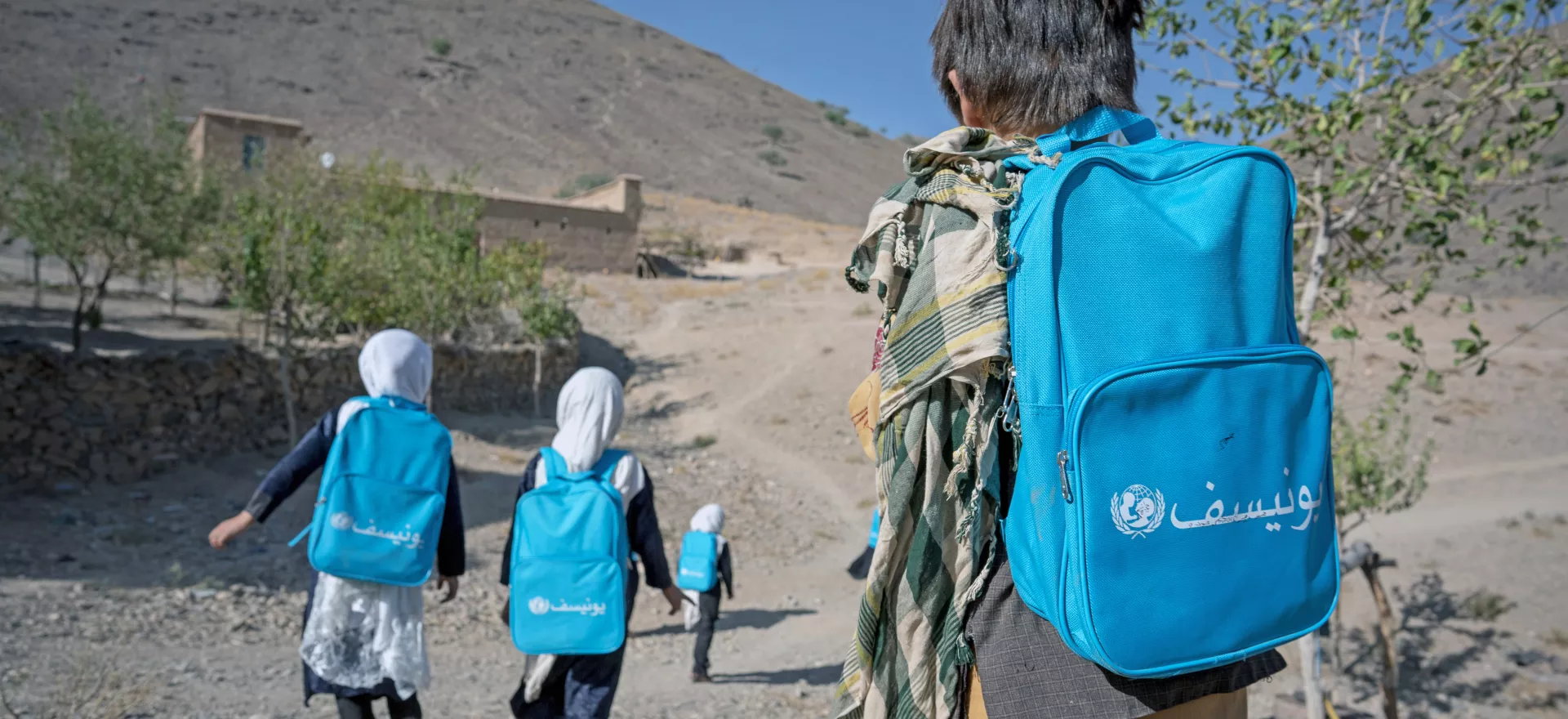
UNICEF/UN0735445/Mark Naftalin
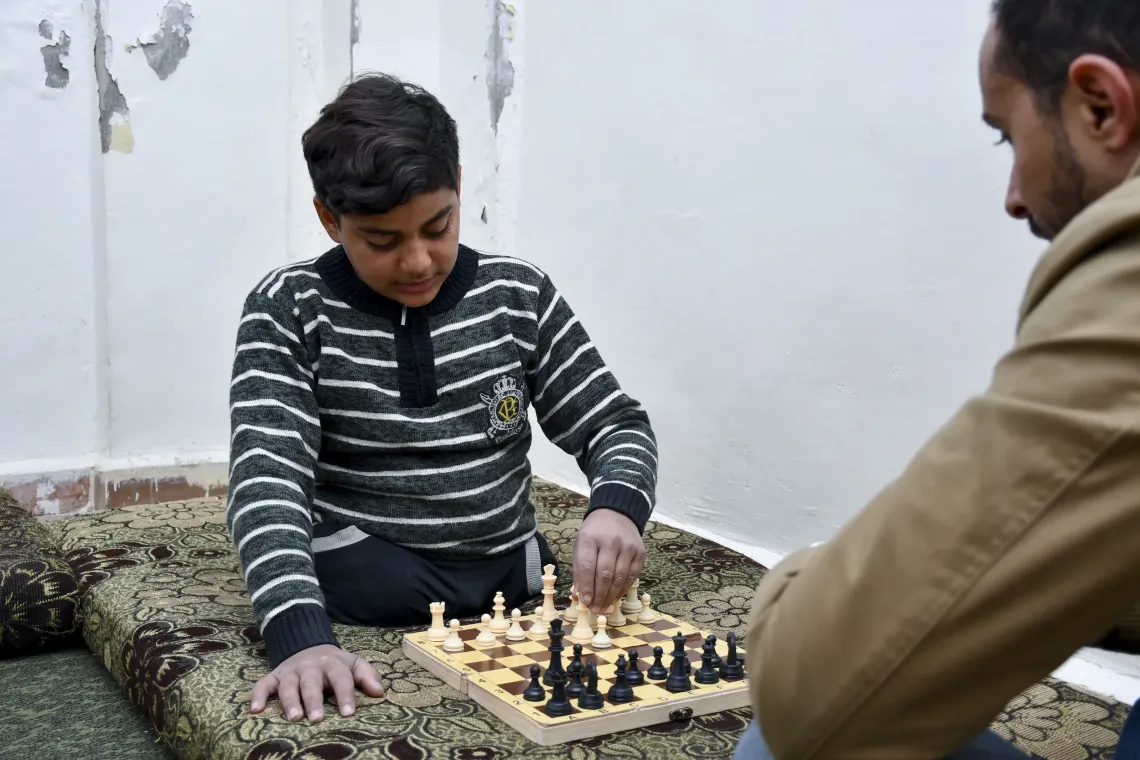
UNICEF/UNI733331/Shahan
“I love playing chess. I always win competitions, and now I help teach younger children how to play.” — Yahia, Syrian Arab Republic
The funding crisis puts the lives of millions at risk, especially in conflict zones where children are constantly exposed to violence which can significantly impact their behaviours.
Today, UNICEF remains determined to deliver on the rights of every child with the support of our many public and private partners.
The stakes are enormous. Children in all parts of the world depend on our collective ability to ensure that they are healthy, educated, and protected. We know what has to be done and we know how to do it. The responsibility to act now belongs to all of us.
—
Foreword by Catherine Russell, UNICEF Executive Director
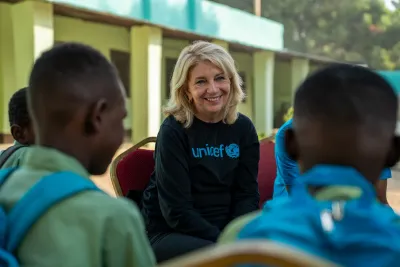
Explore UNICEF’s achievements in 2025
A future focused UNICEF | Top 10 achievements | Results: Goal areas
Humanitarian response | Supply | Financials
A future focused UNICEF
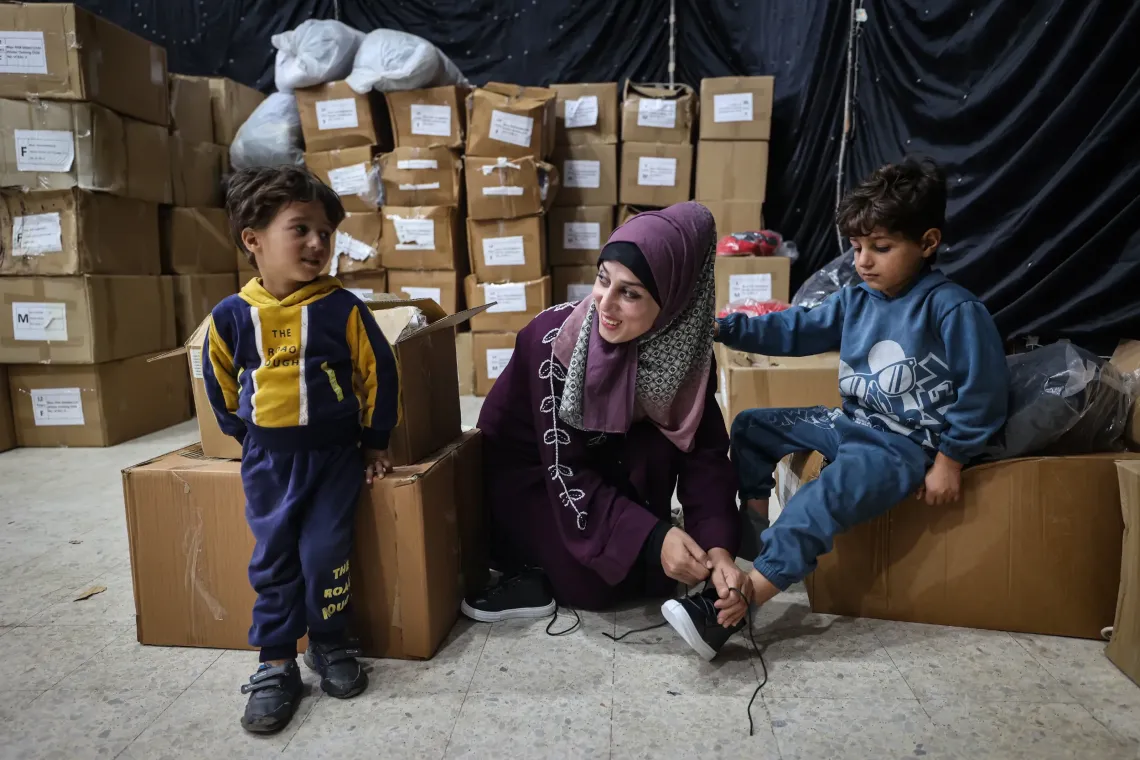
In 2025, we sharpened our focus, making tough but necessary decisions to keep UNICEF competitive, fit for purpose and effective for children – now and into the future.
We adjusted resources across Headquarters, Regional Offices, and Country Offices and identified opportunities to reduce our cost of doing business while safeguarding country programmes and our strong presence.
In one of the greatest structural changes in decades, we have created four new Centres of Excellence (CoEs) designed to provide technical assistance to our global offices.
We are working closely with the UN system to advance system-wide reforms that strengthen multilateral effectiveness and accountability. We are contributing expertise across key areas, including integrated supply chains, data and analytics, and common services.
UNICEF is committed to stay and deliver, with a foundation of partnerships with governments, the private sector and civil society and flexible, sustained investment in UNICEF’s Core Resources.
Top 10 achievements

Over 1.6 billion polio vaccine doses were delivered to children in need.

255 million children were reached with services to prevent wasting; 423 million children to prevent stunting; 158 million school-aged children to prevent various forms of malnutrition.

Over 17 million people gained access to at least basic sanitation services, over 34 million to safe water, and over 15 million to basic hygiene.

27.8 million out‑of‑school children were supported with education, 51 per cent of whom were girls.

Nearly 10.4 million adolescent girls at risk of child marriage benefited from prevention and care interventions.

139 countries worked on disability-inclusive programming, reaching 6.5 million children with disabilities.

414 humanitarian emergencies were responded to in 101 countries.

$559 million in cash assistance reached vulnerable households and front-line workers in humanitarian settings.

108 countries enabled youth participation in policy development, entrepreneurship and advocacy on sustainability.

Advocacy contributed to child-sensitive regulations, budgets, or practices on vaccine equity in 93 countries, education in 112 countries, mental health in 101 countries, and water, climate and the environment in 121 countries.
Results: Goal areas
Results: Goal areas
- 39 million births in health facilities, 51.9 million children reached with services for neonatal and childhood illnesses and 4.8 million health workers trained.
- 3.2 billion vaccine doses delivered to 103 countries, including introducing the malaria vaccine in seven countries and the HPV vaccine in 12 countries and more than 38.6 million children vaccinated against measles.
- 255 million children in 54 countries reached with services to prevent, detect and treat wasting reached. 423 million children under 5 reached in 81 countries with interventions to prevent stunting. 158 million children and adolescents in 92 countries reached with interventions to prevent anaemia, overweight and other forms of malnutrition.
- 7 million children, adolescents and caregivers reached with mental health and psychosocial support by strengthening frontline health workforce capacity and connections between primary health care, schools, child protection systems and community platforms.
- 27.8 million out‑of‑school children across 90 countries (nearly half in sub-Saharan Africa) were supported with access to education.
- 57 per cent of countries had inclusive and gender‑responsive education systems as of 2025, up from 47 per cent in 2022.
- More than 13.6 million children across 71 countries accessed education through digital platforms (such as the Learning Passport). Fourteen governments produced Accessible Digital Textbooks using UNICEF’s open-source, AI-powered tools, reaching nearly 2 million children.
- UNICEF supported governments; in 98 countries to integrate climate, energy, environment, green skills and disaster risk reduction into education systems, with 42 countries strengthening teacher development on climate literacy and sustainability.
- About 4.5 million children affected by violence were supported in accessing health, social work, justice, and law enforcement services across 112 countries.
- Over 894,000 girls and women in 19 countries accessed female genital mutilation (FGM) prevention and protection services, more than doubling reach since 2022.
- Nearly 10.4 million adolescent girls in 50 countries benefited from child marriage prevention and care interventions.
- 64 per cent of children formerly associated with armed groups received protection or reintegration support.
- 46.7 million children, parents and caregivers reached with mental health and psychosocial support services.
- Over 17 million people gained access to at least basic sanitation services, over 34 million to safe water, and over 15 million to basic hygiene.
- Over 5,500 schools and 2,800 health care facilities were supported to achieve a basic level of WASH service provision.
- Enhanced advocacy, policy engagement and technical assistance helped 99 countries make their national climate, environmental or disaster risk management policies address children’s needs.
- Renewable energy solutions expanded to 121 countries in 2025, with 1,767 solar-powered water systems installed in 70 countries.
- 93 countries increased their social sector budgets.
- 76 countries strengthened local planning and governance capacities while 20 improved urban policies and planning to improve child well-being in urban areas, including slums.
- 89 countries expanded access to care and family-friendly policies, including subsidized childcare and paid parental leave.
- 69 countries strengthened gender responsive social protection and 80 strengthened disability inclusive social protection.
Humanitarian response
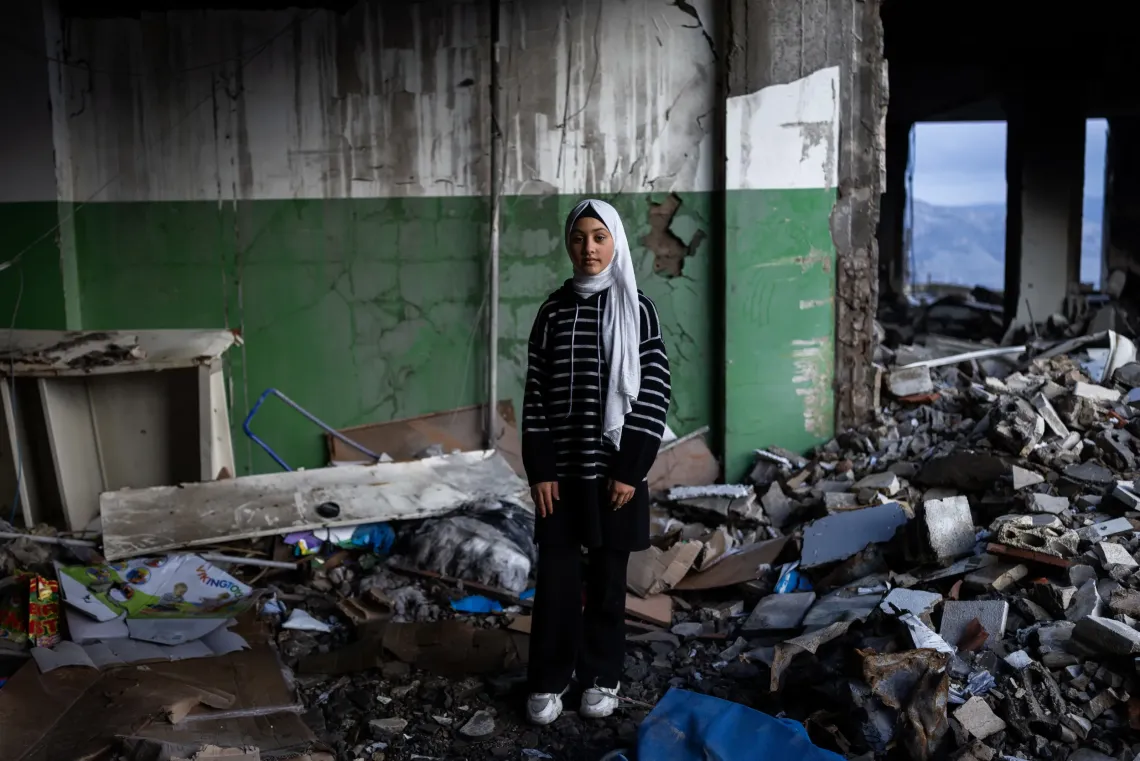
An estimated 213 million children needed humanitarian assistance in 2025, up from 183.5 million in 2024, with complex, ongoing crises in places including Gaza, Yemen, the Sudan, South Sudan, Burkina Faso, Mali, the Niger, Ukraine, the Democratic Republic of the Congo, Afghanistan, Myanmar and Haiti.
In this challenging year of overlapping crises and fiscal pressure, UNICEF embraced significant restructuring, working to cut costs, streamline and consolidate operations, share capacities across the United Nations system, modernize and harmonize supply chains and strengthen local partnerships, reinvesting these savings into frontline services and working to ensure that reforms prioritize children.
- UNICEF delivered $1.44 billion in supplies to support humanitarian action in 67 countries.
- UNICEF‑supported programmes distributed $559 million in humanitarian cash assistance to households and cash incentive payments to frontline workers.
- More than 38.6 million children were vaccinated against measles in 29 countries in humanitarian settings, exceeding the target of 27 million.
- Direct support in humanitarian emergencies reached over 36 million people with WASH services.
Enabling access to essential supplies
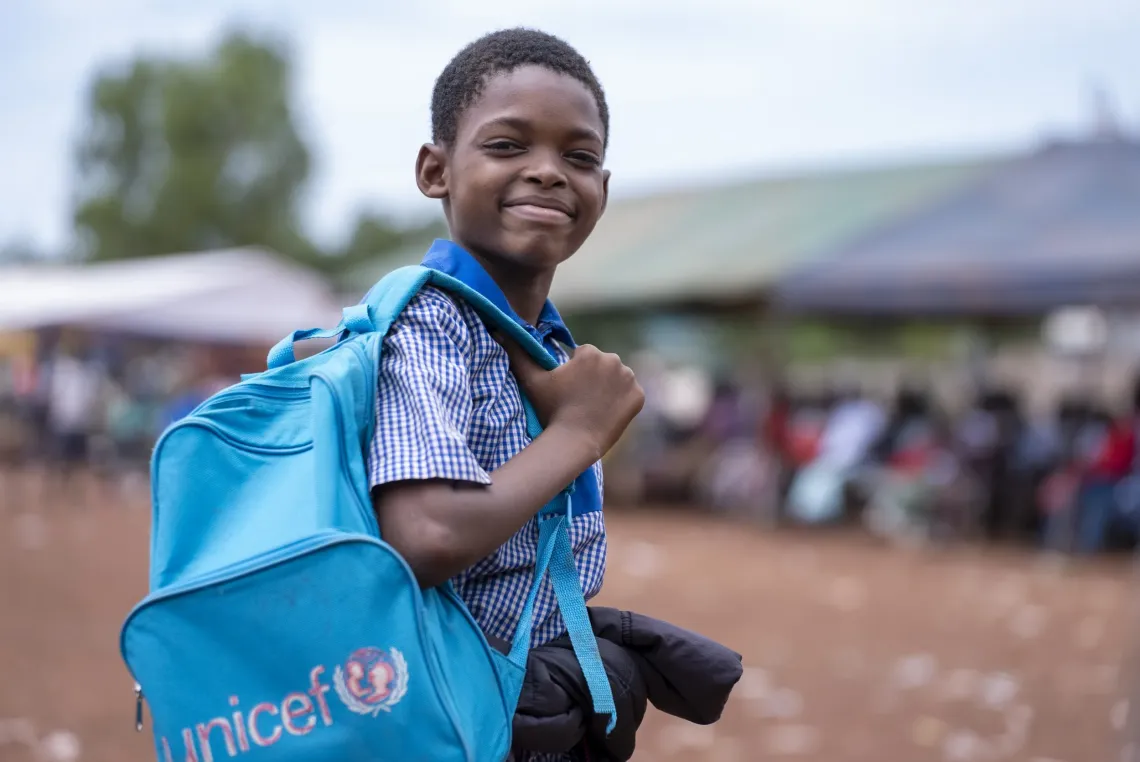
As the world’s largest buyer of vaccines UNICEF leverages its technical expertise, purchasing power and economies of scale to achieve the best possible prices and quality of products for children, and to shape markets and close critical gaps in access to life-saving supplies.
- From 2022 to 2025, UNICEF leveraged an end-to-end supply chain approach to manage $23.9 billion in global procurement for children.
- In 2025, procurement totaled $5.7 billion, comprising $3.8 billion in goods and $1.9 billion in services.
- The organization mobilized over $20 million to expand access to assistive technologies across 92 countries for children with disabilities.
Financial results
UNICEF thanks our donors and partners who contributed so generously in 2025 to our work for children around the world including through National Committees. We want to specifically thank donors who contributed flexibly to Core Resources (RR) and thematic funds. Flexible, sustained investment has delivered extraordinary results for children and proven what’s possible when the world shows up.
This hard-won progress is under threat from the unprecedented cuts in international aid funding. Saving and protecting millions of children’s lives is a collective endeavor. That’s why UNICEF is calling for United Nations Member States to fulfill their Funding Compact commitment and for all donors to prioritize flexible funding within their overall portfolio of giving to UNICEF.
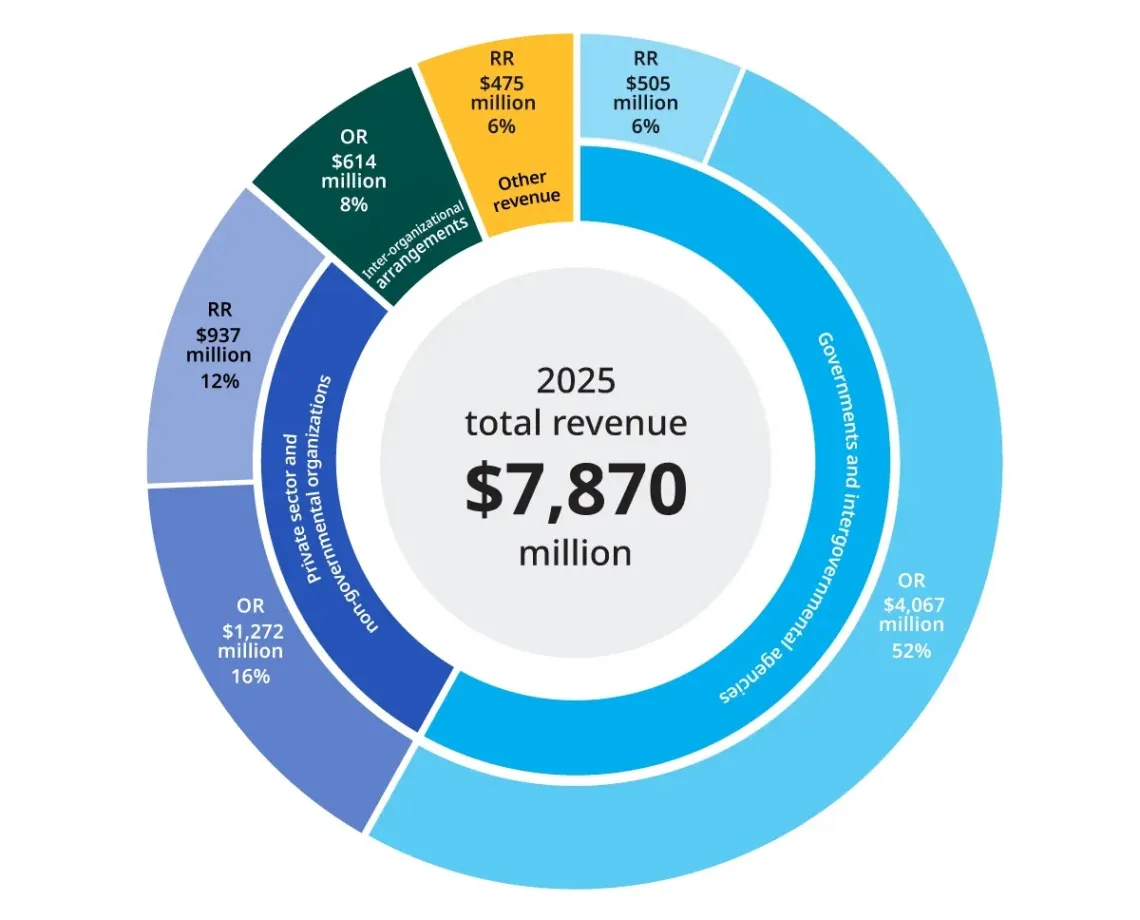
Revenue by source and funding type, 2025
(US$ millions)
UNICEF Expenditure, 2025
(US$ millions)
| Budget Category | Expenditure |
|---|---|
| Development | 7,396 |
| - Programme | 7,189 |
| - Development effectiveness | 207 |
| Management | 413 |
| United Nations development coordination | 10 |
| Independent oversight and assurance | 28 |
| Special purpose (including capital investment) | 39 |
| Private fundraising and partnerships | 266 |
| Total expenditure | 8,151 |
Top 20 partners to Regular Resources by contributions received, 2025
(US$ millions)
| Partner | Total |
|---|---|
| Japan Committee for UNICEF | 130 |
| German Committee for UNICEF | 81 |
| Korean Committee for UNICEF | 76 |
| Spanish Committee for UNICEF | 75 |
| French Committee for UNICEF | 70 |
| Germany | 64 |
| Sweden | 61 |
| Italian Committee for UNICEF - Foundation ETS | 48 |
| Dutch Committee for UNICEF | 45 |
| Norway | 43 |
| Netherlands (Kingdon of the) | 40 |
| Swedish Committee for UNICEF | 39 |
| United States Fund for UNICEF | 39 |
| United Kingdom | 21 |
| Switzerland | 17 |
| Denmark | 14 |
| Committee for UNICEF Switzerland and Liechtenstein | 14 |
| Polish National Committee for UNICEF | 13 |
| Belgian Committee for UNICEF | 13 |
| Finnish Committee for UNICEF | 13 |
Highlights
This report highlights UNICEF's key achievements across its five goal areas and humanitarian action, engagement with young people, highlights from regional offices and its financial results in 2025.