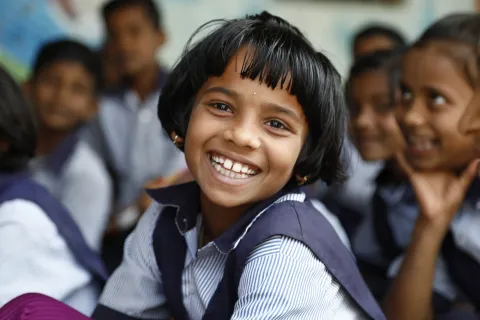
The State of the World's Children 2025
Ending child poverty: Our shared imperative

Poverty poisons childhood.
It claims the lives of children, undermines their health and development, and constrains their learning. Poverty is a denial of children’s fundamental rights.
And its impact reaches all of us.
Today’s children also face a convergence of crises – rising conflict, climate shocks, and funding shortfalls – that are destroying livelihoods, childhoods, and futures. The urgency for action has never been greater.
After decades of progress, we know how to end child poverty.
What is needed today is the will.
Child poverty today
In a world of plenty, too many children are suffering as poverty strips them of their rights and endangers their futures.
Poverty is commonly understood as a lack of access to financial resources.
Every day, 412 million children wake up in extreme monetary poverty, surviving on less than $3 per day.
Children are more than twice as likely as adults to live in extreme monetary poverty. Because their bodies and minds are still developing, children are also more vulnerable to the effects of poverty, with potentially life-long consequences for their well-being.
But monetary poverty tells only part of the story.

Poverty also needs to be understood in terms of the deprivations children experience in their daily lives – in areas like housing, nutrition, clean water, sanitation, education, and healthcare.
More than 1 in 5 children in low- and middle-income countries are severely deprived in at least two vital areas critical for their health, development and well-being.
Sanitation is the most widespread severe deprivation, with 65 per cent of children lacking access to a toilet in low-income countries, 26 per cent in lower-middle income countries, and 11 per cent in upper-middle income countries.
For children, poverty undermines their health and development, limits their ability to learn, and leads to weaker job prospects, shorter lives, and higher rates of depression and anxiety.
For societies, poverty undermines future economic prosperity and by depriving communities of hope, it creates conditions in which violence and extremism can thrive.
FAQ on poverty
The world’s youngest children experience higher rates of poverty than older ones.
Children with disabilities, children living in rural areas, and indigenous children experience higher rates of poverty than other children.
Historic levels of conflict are also driving more children into poverty, with half of all children in fragile and conflict-affected settings living in extreme poverty.
Children who are displaced or refugees, though often undercounted, face heightened poverty risk both in transit and upon arrival.
Together, sub-Saharan Africa and South Asia account for almost 9 out of 10 children living in extreme monetary poverty.
Such concentration in these two regions is no reason for complacency elsewhere. Substantial levels of child poverty exist around the world, even in countries that are now considered relatively well off.
In high-income countries, about 50 million children live in monetary poverty, meaning their household has significantly less income than the average in their community. Learn more about child poverty in high-income countries.
While far too many children still live in poverty, the world has made significant progress. In this century, the share of children living in severe deprivation has fallen by a third. Countries that have seen progress have made ending child poverty a national priority and worked to embed children’s rights in national policies and economic planning.
But the COVID-19 pandemic brought much of this progress to a halt, and recovery has been sluggish. The world remains far short of its poverty reduction goals.
Sudden cuts in official development assistance risk deepening child deprivation in many low- and middle-income countries. And the challenges brought on by conflicts, climate crisis, and economic shocks threaten further derailment.
Without decisive action, we risk losing momentum in the fight against child poverty. Further stagnation or setbacks could consign millions more children to deprivation.
Understanding poverty requires looking beyond household finances to examine how individuals, families, communities and nations contribute to impact children's experiences of poverty.
It can start with listening.
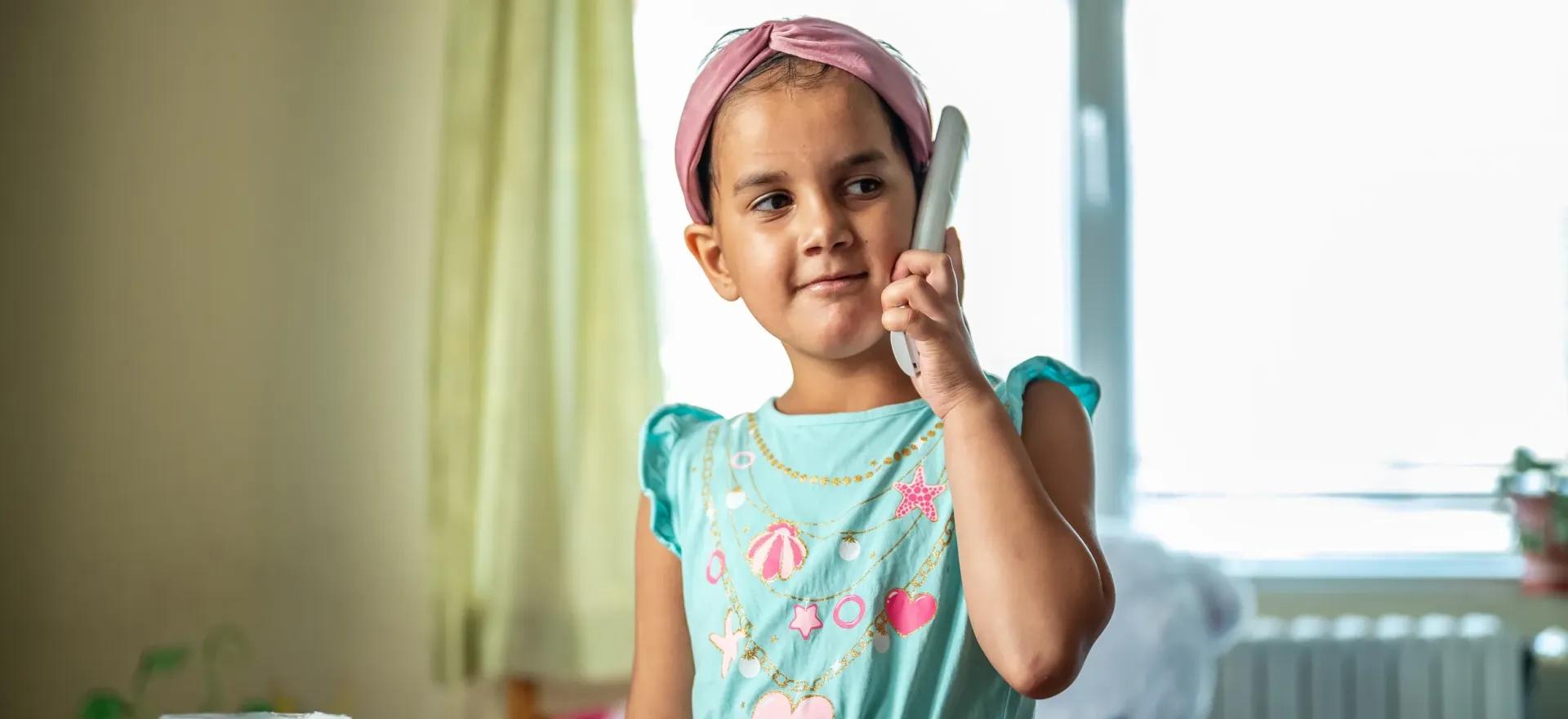
UNICEF/UNI867488/Minkov | Sylvia, 6, Bulgaria †
Poverty shapes every aspect of children’s daily lives, their relationships, opportunities, and futures.
My day, my right to a childhood
Every child has a right to survive, thrive and shape the world around them.
Throughout The State of the World’s Children 2025, you’ll find stories and quotes from children and young people.
Many of their stories are shaped by crises – with funding cuts closing classrooms, conflicts causing displacement, or the loss of family members upending livelihoods. In too many, children carry burdens far beyond their years.
But their stories also illustrate the hope and possibility of childhood, as children and young people seek out their rights to learn, to be healthy, and to play. And they are unified in their hope for a better future.
Solutions to end poverty must include the voices of those most affected.
It's time to listen to children.
• • •
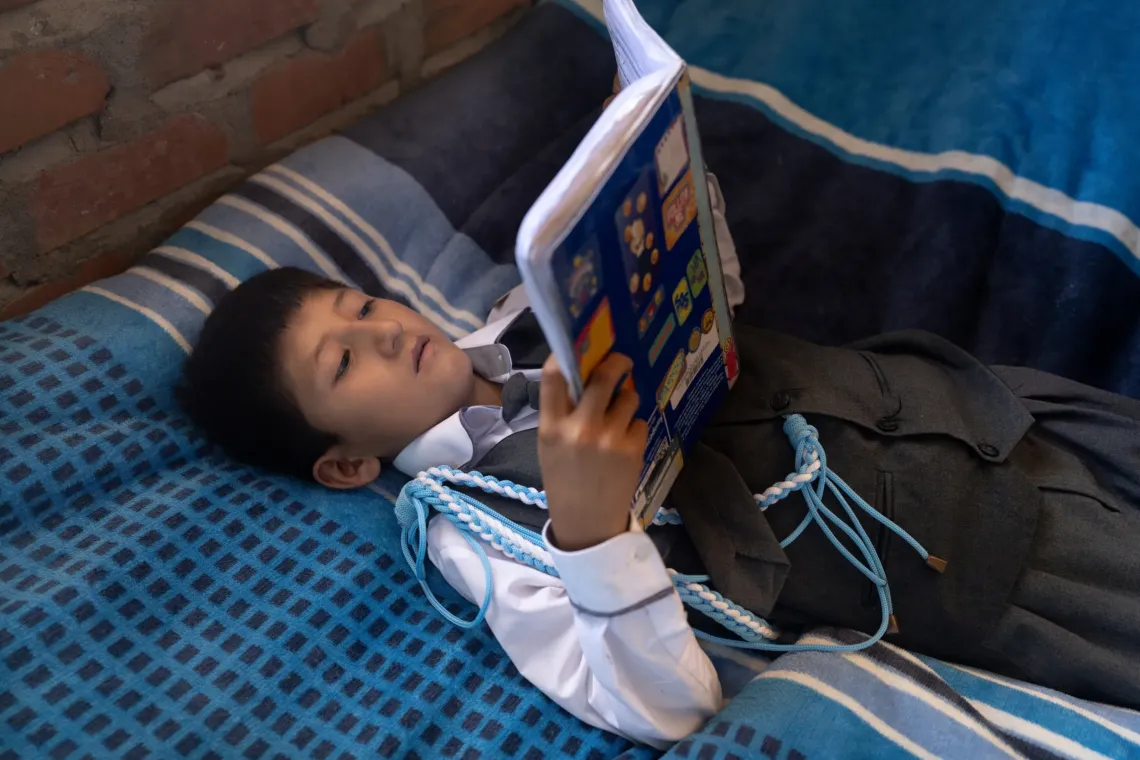
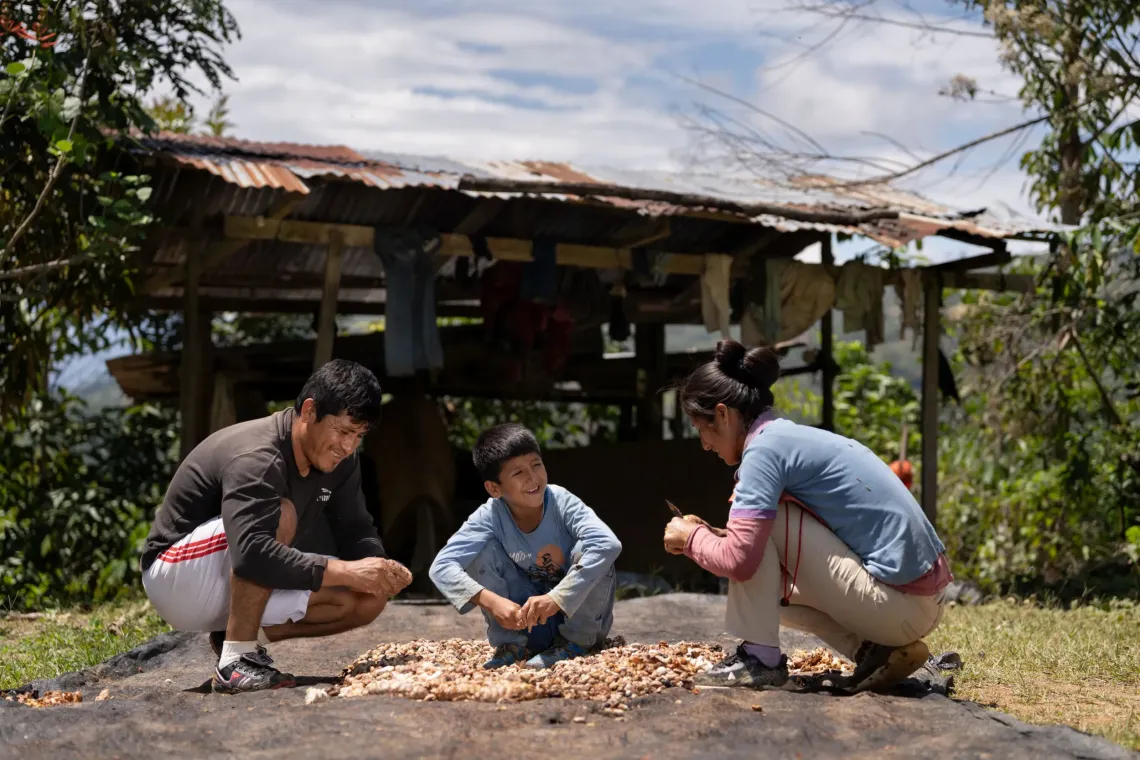
Hansel, 9, Peru
“When I grow up, I want to be a civil engineer like my brother Merlyn. I dream of building a house next to his, so my parents can live with us,” says Hansel.
“I want to finish my studies, help my family and my community. Instead of dirt roads, I want to see paved streets and better homes,” shares his bother.
Read Hansel's story.




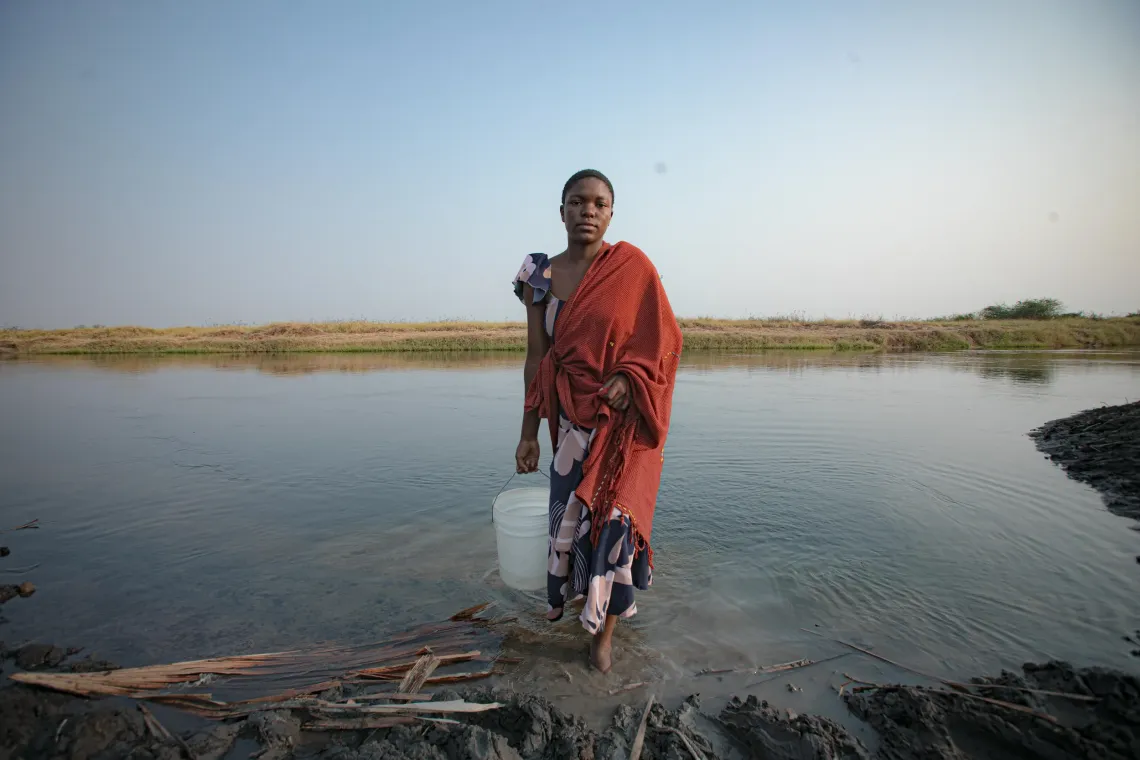
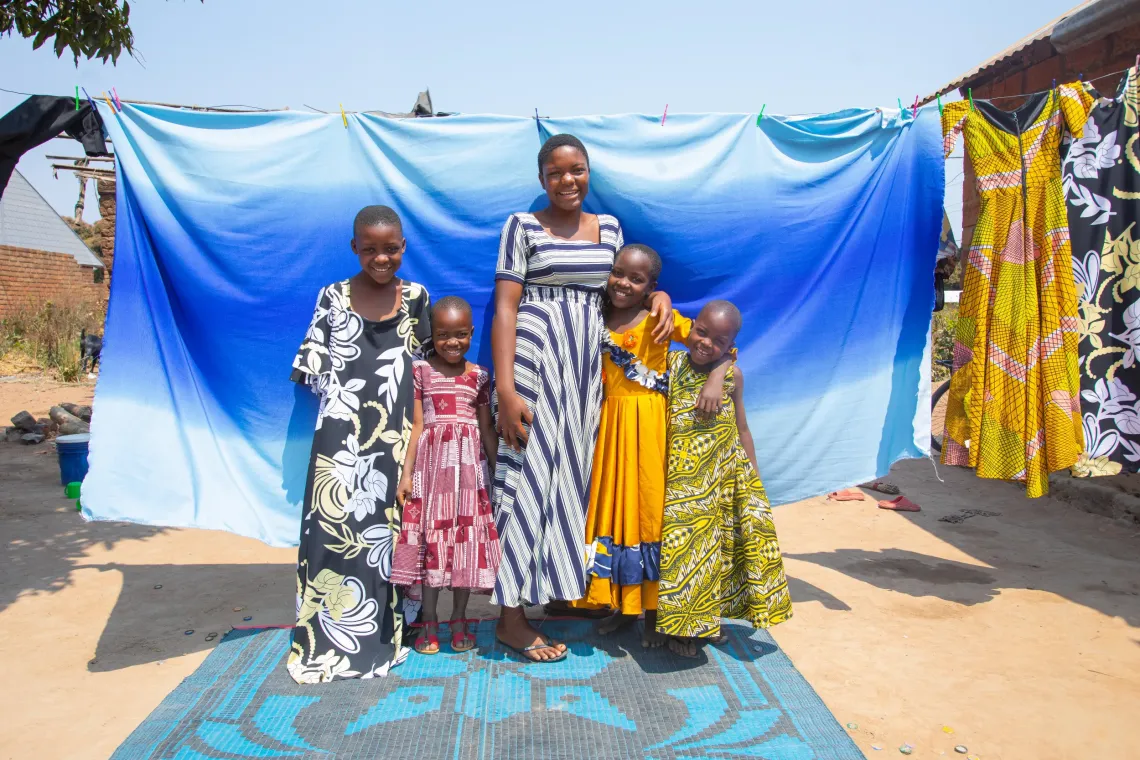
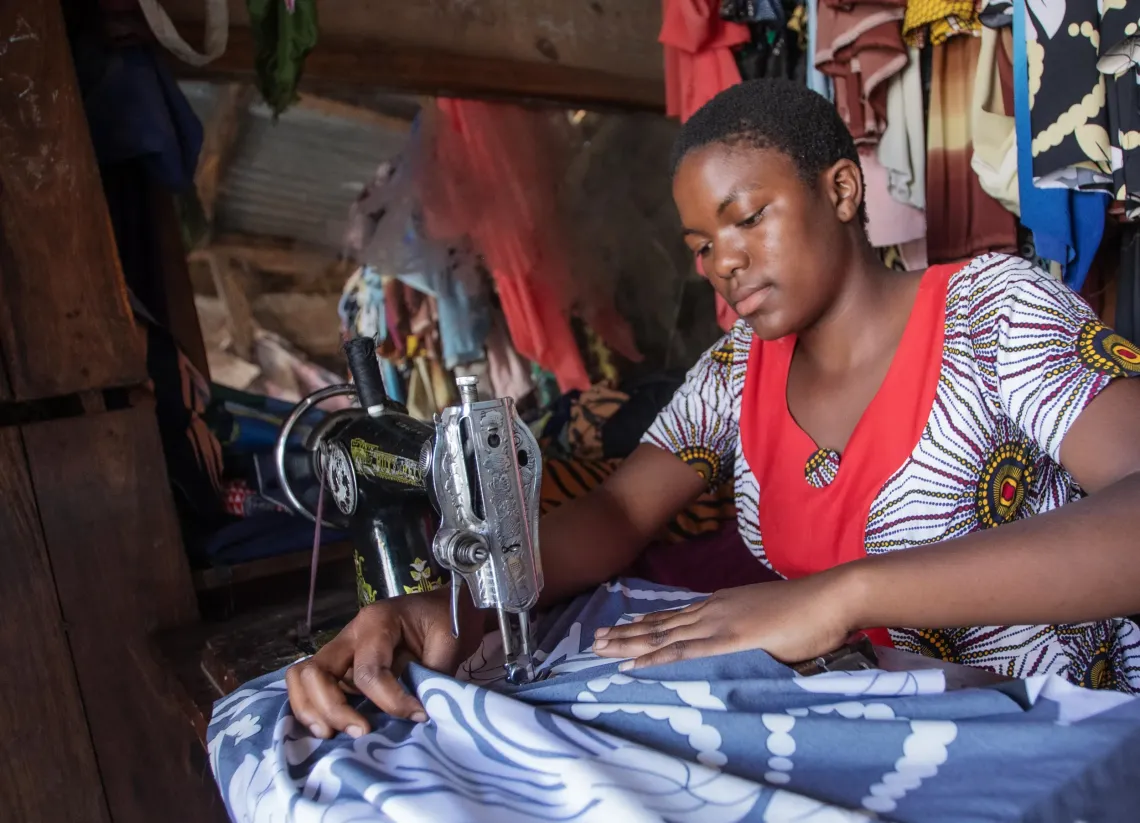
Antini, 17, Tanzania
“I love fashion, it’s my calling now,” Antini says. “My dream is to have my own shop with 30 sewing machines, where I can also teach youth.”
“I want my sisters to have a better future,” she says. “When Dad passed, I knew I had to step up to help my mother and siblings. Even though I wanted to learn, it felt impossible.” Read Antini's story.



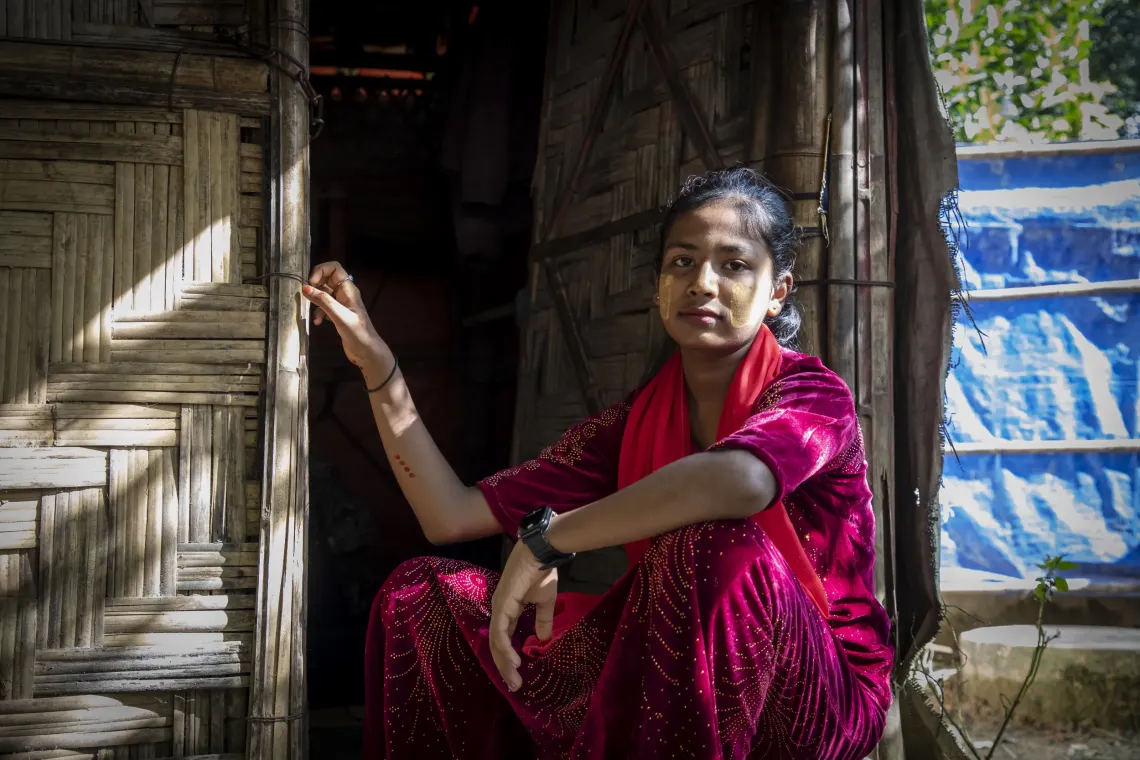
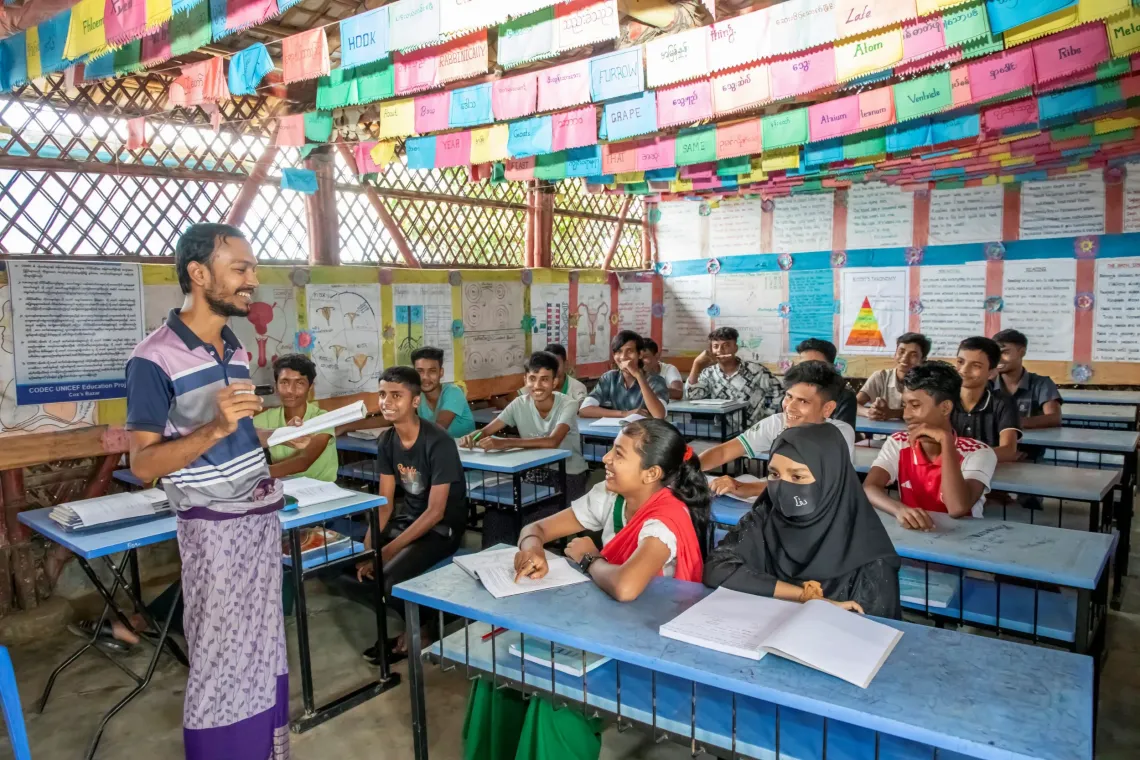
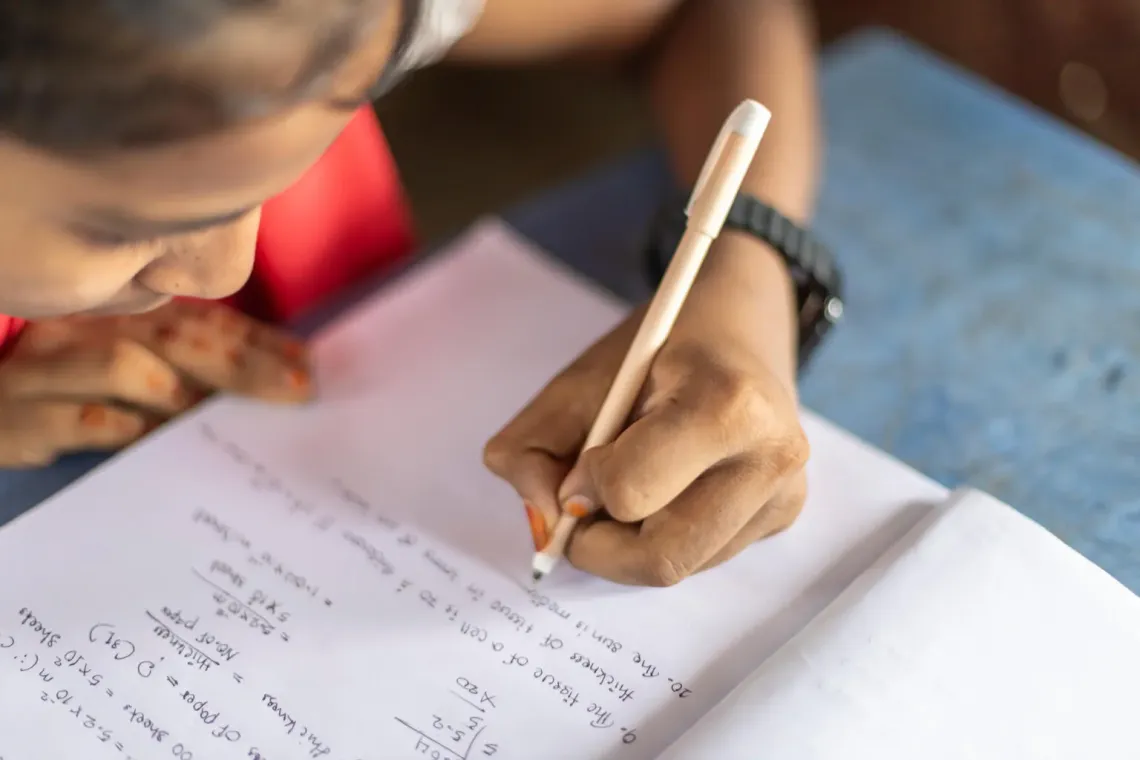
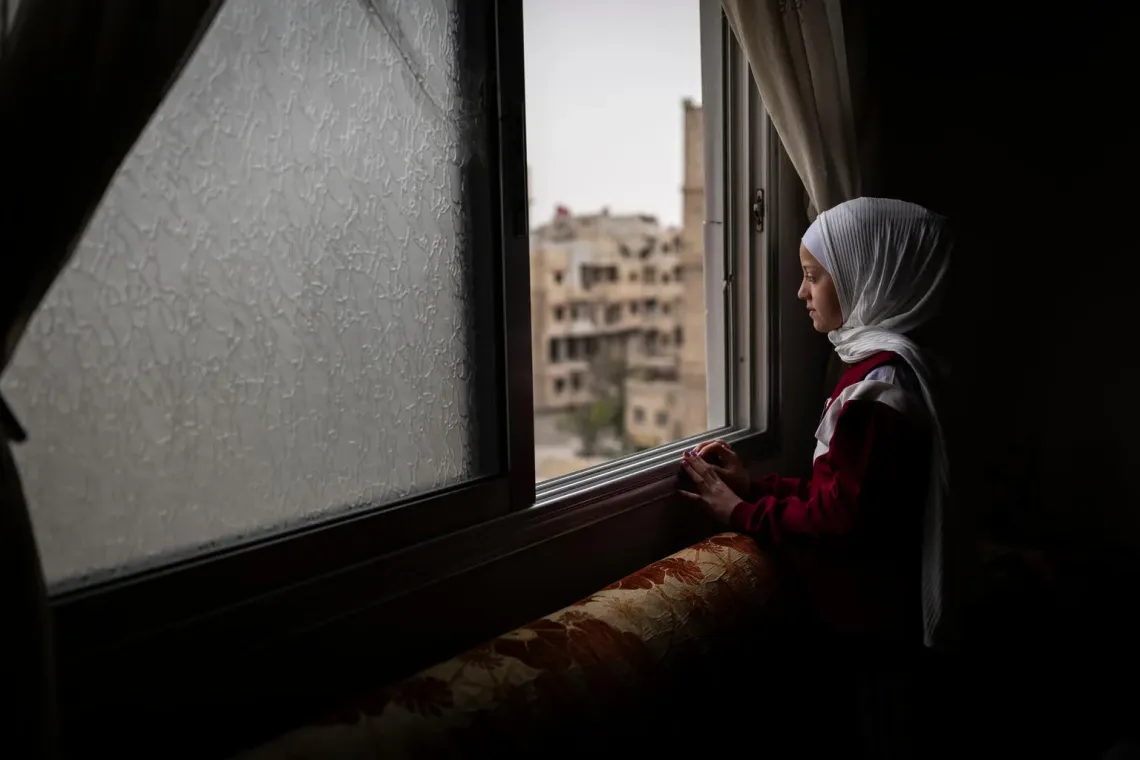
Kulsum, 14, Bangladesh
“I could not imagine not going to school. [When classrooms closed in Cox's Bazar] I could see my dream of becoming a teacher disappearing. With education, you can even become a president,” says Kulsum.‡
“For me, education is so important because I have no parents. I must take care of myself. I must create my own life. I heard there is no more money to teach us. But I was very happy when I was told some of us can return to school.”



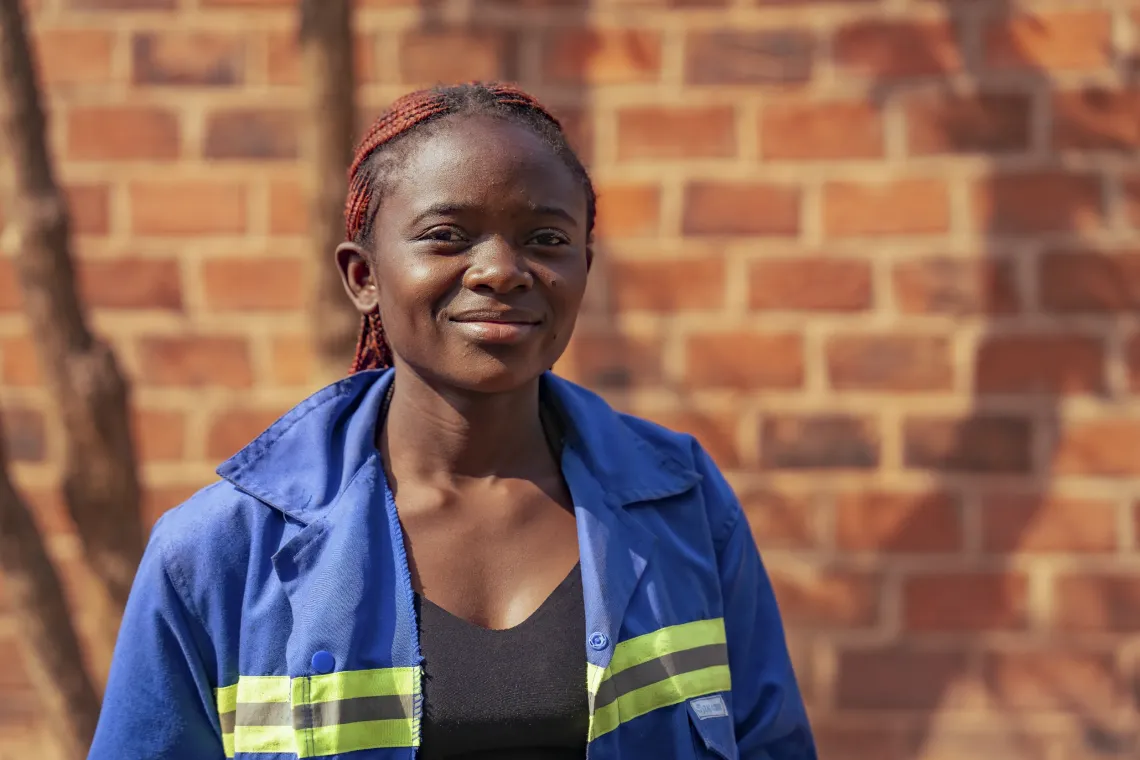
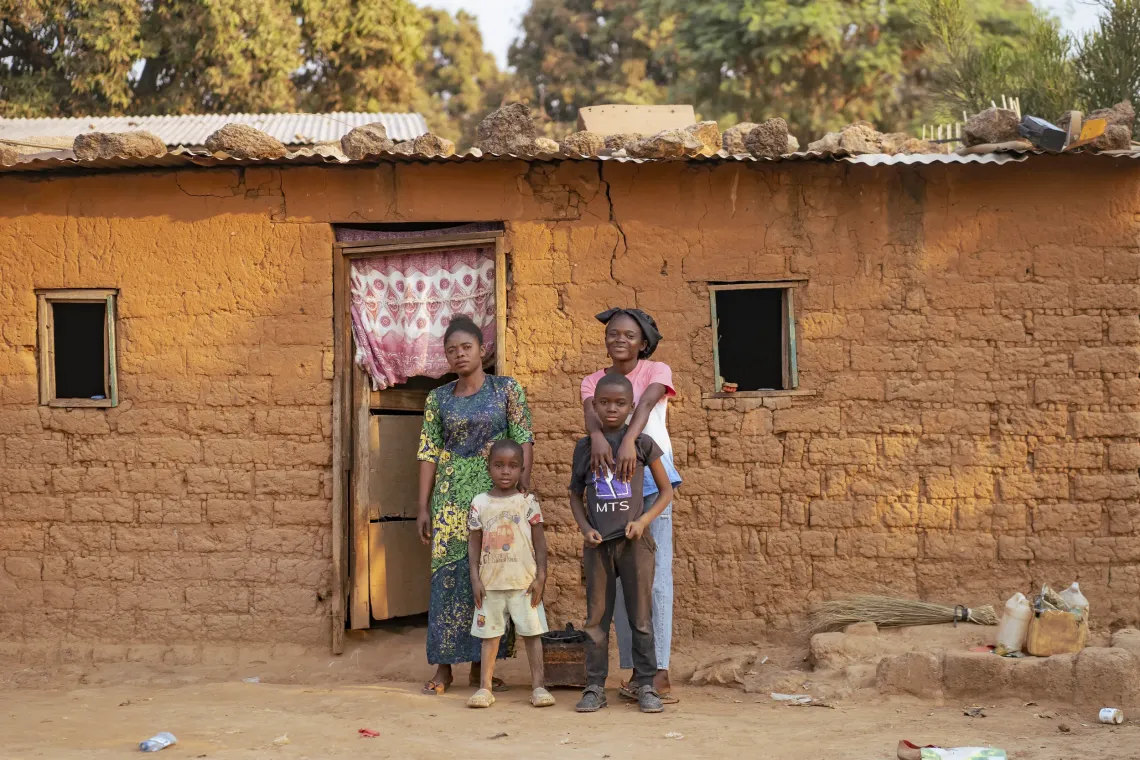
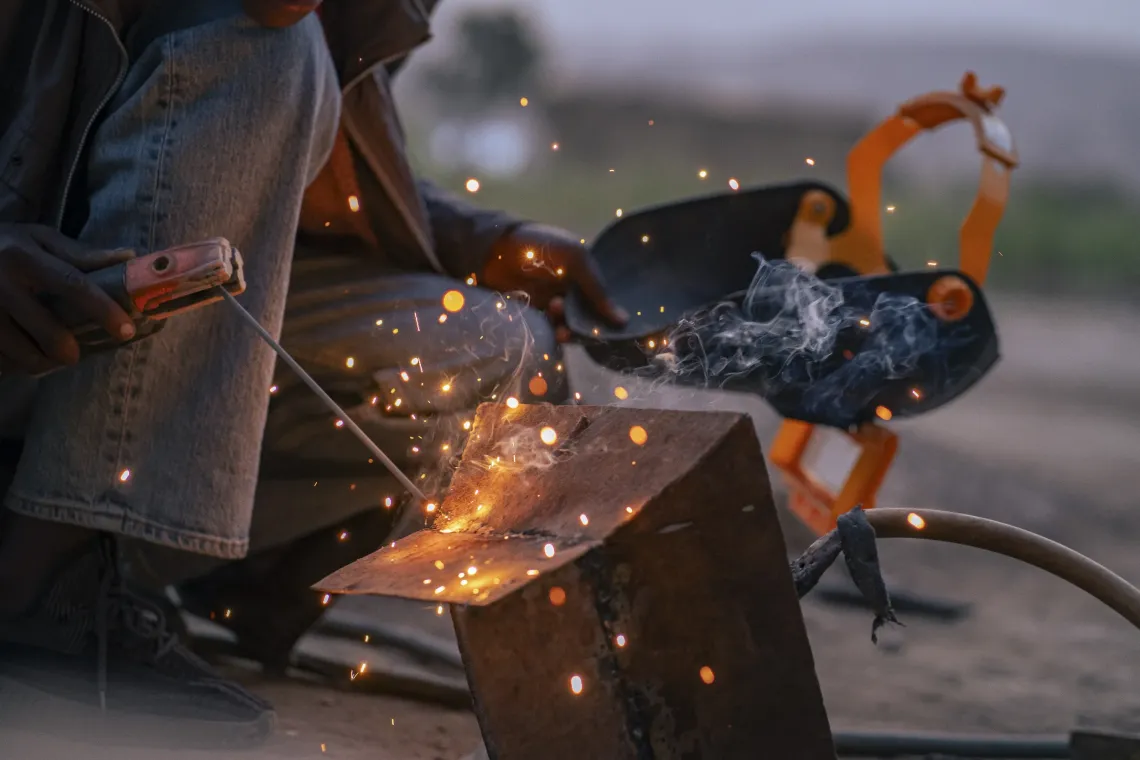
Astride, 16, Democratic Republic of the Congo
“I lost five years of schooling to the mines. But through welding I gained strength and independence. I’m now confident in my future,” says Astride.
“I want other children to have a chance at a different life,” she shares. “I dreamed of becoming a doctor, but life took me elsewhere. Today, I am proud and happy with my career path.”



How to end child poverty
Decades of effort to end child poverty have uncovered proven strategies that are essential for making progress.
Ending child poverty is a policy choice.
Five policy pillars for ending child poverty
These pillars focus on integrating efforts across nutrition, health, education, housing and the labour market. They also prioritize equity and empowerment, helping families to become self-sufficient, while leveraging evidence-based design across interventions.
solutions
Embedding child poverty reduction in laws, plans and budgets transforms it from aspiration into binding obligation. Prioritizing child poverty in national strategies drives political commitment, mobilizing resources and ensuring coordinated action across sectors. Integrating child poverty into broader development frameworks also strengthens accountability and secures sustained funding.
Reducing child poverty requires embedding children’s needs into economic and fiscal governance. Central banks should assess how interest rate changes affect families, and legal frameworks should protect child-related spending and include automatic inflation adjustments. Child-sensitive budgeting and transparency mechanisms also support accountability – countries with more transparent budgets tend to spend more on health care and child well-being.
Both universal and targeted family and child benefits have demonstrably helped reduce child poverty rates, improved nutrition and health, and increased school attendance and completion. Targeted cash transfer programmes have proven effective in countries including Brazil, Mexico and South Africa, while Poland’s universal child benefit has helped drive a substantial reduction in child poverty rates. Still, approximately 1.6 billion children globally lack any form of social protection coverage.
Children need reliable access to education, healthcare, water, sanitation, nutrition, information, play and housing to support their learning, development and well-being. Indonesia’s School Operational Assistance programme has reduced financial burdens on families while increasing enrolment and retention, while Bangladesh’s integrated maternal and infant nutrition efforts have steadily lowered the country’s stunting rates.
Children’s well-being is closely tied to their caregivers’ economic security. Despite a low global unemployment rate, more than 58 per cent of the global workforce were informally employed in 2023. In Africa, 29 per cent of working people were living in poverty – more than four times the global rate. Practical steps to ensure decent work include legislating and enforcing minimum wages, increasing formalization through incentives, extending social security to informal workers. Policies must also support workers’ care responsibilities through paid parental leave and affordable childcare.
Three crises threatening progress on child poverty
While proven solutions exist, three immediate crises threaten to undermine efforts to reduce child poverty. These crises are harming children now – destroying livelihoods, displacing families, disrupting education, and causing hunger and malnutrition. They demand adaptation and strategic, scalable solutions.
Without urgent action, we risk consigning millions more children to lives of deprivation.
crises
Each year, four out of five children face at least one extreme climate hazard, such as a heatwave, flood or drought.
Climate hazards and poverty form a vicious cycle. Children living in poverty are more likely to be exposed to extreme climate hazards, and these hazards push families deeper into poverty.
To protect all children, responses need to include strengthening climate-resilient infrastructure and services, while better supporting displaced children.
The world is experiencing a historic rise in armed conflict. In 2024, about 19 per cent of the world’s children lived in a conflict area – double the proportion 30 years ago.
Conflict causes poverty by undermining economic stability, destroying infrastructure, and disrupting public services like water, education, and energy. It puts children’s lives and futures at risk.
To protect children in these settings, responses need to include ensuring humanitarian access, investing in social protection, and prioritizing education.
Too many governments face a difficult challenge: how to invest adequately in children when funding is scarce. Forty-five of the world’s developing countries now pay more in debt interest than they spend on health, and 22 spend more on interest than education. If this trend continues, we risk creating an indebted generation – a cohort of children whose futures are compromised as countries struggle to service debt incurred before they were born.
At the same time, unprecedented cuts in development aid could result in the deaths of at least 4.5 million children under age 5 by 2030. Funding cuts directly impact life-saving programmes, forcing the delay or suspension of critical supports in education, health, and protection for children caught in crises.
Traditional solutions, like austerity or borrowing from new sources, risk deepening the crisis. Instead, debt restructuring can align the incentives of lenders and borrowing governments to transform obligations into opportunities. In such arrangements, creditors receive predictable returns while governments are incentivized to make robust, sustainable investments that improve children’s lives.

It is our shared responsibility to build a world where no child lives in poverty.
We have evidence of what works when conditions allow, and we have promising, scalable adaptations for when they don’t. What we need now is the will – to implement proven strategies, to listen to and learn from children, and to innovate solutions that can withstand today’s converging crises.
The rights of every child must be fully realized and upheld.
Our collective future depends on it.
Highlights
Far too many children live in poverty, deprived of financial resources and essentials like schooling and sanitation. But child poverty is not inevitable. Countries have shown what is possible when they prioritize children. What we need now is commitment to implement proven strategies, to innovate as crises converge, and to keep an unwavering focus on the rights of every child.
Data: Access The State of the World’s Children: Statistical Compendium for vital statistics on child survival, development and protection.
* Cover photo: Hansel, 8, and his mother Nayci pose for a portrait at their home in Ayacucho, Peru.
† Collage: Sylvia, 6, plays in a Community Support Centre in Burgas, Bulgaria.
‡ Name has been changed to protect privacy.