In Peru, a blueprint for success
A family shares how a cash transfer programme has unlocked new possibilities – and dreams – for two brothers.
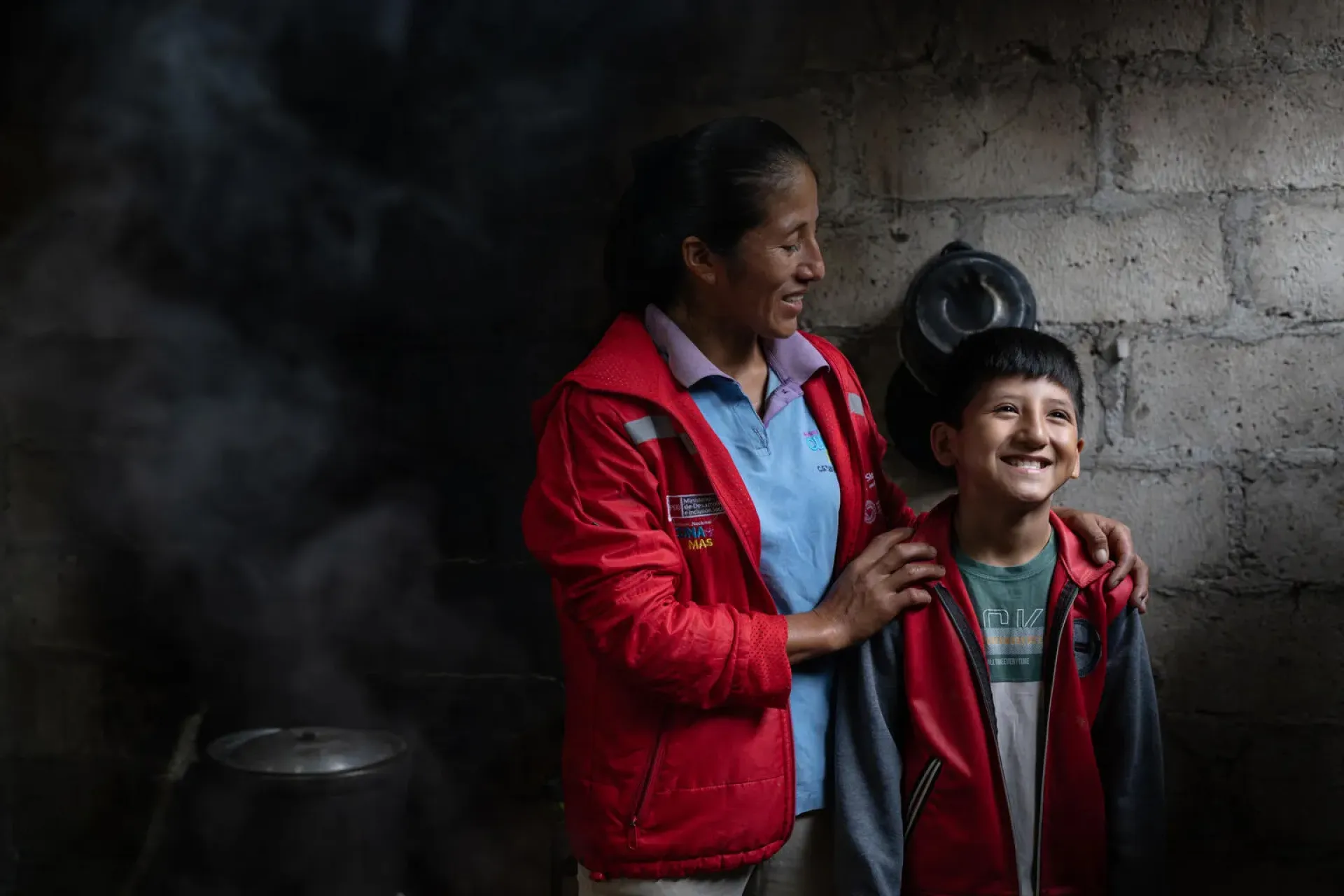
PAMPA MIRAFLORES, Peru – The morning sun glimmers over Pampa Miraflores, a small community nestled in the Apurímac, Ene, and Mantaro Rivers Valley. Here, in the Peruvian jungle, nine-year-old Hansel is already busy.
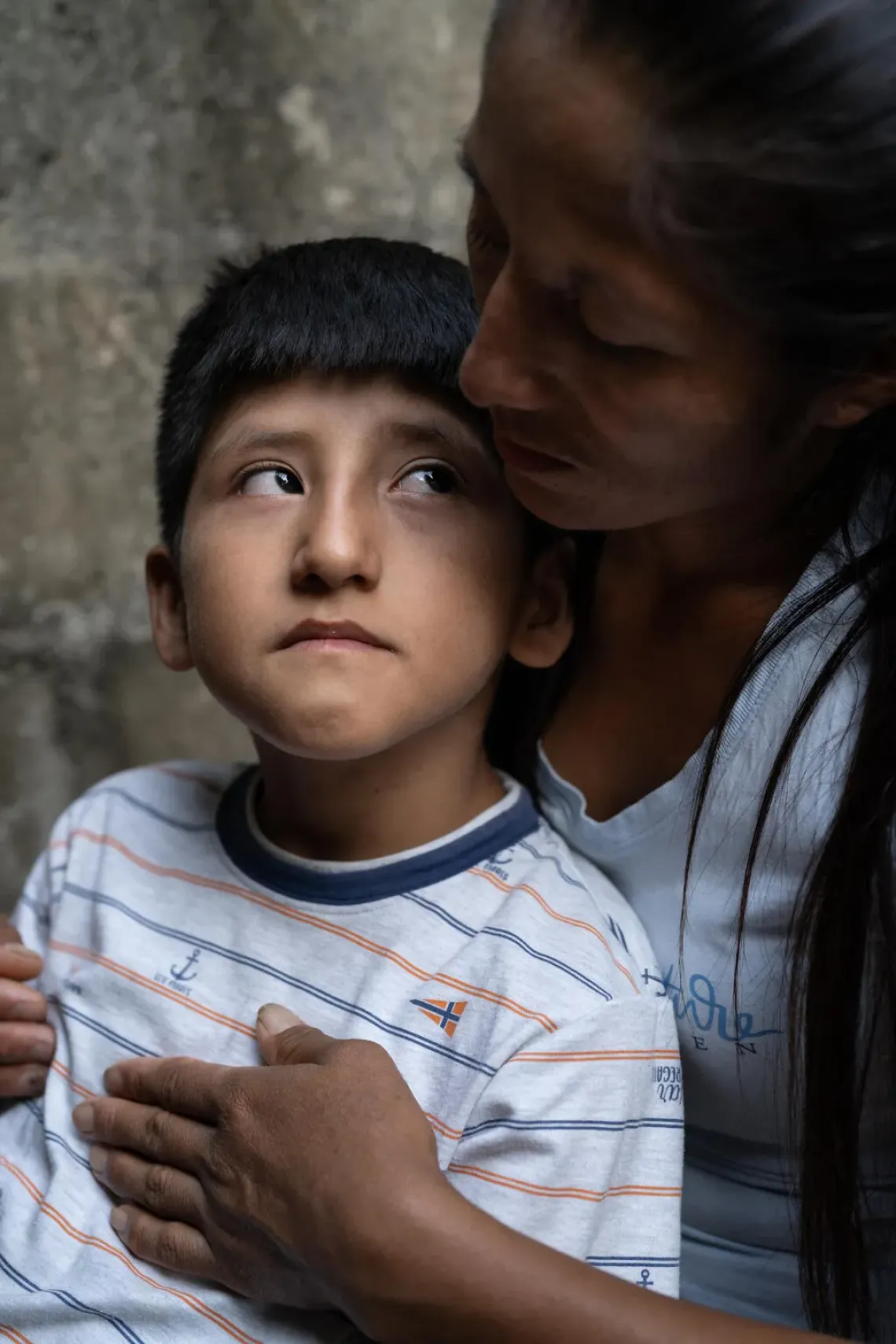
Hansel is crouched on the ground, his small hands busy sketching roads and houses into the dirt floor.
“When I grow up, I want to be a civil engineer like my brother Merlyn,” Hansel says, his eyes gleaming with pride. “I dream of building a house next to his, so my parents can live with us.”

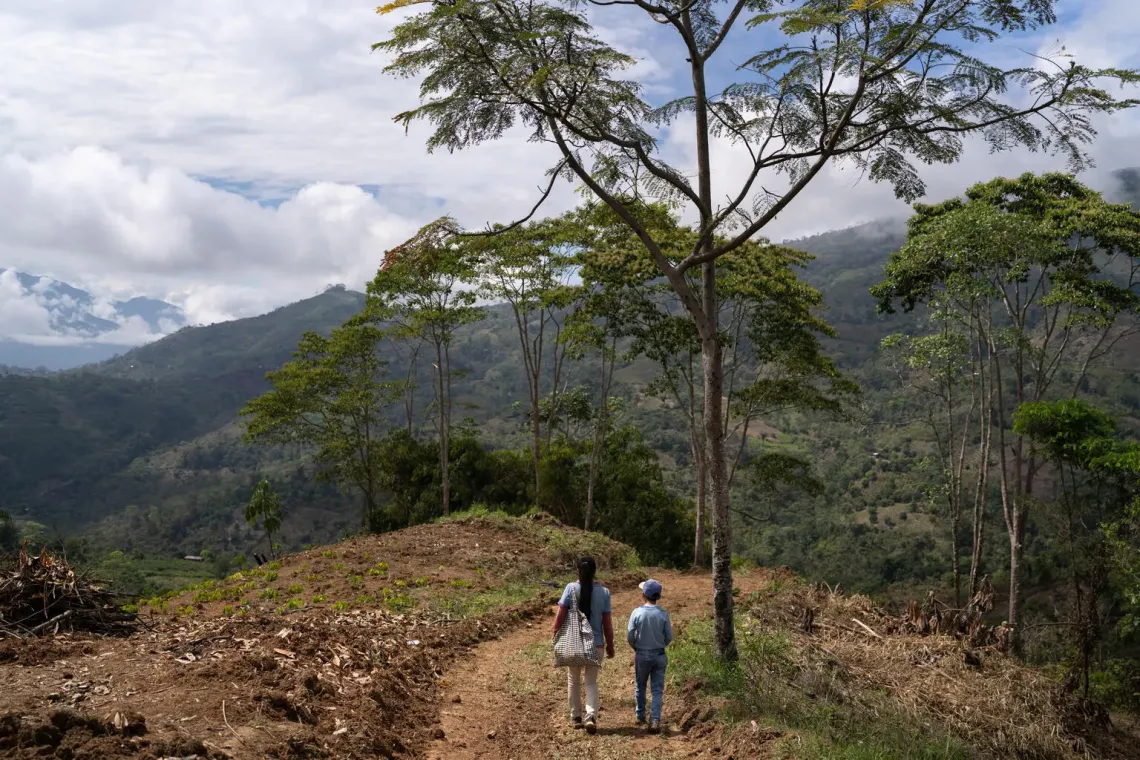

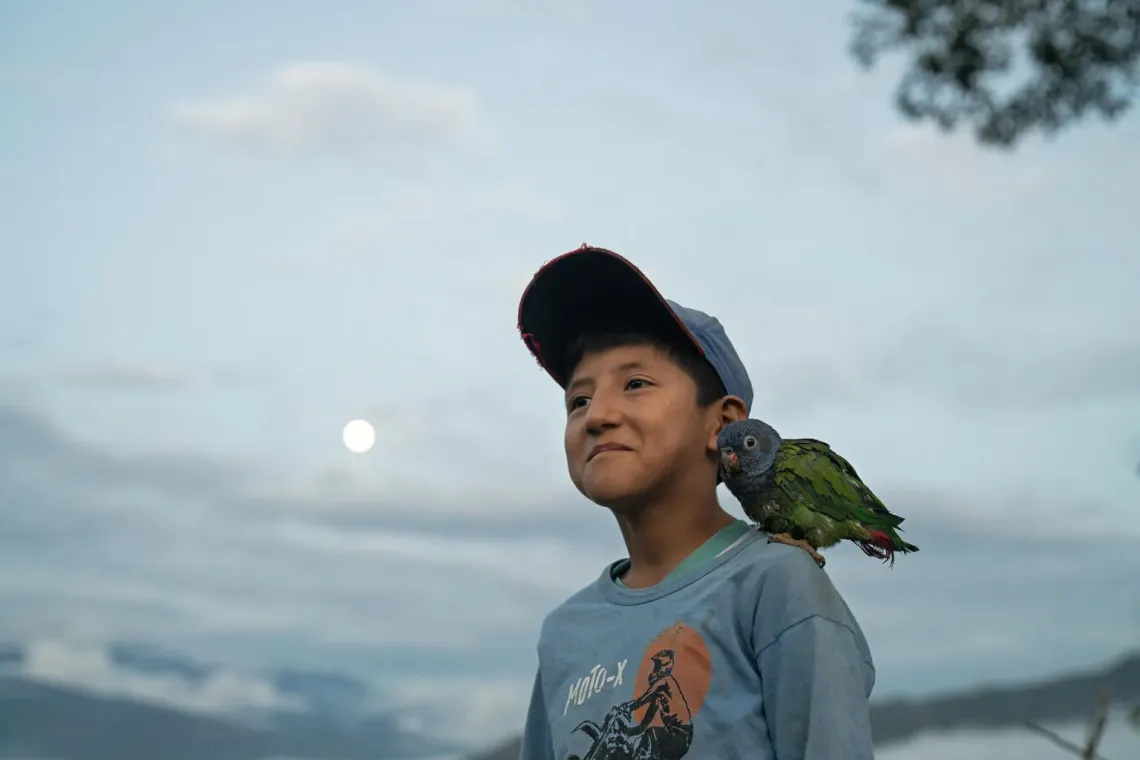
For Hansel, these sketches are more than just a childhood game. They represent a blueprint for a future that once seemed out of reach for children in a region long associated by many with drug trafficking and the lingering shadows of terrorism that devastated the country in the 1980s.
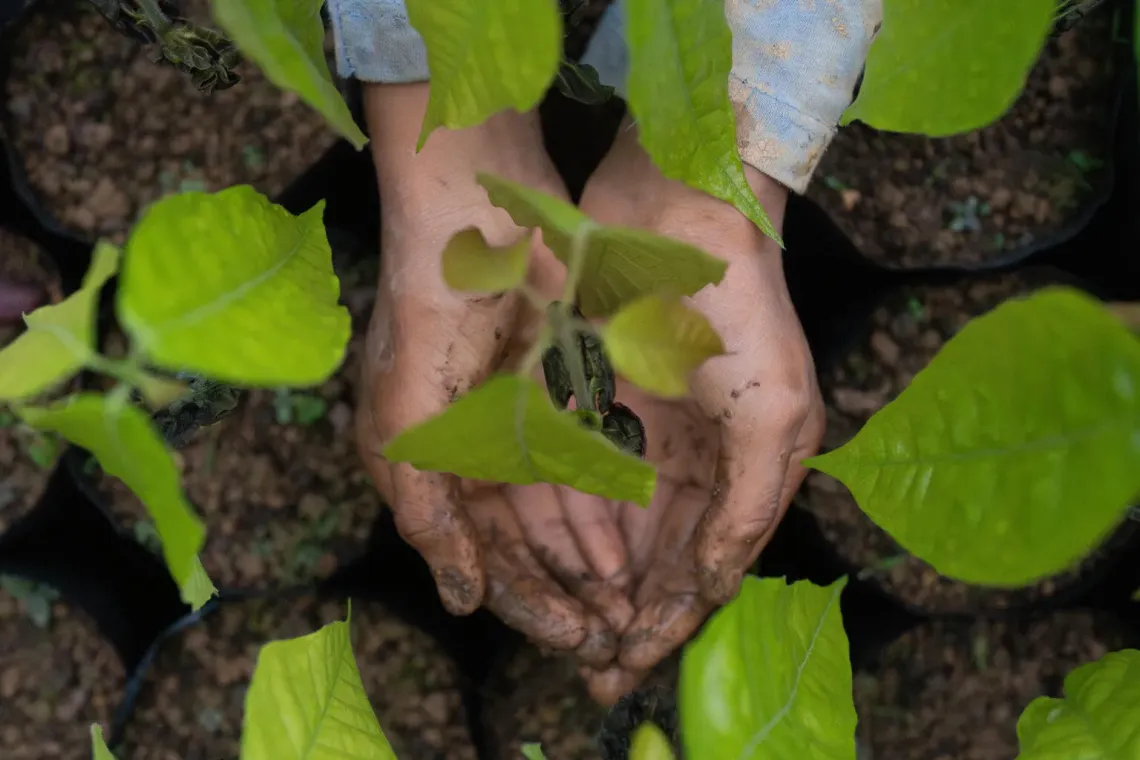
Today in Pampa Miraflores, most families rely on cocoa farming – a livelihood so precarious that children and adolescents are often called upon to work the fields to help keep their family afloat.
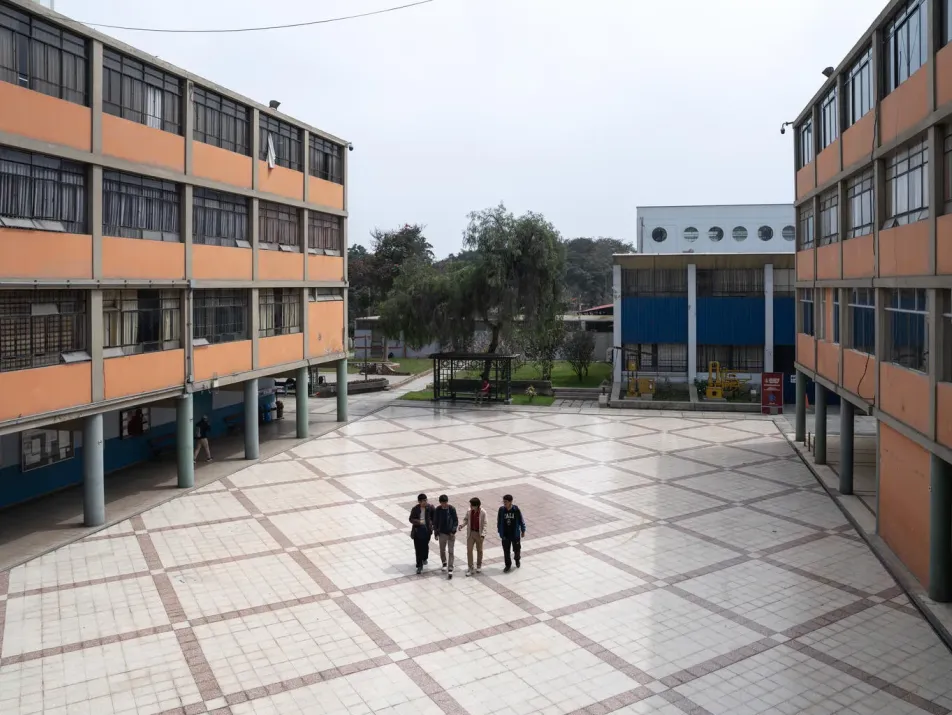
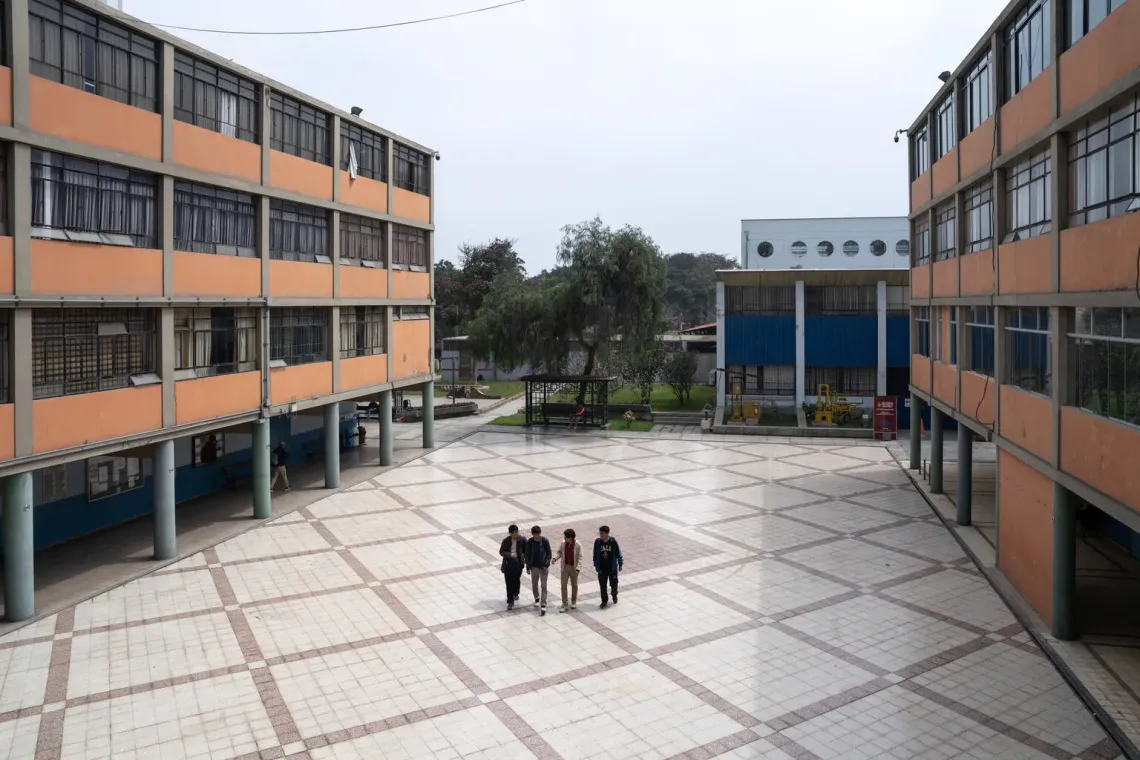
Hansel’s brother Merlyn had different dreams. Today he is working to complete his first-year as a civil engineering student at a top university in Lima.
Merlyn was the first student from Pampa Miraflores to earn a place in a high-performance school and win a state scholarship to the National University of Engineering in Lima.
The road to success was not an easy one, and was paved with hard work and support from a strong family.
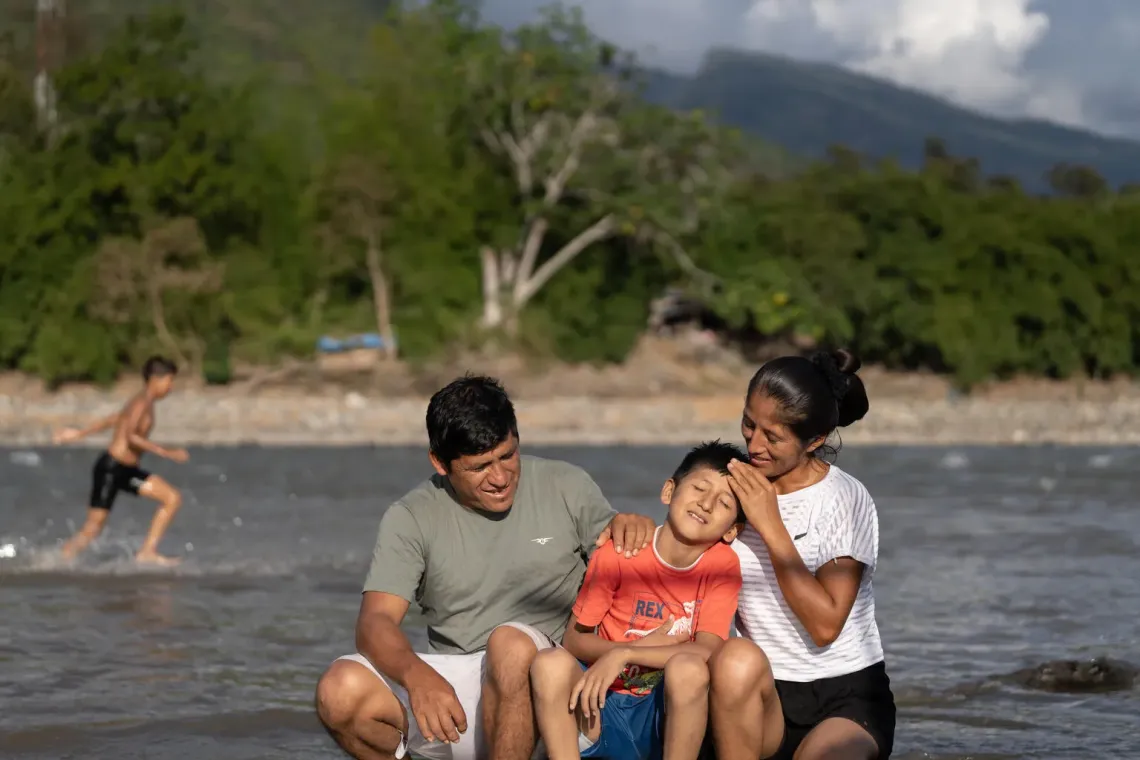
Hansel’s parents, John and Nayci, know this struggle well. Their own educations were cut short by the harsh realities of life in the valley. John once dreamed of becoming a mechanic, but he had to drop out of school to work and support his family.

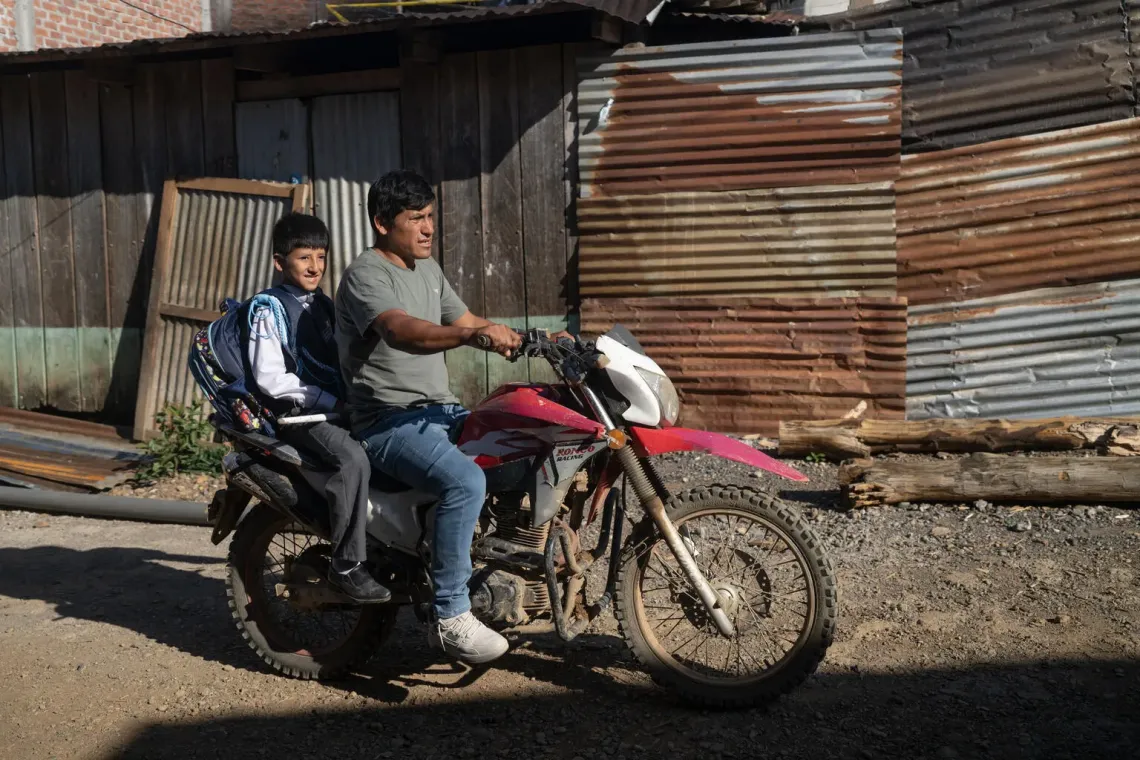
Nayci’s journey has been equally arduous. She loved her studies, braving a perilous, hour-long walk to school through desolate areas and over rough roads. However, when she became a mother shortly after finishing high school, her educational journey came to an abrupt halt.
“My husband grows cocoa on the farm, but he doesn’t have a fixed income,” Nayci explains, adding that the family helps Merlyn with day-to-day expenses.


To make ends meet, she works two roles – as an early childhood educator and a social worker. Together, her two salaries total approximately 1,530 soles (US$435 a month). It’s a challenge supporting a family and a son studying in the capital, but a vital lifeline has helped them bridge the gap.
Breaking the cycle
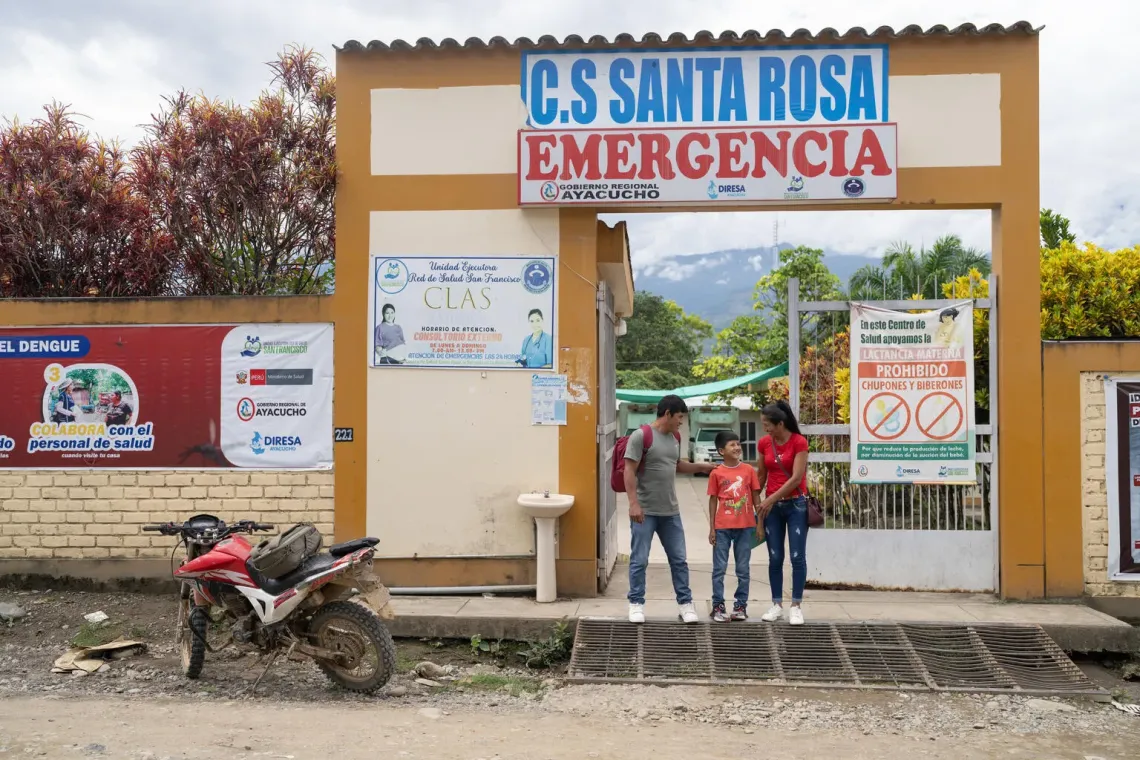
When Merlyn was five years old, the family enrolled in Juntos, a national conditional cash transfer programme. Through the programme, families receive approximately US$57 every two months, provided they fulfil specific responsibilities: keeping their children in school and ensuring they attend regular health checkups.
The programme, created by the government in 2005, is helping to break the cycle of poverty across generations, says Marco, a local manager for the programme.
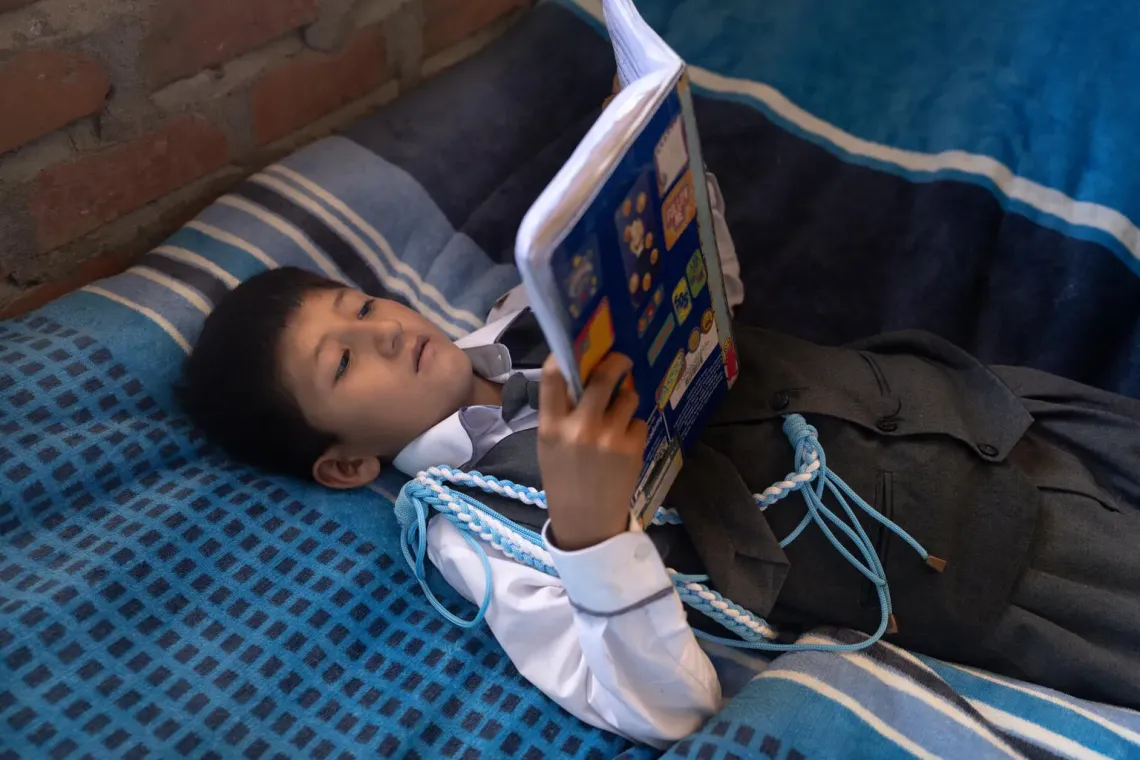
For Nayci, the impact is felt in small but essential moments of daily life. “Now the children are healthier and learning better,” she says. “Sometimes we have nothing at home, and then the money arrives – we use it to buy food, a notebook, or shoes. It’s something we can count on.”



Clearing a path
Such investments are paying off. Merlyn has become a symbol of hope for the entire community. His success has created a ripple effect among other children at the local school: If Merlyn did it, we can too.
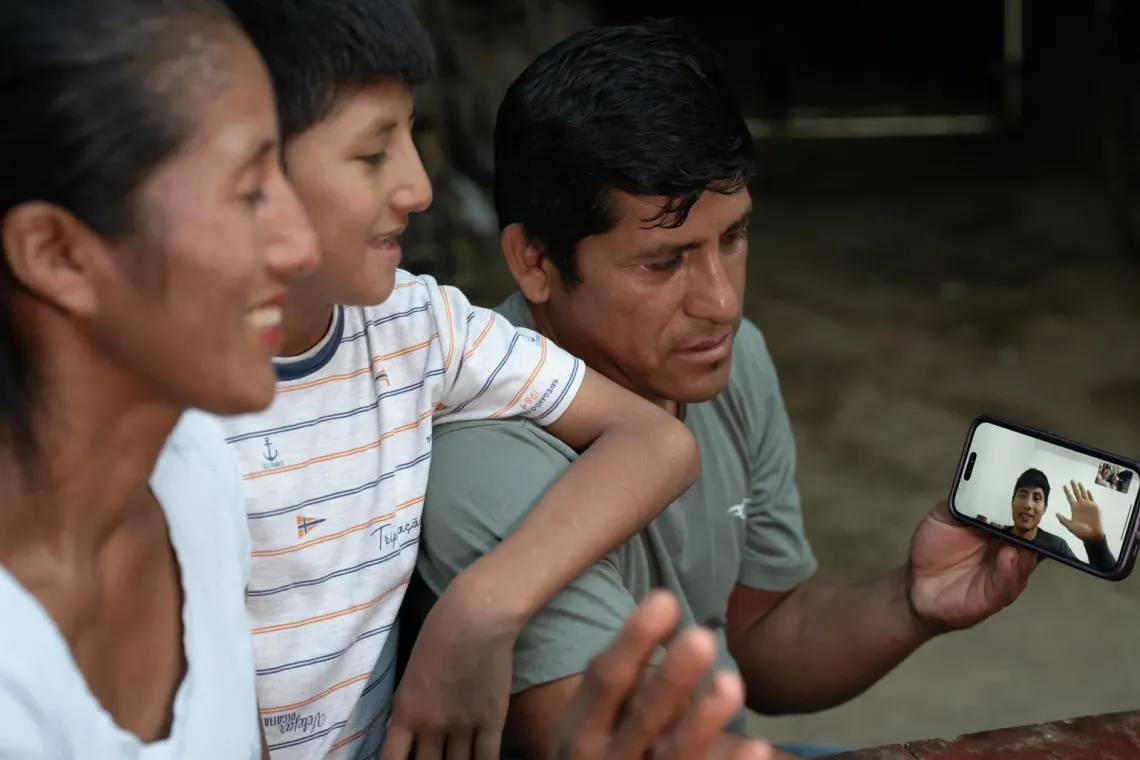
And although Merlyn is far from home, his community is never far from his mind.
“I want to finish my studies, help my family and my community,” Merlyn says. “Instead of dirt roads, I would like to see paved streets and better homes in my community.”
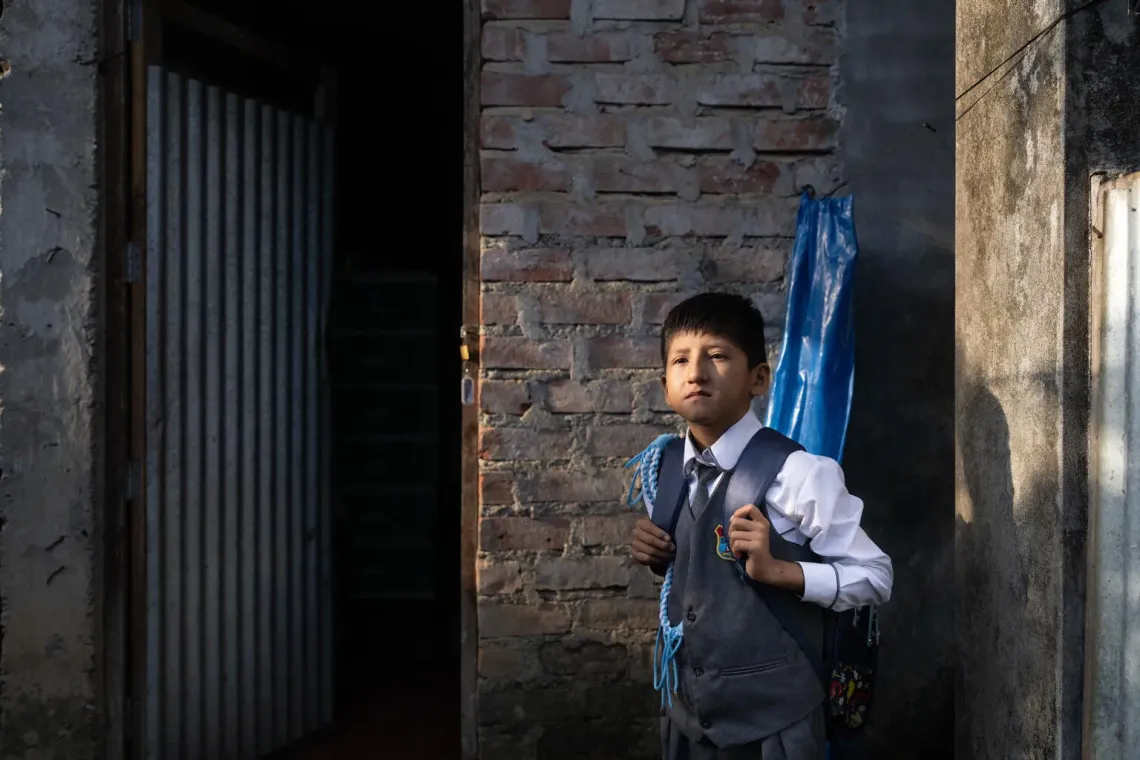

The two brothers are united by a single dream: to overcome the limitations of the past, honour their parents’ love and care, and build a future as solid as the homes they plan to design.
Learn more about ending child poverty in Peru and beyond in The State of the World's Children 2025.
UNICEF provides technical assistance to Juntos to strengthen the effectiveness of its interventions (conditional cash transfers such as TAS and TPI) and to advocate for them to benefit more children and adolescents like Merlyn and Hansel.