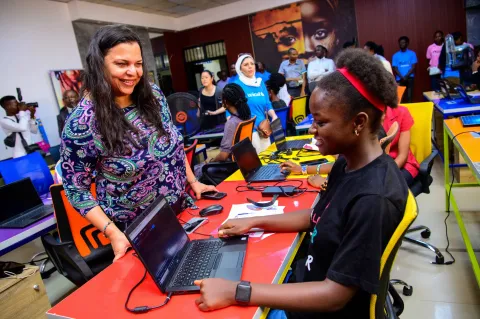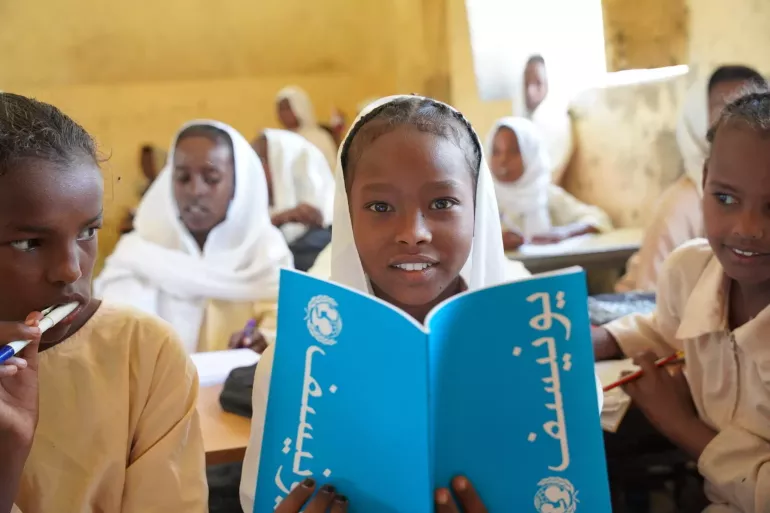
Over the past five years as UNICEF’s Global Director of Education and Adolescent Development, I find myself reflecting on the incredible children I have met and the various moving experiences I have had, particularly those in humanitarian situations.
Each crisis, each child, and each story is unforgettable.
In 2024, escalating conflicts, disasters, food insecurity, and public health emergencies have created unprecedented global humanitarian needs. More children than ever are affected by crises, not learning, and not in school.
UNICEF is taking urgent and bold action to ensure that every child is learning in times of crisis, especially girls, children with disabilities and children on the move, but it is becoming increasingly challenging.
As the numbers of children affected rise, the funding situation remains bleak. Here are nine critical crises which need urgent action and support:
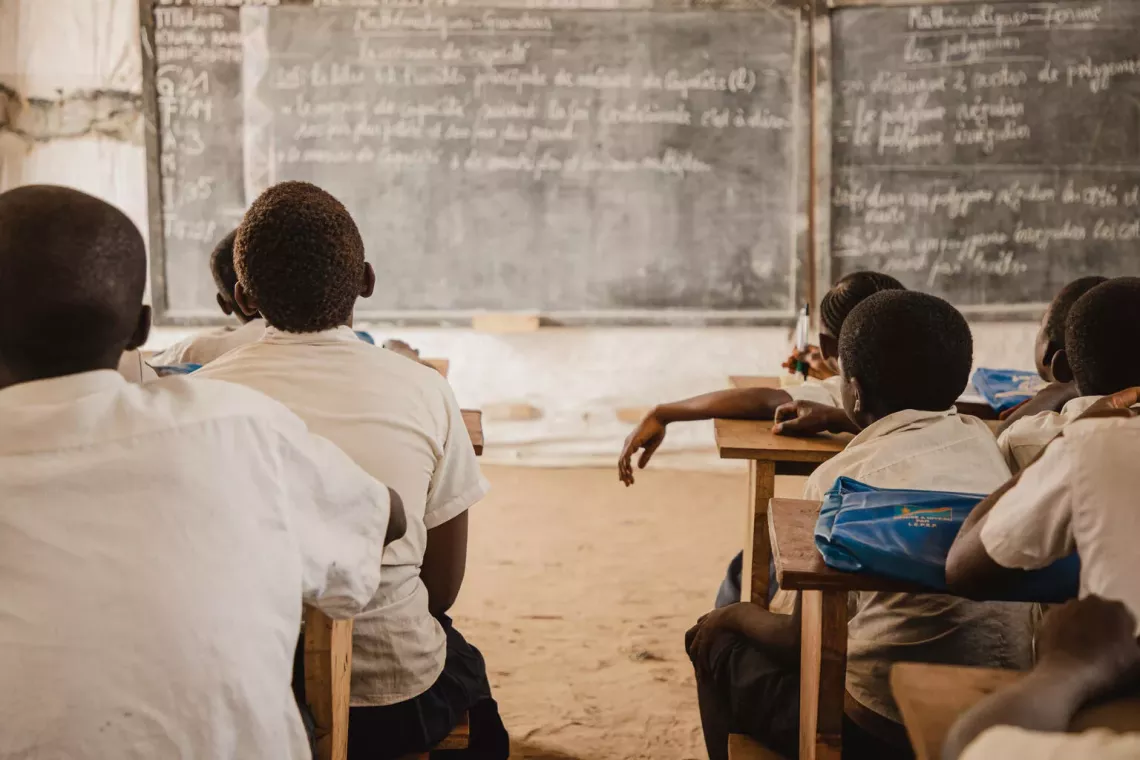
Democratic Republic of Congo (DRC)
In Eastern DRC, the intensification of crises has resulted in over 1.3 million children being out of school. Children are being killed, maimed, abducted, abandoned, and recruited into armed groups. There is an alarming increase in sexual and gender-based violence.
During my visit in 2023, I saw firsthand the significant positive impact of UNICEF’s efforts including temporary learning spaces where children can continue learning amid the turmoil and access critical mental health and psychosocial support.
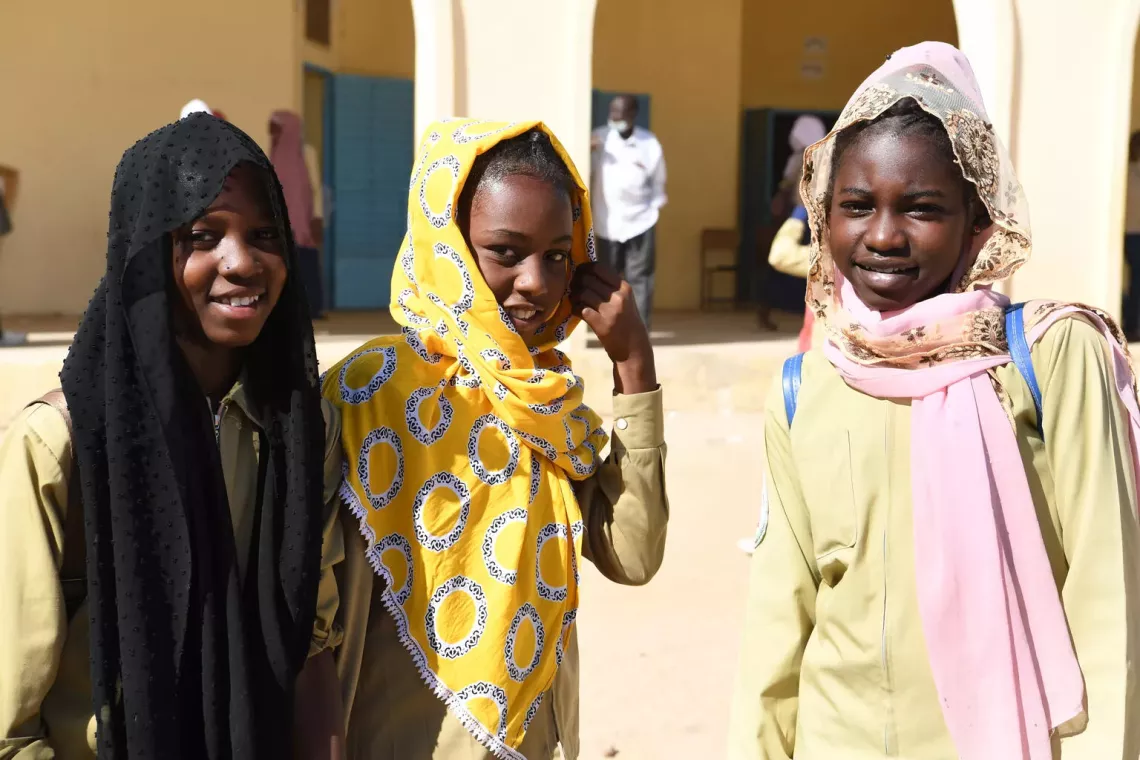
Eastern Chad
The influx of refugees from Sudan has compounded an already severe crisis in Eastern Chad triggered by conflict, poverty, and climate change. Sudanese children are struggling to adapt to new learning environments. However, UNICEF’s catch-up and remedial programmes are supporting children to adjust to a new language of instruction and curriculum.

Ethiopia
Ethiopia is facing an education crisis. According to recent estimates, approximately 17 million children are out of school, nearly half of them girls.
Despite the challenges, UNICEF continues to support children's education by providing teaching and learning materials, teacher training, accelerated learning programmes and life-skills education, as well as improving learning facilities and establishing safe learning spaces.
Haiti
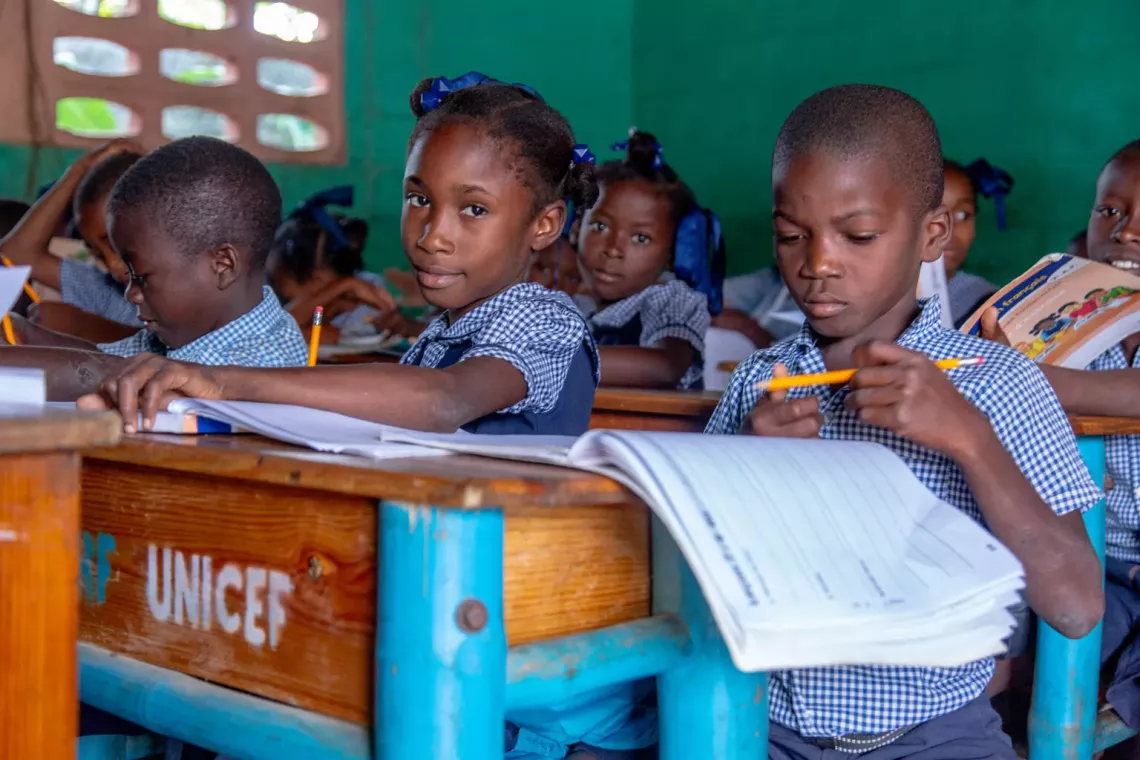
Haiti’s significant decline in security and the escalation of school closures has created uncertainty around the future of children’s education.
In response, UNICEF is providing learning materials, training teachers, facilitating children’s access to mental health and psychosocial support, and supporting children affected by violence and displacement to reintegrate into formal education. Where reintegration is not feasible, UNICEF is working with partners to establish safe temporary learning spaces.
Mali
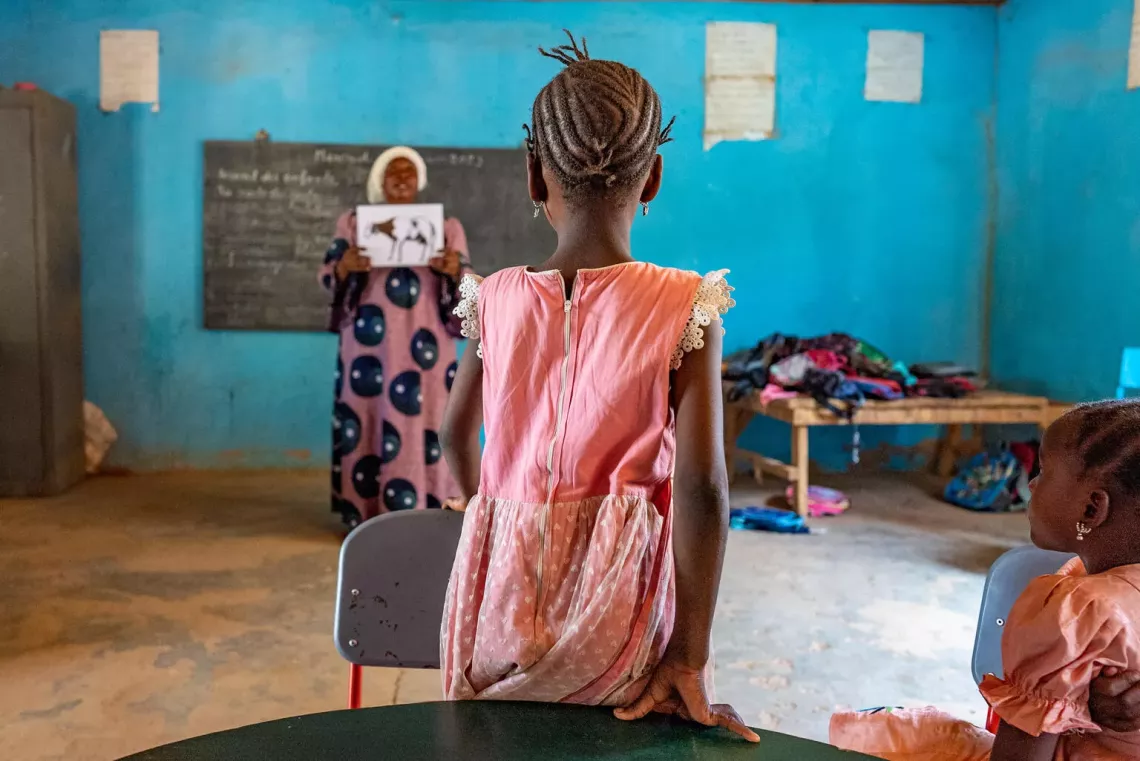
In Mali, over 522,000 children’s education is affected by insecurity and attacks on educational infrastructure.
UNICEF’s alternative education programmes, including radio education and accelerated learning programmes are lifelines for children, allowing them to learn despite the significant challenges.
Myanmar
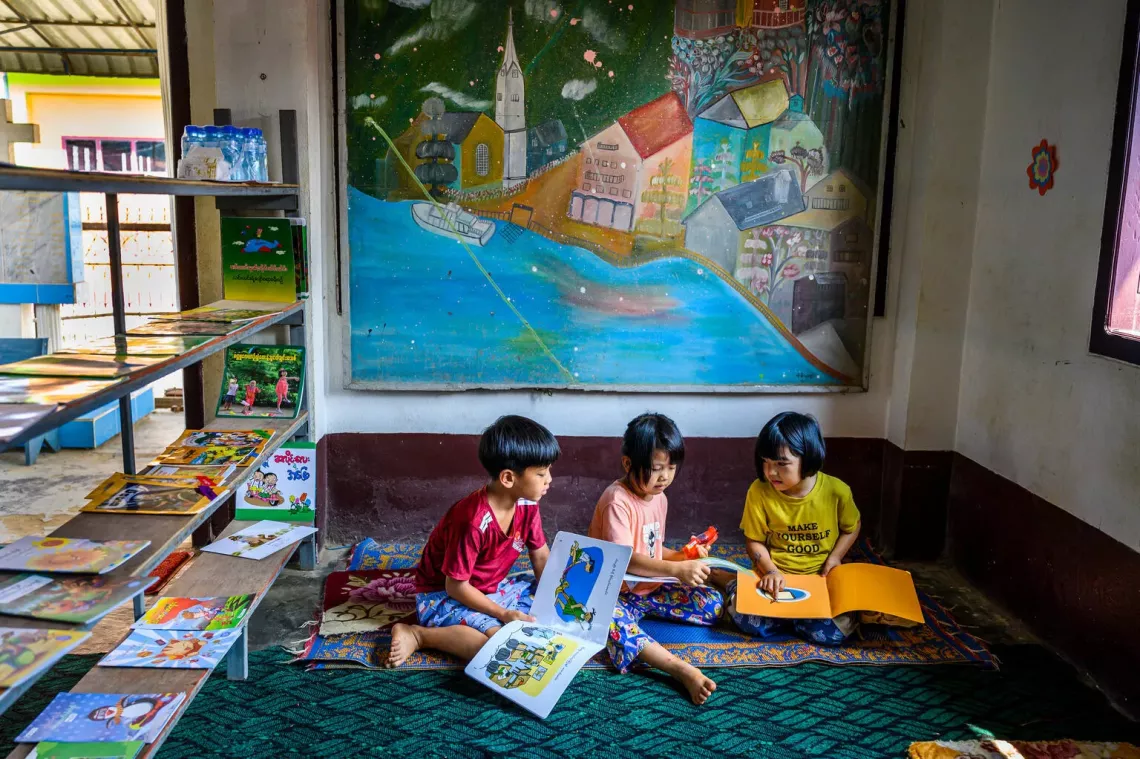
Attacks on schools continue at alarming levels. Approximately 4.5 million children need education support and more than 90 per cent of children and young people lack access to mental health care.
UNICEF’s safe temporary learning spaces and psychosocial training for teachers and caregivers are supporting children to continue learning and cope with the trauma of conflict.
State of Palestine
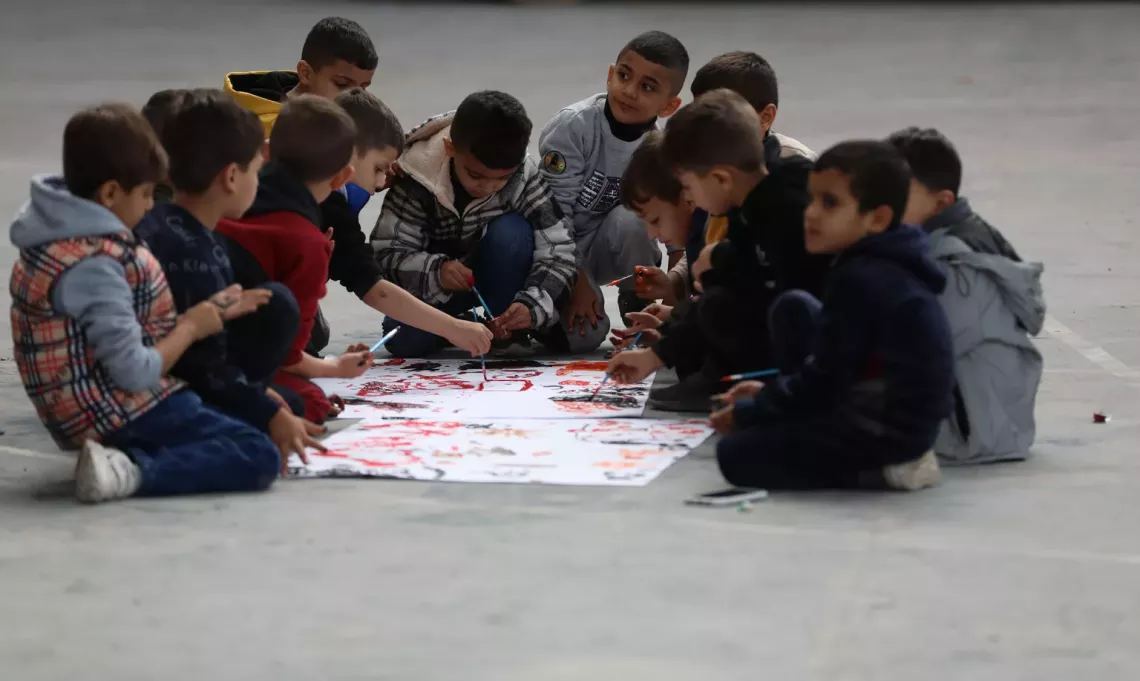
In Gaza, the conflict has severely disrupted children's learning. Currently, over 87 per cent of school buildings are damaged or destroyed and over 625,000 school-aged children have lost an entire school year. UNICEF estimates that almost all children – more than 1 million – need mental health and psychosocial support.
UNICEF’s recreational activities for children and adolescents allow them to momentarily escape the horrors of war. With partners, UNICEF is planning to scale up learning opportunities and safeguard children’s well-being by establishing safe learning spaces where children and youth can access mental health and psychosocial support and learn social emotional and life skills.
Sudan
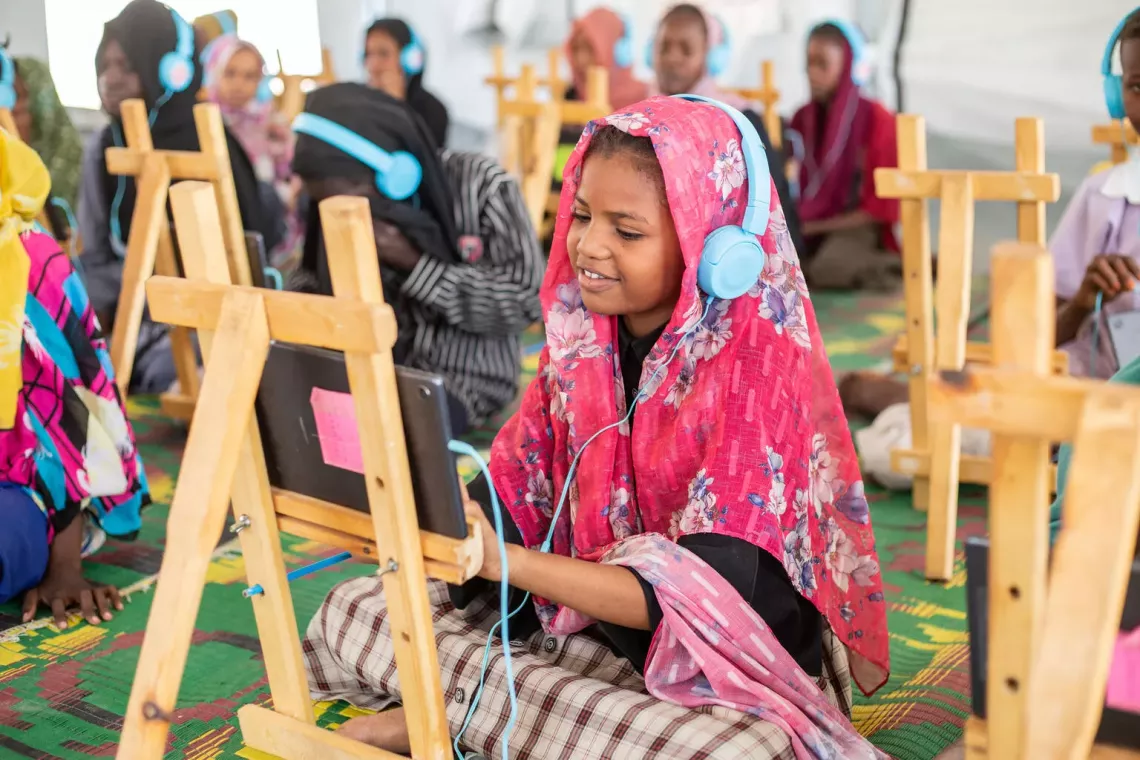
Sudan’s ongoing conflict has created the largest child displacement crisis in the world. With over 90 per cent of school-aged children not in school, an entire generation of children is facing catastrophe.
UNICEF is implementing the Makanna ‘our space’ approach, which are safe places where children can learn, play, and heal. The Makanna centres provide critical services including psychosocial support, family tracing and reunification for unaccompanied and separated children, support for gender-based violence, and mine risk education.
Ukraine
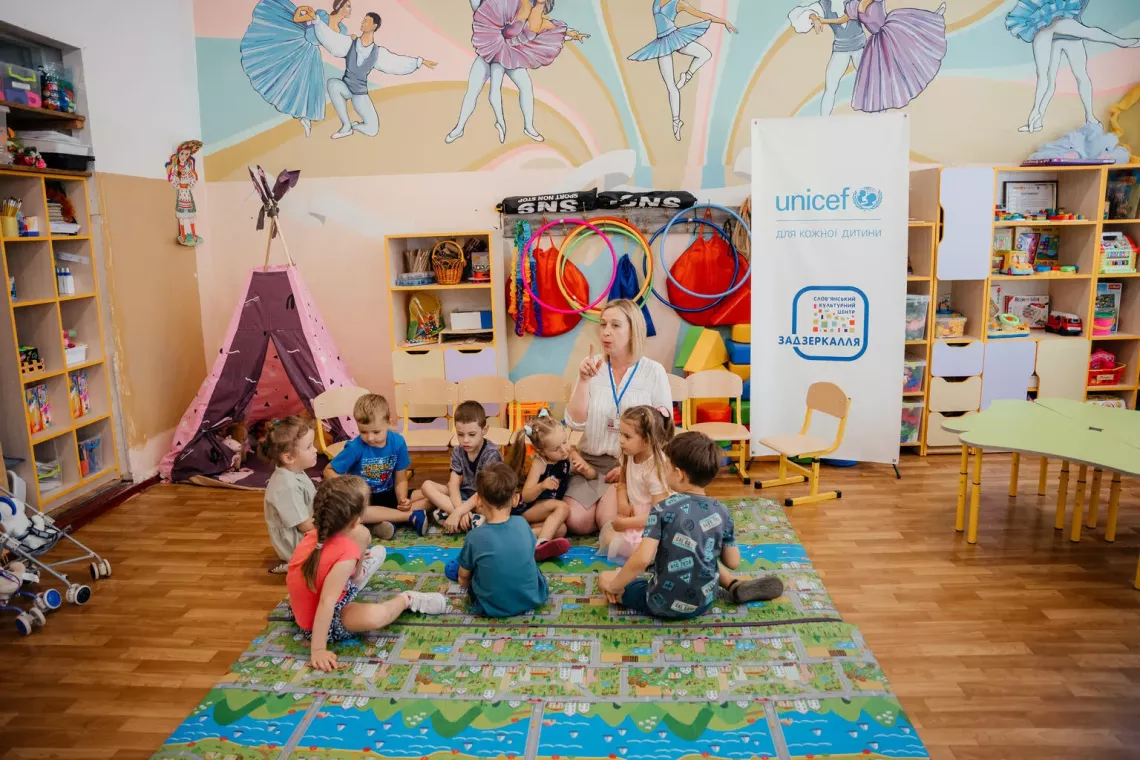
The prolonged war in Ukraine continues to have devastating consequences for children. An estimated 5.3 million children face interrupted education, causing substantial learning losses.
UNICEF continues to support education and early learning for conflict-affected children, by repairing educational infrastructure, improving digital learning systems and by addressing mental health, focusing on the needs of the most vulnerable children.
We cannot do it alone. Greater support is needed.
These ‘snapshots’ from around the world are intended to underscore that education is a lifeline in crises.
Despite the support provided by UNICEF and other humanitarian actors, the education needs of children in emergencies far exceeds the assistance that is currently provided. Greater funding is urgently needed to support the world’s most vulnerable children with lifesaving education.
The protection and safeguarding of students, educators, parents, and educational infrastructure must be in line with the Safe Schools Declaration.
I have seen firsthand that education and learning is not just about books and classrooms; it’s about offering hope, resilience, and the promise of a better future.
Let’s stand together to support these children and safeguard their right to education. Their futures depend on it.
Robert Jenkins is the Global Director, Education and Adolescent Development at UNICEF.