

Education under attack
Schools in conflict zones across the world are coming under fire in attacks that threaten children's lives and futures.
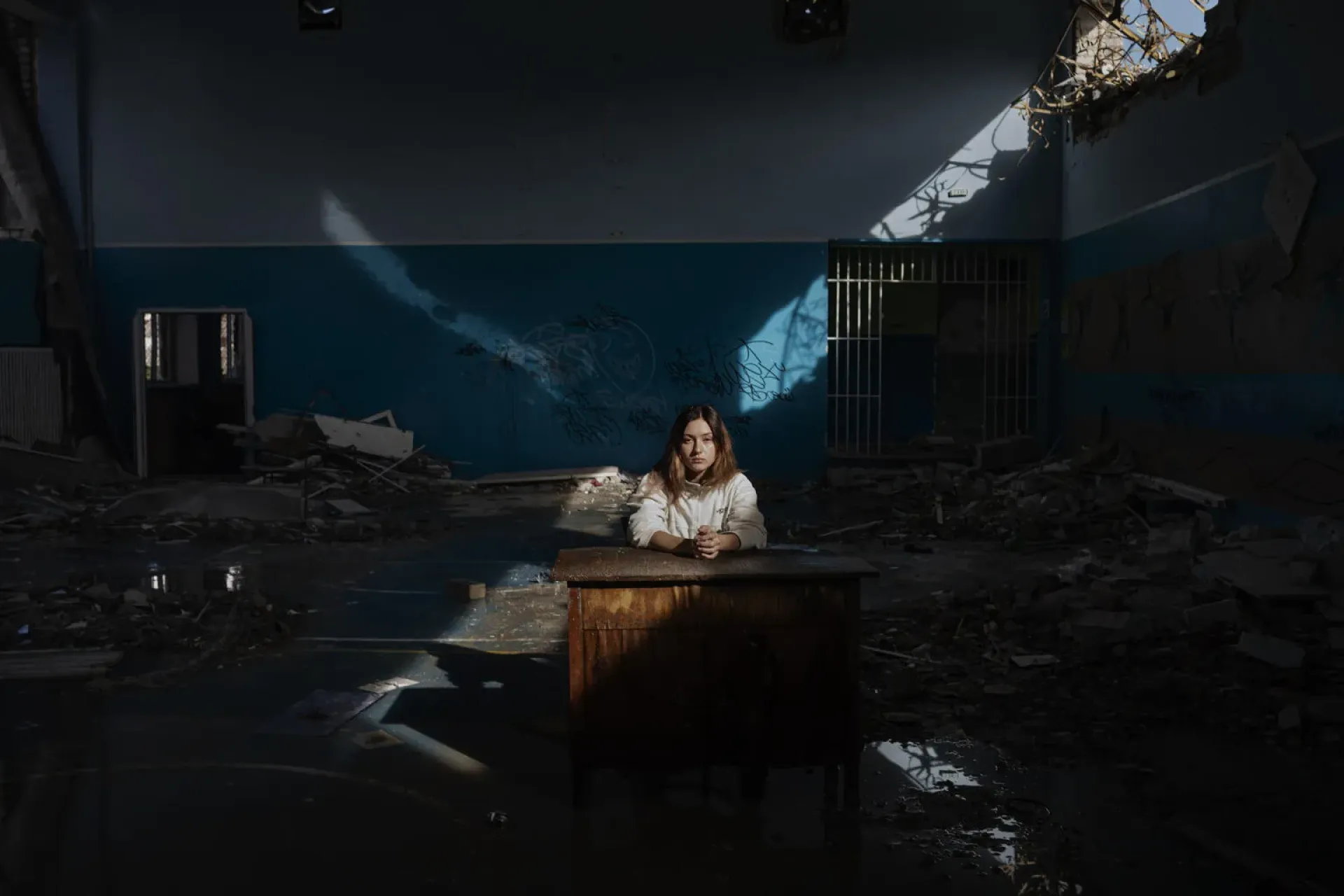
Around the world, schools continue to come under fire as parties to conflict flout one of the most basic rules of war: Protect children.
The places children should be most safe are not targets. Attacks on schools constitute a grave violation against children in wartime, condemned by the United Nations Security Council, and international humanitarian law requires armed forces and armed groups to take special measures to protect children.
Learning as a lifeline
School gives children more than a place to learn. It gives them a place to come together, play and hold fast to their hopes for the future. For many children caught in conflict, school may also be the one place they get food, water, healthcare or hygiene supplies reliably.
Schooling protects girls and boys from the physical dangers around them too – including violence, exploitation and abuse. It can even help keep them safe from armed groups looking to recruit children for use as lookouts, couriers and soldiers.
The Safe Schools Declaration
That's why 123 States have come together to endorse the Safe Schools Declaration, a political commitment to:
- Better protect students, teachers, schools and universities during armed conflict
- Support the continuation of education during war
- Put in place concrete measures to deter the military use of schools
By endorsing the declaration, States commit to restore access to safe education and develop conflict-sensitive education systems that promote respect between social and ethnic groups. The declaration is a framework for collaboration and exchange, opened for endorsement in Oslo, Norway, in May 2015. Endorsing countries meet on a regular basis to review implementation.
Who's endorsed the Safe Schools Declaration?
States, countries and territories that have endorsed the declaration shown in blue. Source: GCPEA. Information accurate as of 1 September 2026.
This map is stylized and not to scale. It does not reflect a position by UNICEF on the legal status of any country or area or the delimitation of any frontiers. The dotted line represents approximately the Line of Control agreed upon by India and Pakistan. The final status of Jammu and Kashmir has not yet been agreed upon by the Parties. The final boundary between the Sudan and South Sudan has not yet been determined.
What is UNICEF’s role?
UNICEF is on the ground in conflict-affected countries to help get children back to learning. We support temporary learning spaces, rehabilitate schools, develop school safety plans, train teachers, distribute teaching and learning supplies, and provide psychosocial support for children.