Mpox and children
What you need to know about mpox, how it spreads, and how to protect children
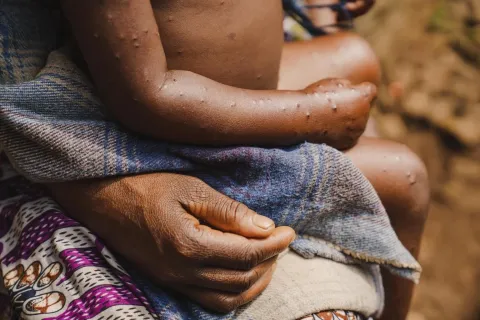
Mpox is an infectious disease caused by the monkeypox virus. It can be particularly severe in children and pregnant women.
Children can catch mpox through close contact with an infected person, animal, or environment. Most infections are mild, but young children and children who are malnourished or have other illnesses can be at greater risk of severe disease and complications.
In the fight against mpox, prioritizing the needs of children is not just necessary—it's urgent.
Learn more about mpox in children and how UNICEF is responding:
What is mpox?
Mpox is an infectious disease caused by the monkeypox virus. It is part of the same family of viruses as smallpox—a more severe disease which was eradicated in the 1980s.
The mpox virus does not discriminate. Anyone exposed to the virus can become infected, and children, immunocompromised individuals and pregnant women are at risk of severe disease.
Children who are malnourished or affected by other illnesses are also vulnerable to complications from mpox.
How is mpox spread?
Mpox can spread from animals to people, between people and from the environment to people. The virus can spread through:
- contact with lesions on the skin or infectious bodily fluids
- contact with contaminated materials such as clothing, linen or sharps injuries in healthcare settings
- contact with respiratory droplets, from an infected person's mouth or throat
- contact with infected animals
- pregnant women can pass the virus on to their unborn baby.
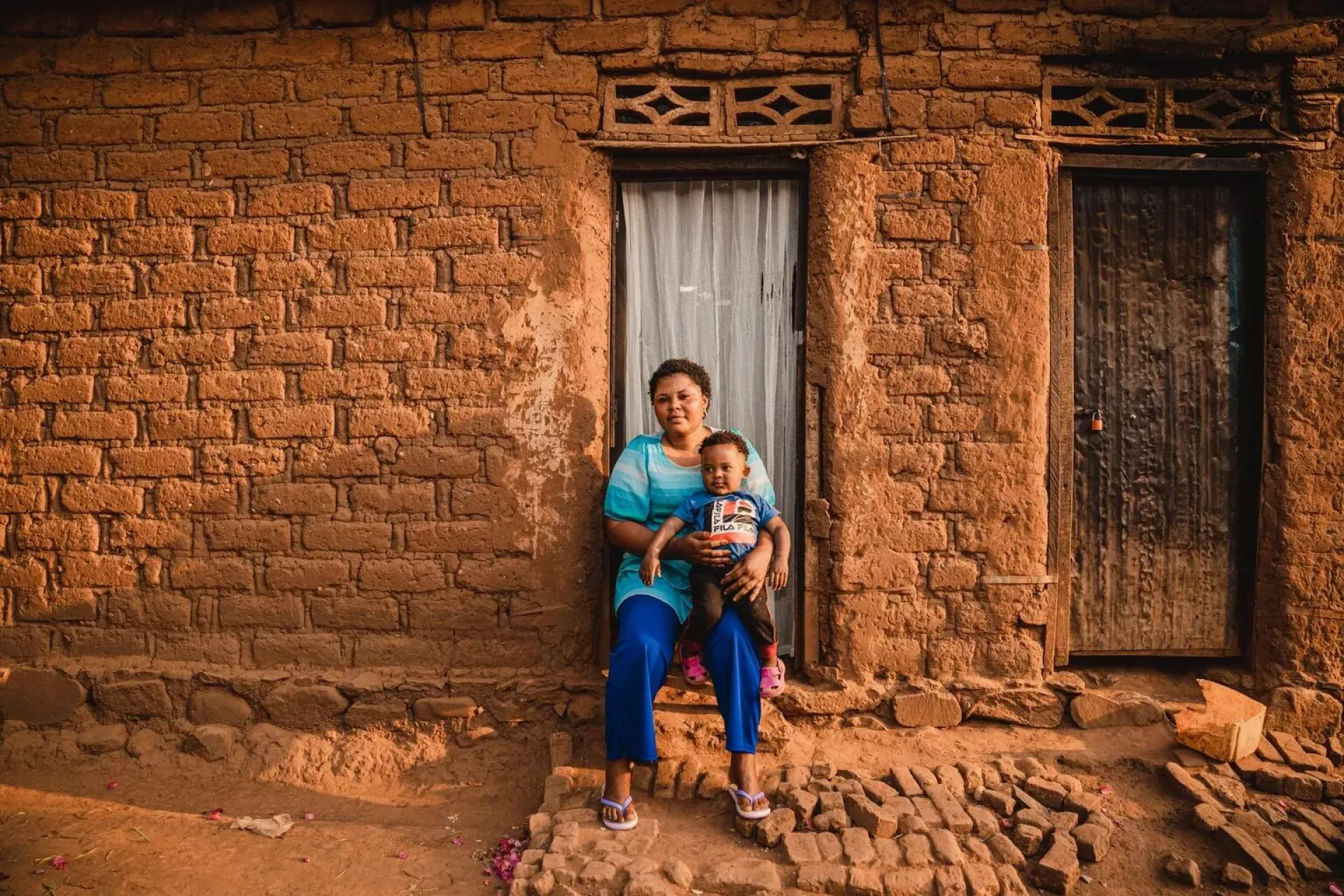
Children can be exposed at home or in the community through close contact with people who are symptomatic with mpox including parents, caregivers, or other family members.
What are the symptoms of mpox in children?
Mpox causes symptoms that are similar to smallpox, though less severe. Common symptoms include:
- skin rash,
- fever,
- sore throat,
- headache,
- body aches,
- back pain,
- low energy, and
- swollen lymph nodes.
Where are children at the highest risk of mpox?
Children can be affected by mpox wherever the virus is circulating.
Across the most impacted countries, wide-spread malnutrition, crowded living conditions, the presence of other infectious diseases, and limited access to healthcare make the spread of mpox a perilous situation for children.
Overwhelmed and weakened healthcare systems, a shortage of diagnostic test kits and low community awareness are further complicating the situation for children and their families.
What is the best way to protect children from mpox?
To protect children against mpox:
- Know the symptoms of illness, how the virus spreads and what to do in your area if someone becomes ill.
- Avoid close contact or sharing personal items with anyone who has mpox or its symptoms.
- Wash your hands frequently with soap and water and help children to do the same.
If anyone in your household develops mpox symptoms, contact a healthcare provider as soon as possible. People diagnosed with mpox may be asked to isolate at home or in a health facility.
How is UNICEF responding to mpox?
A coordinated international effort is essential to stop the spread of mpox.
Working alongside our partners, UNCIEF's response focuses on children, pregnant women and underserved communities, prioritizing the interruption of disease transmission and addressing the secondary impacts on children and communities, such as child protection and school closures. This includes:
- Supporting national and provincial health authorities with coordination and in planning and implementing response strategies.
- Engaging with communities, developing communication plans, training community health workers and implementing mass communication campaigns.
- Enhancing infection prevention and control at home, in the community and in healthcare facilities — providing hygiene supplies and training healthcare workers.
- Providing vital supplies, including medical kits, ensuring nutritional support for affected children and exploring the use of vaccines.
- Addressing stigma and discrimination through plans for targeted mental health and psychosocial support interventions for children and caregivers.
- Ensuring continued access to essential social services, particularly for children, pregnant women and underserved communities.