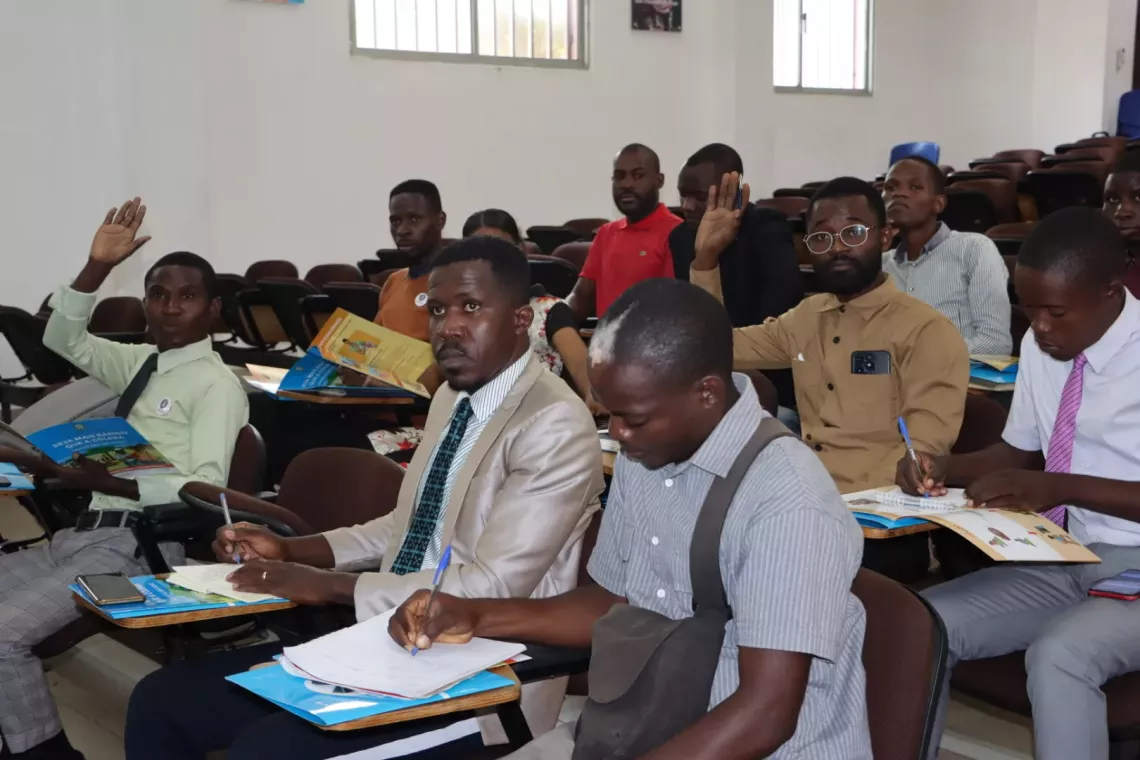
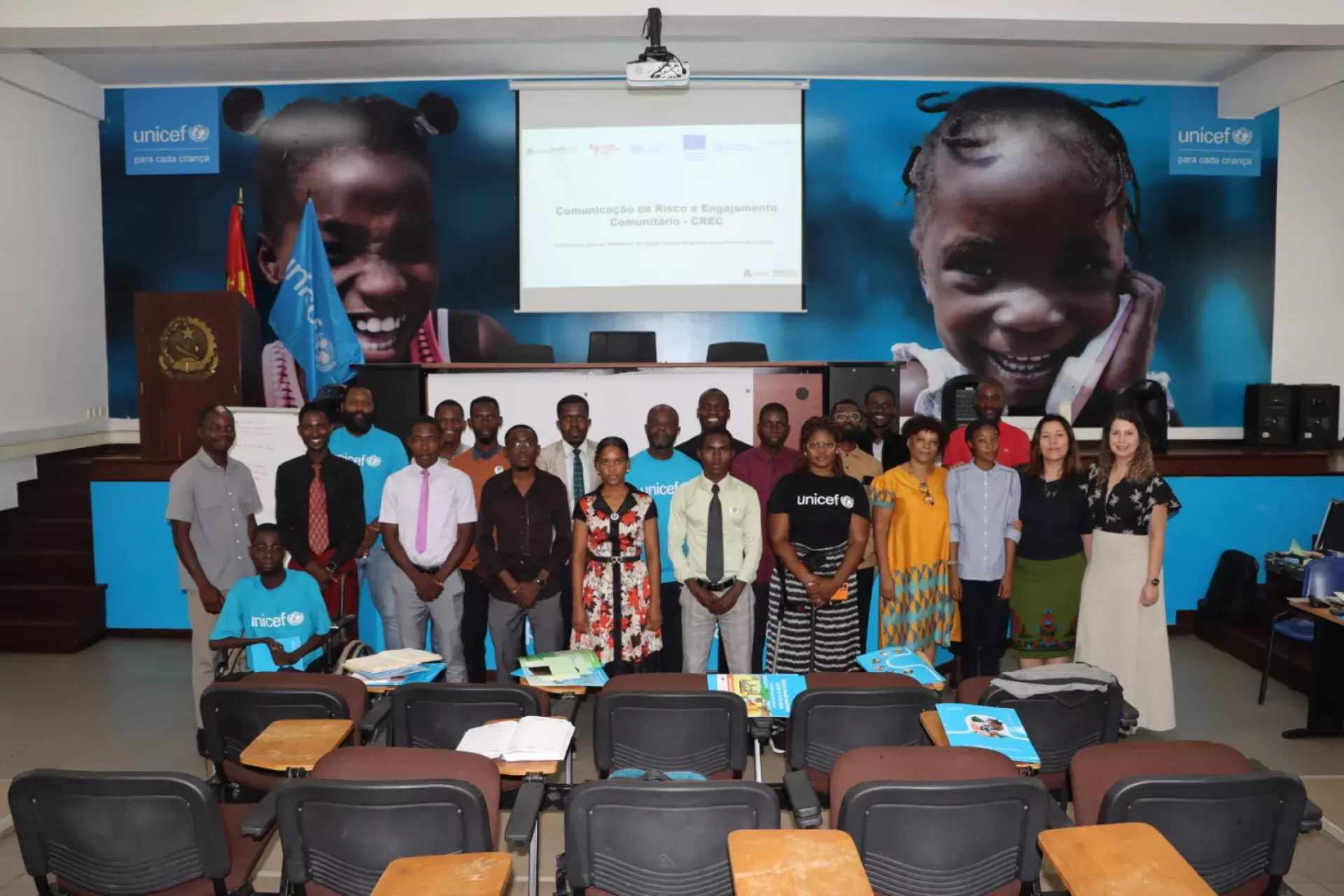
Specialized training of Sign Language interpreters to work in cholera prevention campaigns.
Sign language interpreters ready to save lives. Medical terminology and rapid response to cholera.
- Portuguese
- English
The fight against cholera in Angola is a significant challenge, including people with disabilities. In this context, UNICEF plays a crucial role in emergency response, seeking to mitigate the devastating impacts of the disease through comprehensive public health initiatives and humanitarian support. Cholera is a highly contagious disease, transmitted by contaminated water, severely affecting communities in terms of health and well-being, requiring a rapid and coordinated response to contain its spread.
UNICEF held on 19 June a training for interpreters to play a vital role as facilitators of communication between health workers, local authorities, and affected communities, ensuring that all individuals can understand and implement cholera prevention and treatment measures effectively. This inclusive approach not only strengthens the global response against cholera, but also promotes principles of equality and accessibility, which are essential for the protection of the fundamental human rights of all people, regardless of their abilities.
The objective of this training is to train Angolan Sign Language (LGA) interpreters for the effective interpretation of information related to cholera prevention and to ensure that the information is accessible to the deaf community for strengthening a more inclusive, efficient, and equitable cholera response.
Álvares Dembue, a teacher at the special school for the deaf said, "now I am very well prepared to provide information on how to treat water, how to sanitize the place where we stay all day, and not only that, but also how cholera is transmitted and how to avoid contamination."
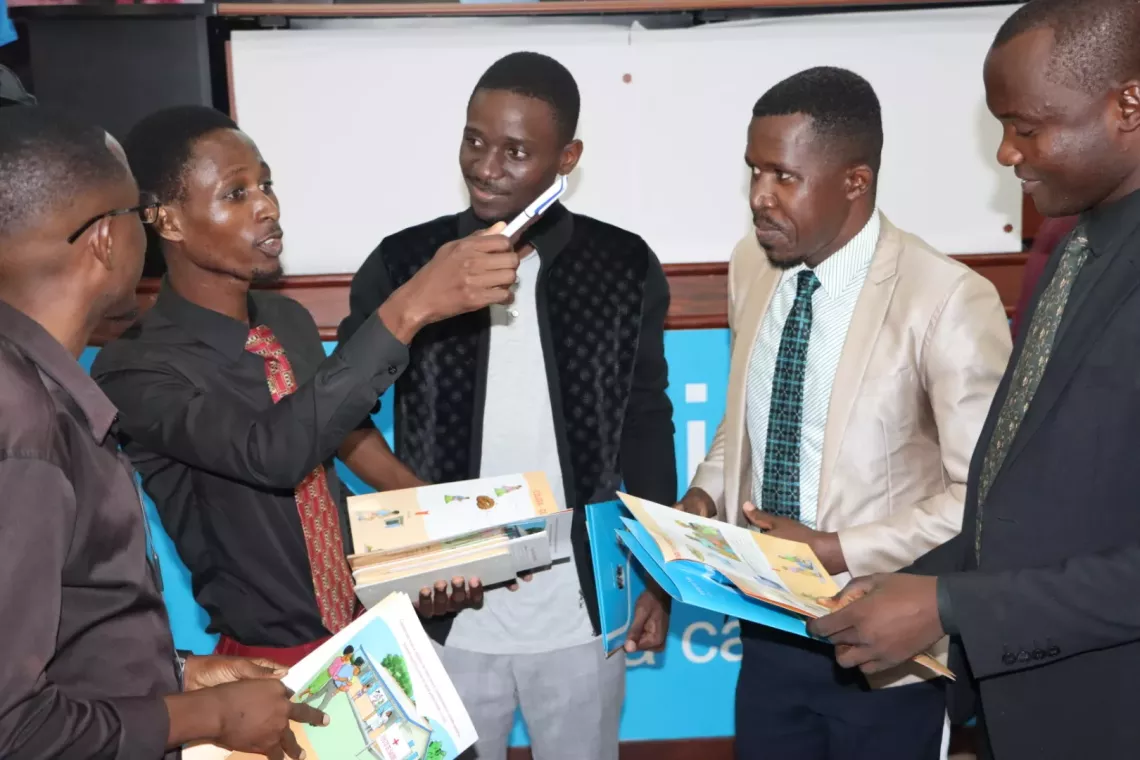
Therefore, the integration of Angolan Sign Language interpreters into UNICEF's coordinated efforts highlights the organization's commitment to ensuring that no community is left behind during public health crises, strengthening the resilience of the most vulnerable populations, and promoting a healthier and more inclusive future for all in Angola.
Cholera continues to be a public health concern, especially in contexts of social vulnerability and limited access to information. Deaf people face communication barriers that compromise access to preventive guidance. This training was very important for Angolan sign language interpreters in cholera prevention.
João Alfredo, sign language interpreter said, "this training was very useful for me as interpreters to be able to better inform those people who have little information about the cholera disease, through sign language we will give information so that deaf people are not excluded in Angolan society, with the cholera outbreak".
It is expected that after the training, there will be greater accuracy in the interpretation of cholera content in community and hospital contexts, improved the access of the deaf community to vital information during outbreaks, and reduced the risk of cholera spread in populations with communication barriers.