Right food, right time
How UNICEF promotes good nutrition in a child’s critical early years
- English
- ไทย
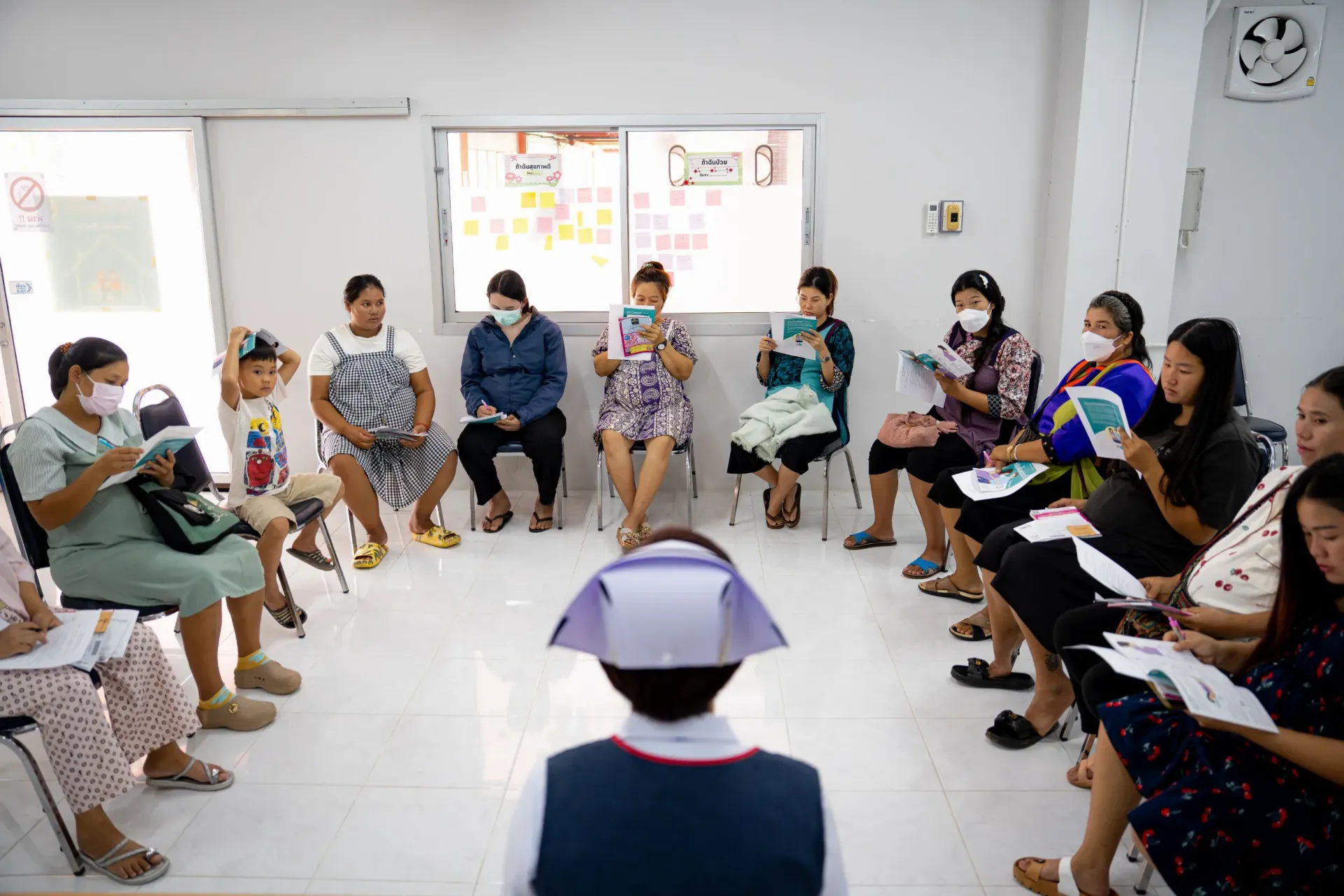
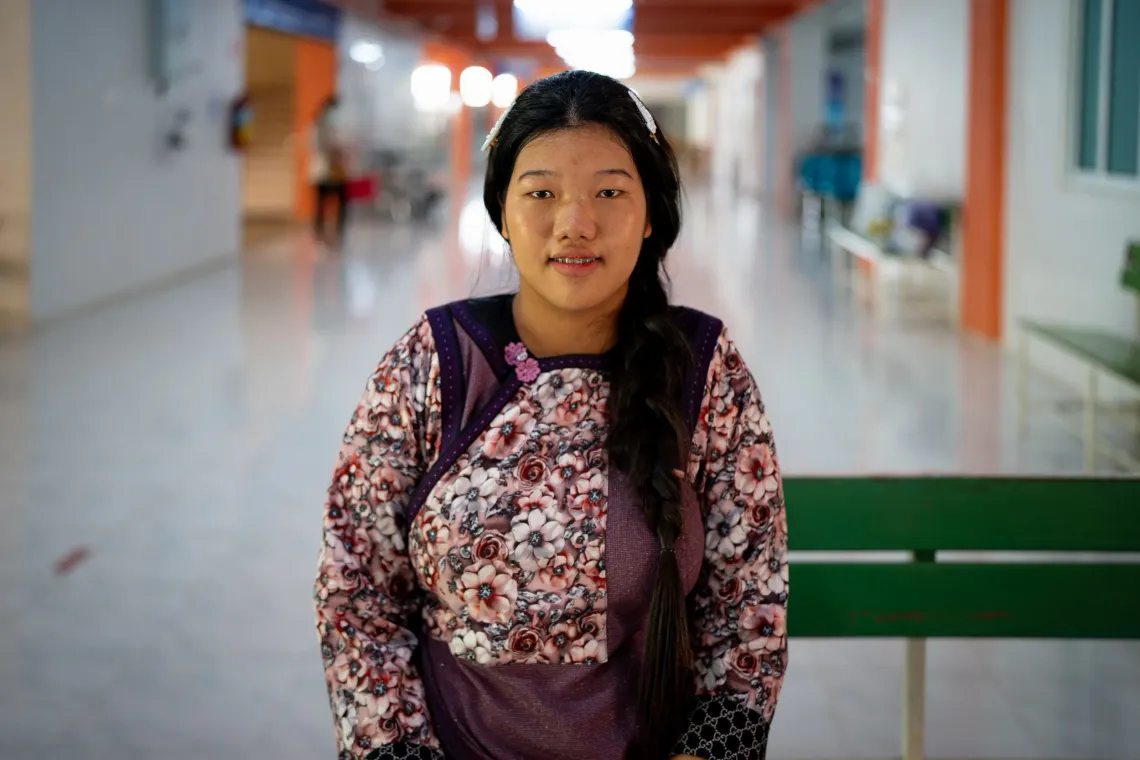
"Being pregnant for the first time meant I was worried about raising the child properly and looking after the child and myself after birth,” says Sisirakorn Laolee, an 18-year-old expectant mother living in Mae Hong Son Province in northern Thailand. She was particularly worried about whether she should breastfeed her baby. Fortunately, help was at hand when her doctor at Pai Hospital recommended that she attend the UNICEF-supported Parenting School held within the hospital campus. She learnt all the information she needed to reassure her. “Before the classes, I didn’t feel ready, but now I feel prepared to bring my child into the world. I’m excited!”
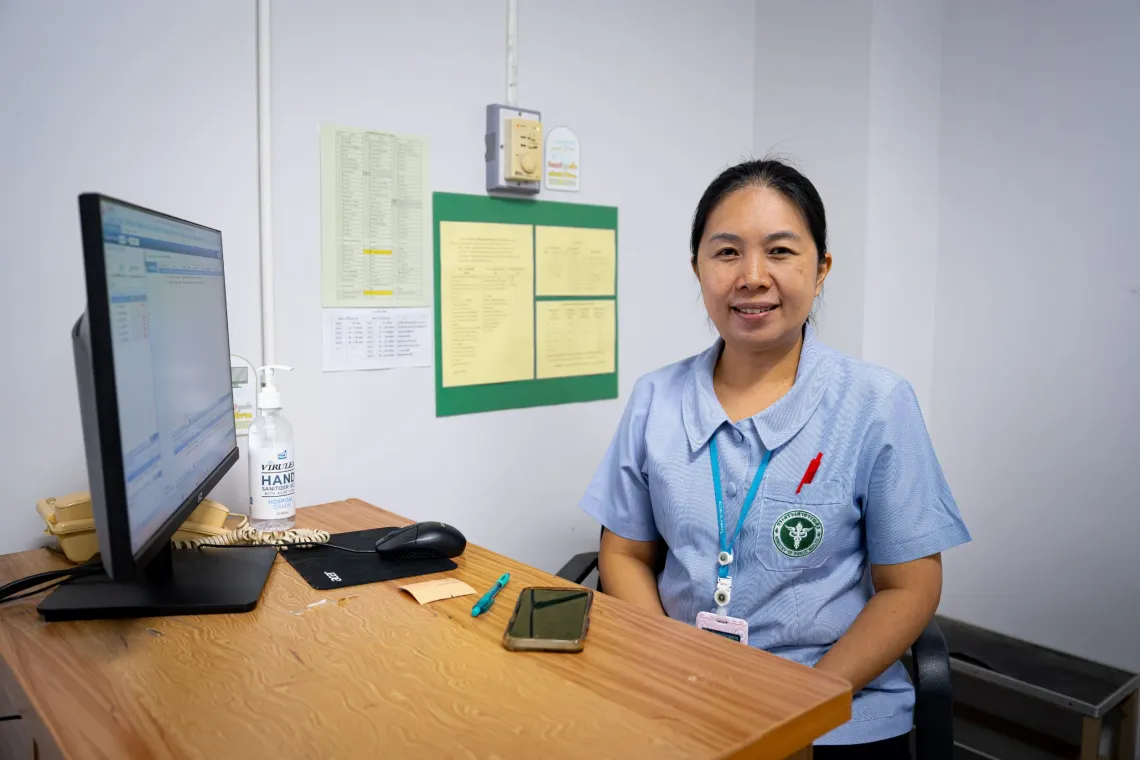
Sisirakorn’s worries are not just understandable, argues Kanjana Techawaraporn, one of the nurses at Pai Hospital – they’re valuable. "Most parents worry about their baby’s growth or development,” she says, and that provides her and the hospital with an opportunity to provide the information they feel is missing. This is particularly true around nutrition. Many pregnant women have misconceptions, often based on local tradition, about the kind of food they eat. “Around here, they’re often told to avoid spicy foods or any with liquid and just eat lots of meat. We advise them to eat more vegetables, which are highly nutritious.”
Expert advice on nutrition is needed in Thailand because, despite the country’s remarkable progress, too many children are still left behind. Stunting, where a child is too short for their age - often due to insufficient or poor nutrition - still affects 1 in 10 children in Thailand. Another form of malnutrition – overweight or obesity – is on the rise, with the obesity rate among children doubling in the last 25 years. The results of either form of malnutrition can damage a child’s development and lead to significant, lifelong health and social problems.
UNICEF works to target the problem at a national and local level. Nationally, it advocates for improved laws around nutrition and improved communication for children and families. It also runs public campaigns that reach millions, such as its current Kin Rai Dee (What’s Good To Eat?) promoting good nutrition for children of all ages.
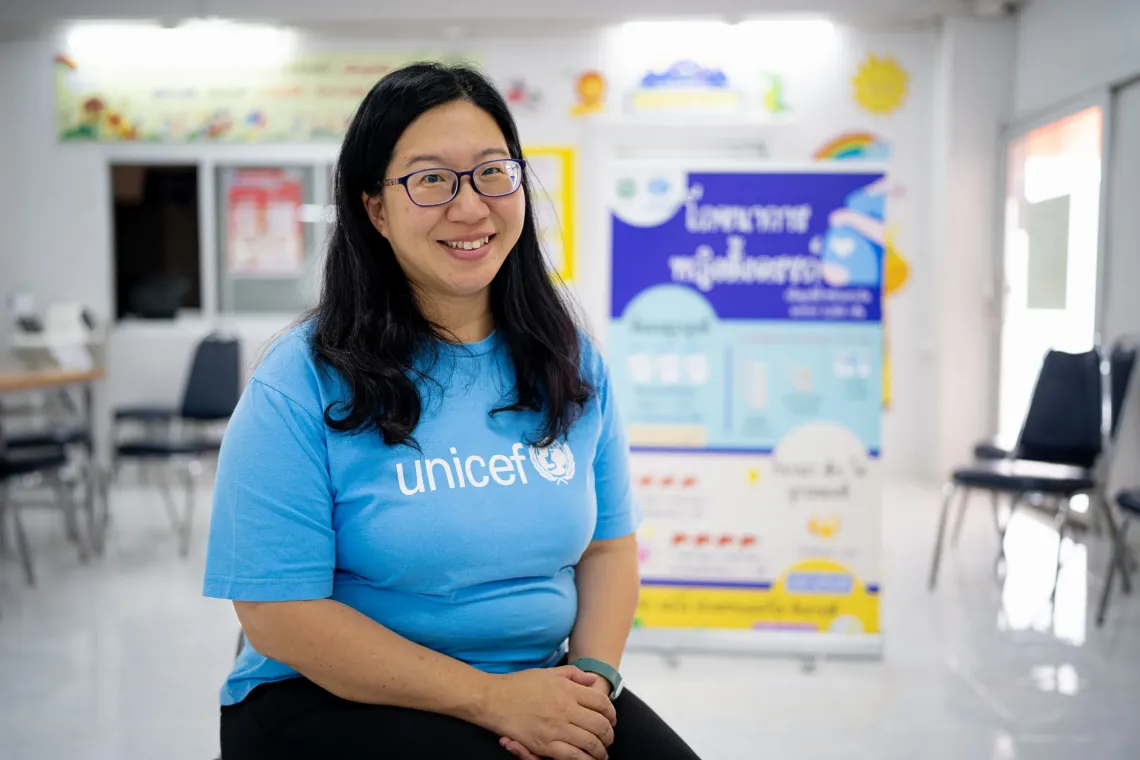
Locally, the most important objective is reaching families and providing them with the right support at the right time. Napat Phisanbut, an Early Childhood Development specialist at UNICEF Thailand, says the top priority is improving nutritional information for pregnant women, supporting them through pregnancy and a child’s earliest years.
“UNICEF primarily does this work by strengthening the services offered at hospitals, such as Parenting Schools,” Napat explains. “We support nurses and doctors with training and provide up-to-date information on health, nutrition, and development, including information materials they can refer to or hand out. Staff then pass on expert advice to pregnant women and families to improve the pregnant mother's diet, explain the major benefits of breastfeeding, and advise on age-appropriate feeding.
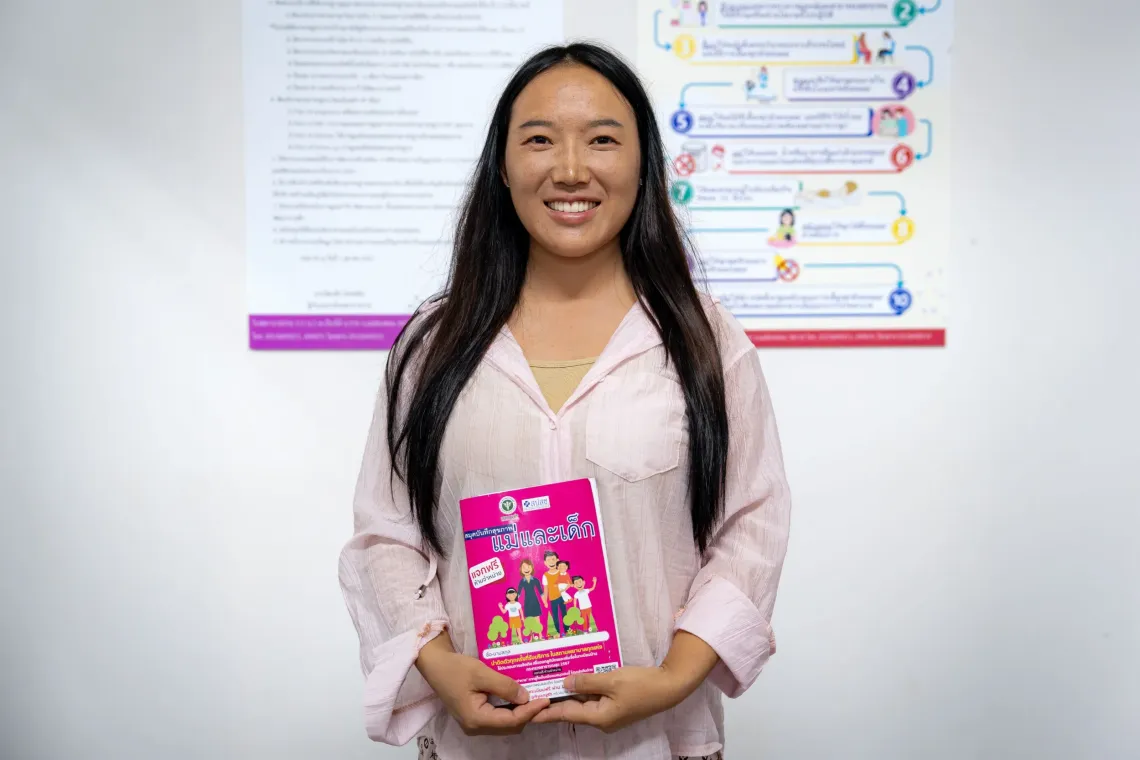
Daraporn Yoopao, 31, has two sons and is now pregnant for the third time. Despite her considerable experience as a mother, she was still glad to connect with other parents and see how they were approaching parenthood, as well as learn the latest advice on caring for children. That is why she decided to attend the Parenting School at Pai Hospital. "I felt like I gained more knowledge and confidence from the experience. Getting to meet other mothers, guest speakers and doctors made me realize, 'Oh, coming here is the best!’ When you're just at home, you might look up facts on social media, but it's not informed enough compared to talking face-to-face with the doctor about your personal issues. That is the best knowledge."
Daraporn is aware that in her province, many parents unfortunately have to travel to Thailand’s major cities or even overseas for work, leaving their children with grandparents or other caregivers. However, she believes that if it is possible “raising the child yourself, both mother and father together, that is the best thing for the children. I want mothers to breastfeed. It can be challenging, but I managed to breastfeed my children for the entire two years, and that really helped my children’s development and created a warmth as a family.”
Sisirakorn says she has benefited enormously from the support she has received at Parenting School. "I now eat from five key food groups, drink milk and take all the medicine and supplements prescribed by the doctor." Perhaps most encouraging has been her change in attitude towards breastfeeding. “Before going to the Parenting School I had decided I wouldn’t breastfeed, I was too worried. But now I will definitely breastfeed, I know it’s the right choice for me and my baby.”
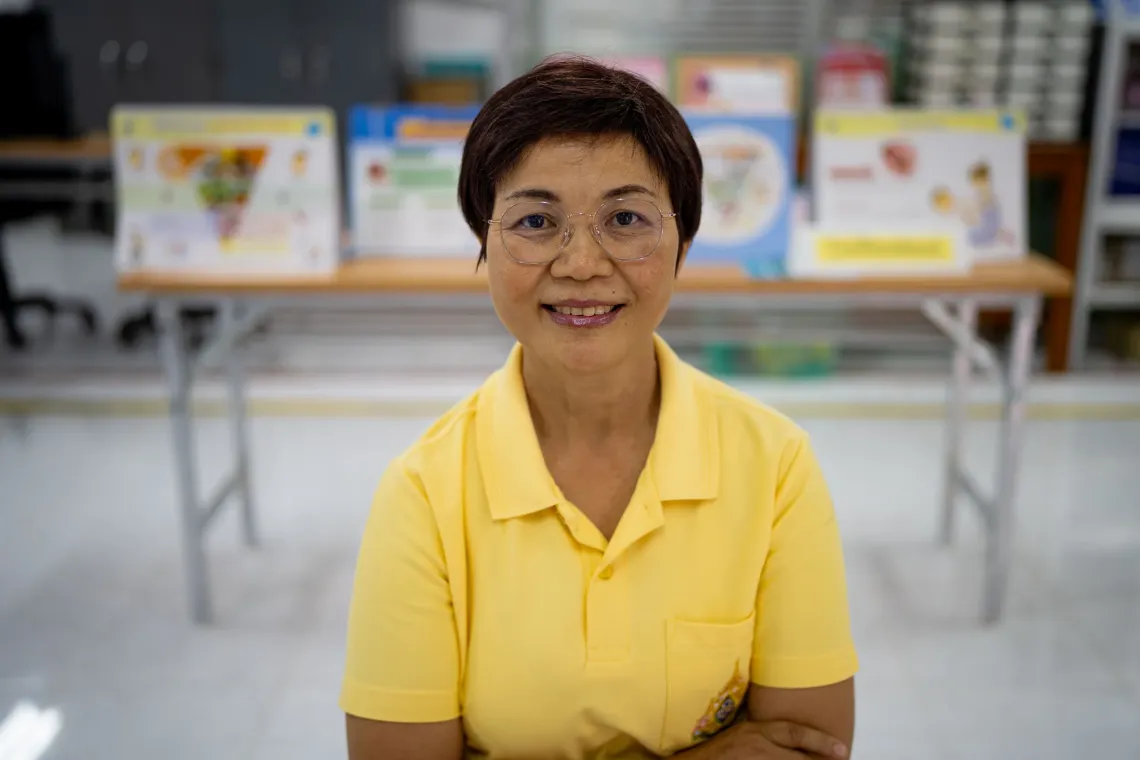
Jampoon Promwangsri is a Senior Nurse at Pai Hospital and stresses the importance of understanding local beliefs about nutrition and pregnancy or child-raising. “Diet strongly influences development. We ask about our patients’ beliefs and traditions around food and tailor our advice to recommend local food sources that may be overlooked. We have to avoid suggesting only meat and dairy, especially if the family has economic constraints. We often suggest local food like beans or others with proteins, such as soybean-based products. In the North, people eat fermented soybean discs called 'Thua Nao' which can be very beneficial. We also provide specialist advice if we see reasons for concern such as anemia due to iron deficiency. We immediately supplement nutrition by suggesting iron-rich foods such as green leafy vegetables like spinach, kale, and ivy gourd.”
Her colleague, Kanjana, adds that using modern technologies and communications is an excellent way of ensuring knowledge doesn’t stop at the hospital gates, including messaging services that UNICEF developed with government partners. "We suggest to pregnant women that they join the UNICEF-supported LINE account 9 Yang Puea Sang Loog (Early Moments Matter on Mobile) so they can receive daily knowledge and ask questions in the Parenting School group. We also have our own LINE Group, Doctor Wiang Tai, so mothers can ask questions after returning home.”
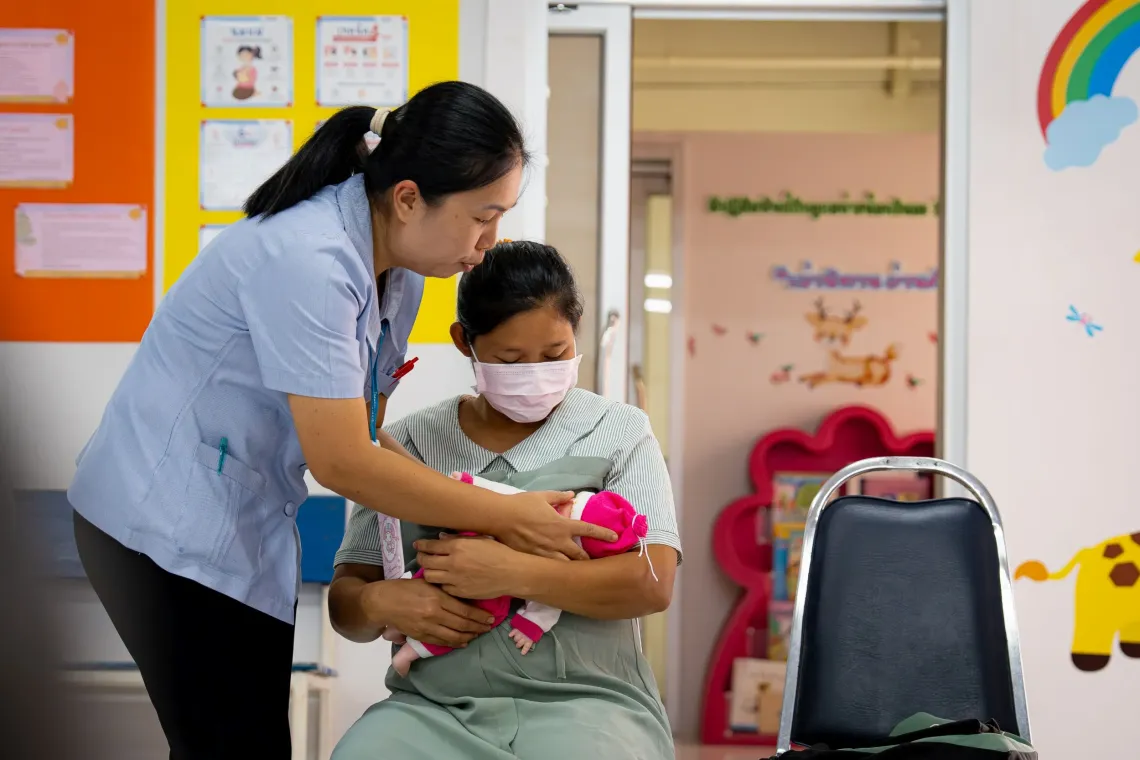
Daraporn says she benefited so much from Parenting School that she would like to see the programme expand. UNICEF is working towards that goal, confirms Napat. “UNICEF and the Department of Health have partnered to raise the standards of Parenting Schools, piloting the project in 20 hospitals across 6 provinces. One goal is to produce a Parenting School Manual for the Department of Health which they can scale up and use nationwide, reinforcing the Parenting Programme as a standard service. This will be so powerful in improving nutrition and child development across the whole nation.”