School not in session for millions of children around the world
Education is a lifeline for children in emergencies. But for too many, it remains out of reach.

For many children around the world, this time of year is filled with anticipation as they pack their bags with supplies, wave goodbye to their parents, and begin another year of learning with their classmates and teachers.
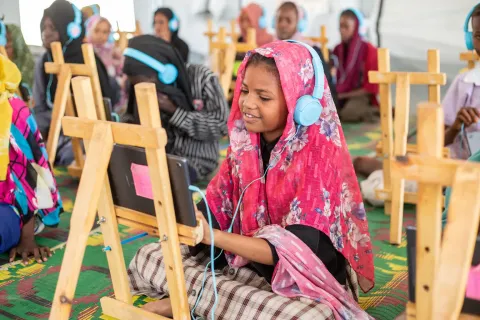
But for more than 70 million school-aged children affected by crisis globally, going back to school remains a distant dream as conflict and displacement have kept them out of learning for months, sometimes years.
From Ethiopia to the Gaza Strip to Ukraine, more than 220 million children affected by crises around the world need educational support. These children are not only missing out on an education, but on all the other important services that schools provide: Protection from physical dangers like abuse, exploitation, and recruitment into armed groups; essential services such as school meals, safe water, and healthcare; and psychosocial support to help cope with the traumas they endure every day.
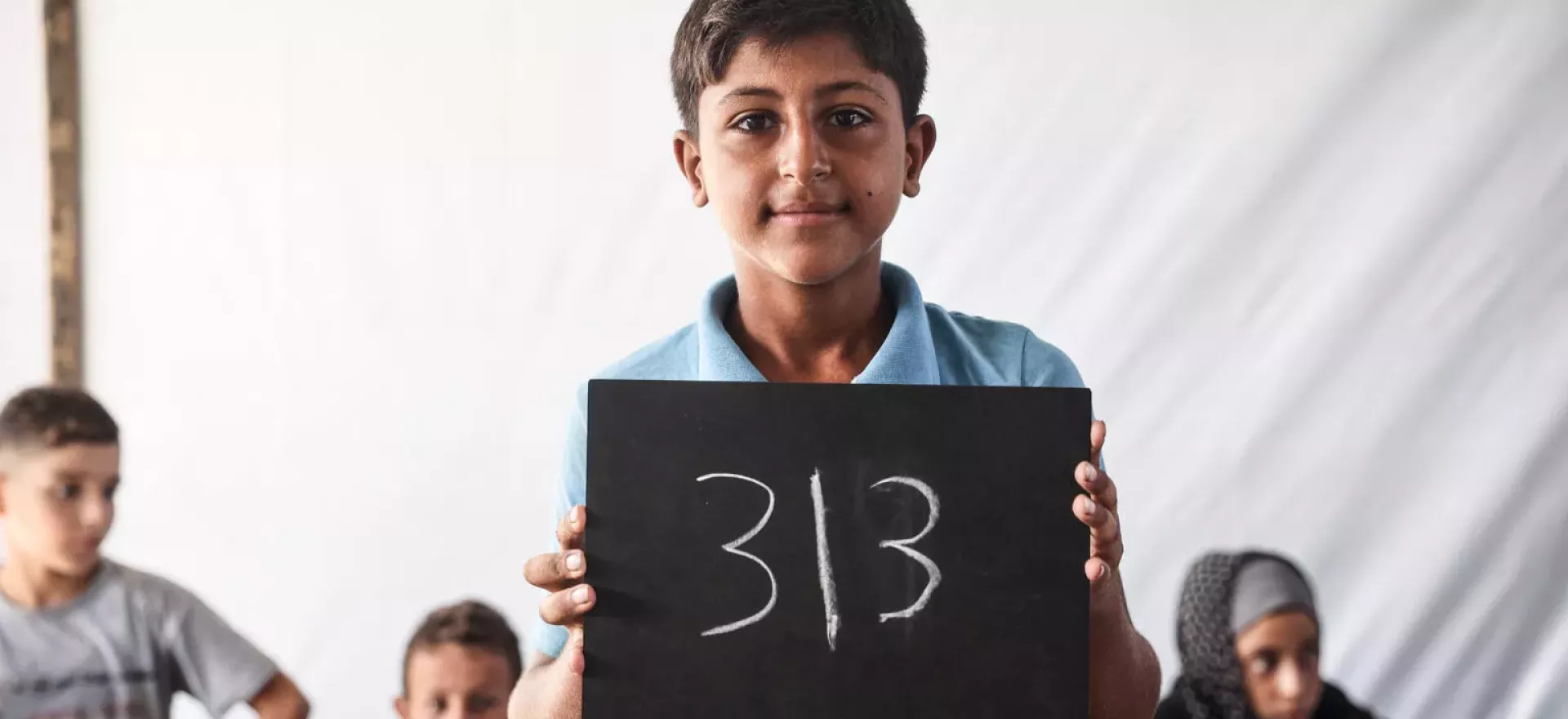
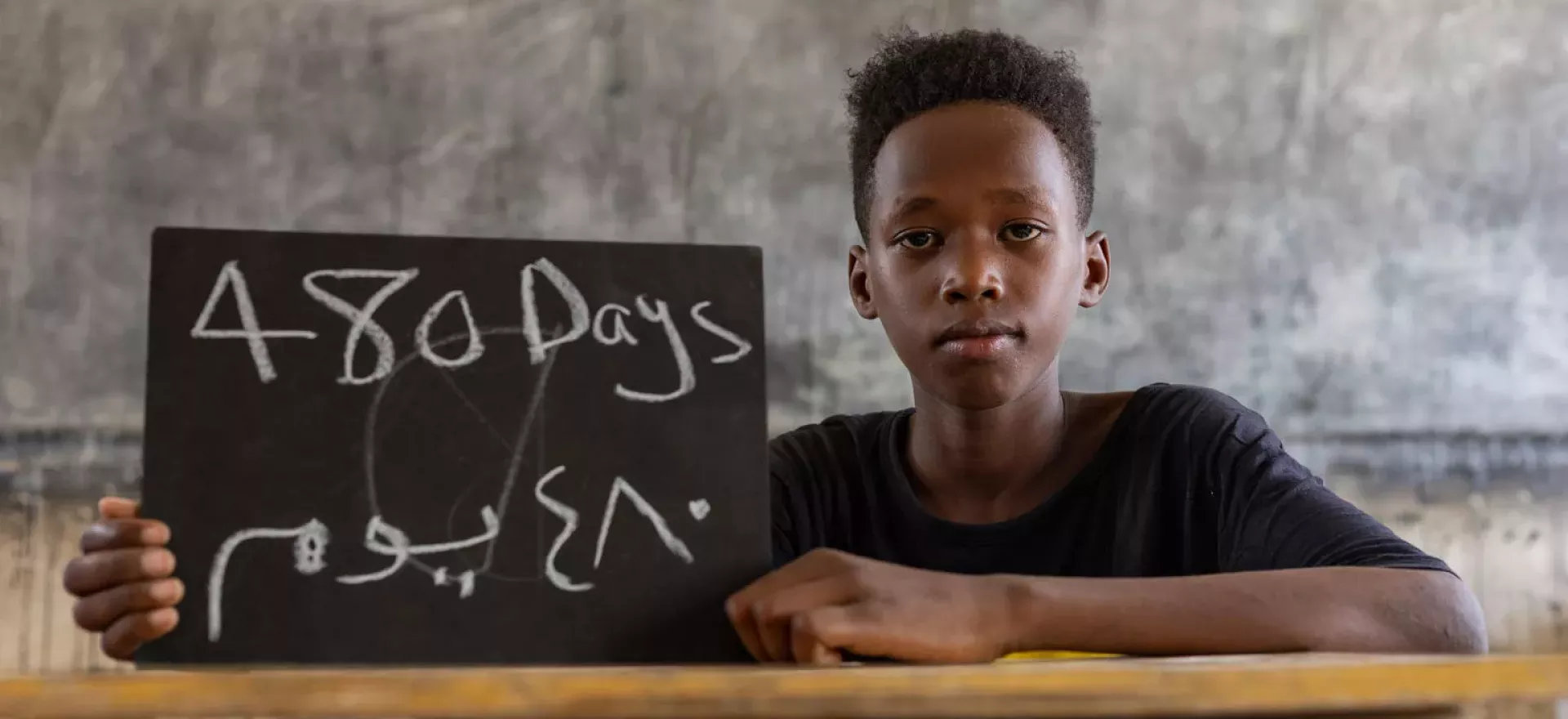
The chalkboards held by these children might be light, but the numbers on them represent a heavy toll: the number of days each one of them has been out of school. The numbers aren’t just a stark reminder of lost time, but of missed opportunities and dreams now further out of reach.
Saif, State of Palestine: 313 days
UNICEF/UNI638063/El Baba
I really miss my teachers and friends.
Saif, 12
Saif has been out of school since October 2023 and is one of around 1.9 million people who have been internally displaced in the Gaza Strip. Many children have been displaced multiple times, lost their homes, their parents, and their loved ones.
“I hope school starts again,” Saif says. He’s attending an education session at a safe learning space in Deir al-Balah in central Gaza, where UNICEF partners are supporting children to continue learning in subjects like Arabic, English, math, and science.
Saif loves swimming and dreams of being a diver so that he can explore the depths of the ocean. But first, he hopes the war ends: “So we can go back to school.”
Abdelgader, Sudan: 480 days
UNICEF/UNI627436/Elfatih
I miss my pen! And I miss studying.
Abdelgader, 12
Before war erupted in Sudan in April 2023, Abdelgader enjoyed attending school in Khartoum and looked forward to starting middle school. But, like millions of other children and families in Sudan, he was forced to flee his home.
Abdelgader is currently staying with his family in Port Sudan at a gathering point for internally displaced people. He has been out of school for 480 days and says he misses studying English most. He also misses his friends – he hasn’t heard from them since his family fled.
“I miss all my friends,” he says. “I miss playing and studying with them.”
Delphine, Democratic Republic of Congo: 548 days
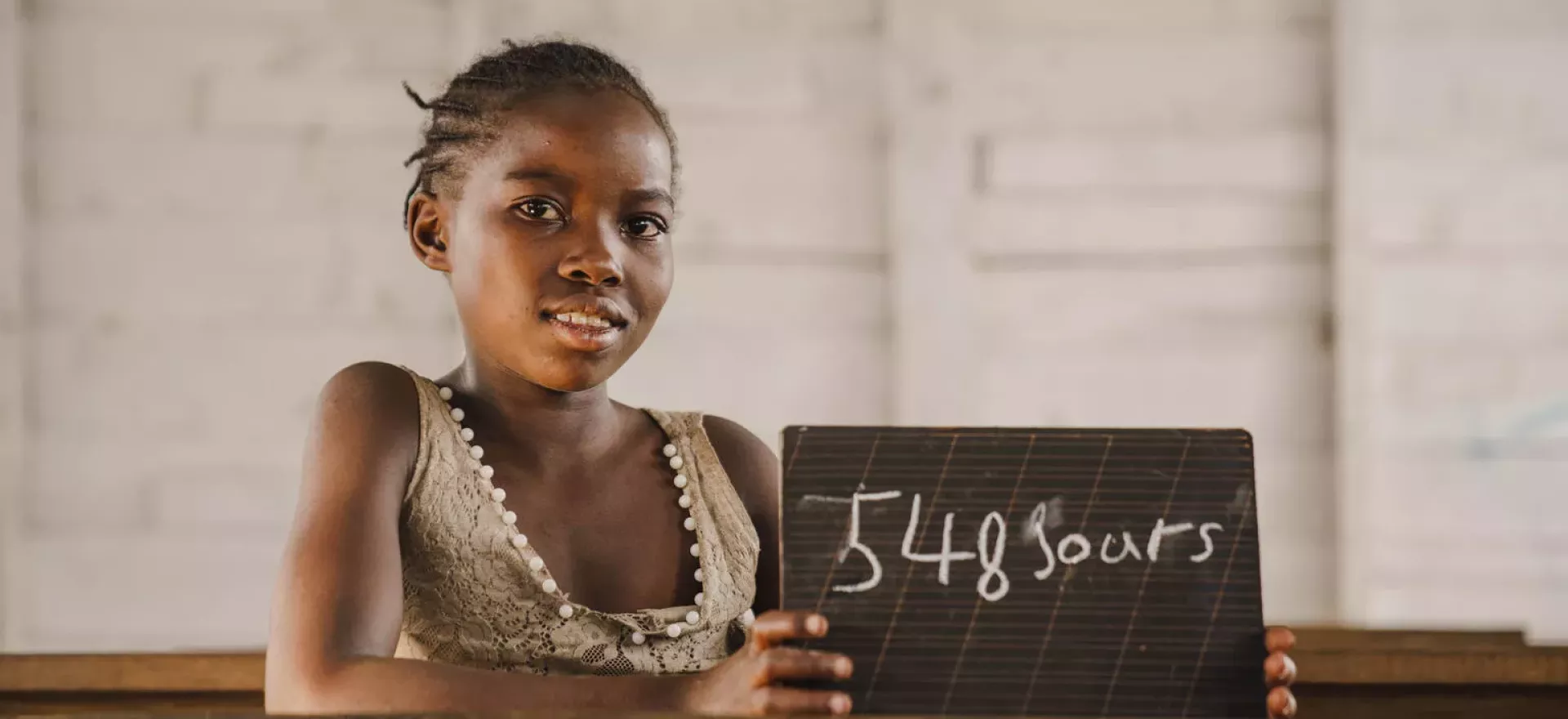
UNICEF/UNI638061/Benekire
I’m going to be a humanitarian worker to help children in need.
Delphine, 12
Delphine is sitting in an empty classroom at a site for internally displaced people near Goma, located in the eastern part of the Democratic Republic of Congo.
Eastern Democratic Republic of Congo is grappling with insecurity stemming from armed conflicts, militia activities, and intercommunal violence. Delphine and her whole family fled their hometown before finding safety at the site. Delphine was enrolled in the third grade when she was forced to flee, but she has now been out of school for more than a year.
Hayat, Ethiopia: 660 days
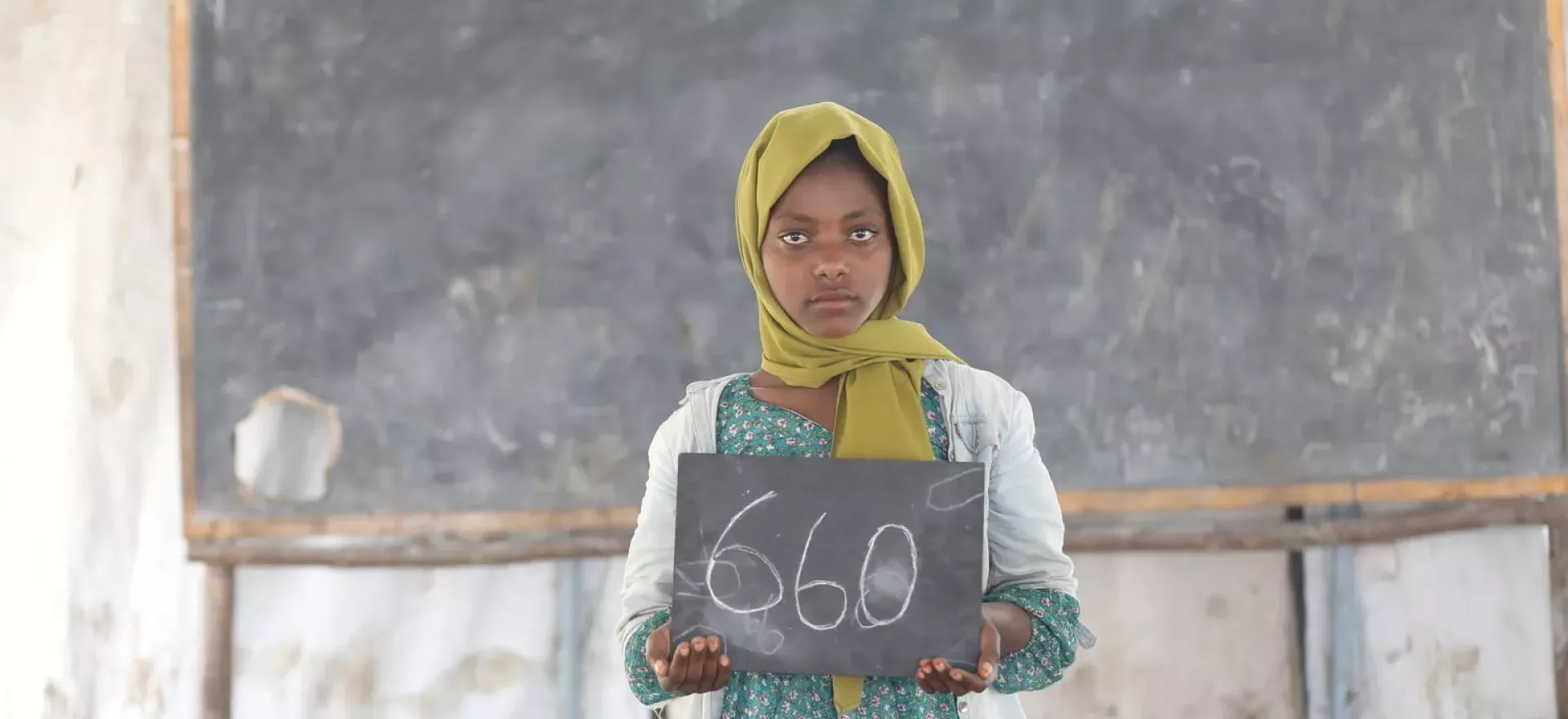
UNICEF/UNI638052/Sahilu
I want to be a schoolteacher one day.
Hayat, 12
Originally from Wollega, Hayat and her family were displaced four years ago. Severe drought, flooding, intercommunal violence and disease outbreaks have left more than 20 million people in Ethiopia in need of humanitarian assistance.
Hayat is staying with her mother and older brother at a camp for internally displaced persons in Amhara regional state in northern Ethiopia. Hayat has been out of school for nearly two years now and misses studying her favourite subject, Amharic, most of all. She says she has made some new friends at the camp but misses her friends in Wollega.
Zlata, Ukraine: 929 days
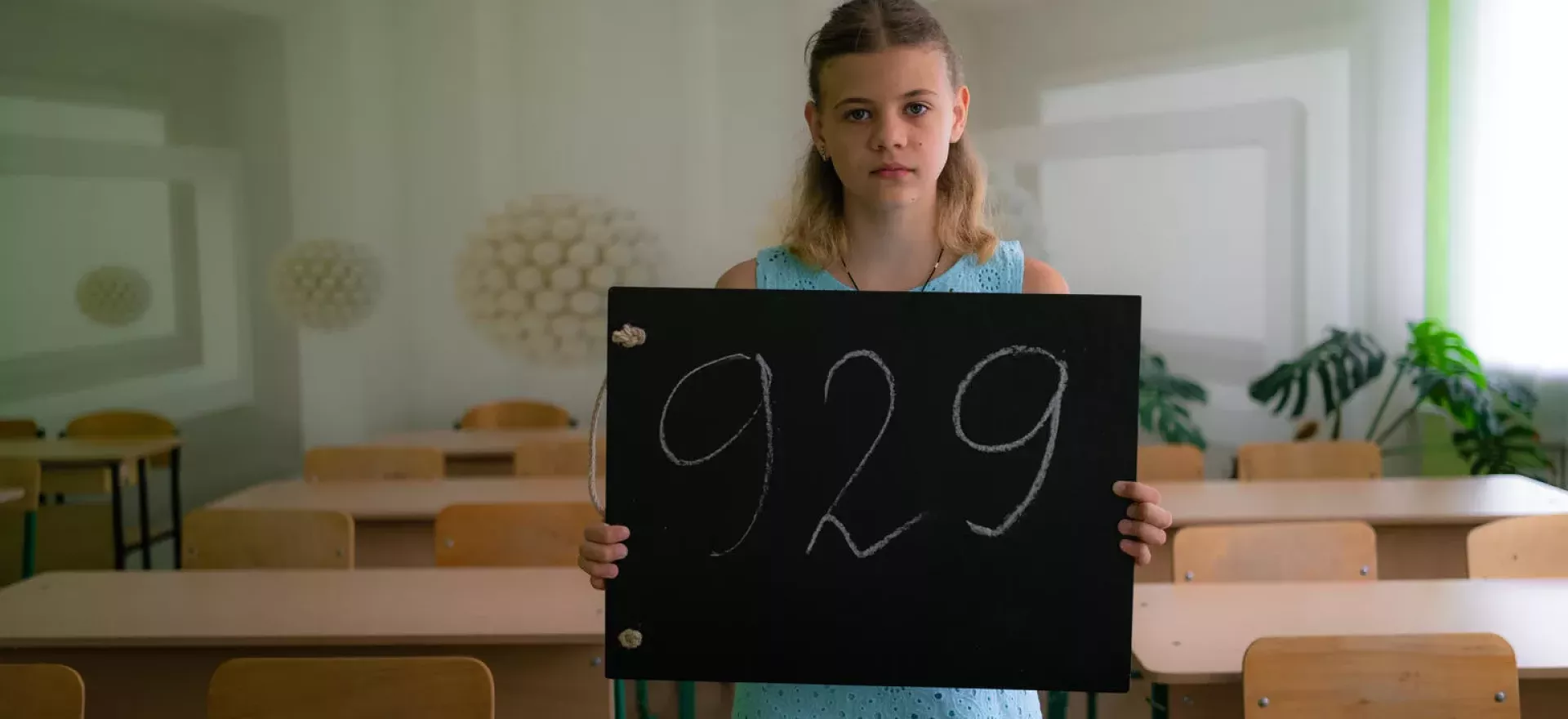
UNICEF/UNI638094/Pashkina
I miss seeing my friends in-person.
Zlata, 11
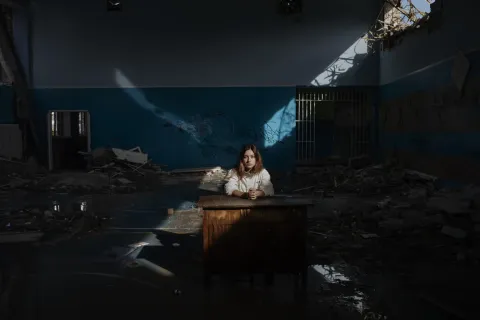
Zlata is getting ready to start another year of remote learning in Paniutyne, a small rural settlement in the Kharkiv region in the east of Ukraine. She is among the hundreds of thousands of Ukrainian children who are yet to return to in-person learning since the war upended their lives in 2022.
Just 10 minutes from her home, a school sits in ruins after being devastated by a missile strike. It is only one of the more than one in ten learning facilities in Ukraine estimated to have been damaged by the war.
Zlata dreams about being back in an actual classroom and being able to write on a chalkboard.
Children like Saif, Abdelgader, Delphine, Hayat and Zlata cannot afford to keep waiting. Their education has been put on hold for long enough.
Children living in crises and emergency situations must be allowed to learn in safety and without interruption. They need access to quality, inclusive and safe education and to have access to health, nutrition and water, sanitation and hygiene services. Governments can help protect schools from violence and attacks by adopting and implementing the Safe Schools Declaration.
It’s also essential that investment in education in emergencies is increased. Without sustained and flexible funding for education in crisis-affected countries, children and young people won’t be able to access the learning and training opportunities that are critical for the recovery of families and their communities.
We cannot let education be a casualty of crisis.