A name is not enough
In Thailand, efforts to end statelessness are helping children claim their rights and their future

When a child is born, they are given a name. It is one of the first building blocks of their identity and of their rights: to a name, to birth registration and to a nationality.
Together, these building blocks create a foundation for a child's future. They establish a legal identity, connect children to a country and help ensure access to the rights, protections and opportunities they need to thrive.
But not every child receives these protections. Around the world, nearly 2 million children are stateless, belonging nowhere in the eyes of the law and facing barriers that can follow them throughout their lives.
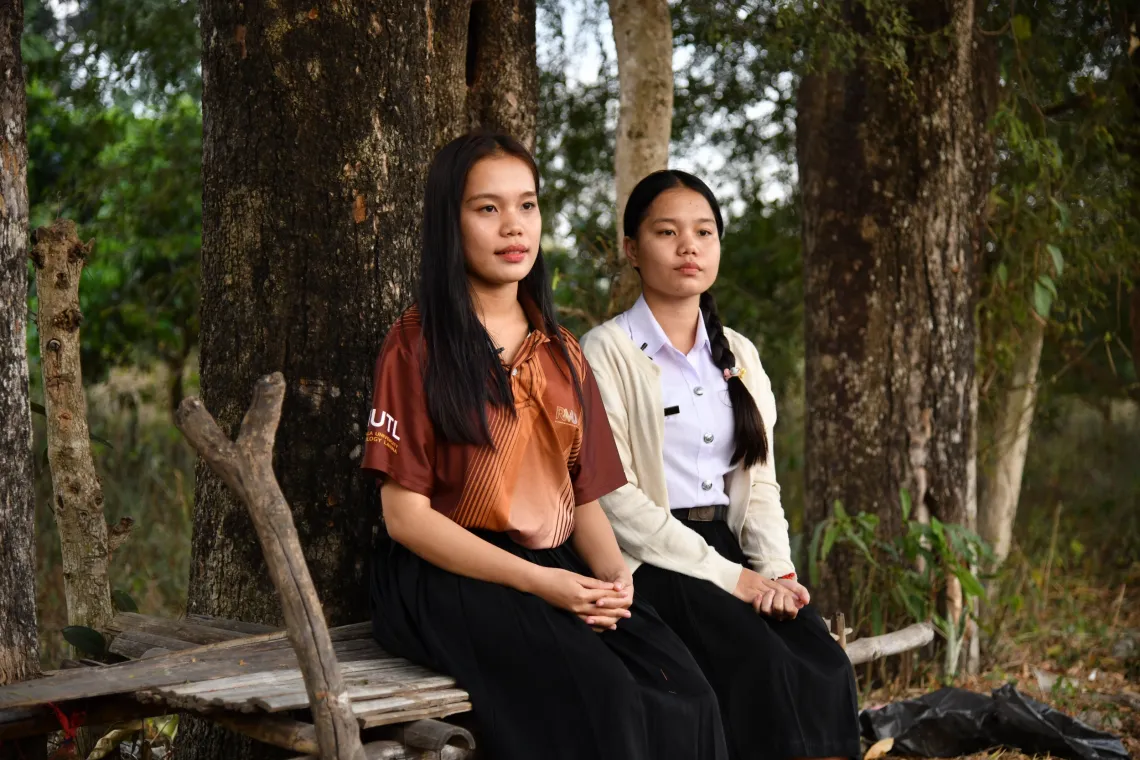
Thailand is home to one of the world's largest stateless populations. As of 2024, an estimated 170,000 children live without a legal identity or nationality and the full protections and opportunities that citizenship provides.
For these children, statelessness means living with a constant sense of uncertainty. It can create barriers to education, health care and other essential services, while increasing the risk of violence, exploitation, trafficking, and child labour. Too often, children affected by statelessness face discrimination and are prevented from participating fully in society.
But determined efforts by UNICEF, governments, communities and partners are helping to turn the tide.
From Paperwork to Possibility
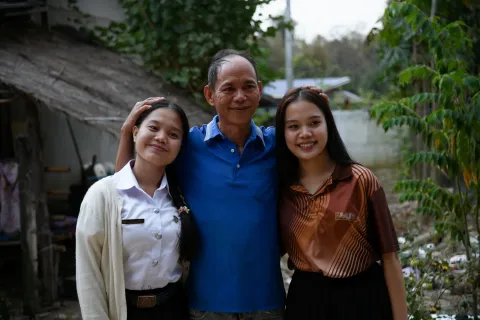
In Chiang Mai, twin sisters untangle their futures from a past without legal status or nationality.
While entitled to Thai nationality by law, a bureaucratic error shadowed them for more than a decade.
For decades, UNICEF Thailand has worked alongside the Royal Thai Government, civil society organizations and other partners to address statelessness. Persistent advocacy, research and technical support have helped strengthen birth registration systems, expand access to legal identity, and accelerate pathways to nationality, creating new opportunities for children and their families.
Starting at birth
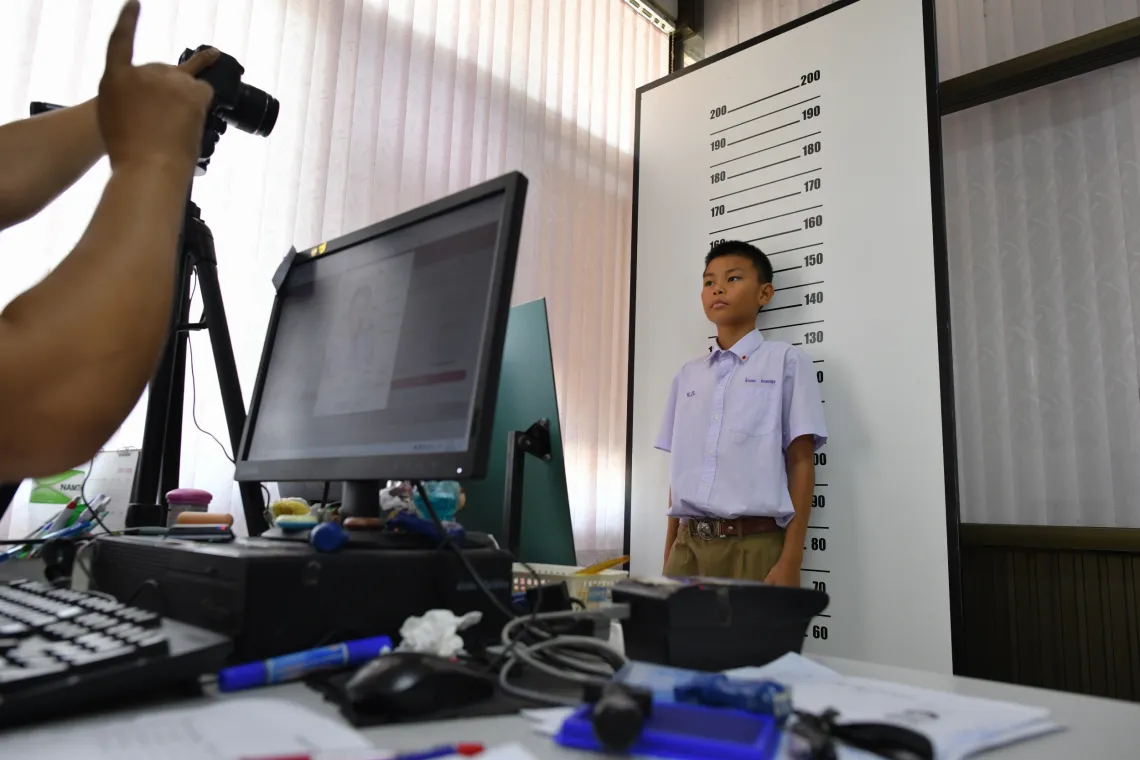
A key focus has been ensuring that every child is registered at birth. Working with partners and the Ministry of Interior, UNICEF has supported systems that connect newborns to civil registration records, helping children obtain the documentation they need from the very start of life. These efforts help ensure that children born in Thailand, regardless of their parents' nationality or legal status, can receive a birth certificate and establish a legal identity.
Accelerating pathways
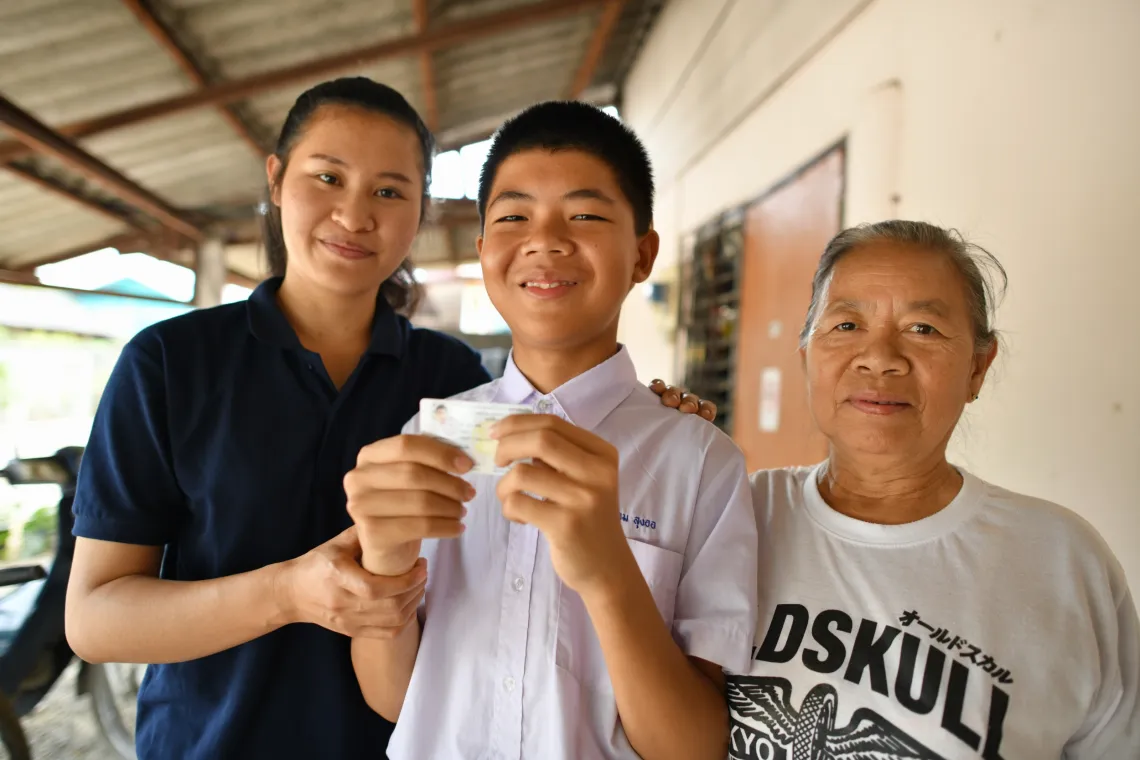
Recent policy changes have further accelerated progress. In 2024, Thailand adopted a landmark resolution to expand pathways to residency and nationality for stateless people, creating new opportunities for hundreds of thousands of people to secure residency or nationality. Many more will be able to seek a legal identity. The decision has contributed to a dramatic increase in the number of children able to resolve their status, marking one of the most significant advances in Thailand's efforts to end statelessness. UNICEF was able to work with over 33,000 children throughout 2025, up from 9,400 in 2024. More than 3,000 have now successfully achieved a legal identity and the number is accelerating.



Reaching every child
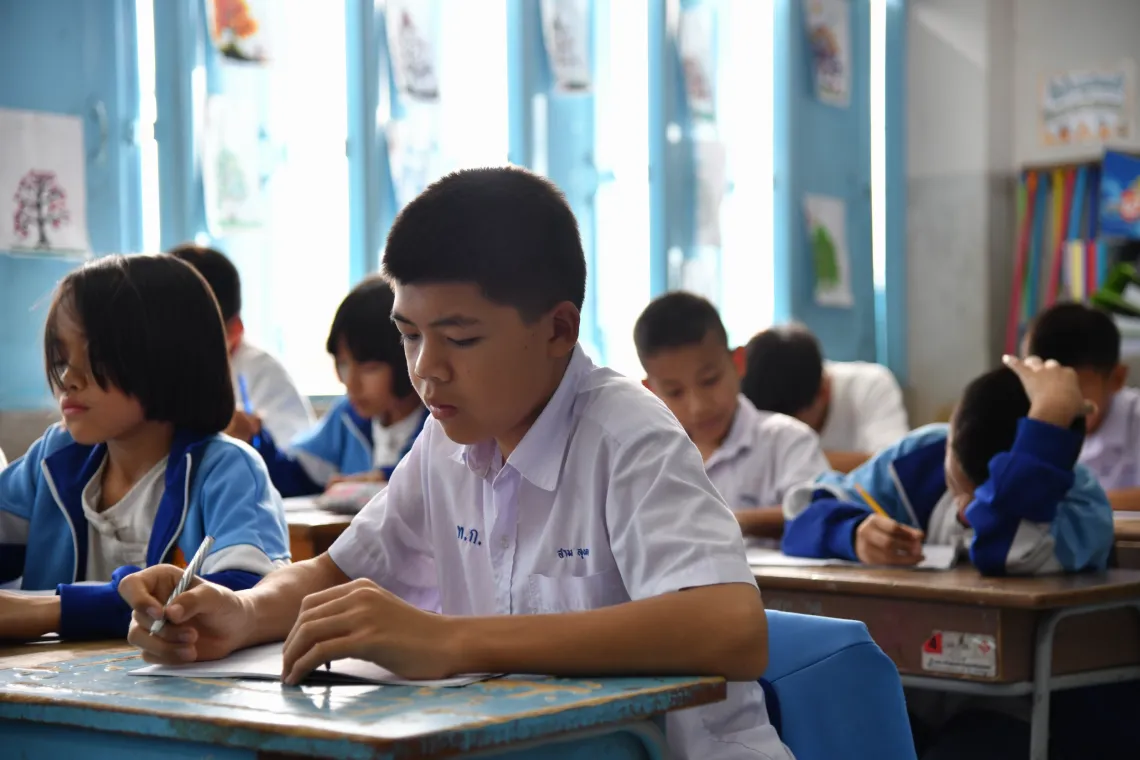
At the same time, mobile registration clinics are helping bring services directly to remote and underserved communities. By supporting families with registration and documentation processes that can feel impossible to navigate, these outreach efforts are helping ensure that geography, poverty, or lack of information do not prevent children from claiming their rights. Since its launch in 2021, the Mobile Civil Registration Unit project – a joint initiative by UNICEF and the Legal Status Network Foundation, with support from the European Union – has reached more than 50,000 stateless children and helped over 10,000 gain legal status.
Learn more about UNICEF Thailand’s results and ongoing work in the Impact Report 2025
Together, UNICEF, the Royal Thai Government, and our many partners are helping transform what was once considered an intractable challenge. With progress accelerating and more children gaining access to legal identity, Thailand is demonstrating what is possible when sustained commitment is matched with coordinated action.
Every child has the right to a nationality, and every child deserves the security, protection and sense of belonging that comes with it. Until every child can begin life with not only a name, but the legal recognition and rights they deserve, efforts to end statelessness around the world must continue.