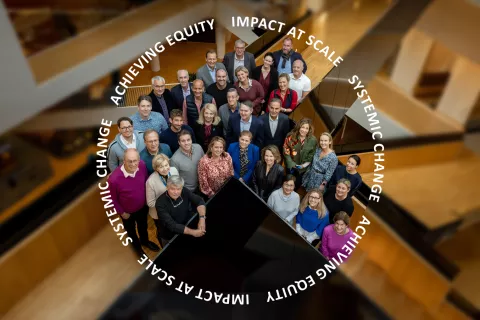
Making the grade
From vision to impact with philanthropists Susan Cummings-Findel and Stefan Findel
"It was a circle…my family was poor because they hadn’t studied. And I was following the same circle,” Rima recalls.
Rima didn’t attend school until she was 11 years old, but she was determined to change the path she was on.
“I was eager to sign up right away,” Rima says about the Girls’ Access to Education (GATE)*, a programme in Nepal that helps children gain basic literacy, numeracy and life skills. She had heard about the opportunity from friends in her community.
Initially, Rima’s parents were skeptical. “They told me it was a waste of time. I was very disappointed.”
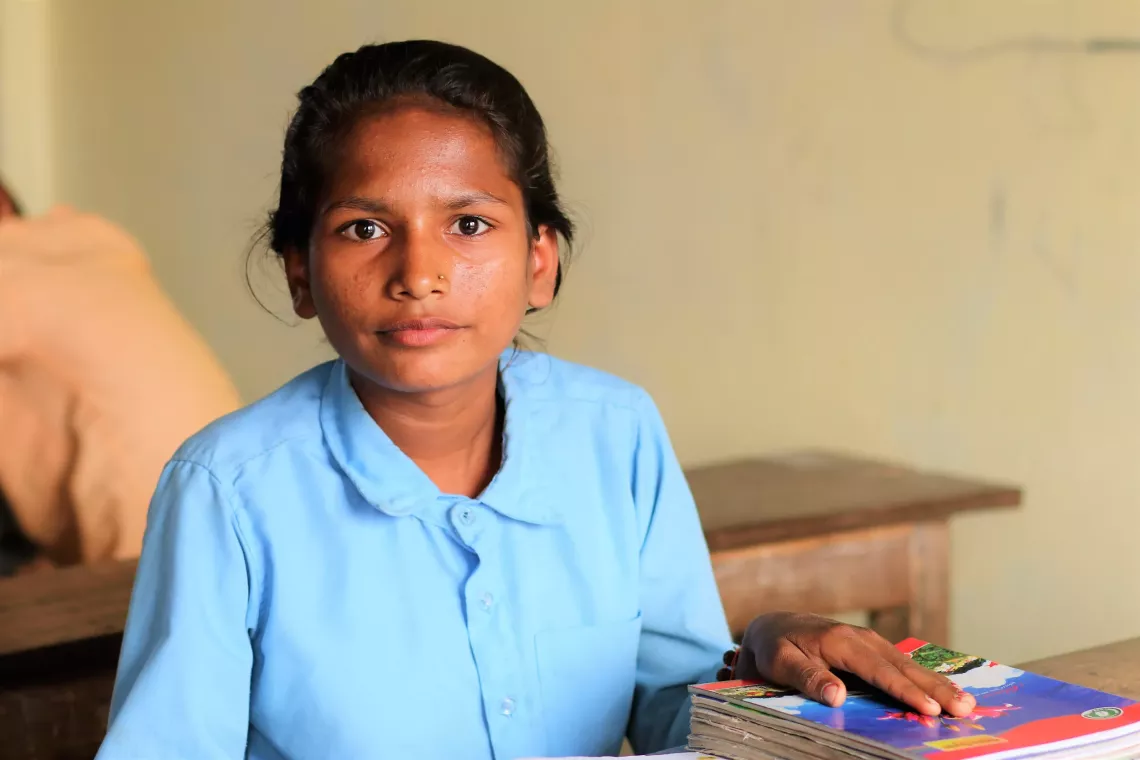
“If a girl is educated, her parents will have to find an educated groom for her,” Rima explains. “This leads to higher dowry demands from the boy’s family.”
Even where it’s illegal the dowry system persists in various communities worldwide. It’s just one example of the many barriers to education girls face, especially in low-income countries.
But whether they’re kept home from school to reduce dowry costs or to support their families in some other way, the barriers tend to emerge early and they perpetuate a cycle of disadvantage. These cycles are difficult to break, particularly in places where educational resources remain unevenly distributed.
Despite the challenges she faced, Rima’s determination only grew stronger.
Recognizing her ambition, the GATE supervisor visited her family to discuss the programme. He shared examples of girls who through education were able to transform their own lives and that of their families and communities for generations. That’s when her family finally agreed.

UNICEF/UNI616043/Laxmi-Prasad-Ngakhusi
Decades before Rima, another young girl, in another part of the world, also found hope in a helping hand.
“I was 10 years old,” Susan begins. “We were asked to line up [at our orphanage in South Korea]. And the next thing you know, we are getting immunizations. UNICEF had provided them. When I learned about this later, I always felt a very special connection with UNICEF. And I still wonder, what if I hadn’t been so lucky?”
Susan and her husband, Stefan Findel, would later go on to co-found UNICEF’s Let Us Learn, an initiative designed to help girls like Rima make the grade.
Susan’s own childhood inspired her to create opportunities for countless other children.
Expanding educational opportunities
The GATE programme is a key component of Let us Learn, which offers opportunities to girls who have never had a fair chance. Working closely with ministries of education and local partners, UNICEF designs programmes that support children from early childhood to vocational training.
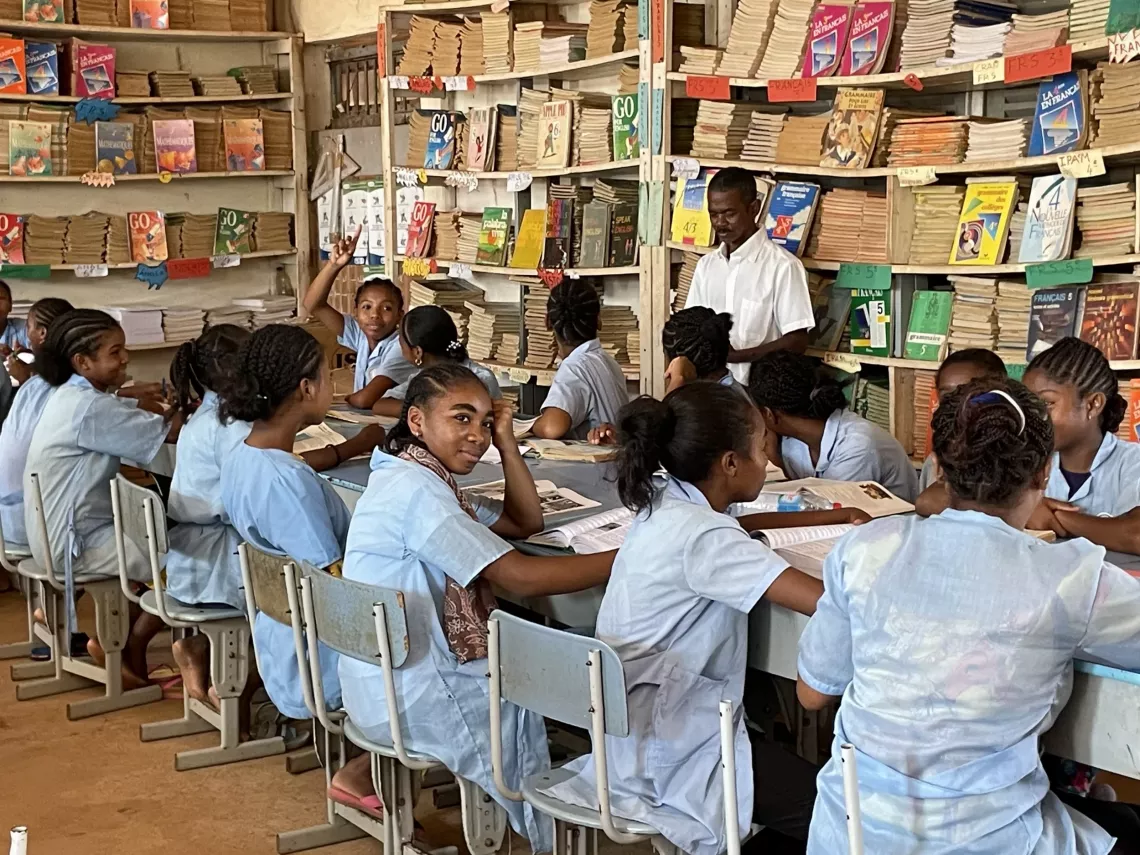
Launched in 2011, Let Us Learn tackles the root causes of the learning crisis across Afghanistan, Bangladesh, Liberia, Madagascar and Nepal, where rates of out-of-school children remain high.
“My learning pace was slow at first, but I was absorbing so much information every day. I surprised myself,” Rima says. “I feel like a completely different person. Now, even my parents think it was the right decision.”
Rima’s excitement is echoed thousands of kilometres away in Madagascar, where 10 year old Danaia is discovering her own dreams for the future.


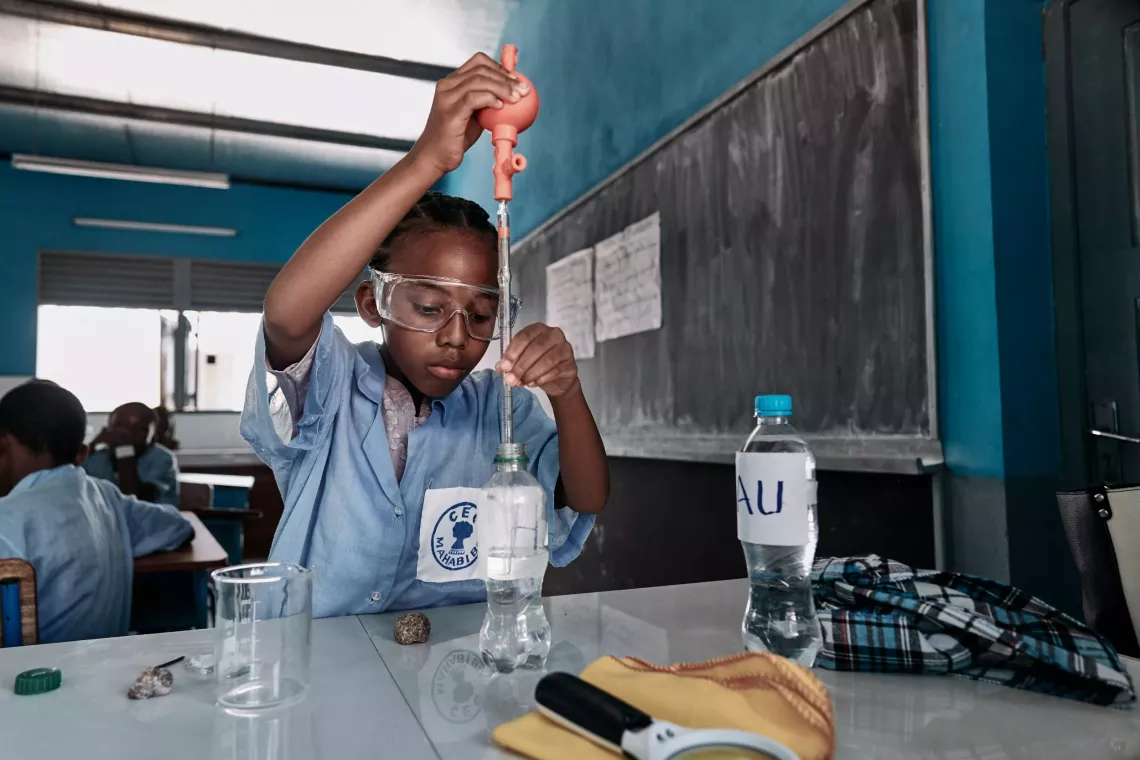
“It's my first time in the multipurpose classroom, and I really enjoy the chemistry experiment,” Danaia explains. “[When I grow up], I want to be a lawyer.”
Let Us Learn tailors programming to address specific challenges in different countries, helping girls like Rima and Danaia catch up on their education, no matter their circumstances.

A lasting commitment: Investing in systems
Susan Cummings-Findel and Stefan Findel understand the value of a fair chance early in life, and that education is not just an individual transformation – it’s a systemic one.
“We decided to work on education because it is the most basic thing you can do to build a future,” Stefan Findel says. “Educating children is cost-effective, you are averting lot of other problems by educating children. And education is one thing no one can take away from you after you receive it.”

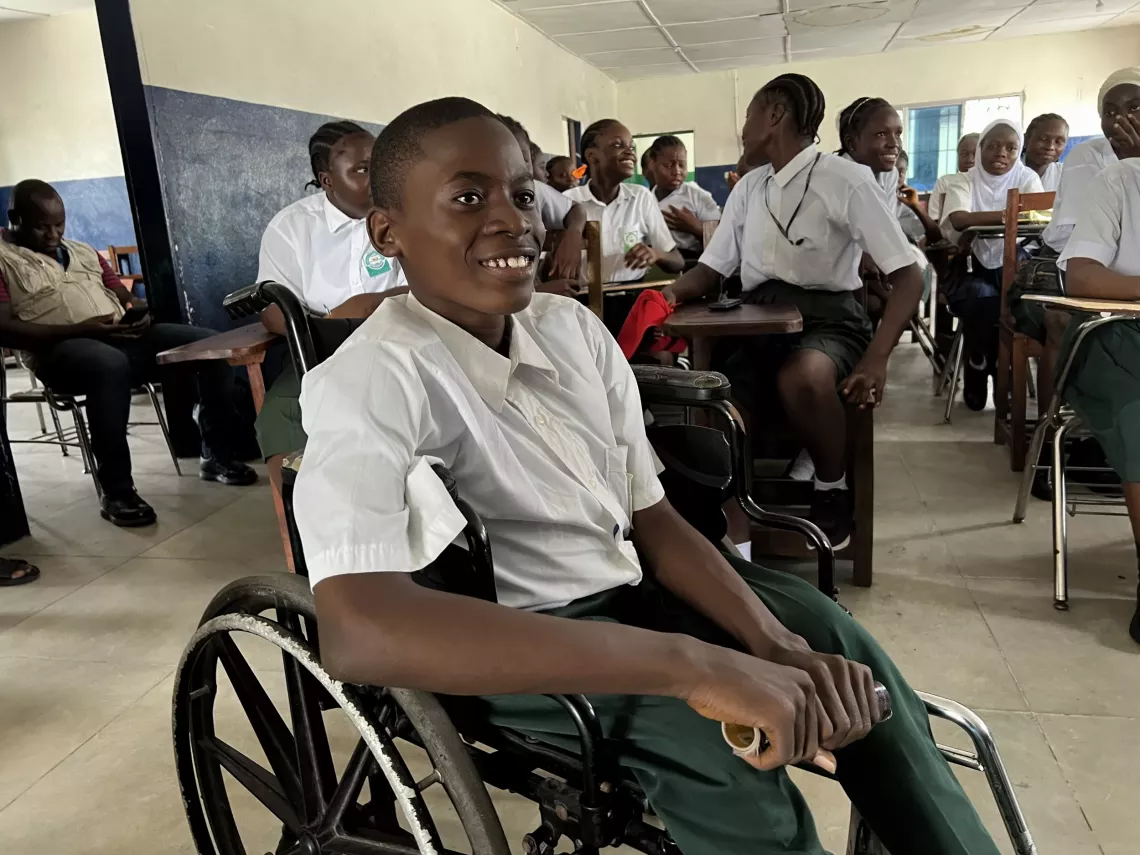

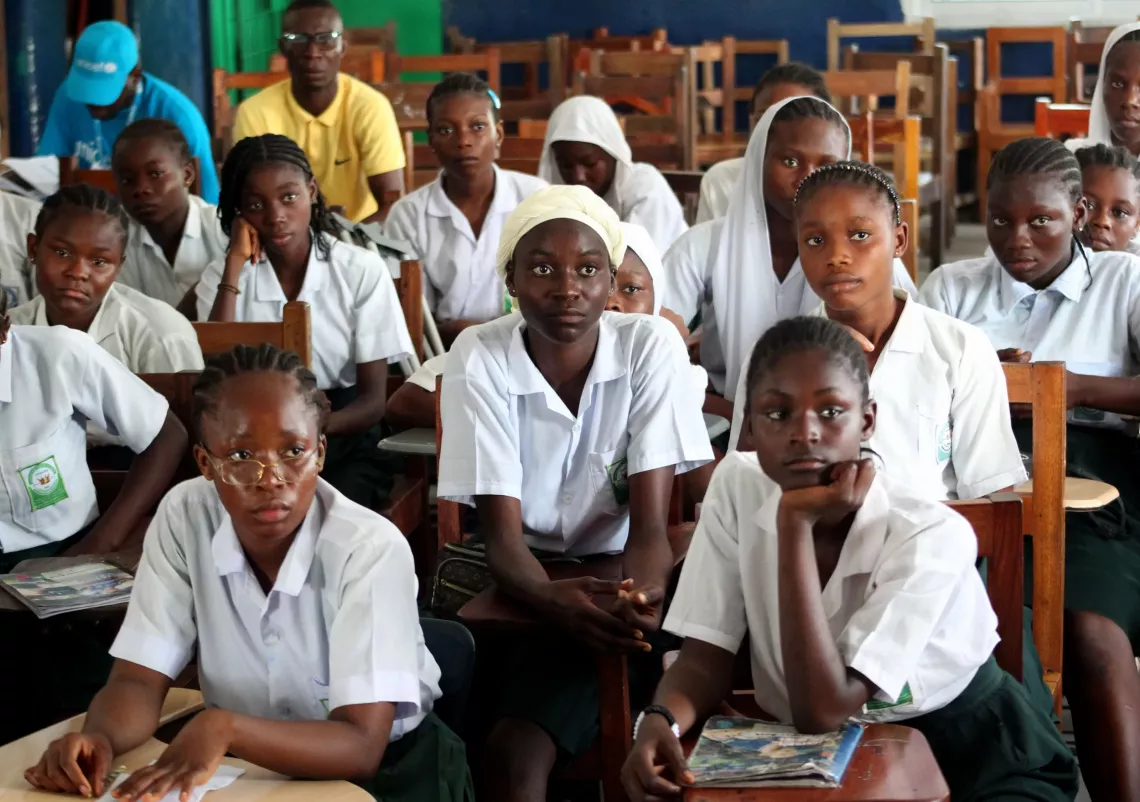
From local communities to entire countries, investing in education creates ripples of change that benefit everyone. Children who have benefitted from access to quality education are more likely as adults to participate in civic life, raise healthier families and contribute economically.
To date, the LUL initiative has received US$88.6 million from the Findels and other partners, reaching more than 1.6 million children – with a strong focus on empowering girls and supporting children with disabilities.

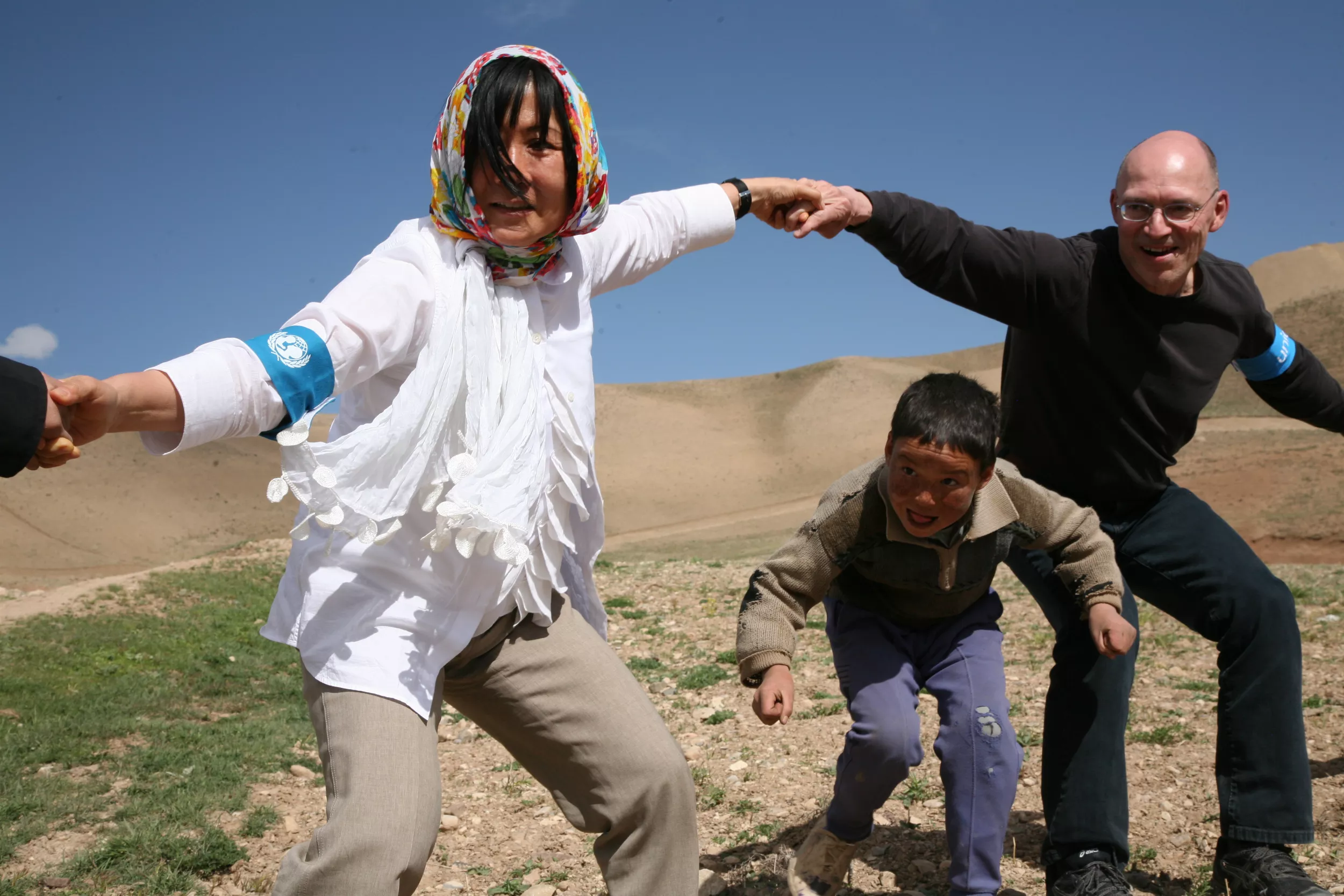

UNICEF/UNI262648/Gretarsson
“We came to understand the power of UNICEF’s relationships with governments. UNICEF understands that they can’t pick and choose who they work with — they simply must be where children need them,” Susan explains, “UNICEF doesn’t back down. They are there for the long run.”
In 2023, UNICEF supported more than 37 million children and adolescents in accessing education.
Despite this progress, socioeconomic disparities persist: Globally, up to 250 million children are still out of school – up 6 million since 2021 (and up 12 million in sub-Saharan Africa). The most disadvantaged children still aren’t able to attend class regularly and become proficient in reading and math at the same rate as their better-off peers.
Together with partners and philanthropists like the Findels and other members of our International Council – a community of over 160 philanthropists and influential partners – UNICEF works every day to reach every child, everywhere.
“The greatest reward is to see the smiles on the faces of children,” Stefan shares.
For Rima, Danaia and many other children, initiatives like Let Us Learn offer more than just educational opportunities. They provide hope and a chance to shape a better future.
Let Us Learn is made possible by the dedication of our partners, from corporates and foundations to philanthropists, who share our mission. Since 2011, more than 4,200 individual donors, along with hundreds of students in Germany participating in Reading for UNICEF, have contributed to the program's success.
*The Girls’ Access to Education (GATE) programme, now known as the Supporting Adolescent Girls’ Education is part of UNICEF’s Let Us Learn initiative.
The Findels have also provided flexible funding to support various emergency response efforts, including in Syria, Ukraine, Afghanistan and other crisis-affected regions.