Living in fear: Children displaced by gang extortion in El Salvador
When families can’t leave their homes for fear of gang violence, migration sometimes seems like the only way out.

EL SALVADOR, 15 August 2018 – Fourteen-year-old Julieta* has been terrified ever since the day she heard a man threaten her father’s life.
The man was a gang member and he was demanding money – Julieta knew that if her father did not pay, he would most likely be killed. She had seen it happen to several of his employees in the past.
Julieta’s family has been living in a constant state of fear for months.
"I got so worried that it gave me a knot in my neck," she says.
The normal life they once had now seems like a distant memory.
From stability to extortion
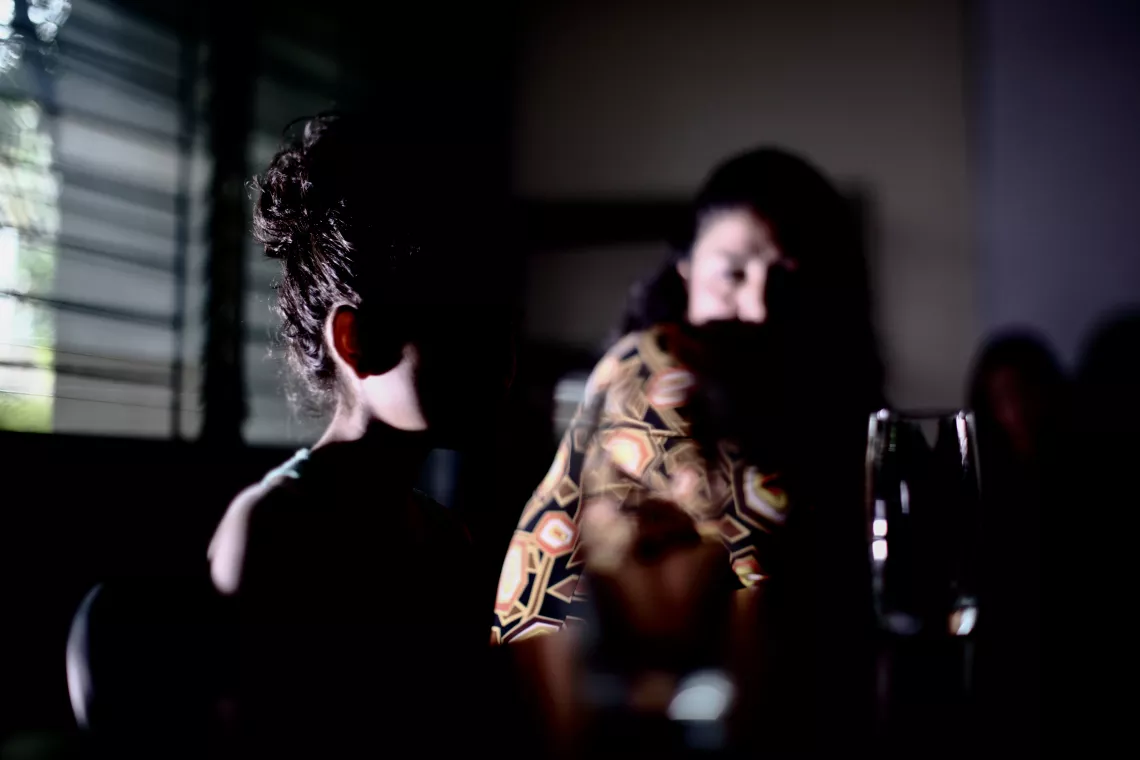
Ana, Julieta’s mother, remembers her time as a housewife, dedicated entirely to the care of her two children, Julieta and 16-year-old Rodrigo, while her husband, José, invested in prosperous businesses.
But as he grew more successful, he became a target.
In El Salvador, successful entrepreneurs are regularly extorted by gangs. According to police statistics, in 2017 alone,1,588 reports of extortion were registered nationwide. However, most cases are never reported because of fear of retaliation.
"My husband’s financial success triggered a change in our peaceful life," says Ana.
The gangs forced José to pay them until his family went broke.
Julieta’s family now lives in extreme poverty and confinement in one of the most violent municipalities in El Salvador. "We have barricaded ourselves inside our home,” says Ana.
Living in isolation
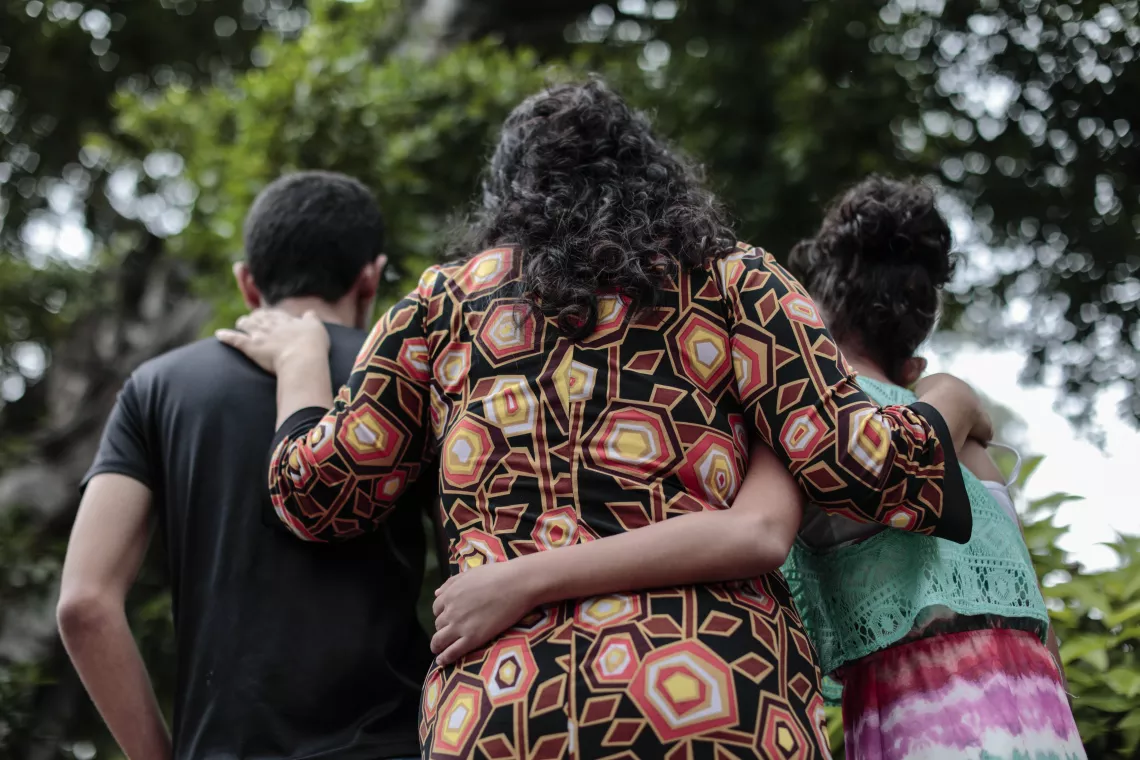
Today, Julieta only leaves her home to go to a private school, and Rodrigo spends all of his time in the house because his parents cannot afford to pay for both children to study. Attending public school is not an option – statistics from 2017 show that 44.61% (2,295) of educational centres are located in communities with a gang presence.
Rodrigo misses going outside and hanging out with his friends from school. "I wish I could go back to when I was little, because I had no worries. I could go out in the street, play with my friends and my neighbours. I do not like living in the time I'm in now."
Today, Ana is the only breadwinner and has to support the whole family. "I sell anything I can find, from stones to second hand clothes [...] when the first money comes in, I go buy beans and eggs."
When migration seems like the only way out
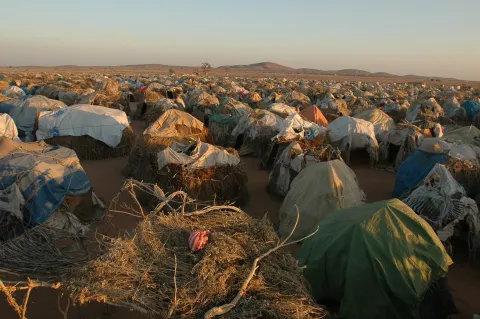
According to the UN Refugee Agency (UNHCR), in 2017 alone, 59,400 people from El Salvador requested asylum or refuge in other countries.
Ana and her family had never before considered emigrating. “It takes a lot of courage. We would never expose our children to the worst that could happen to them,” she says. “The first thing for us was to exhaust all legal options here.”
But now Ana believes that it is safer to barricade herself and her family in their home than to file a report with the police or the prosecutor’s office.
"In this country, there are no secrets, anyone can be sold out. We live in a time of great envy and selfishness, and people are capable of anything," she says.
Ana and her family recently decided to seek asylum in another country. "We don’t want to go, we love our country, but unfortunately, there are many people who have ruined it. We either leave or risk having someone in our family killed," says Ana.
Rodrigo has mixed feelings about leaving. "Part of me feels it’s going to be good, but on the other hand I have to give up a lot of things – the people closest to me, my family, the place where I grew up. There’s sentimental value in everything around me."
UNICEF is working with local authorities and civil society organizations to put in place a violence prevention strategy and tackle the root causes of forced migration and displacement. As part of this strategy, UNICEF supports institutions such as the Human Rights Institute of the José Simeón Cañas Central American University (IDHUCA), which provides assistance to families through services like legal advice and psychosocial support.
But still more needs to be done to protect those threatened by gangs and combat extortion and forced migration.
*all names in this story have been changed to protect the identity of the family.