Holding space for hope
Lifesaving vaccines and strengthened health systems are a dose of good news for millions of children.
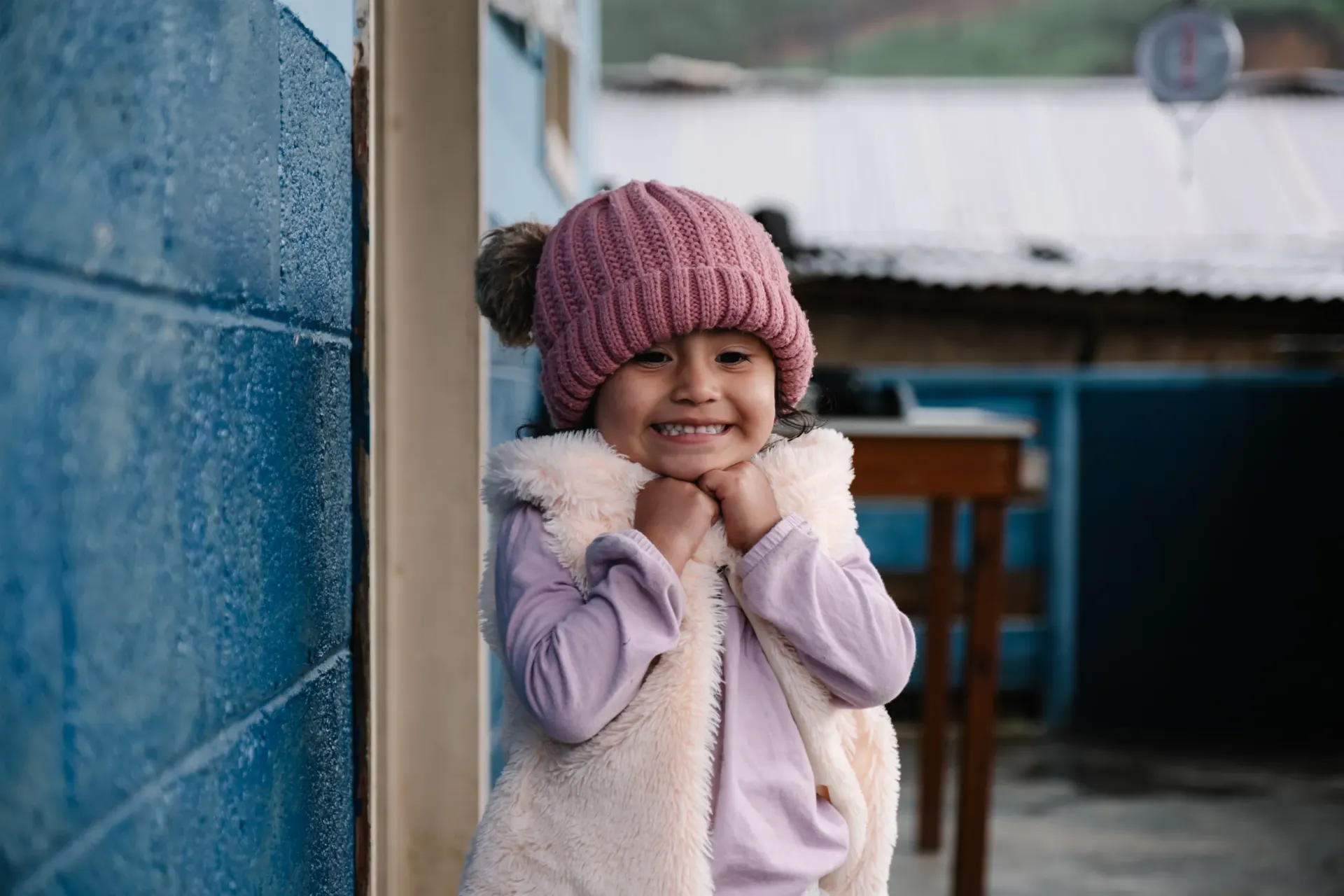
Around the world, quiet but powerful progress is being made to protect children’s rights to good health. New vaccines are reaching more communities, life-saving treatments are becoming more affordable, and countries are finding smarter, more sustainable ways to deliver care.
The collective work of many – from research to advocacy, from supply to community delivery – is helping to prevent disease, save lives, and give every child a healthier start.
It's a dose of good news worth spreading.
Ending polio outbreaks
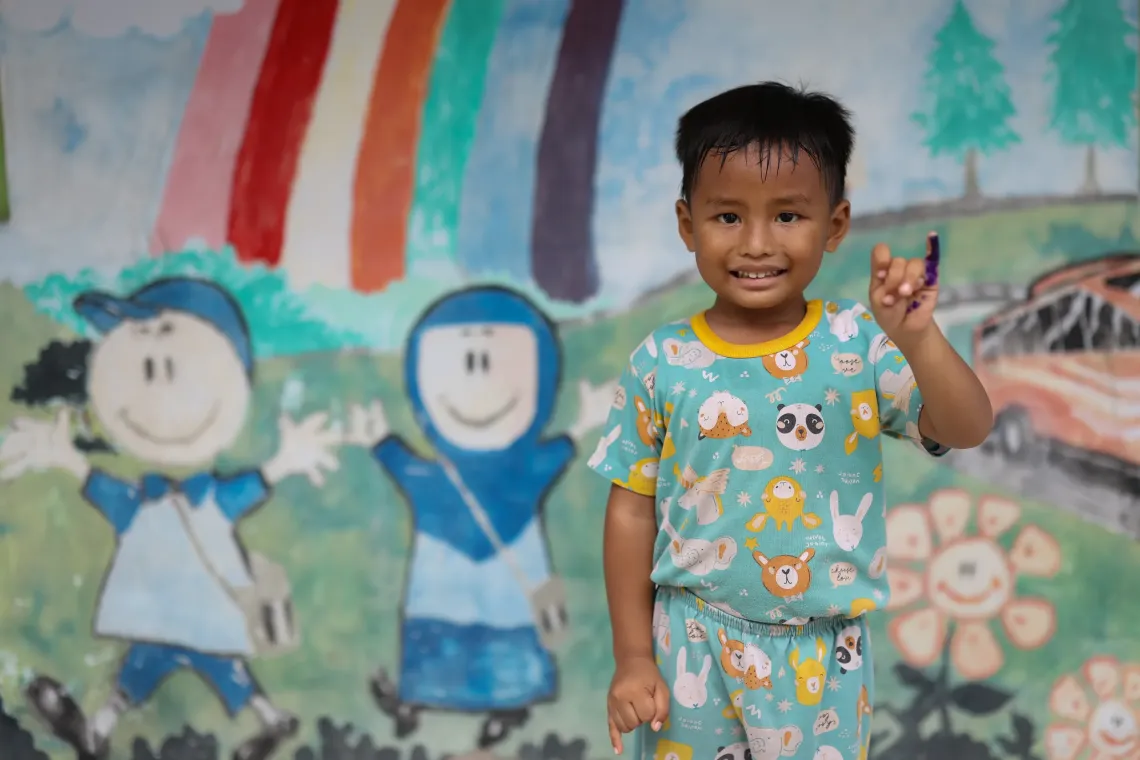
Polio outbreaks in Indonesia and Madagascar have been officially declared over after intensive vaccination campaigns and strong community action. These milestones show what’s possible when families, health workers, and partners come together to reach every child.
Innovation is strengthening these efforts even further. The rollout of the six-in-one hexavalent vaccine in countries like Senegal and Mauritania means babies can now be protected against polio and other serious diseases with fewer injections. By making it easier for children to receive routine vaccinations, UNICEF and partners are helping safeguard progress and bring the world closer to a polio-free future.
Learn more: Eradicating polio
Protecting millions of girls from cervical cancer
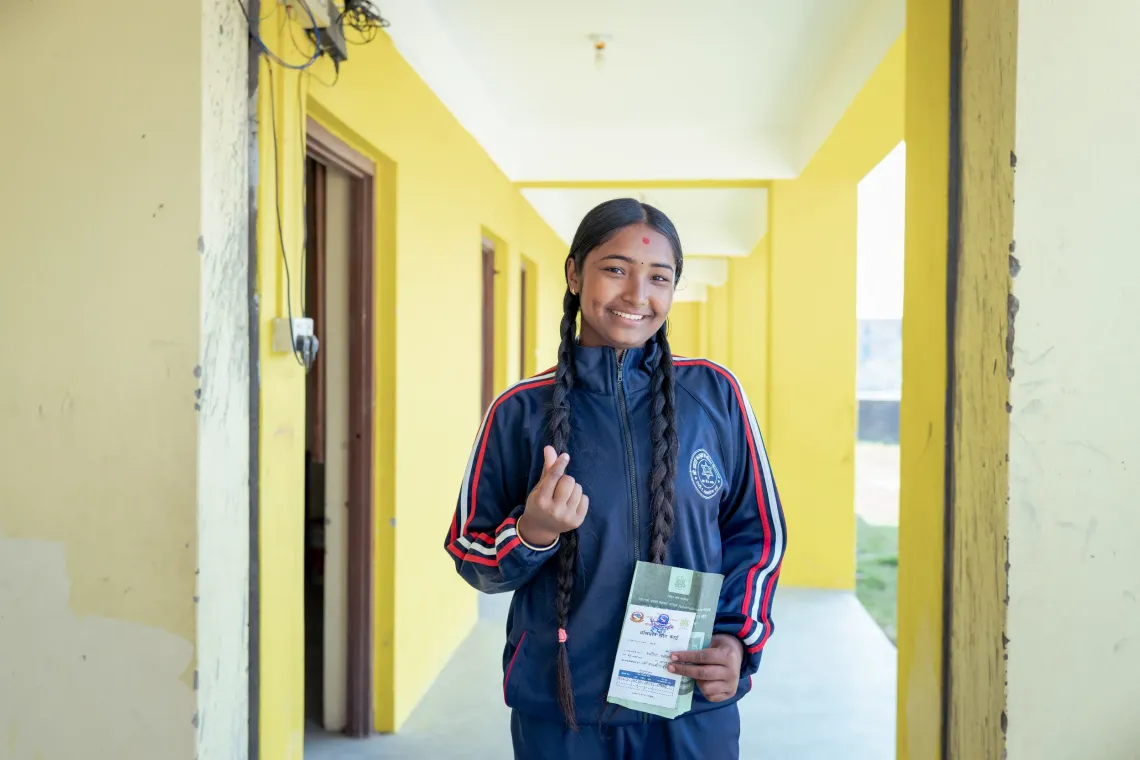
More countries are taking decisive steps to protect girls from cervical cancer by expanding access to the HPV vaccine. Governments have also been adopting single-dose HPV vaccine schedules, making it easier to reach more adolescents. Around 10 new countries introduced HPV vaccines for the first time in 2025, including Pakistan, Ghana and Nepal.
UNICEF supports countries to introduce and scale up HPV vaccination and in collaboration with donors and partners, increases access to the prevention, screening and treatment. Building on long-standing partnerships with governments and working across sectors, UNICEF helps countries use schools as platforms to reach more girls quickly with services and information. Our experts also advise countries on evidence-based communication to address misinformation and build confidence in the HPV vaccine.
Learn more: Five fast facts about HPV and cervical cancer.
Stopping the spread of measles
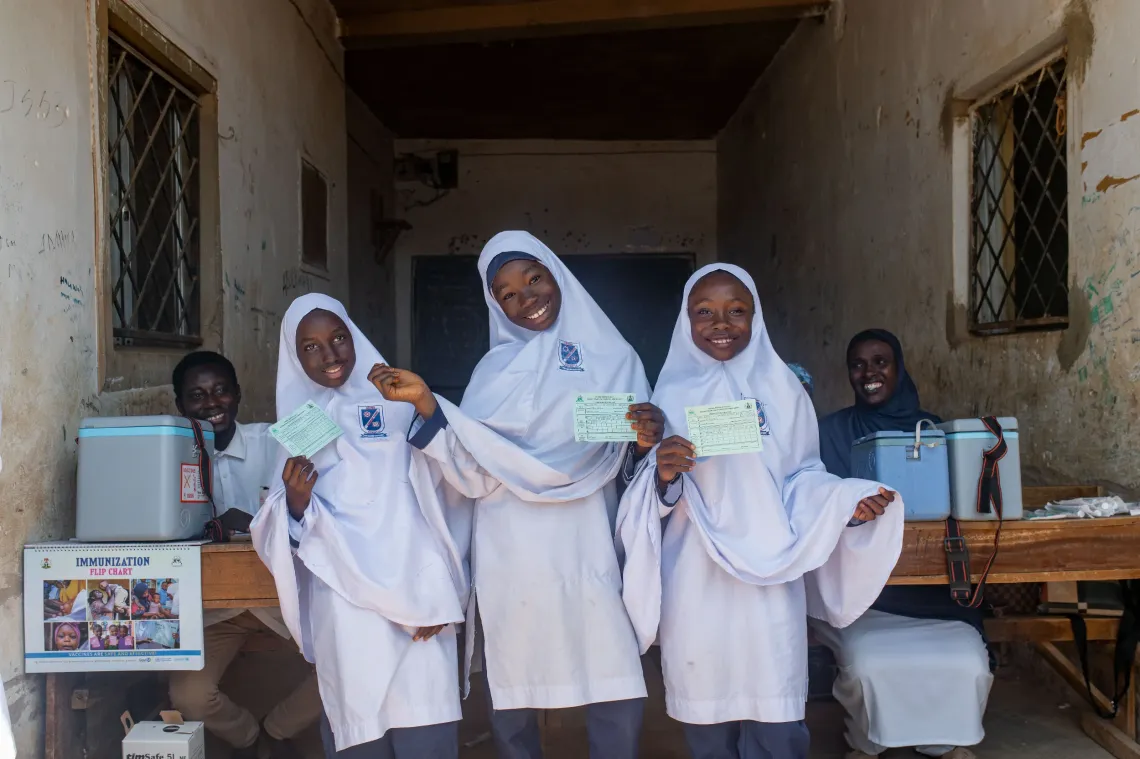
Nigeria carried out one of its largest vaccination campaigns ever in 2025, reaching around 106 million children with protection against measles, rubella and polio. For the first time, rubella vaccines were introduced nationwide alongside integrated health services — making it easier for children to get the care they need in a single visit.
UNICEF helps countries plan and supply vaccines, build trust, stimulate demand and safely deliver them to reach children in every community. Each year, UNICEF delivers around 250 million doses of measles vaccines and provides support to ensure services reach children wherever they are, even in the most remote and conflict-affected areas.
Learn more: Measles cases are spiking globally.
New breakthroughs in HIV prevention
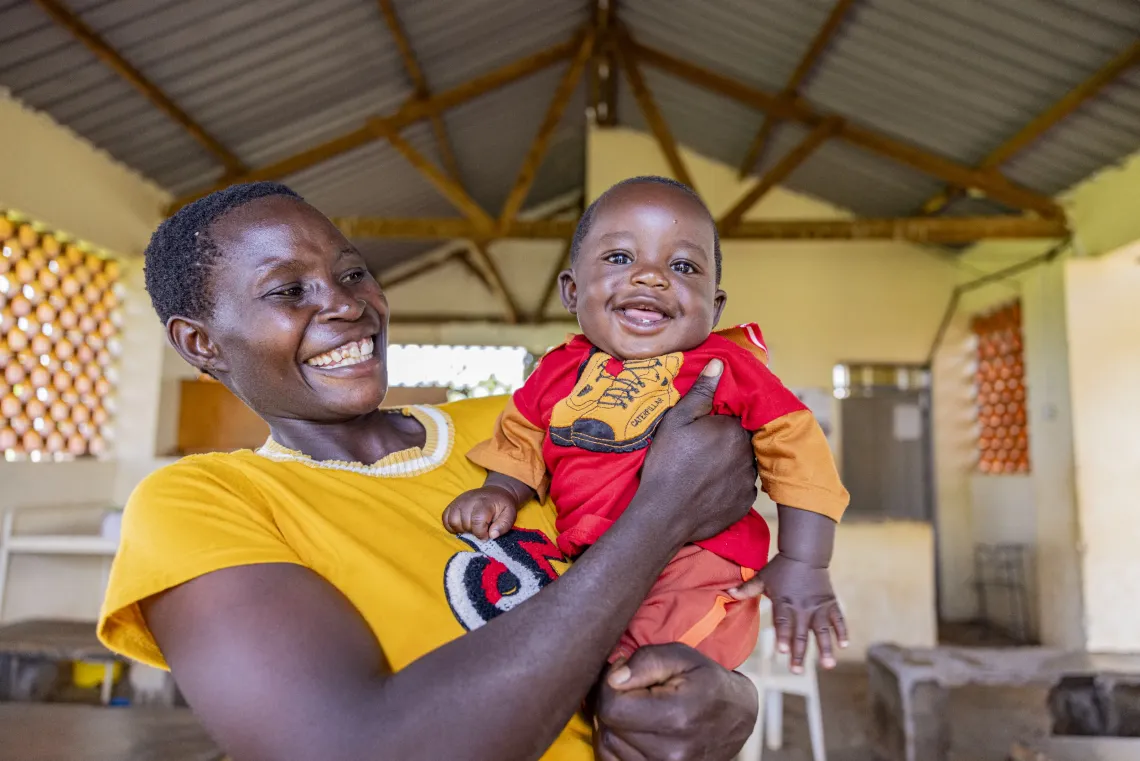
A major breakthrough in HIV prevention is bringing renewed hope to children, young people and families most at risk. A long-acting medicine called Lenacapavir will become far more accessible thanks to a dramatic price reduction agreement, helping countries to expand prevention efforts. Eswatini is among the first to receive the medicine, with more countries expected to follow as access grows.
UNICEF is working with governments and partners to help ensure these advances reach those who need them most – especially adolescents and pregnant women – by strengthening prevention programmes and supporting equitable access to life-saving HIV services.
Learn more: World risks reversing HIV progress as children face treatment gap.
Malaria vaccines are reaching more children, faster
For the first time, malaria vaccines are being rolled out at scale, reaching families in some of the hardest-hit countries. Since January 2024, 14 countries have introduced malaria vaccines, with seven more joining so far this year. A newly reduced price for the R21/Matrix-M vaccine means nearly 7 million additional children could be fully vaccinated against malaria over the next five years.
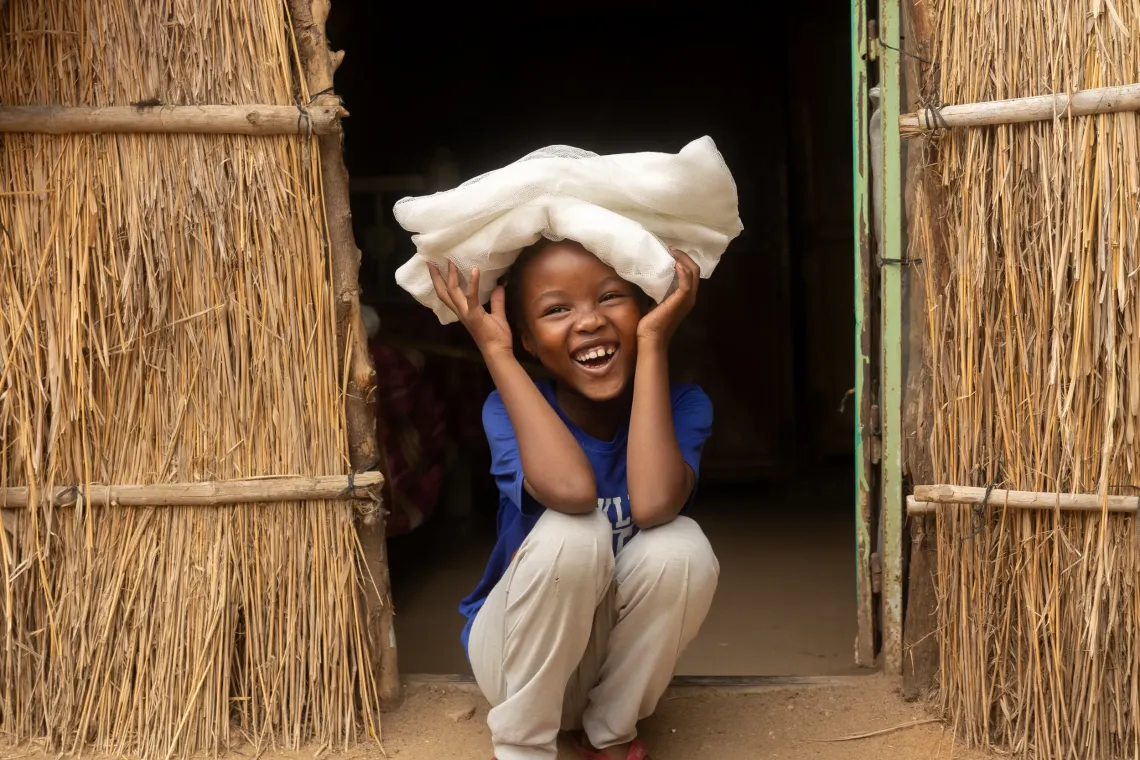
UNICEF is supporting countries to deliver vaccines alongside proven malaria prevention tools, like insecticide-treated bed nets and stronger primary healthcare. In Sudan, a mass campaign distributed nearly 15.6 million insecticide-treated bed nets to prevent the spread of malaria and safeguard the lives of the most vulnerable families and children.
Learn more: Five actions for a malaria free world.
UNICEF's work in immunization
UNICEF’s work in immunization focuses on reaching every child with lifesaving vaccines. This means putting equity at the heart of everything we do, ensuring vaccines are available, communities are engaged, and data is used to reach children who might otherwise be missed. We also work to strengthen health systems, making immunization reliable and sustainable for the future.
In 2025, we made significant progress in advancing localization efforts and securing long-term agreements to procure syringes and safety boxes from manufacturers in Africa. Starting in 2026, 52 per cent of UNICEF-procured syringes will be produced in Africa, up from less than 10 per cent in 2023.
At the same time, innovative approaches to delivery – like piloting vaccine shipments by sea – are helping to cut costs, reduce emissions and make it easier to get life-saving vaccines to even the most remote communities.
Through our work with governments, communities, and partners, UNICEF is helping to create a world where every child can grow up healthy and protected.