A Bee Gees' gift that keeps giving, generation after generation
From surviving waterborne disease to leading community change, women in India show how investments compound to transform childhood.
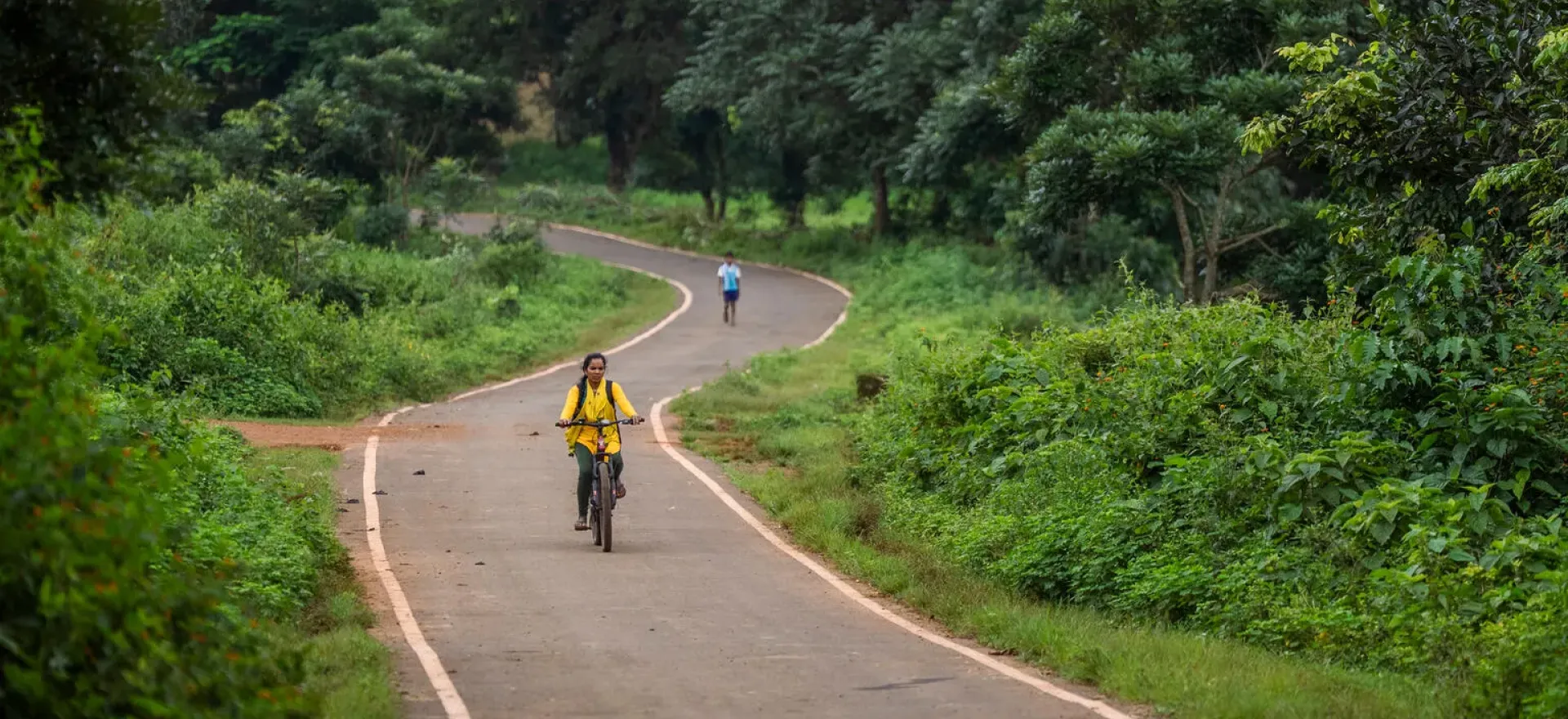
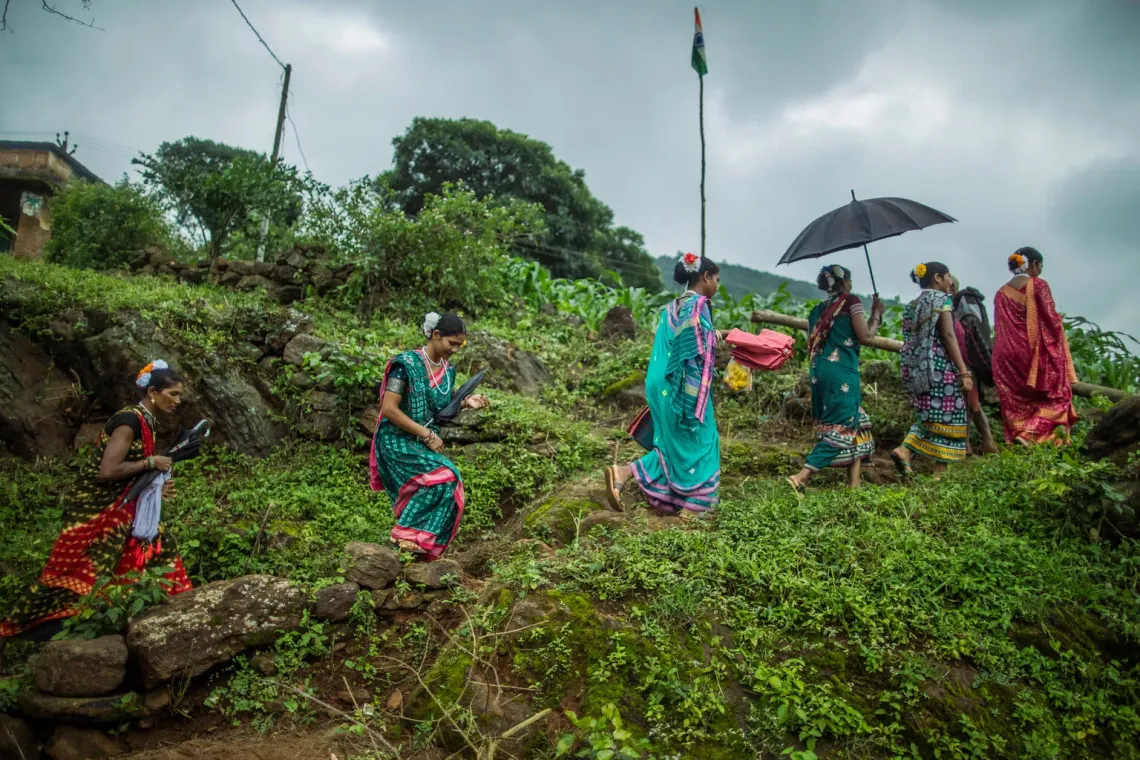
The children walking home from school in Bandaguda village in Odisha, India, stop at a handwashing station and rinse their hands with clean water and soap.
Doing so is routine now for children in this district, as is having access to safe drinking water close to home, and girls learning about menstrual hygiene. But Kalpana says it wasn’t always like this – in fact, the road that the children are walking along today didn’t even exist a generation ago.
“Children today know why handwashing is important,” Kalpana says. “We use sanitary pads and talk about personal hygiene, something my grandmother never had.”
Over time, their efforts were also carried along by a Bee Gees song and the royalties the song earned became part of the funding supporting UNICEF’s work for children over the decades.
UNICEF/UNI865445
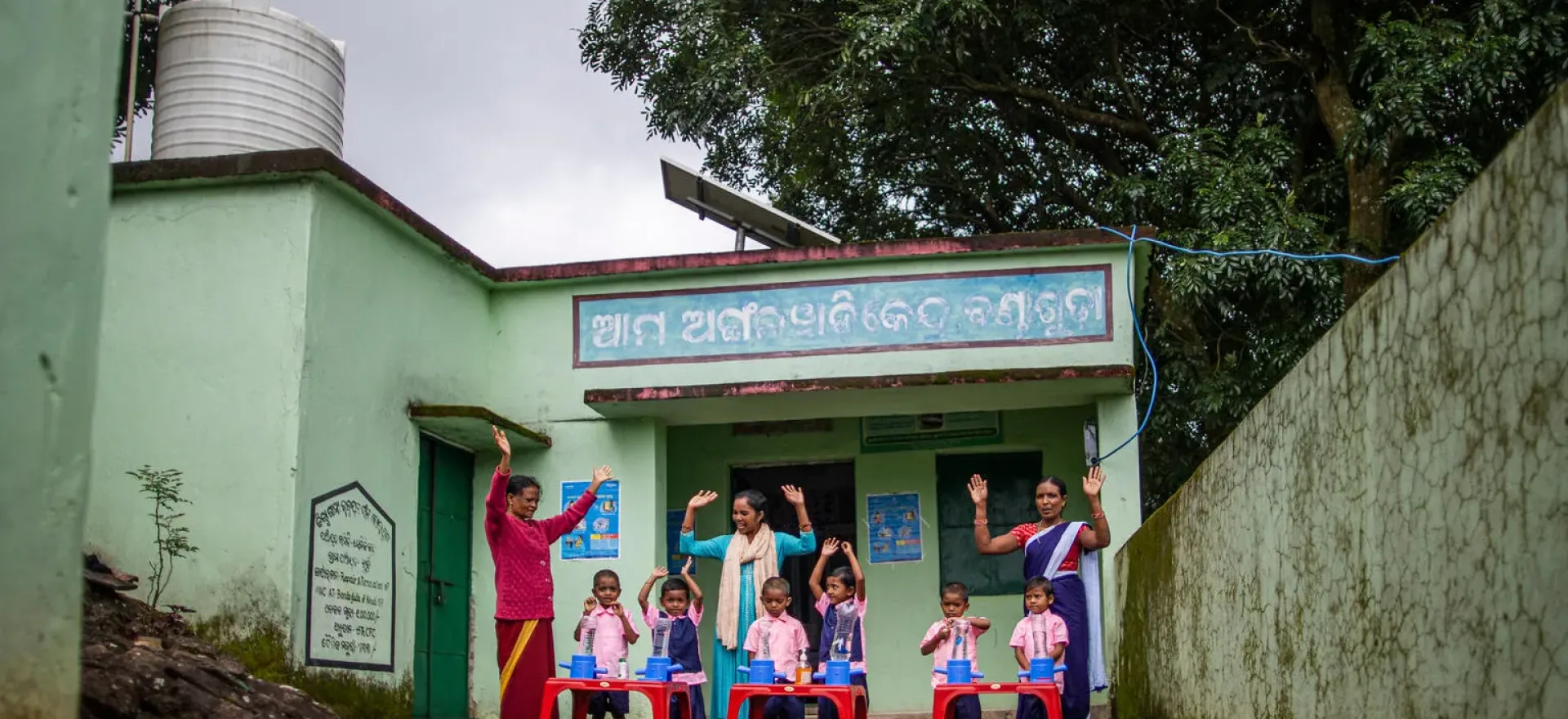
Today, Kalpana rides her bicycle to local schools to conduct menstrual health training sessions for adolescent girls. She also helps lead hygiene sessions for young children at the Anganwadi Centre in Bandaguda village, teaching them proper handwashing techniques.
UNICEF/UNI865444
Beyond the classroom, she participates in local Self-Help Group meetings and talks with girls in her community about the importance of hygiene and health. These changes reflect years of her dedication, as well as the determination of the women who came before her.
Women leading the way
When Kalpana’s mother, Naranga, married into the Bandaguda community a few decades ago, the village had no roads, no toilets and no reliable source of safe drinking water.
“During the rain, open defecation areas flooded. That’s when tragedy struck. My youngest son fell ill with diarrhea. That was my turning point,” Naranga explains.
With no nearby health workers and no sanitation facilities, waterborne diseases were common. Naranga lost her 10-month-old baby to diarrhoea.
In communities without safe sanitation, exposure to human waste can easily contaminate water and the environment. Combined with poor hygiene, it remains one of the leading causes of illness and death among young children and contributes to undernutrition, stunting and impaired cognitive development.
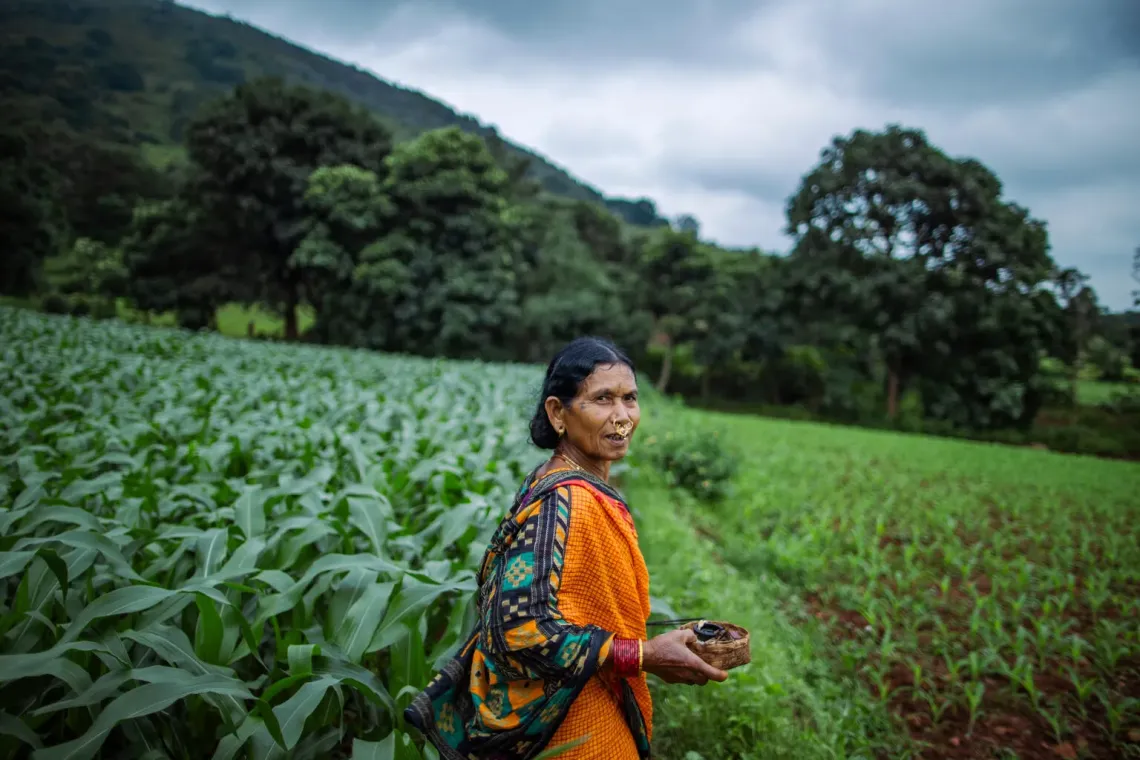
Naranga’s mother, Jhuding, remembers those years clearly. “Streams from the hills were our only water source,” she says. “We bathed, drank and washed in the same water, alongside our cattle.”
At the time, rural water supply systems in Odisha were limited, particularly in remote tribal communities.
Beginning in the early 1980s, UNICEF worked with government partners to expand access to safe water and strengthen health monitoring systems to document child mortality and water-borne disease burdens. Over time, programmes increasingly focused on sanitation, hygiene awareness and behaviour change.
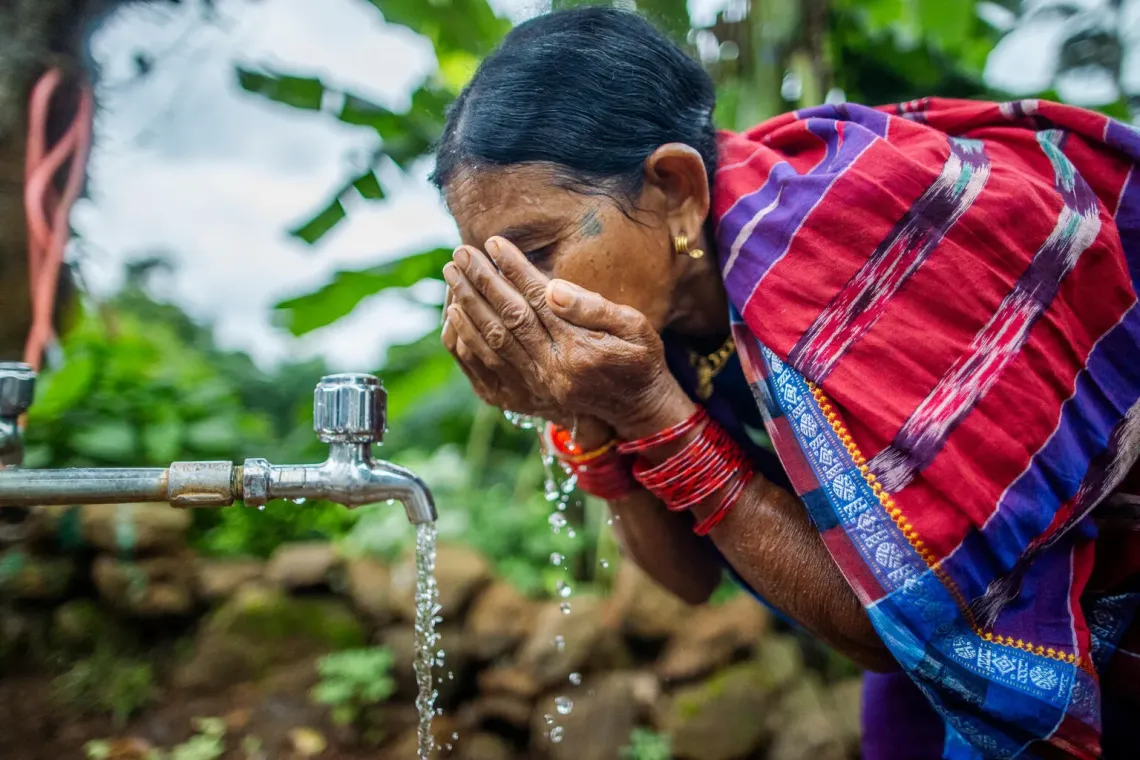
Between 2019 and 2026, access to piped safe drinking water in Koraput district increased from under 3 per cent to over 68 per cent, reflecting a major expansion in rural water infrastructure.

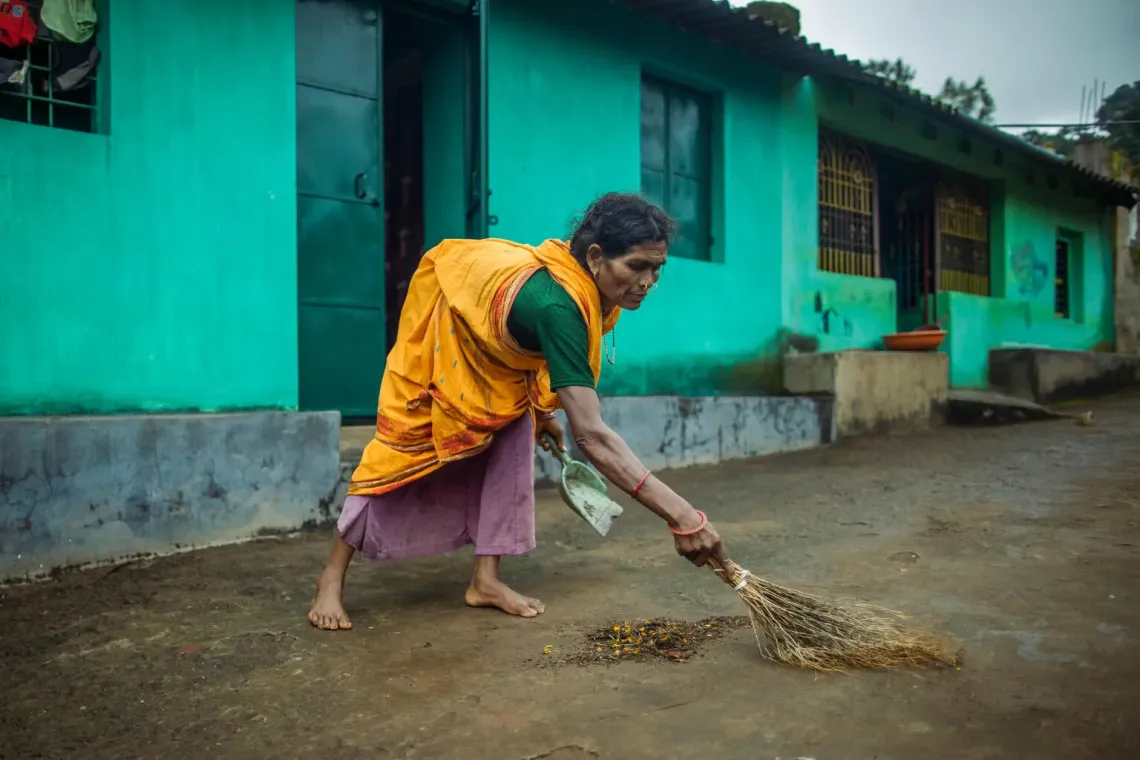

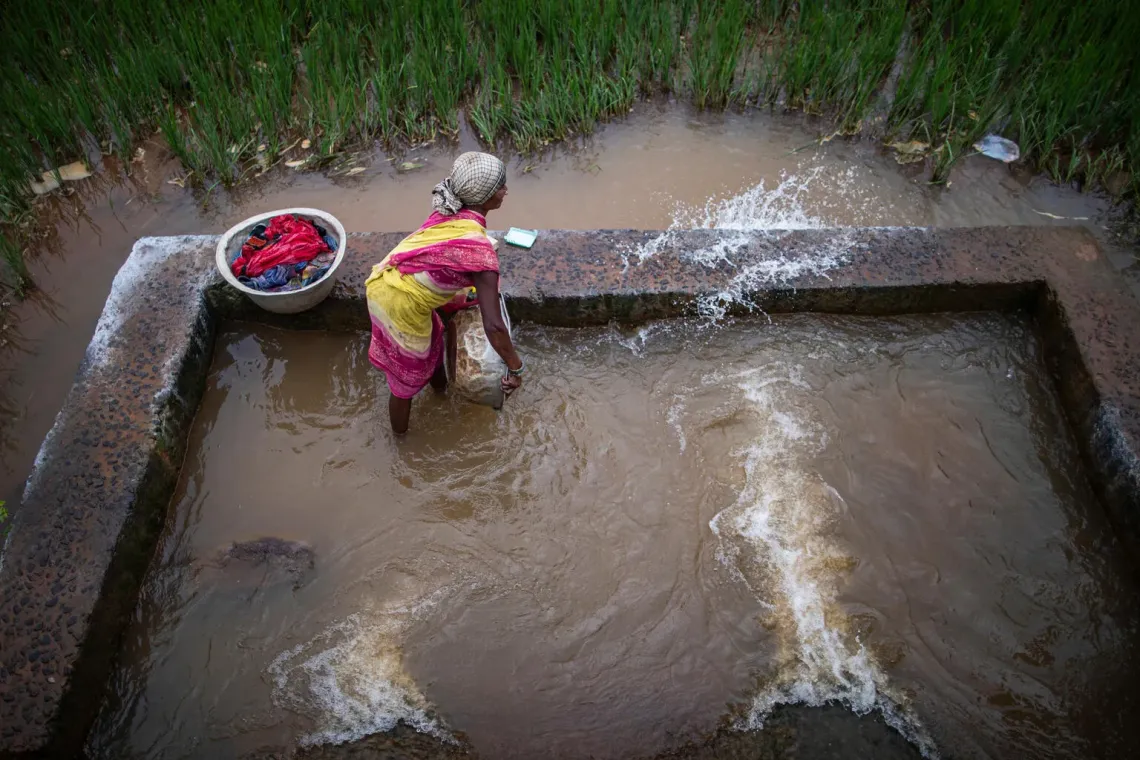
“Sanitation wasn’t just a habit, it was about life and death,” Naranga says. “We women came together.”
With support from the Total Sanitation Campaign and UNICEF, she formed a Self-Help Group and helped build toilets for every household.
“When we built toilets, people hesitated to use them at first,” Naranga recalls. “They weren’t used to it.”
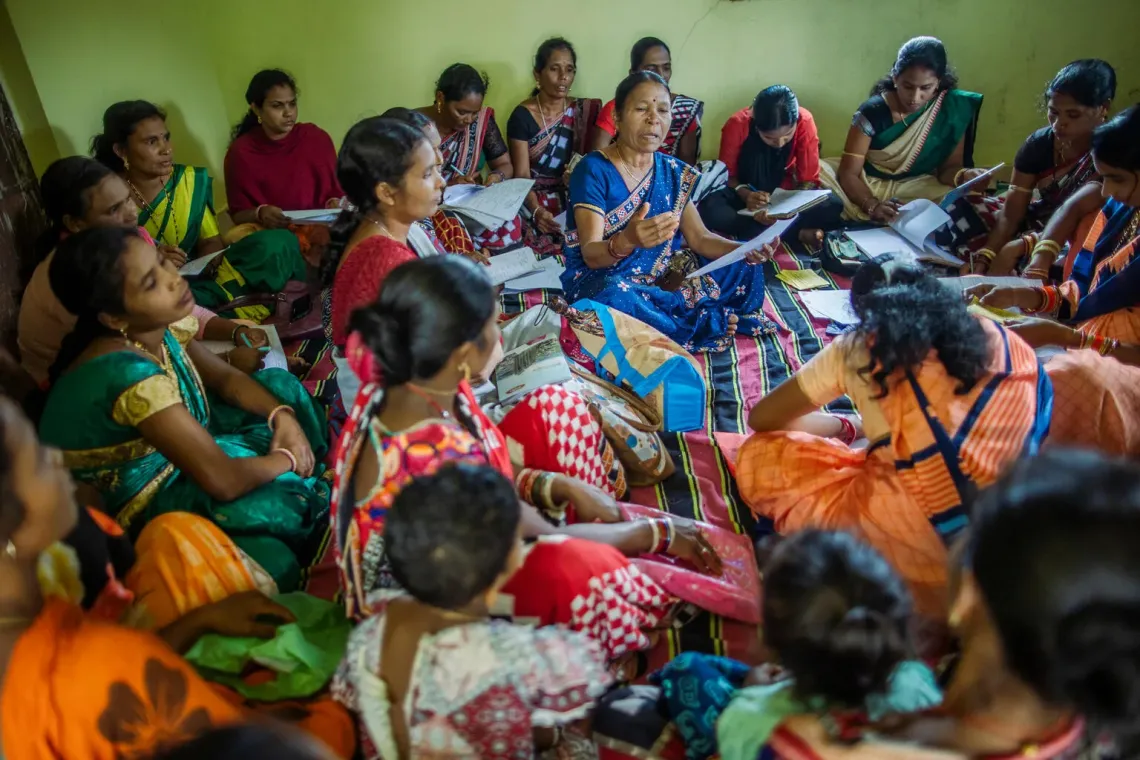
Despite hesitation, Naranga and a group of women kept going. “We are mothers,” she says. “Why should we stay behind?” They held meetings at dawn, mapped the village, provided WASH kits and hygiene training to households and explained the links between sanitation and disease.
One song, three generations
The efforts of Naranga and her peers were strengthened by support that has spanned decades and continents. And some of that support has come from unexpected places.
In 1979, the Bee Gees performed “Too Much Heaven” at the Music for UNICEF Concert, dedicating the song’s royalties to programmes for children worldwide. Every time the song plays, its meaning stretches a little further – from devotion to collective care passed between strangers, continents and generations.
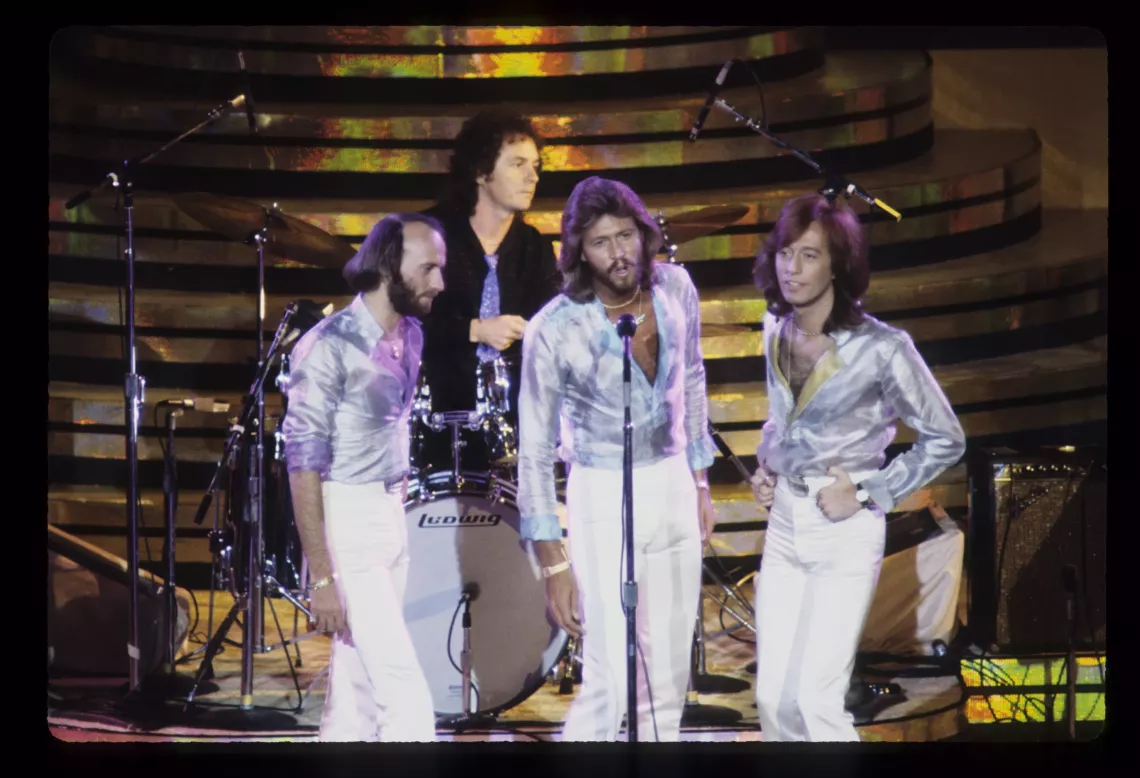
Decades later, with over $10 million raised in flexible, non-restricted contributions, the song has become part of a broader pool that continues to sustain UNICEF programmes for children, including by providing villages like Bandaguda with safe water, sanitation and hygiene education. This has helped lay the foundations on which Naranga and others could build their vision.
By 2011, the community efforts achieved a milestone: Bandaguda became the first tribal village in Odisha to be declared open defecation free.
And the movement did not stop there.
Communities creating their own solutions
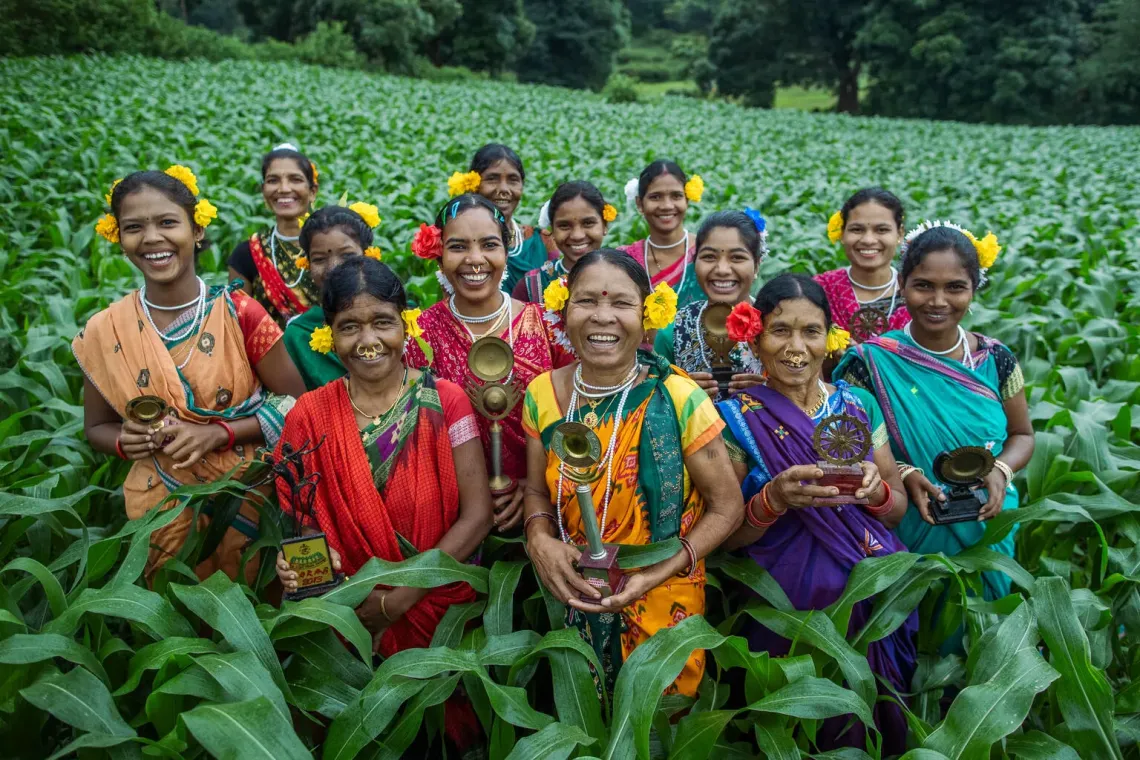
In 2015, the district government selected Self-Help Groups to promote sanitation across the region. Women who had once struggled for basic services became advocates and entrepreneurs.
Across Odisha, more than sixteen thousand Self-Help Group members are now engaged in sanitation-related initiatives, marking a major shift toward women-led development.
With a seed grant, they opened a small centre supplying materials for toilet construction. But sanitation subsidies were limited to households below the poverty line, while many families above the poverty line were still too poor to build toilets.
Naranga proposed a solution: provide the subsidy to the community rather than to individual households.
Community members began producing their own bricks, reducing construction costs significantly. Women chose where to build their toilets, often near their kitchens where the larger space offered privacy. Many households also added bathing areas, making the facilities more practical for daily use.
Naranga soon became known as a sanitation champion, and her daughters now follow in her footsteps.

UNICEF/UNI865446
Gradually, families began using the new facilities. Local officials collaborated with women’s groups to build roads and install solar-powered water points, and health workers were able to visit the community regularly.
A new generation grows up differently
Today, Bandaguda remains open-defecation-free with support from the Government’s Swachh Bharat Mission. Water flows from pipes into homes under the Jal Jeevan Mission. Cases of diarrhoeal disease have dropped significantly.
“Money that was once spent in hospitals is now spent on education,” Naranga says. “That makes me very happy.”
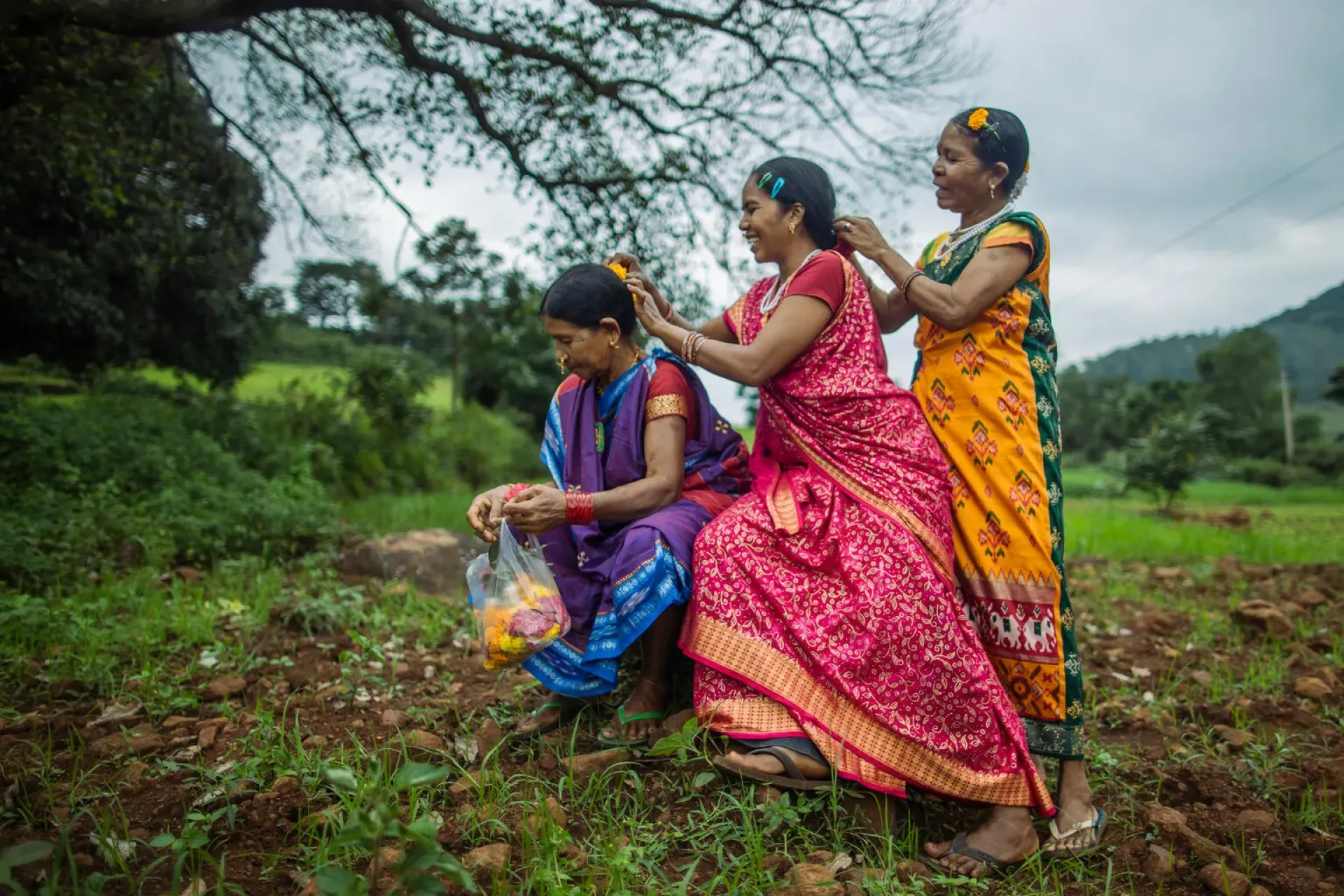
Because of her mother, Naranga, and grandmother, Jhuding, Kalpana and her children are now able to experience a different Bandaguda where schools have toilets and handwashing stations, and where girls receive information about menstrual hygiene.
Through school-based WASH initiatives, students now learn healthy habits early. At present, 100 per cent of schools in the area have toilets and handwashing facilities, enabling children to practice hygiene as part of daily school life.
"Everyone is getting educated, learning about health and our environment,” Naranga says. “That’s how the village develops.”
After completing her teaching degree, Kalpana returned to the village determined to serve her community.


“My mother never dreamed of what we have today,” she says. “Even she did not imagine this change.”
For Naranga, the transformation is about infrastructure – and opportunity. “Earlier, women were told to stay quiet. Now we speak. We take decisions,” Kalpana explains.
The power of sustained investment
From early investments in rural water systems and strengthening sanitation campaigns and supporting women’s groups to improving WASH facilities in schools, each step built on the last.
The royalties from the Bee Gees’ song “Too Much Heaven”, donated to UNICEF decades ago, are also a reminder that support can come in many forms, helping children and communities grow over time.
Now, still, every play of “Too Much Heaven” continues to support UNICEF’s work for children, contributing to long-term efforts that help communities like Bandaguda thrive.
“We have become old,” Naranga says with a smile. “But the younger generation will bring even more change.”
The song continues to raise funds for UNICEF and is available to listen on the following platforms: Apple Music, Spotify, YouTube.