UNICEF Annual Report 2023
For every child
Foreword
UNICEF is built on a foundation of hope. It is the hope that we can create a world in which the rights and well-being of this and future generations of children are protected and upheld. And hope is what fuels our optimism that this mission can be achieved.
But while hope is tremendously powerful, it can also be fragile, especially when it crashes up against the harshest realities our world has to offer. And last year was especially brutal for the world’s children.
In 2023, child rights were under attack in communities across the globe. Many of the more than 450 million children living in or fleeing from conflict zones endured unimaginable suffering – their rights violated or denied.
Over the course of the year, I met some of these children during my travels with UNICEF. Their suffering is an indictment of a world that fails to protect them from the dangers of war.
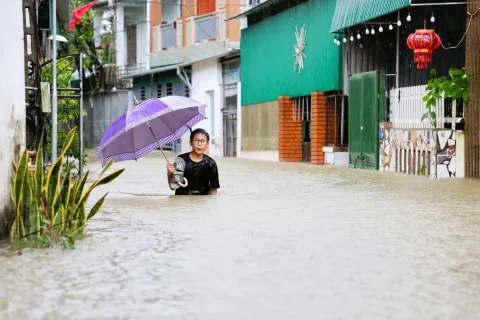
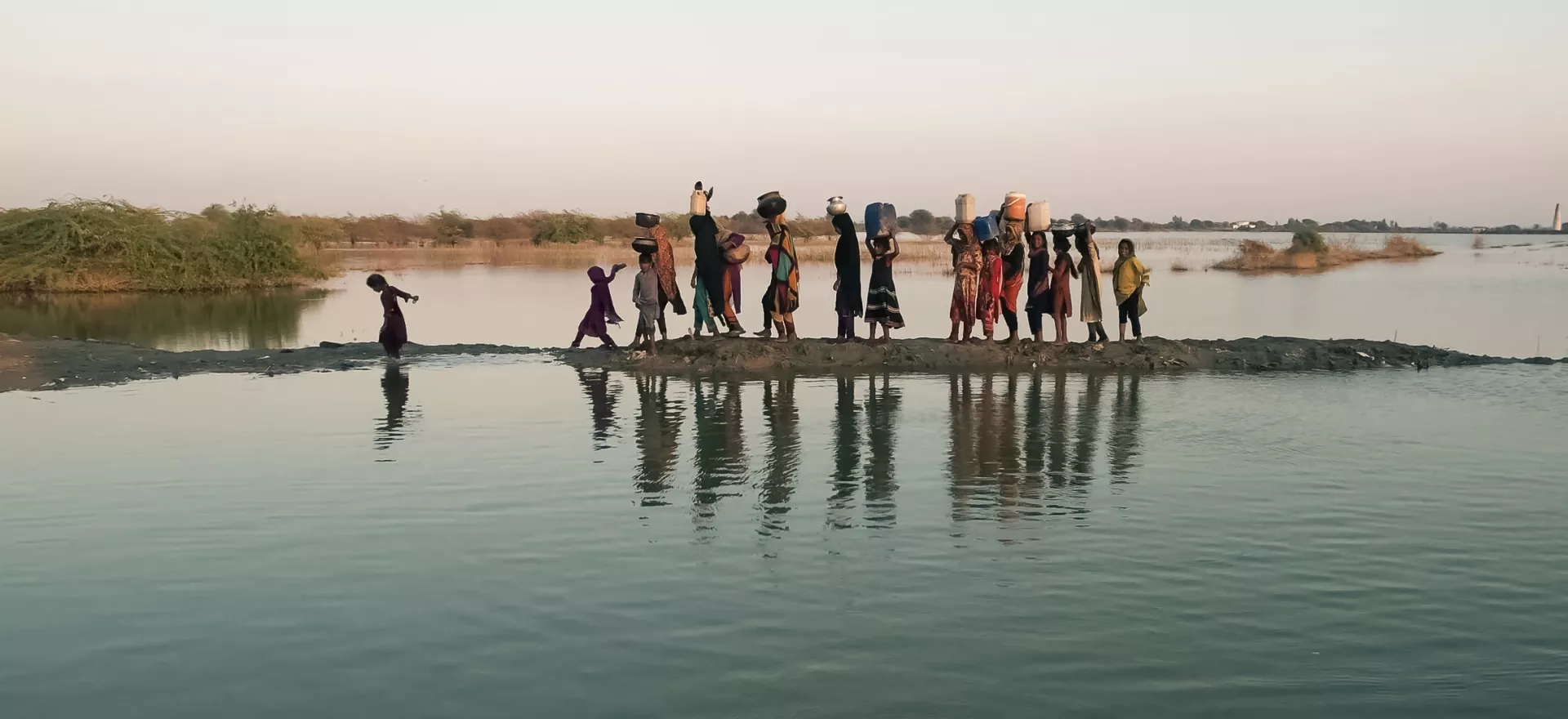
Making matters worse, in 2023, new and protracted conflicts coincided with other devastating crises, including disasters and public health emergencies. And climate change continued to wreak havoc on young lives, causing severe droughts, heatwaves and more intense storms.
Despite these challenges, UNICEF and our partners reached millions of children, women and families around the world with essential services and supplies, including in some of the hardest-to-reach places. And these achievements for children give me hope. For example, in 2023:
UNICEF/UNI431676/Vlad Sokhin
UNICEF/UNI400154/Rouzier
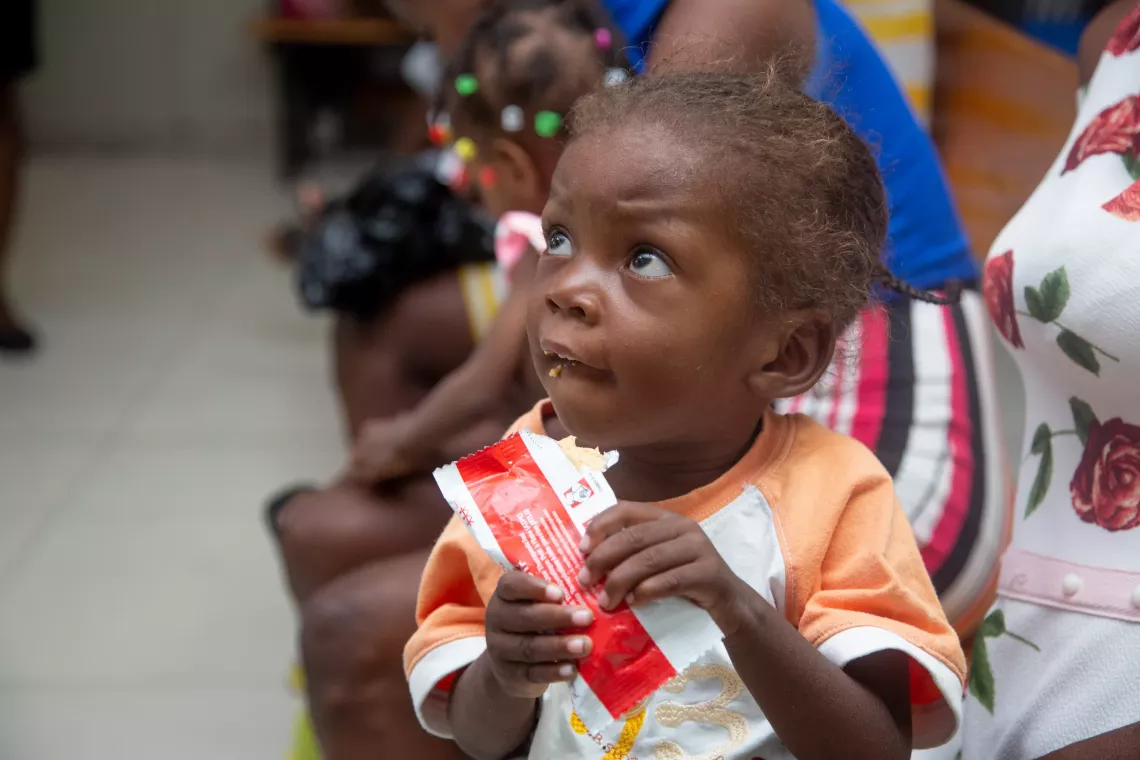
UNICEF and our partners provided more than 210 million children with services for the early detection and treatment of child wasting, and through our new Community Health Delivery Partnership, we are ramping up progress towards health and nutrition even further.
UNICEF/UNI479343/Washington Sigu
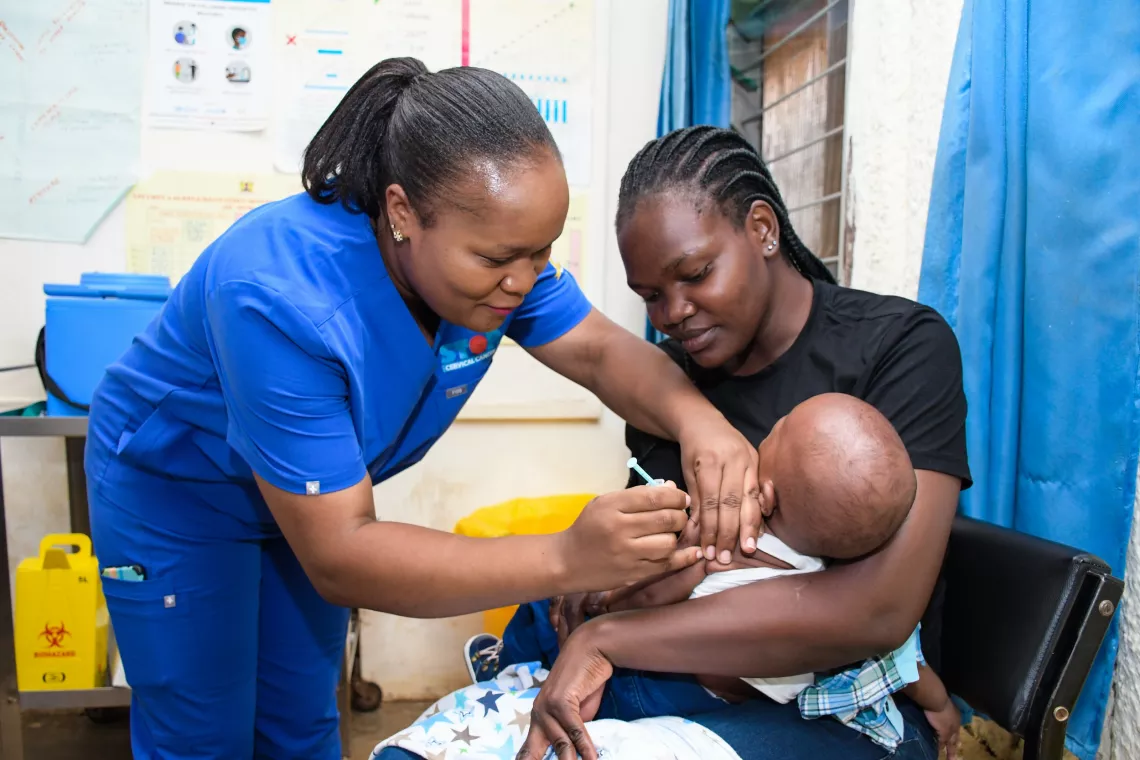
In a historic breakthrough for child survival, UNICEF delivered 6.2 million doses of the world’s first malaria vaccine to seven African countries.
UNICEF/UNI439827/Lehn
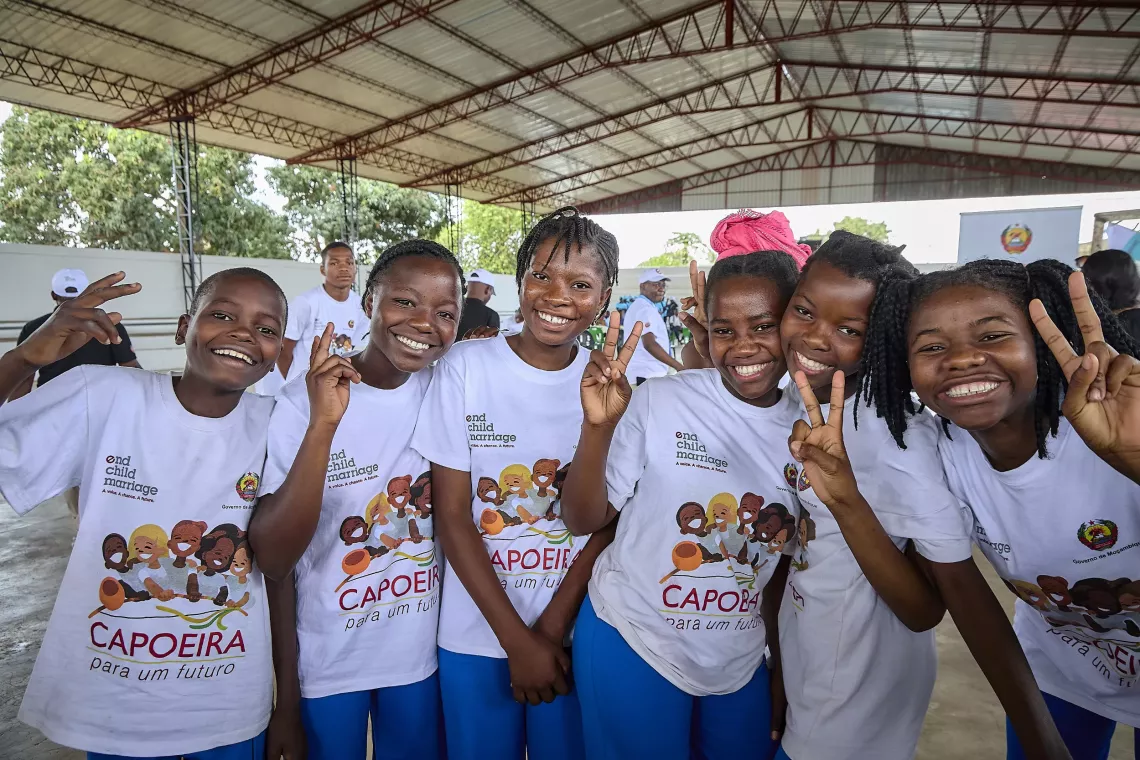
The UNFPA-UNICEF Global Programme to End Child Marriage continued to advance gender equality, overcoming gender biases and empowering adolescent girls.
UNICEF/UNI401013/Viet Hung
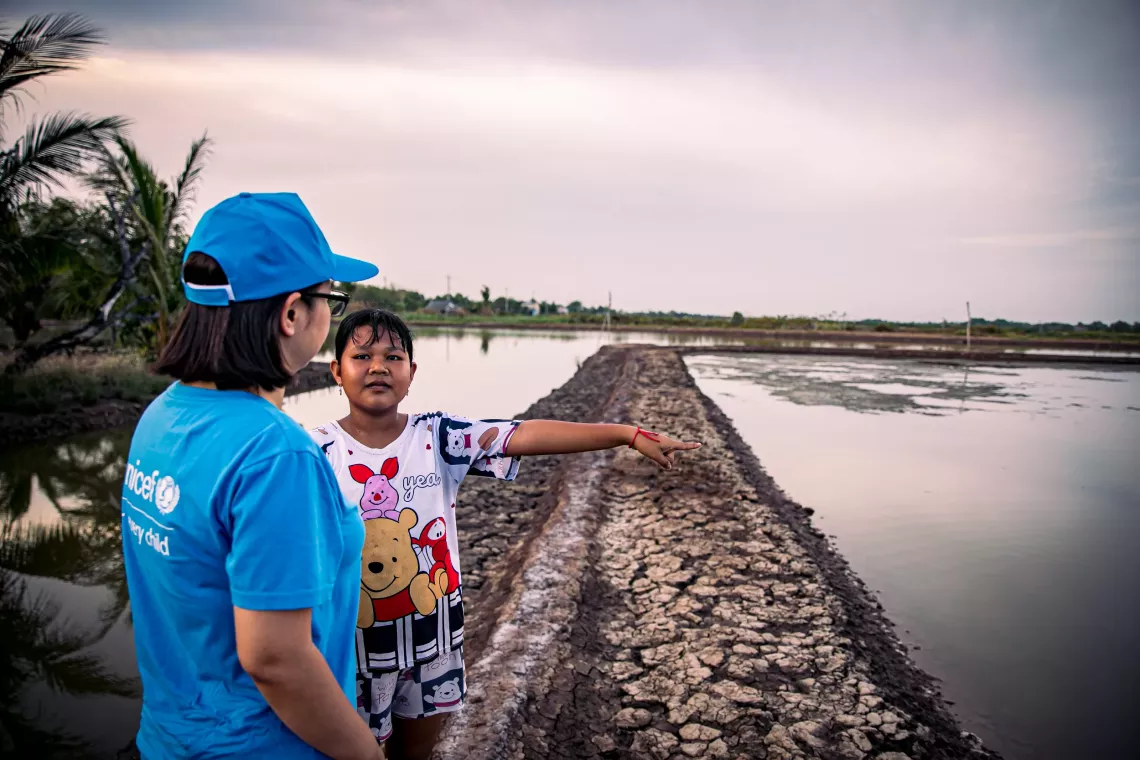
At COP28, the COP recognized the impacts of climate change on children’s health and well-being for the first time, proposing an ‘expert dialogue’ in 2024 and strengthening the global goal on adaptation.

UNICEF/UNI560974/Bak Mejlvang
UNICEF also introduced our Sustainability and Climate Change Action Plan (SCAP), a blueprint for safeguarding children’s rights to a clean, healthy and safe environment. And we expanded our work on sustainability, climate change adaptation and disaster risk mitigation.
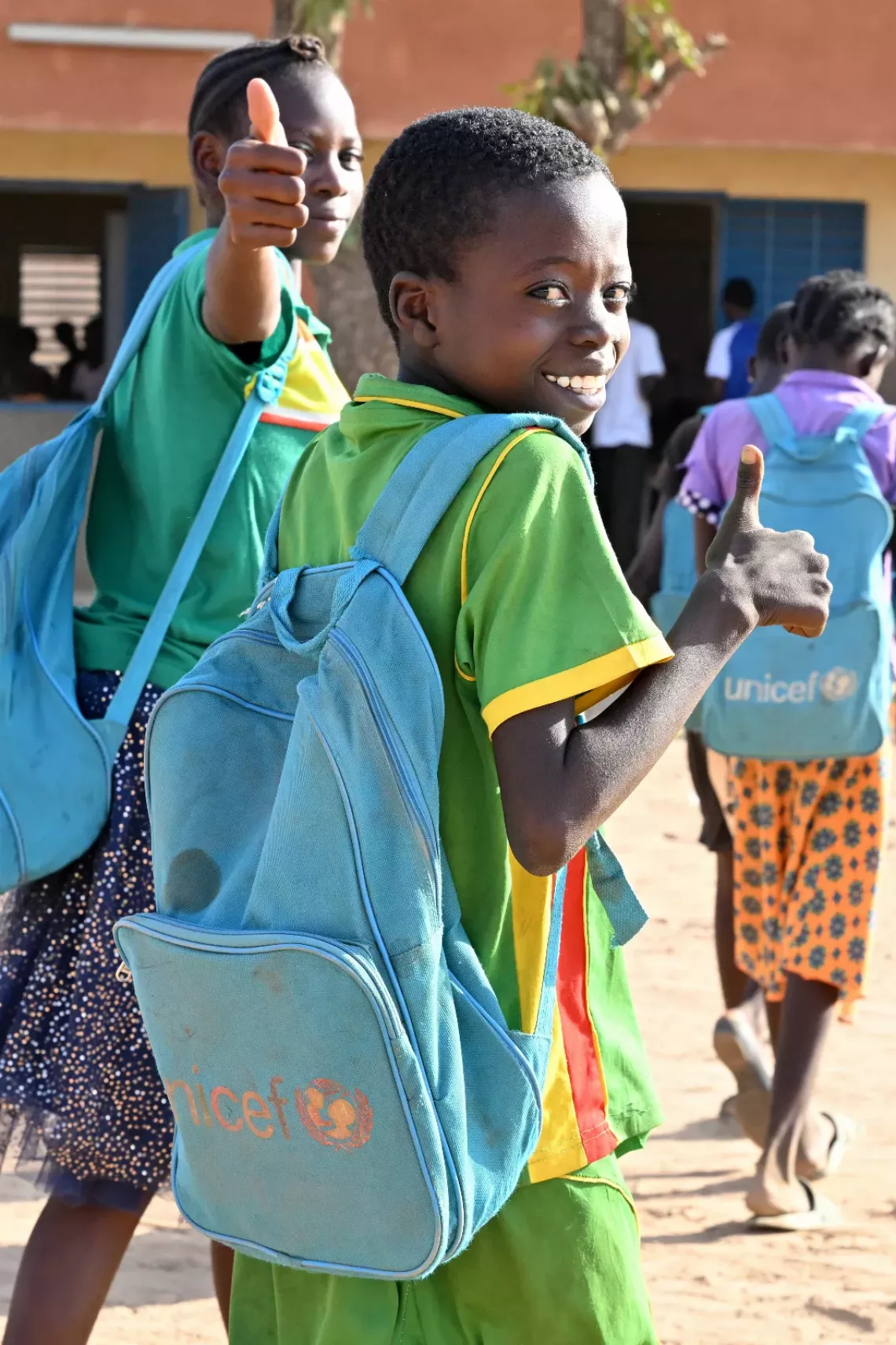
Core Resources played a critical role in helping UNICEF achieve these results. Our organization depends on core resources to fund our country programmes and to meet the needs of children equitably. Yet they make up an insufficient proportion of our funding. This year, I hope we will work closely together to reverse this damaging trend.
At the same time, we must stretch every dollar to achieve the greatest impact for children. As part of this effort, UNICEF is an active participant in joint UN efficiencies work, moving over 50 per cent of our offices to common premises and participating in other joint initiatives to position our resources and capacities optimally to be closer to the children we serve.
This coming September, the Summit of the Future offers a chance to reignite a shared sense of purpose among the international community. UNICEF will push to have children recognized as a distinct group of rights-holders, and we will leverage the organization’s leadership role to make the case that upholding child rights and accelerating progress towards the child-related Sustainable Development Goals are indispensable to addressing current and future challenges.
Children and young people are our best hope for creating a better and more peaceful world. Let us be better and do more for them in 2024 and beyond.
Catherine Russell
UNICEF Executive Director
Explore UNICEF’s achievements in 2023
A year of peril and promise | Top 10 achievements | Goal areas | Humanitarian response | Supply | Engaging and working with young people | Advocacy and communication | Gender equality | Innovation | Community engagement | Regional highlights | Financials
A year of peril and promise
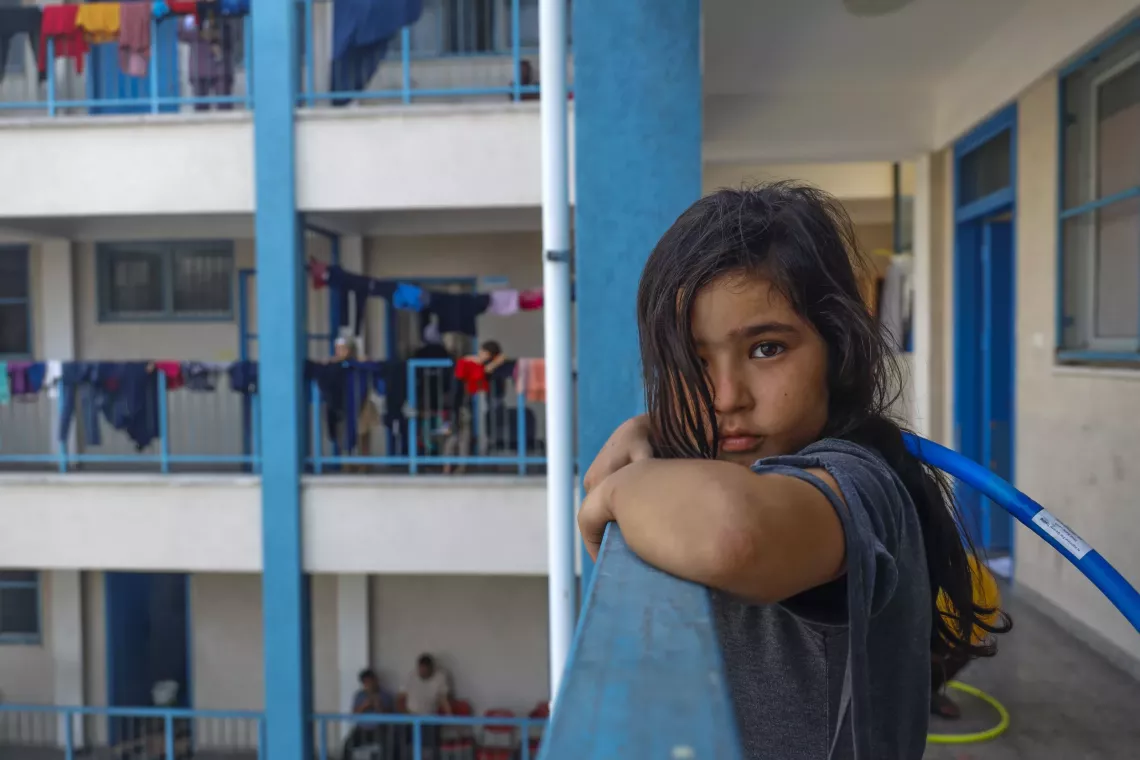
Last year marked the halfway point to the Sustainable Development Goals (SDGs), the world’s 17-point ‘to do’ list to radically improve the lives of people and the planet by 2030. With just seven years to go, we have fallen behind.
The poorest and most vulnerable children bear the brunt of this collective failure. Unfortunately, at the current rate of progress, the world will not meet two-thirds of the child-related SDGs.
From Gaza to the Sudan to Ukraine and beyond, over 450 million – nearly 1 in 5 children – live in or have fled a conflict zone. Increasingly, children are under attack as densely populated urban areas, hospitals, schools and refugee camps are targeted, in some cases preventing the delivery of humanitarian aid and attacking distribution points, as in Gaza, where three quarters of the population have been displaced and 70 per cent of those killed have been children and women.
In 2023, these new and protracted conflicts coincided with other devastating crises from the catastrophic floods in Libya to earthquakes in Afghanistan, Morocco, the Syrian Arab Republic and Türkiye. Climate change continued to wreak havoc on young lives – causing severe droughts, heatwaves and more intense storms.
Yet 2023 also demonstrated that progress is possible with the right investment, partnerships and commitment.
Economies and the delivery of essential services for children continued to recover from the worst effects of the pandemic. More children had access to primary health care, essential immunizations and education than in 2022.
In 2023, UNICEF and our partners reached 9.3 million children with life-saving treatment for severe wasting – the most ever – helping to turn the tide against the global malnutrition crisis.
Even more impressive, more children are surviving today than ever before. The global under-5 mortality rate has declined by 51 per cent since 2000.
This report highlights progress in 2023 across UNICEF’s five Goal Areas and change strategies that accelerate the achievement of our goals. The report also highlights achievement for children across the seven regions we work in.
These accomplishments represent the work of over 17,000 staff members in 190 countries and territories, all united by a shared mission to protect child rights everywhere. They are possible because of UNICEF’s strong partnerships and global reach.
But while our work on digital transformation enabled UNICEF to surpass fundraising targets from donors via digital channels, UNICEF continues to experience shortfalls in the flexible long-term funding that is essential to our ability to respond to emerging threats and build resilient systems and communities.
UNICEF is calling for a new and more effective Funding Compact, to raise more flexible funding to address the underlying causes of inequalities, including through support for peacebuilding and strengthening social cohesion.
In many respects, 2024 is an inflection point. This year, we can accelerate progress on the SDGs before it is too late, increase our support to the most marginalized children, put resilient systems in place to sustainably provide services to children, even in the face of shocks linked to climate change, and boldly advocate to keep children safe from conflict. UNICEF is scaling up successful initiatives, including to support and build the capacities of parents, community health workers, teachers, social workers and local governments.
Today, nearly half of the world’s population is under age 30. The only way to meet the 2030 Goals is to prioritize child rights and focus our efforts on children. Together, let’s recommit and do even more for children and young people ‒ our best hope for creating a better and more peaceful world.
UNICEF’s goal areas
Goal area 1:
Every child survives and thrives

In 2023, growing inequities, conflicts and climate change slowed progress and eroded children’s rights to survive and thrive.
Food poverty ‒ the inability to access and consume a nutritious, diverse diet ‒ affects 181 million children under 5 in its most severe form, and remains the main driver of child malnutrition, increasing risks of mortality, poor growth and development.
About 200 million children under 5 suffer from stunting or wasting, while 136 million children aged 5–10 suffer from overweight and obesity.
While the global under-5 mortality rate has fallen by 51 per cent since 2000, 4.9 million children under 5 died in 2022, with over 80 per cent of deaths in sub-Saharan Africa and southern Asia.
UNICEF led global action to prevent food poverty and reduce the triple burden of malnutrition – undernutrition, micronutrient deficiencies and overweight. UNICEF also supported health interventions across age groups, focusing on the primary health care (PHC) service delivery encompassing households, communities and facilities.
UNICEF worked on Goal Area 1 in 158 countries in 2023, with a total expense of $3.63 billion, including $2.47 billion for humanitarian action.

132.9 million children vaccinated against measles
including 32.4 million in humanitarian contexts, and more than 400 million vaccinated against polio.

As the largest buyer of vaccines globally
UNICEF delivered 2.79 billion doses to 105 countries, including the first commercial doses of the malaria vaccine to countries in Africa.

COVAX has delivered 2 billion doses
of the COVID-19 vaccine to 146 countries since 2021, in the largest-ever vaccine rollout.
Through the No Time to Waste Acceleration Plan
6 million children reached with severe wasting treatment in the 15 acutely affected countries, exceeding the targeted 4.5 million.
Goal area 2:
Every child learns and acquires skills for the future

Despite significant increases in access to education, socio-economic and regional disparities in participation and attainment persist and the global progress towards SDG4 remains far off track. Many children and young people, especially among the most marginalized, enter adulthood without the full range of skills to navigate personal, social and economic challenges. Meanwhile, the digital divide is growing.
While the global number of out-of-school children fell by 9 million from 2015-2021, it has increased by 6 million since then, due to stagnation worldwide along with Afghanistan’s exclusion of girls and young women.
Two thirds of 10-year-olds cannot read a simple story or do basic math.
UNICEF launched the Five Million Futures action and advocacy framework to mobilize support for over 50 countries to scale up evidence-based interventions around early learning, parenting support and the transition to primary education. UNICEF also supported systems strengthening approaches, including alternative learning pathways to prepare adolescents for re-enrollment or work, strengthening curricula to integrate a full range of skills, and supporting school-to-work transition and community-based skills development programmes.
UNICEF worked on Goal Area 2 in 144 countries, spending an estimated $1.73 billion, the most ever recorded, including an estimated $1.07 billion in humanitarian settings.

37.7 million children and adolescents (51 per cent girls) accessed education
including 3.1 million children on the move and 17.7 million in emergencies. Learning materials reached 31.2 million children (49 per cent girls), including 5.4 million in emergencies.

65 per cent of countries
implemented evidence-based education sector plans or strategies addressing inequities and mainstreaming the SDG indicators, up from 48 per cent in 2021.

The Learning Passport
an innovative mobile online/offline learning platform, was launched in seven countries, reaching a total of 38, with over 6 million registered users and an offline solution for schools with limited to no connectivity.

21.9 million adolescents and young people
(including 11.3 million girls and 1 million in humanitarian contexts) engaged in civic initiatives across 92 countries, up by 5.8 million from 2022.
Goal area 3:
Every child is protected from violence, exploitation, abuse, neglect and harmful practices

The child protection-related SDGs have seen modest, uneven progress.
At the current rate, it will take 300 years to eliminate child marriage. Slight declines were observed in the rate of children in detention, from 29 per 100,000 in 2022 to 27 in 2023, and in physical punishment of children and intimate partner violence.
UNICEF made significant progress across all Goal Area 3 results areas, although the severe erosion of protective systems by disasters and conflicts impeded the achievement of some results.
UNICEF managed the cross-sectoral, five-agency PROSPECTS partnership to support integration and inclusion of forcibly displaced people in eight countries.
UNICEF worked on Goal Area 3 in 150 countries, with a total expenditure of $0.98 billion, including $0.63 billion for humanitarian action.

Parenting programmes reached 11.8 million parents and caregivers
and 34.7 million children, adolescents, parents and caregivers accessed Mental Health and psychosocial support services.
4.5 million children
who experienced violence provided with health, social work, justice or law enforcement services.

Programmes addressing female genital mutilation
reached over 603,000 girls and women in 20 countries.

11 million adolescent girls
reached with child marriage prevention and care interventions and 32.4 million people engaged in community dialogues to challenge discriminatory norms.
Goal area 4:
Every child has access to safe and equitable water, sanitation and hygiene services and supplies, and lives in a safe and sustainable climate and environment

While the world has expanded access to safely managed WASH services, no region is on track to achieve universal access by 2030.
2.2 billion people lack safely managed drinking water, 3.4 billion lack safely managed sanitation, and 2 billion lack basic handwashing facilities.
Meanwhile, 739 million children face high to extremely high-water scarcity, and 436 million live in areas prone to severe water vulnerability.
UNICEF has made great progress in support for safe WASH services. In 2023, 21.5 million people gained access to at least basic sanitation (including 1.2 million people with disabilities); 35.9 million to safe water, available when needed (including 1.6 million with disabilities); and 24.2 million to basic hygiene (including 1.1 million with disabilities).
In 2023, UNICEF worked on Goal Area 4 in over 158 countries, spending $1.25 billion, including $0.88 billion for humanitarian response.

Over 7,500 schools and 3,000 health-care facilities provided with basic WASH services
and 7.9 million women and adolescent girls provided with programmes to address menstrual health and hygiene.

UNICEF piloted cyclone insurance in Bangladesh, the Comoros, Fiji, Haiti, Madagascar, Mozambique, Solomon Islands and Vanuatu through the award-winning
Today and Tomorrow Initiative, the world’s first child-focused climate change risk financing solution, with the premium cost fully funded via the World Bank Global Risk Financing Facility.

5.4 million people
used climate-resilient water systems and 4.8 million used climate-resilient sanitation facilities. Sixty-eight countries adopted child-focused climate resilience programmes.

UNICEF expanded support for integrating child-sensitive approaches
into government disaster preparedness frameworks, from 50 countries in 2021 to 85 in 2023, though progress was slower at the local level.
Goal area 5:
Every child has access to inclusive social protection and lives free from poverty

Economic crises, climate change and conflicts are eroding children’s right to live free from poverty, while compounding fiscal pressures prevent countries from fully financing social services to alleviate deprivations. Worldwide, 1.4 billion children under age 15 have no access to social protection, a proven solution to reducing child poverty. Limited fiscal space prevents many countries from fully funding essential services for children; in the poorest, debt service exceeds social spending.
UNICEF supported the equitable use of budgets, revenue, tax systems, debt frameworks and public finance management across sectors. In 2023, 84 countries, up from 65 in 2021, strengthened public finance systems and advanced the sufficiency, effectiveness, transparency and equity of social sector budgets across multiple sectors. Engagement with international development partners and the private sector led to 71 countries mobilizing resources for social services, up from 55 in 2021.
Many countries’ systems became more inclusive. With UNICEF support, often with UN partners: 46 countries had social protection programmes that were gender-responsive or led to transformative gender equality results, up from 22 in 2021; 67 had disability-inclusive social protection programmes, up from 55; and 37 supported care work through family-friendly policies, up from 13.
In 2023, UNICEF worked on Goal Area 5 across 157 countries, spending $0.85 billion, including $0.41 billion for humanitarian action.

79 countries had moderately strong or strong social protection systems in 2023
up from 56 in 2021, while 22 had strong systems that can effectively and rapidly respond to humanitarian crises, compared to 17 in 2021.
Over 106 million households had access to UNICEF-supported cash transfer programmes in 2023
while UNICEF reached 2.9 million families in 49 countries with humanitarian cash transfers.
UNICEF-led evidence or advocacy on child poverty
translated into change in 39 countries in 2023, up from 32 in 2021.
Humanitarian response
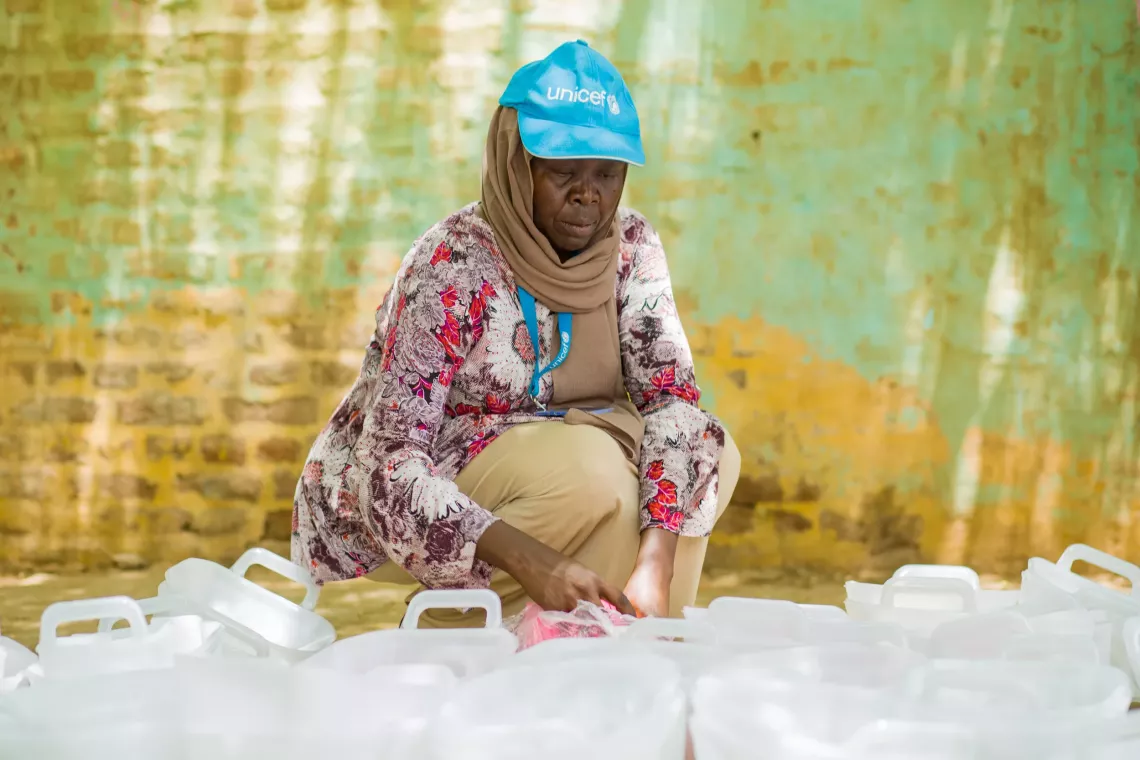
In conflict and disaster, children suffer first and suffer most. With over 75 years of experience, UNICEF knows how to reach children at risk and in need of support, whether it’s through pre-positioned life-saving emergency supplies, safe spaces, or providing psychosocial support.
As crises proliferate, much of UNICEF’s service delivery is part of humanitarian action and in fragile contexts. In 2023, UNICEF responded to 412 emergencies in 107 countries, including violence, conflicts, disasters and disease outbreaks.
Deprived of clean water, food and medical care, Gaza’s children are dying due to injuries, dehydration, malnutrition and diseases. UNICEF and its UN partners are calling for an immediate humanitarian ceasefire and safe, unimpeded access to deliver aid – and for all parties to the conflict to uphold international humanitarian law. In 2023, UNICEF delivered cash assistance to the most vulnerable families with children within six days of the escalation, reaching every fourth person in Gaza (545,073 people, 81,655 families, 262,016 children) in the first round, including through a nutrition-sensitive cash payment to 28,840 pregnant and breastfeeding women, and a disability top-up payment to 5,079 children.
In the Sudan, over a year of conflict has left around 14 million children in urgent need of life-saving humanitarian support. The Sudan is now the largest child displacement crisis in the world, with 4 million children fleeing widespread violence in search of safety, food, shelter and health care. UNICEF and partners have provided life-saving assistance to more than 6 million children inside the Sudan and in neighbouring countries, including water, health, nutrition, safe spaces and learning.
In Ukraine, two years of destruction and displacement, violence, separation from families, disrupted schooling, health care and social services, have led to a mental health and learning crisis for children. UNICEF’s response is focused on ensuring children have access to health care, immunisation, nutrition support, protection, education, safe water and sanitation, social protection, and mental health and psychosocial support. In refugee-hosting countries, UNICEF works with governments and partners to strengthen national systems that provide refugee children and marginalized children from host communities with quality education, health care and protection services.
Meanwhile, climate shocks, food insecurity, and disease outbreaks have left families from Afghanistan, to the Democratic Republic of the Congo and Myanmar reeling. These and other overlooked emergencies in Haiti, Libya and more face underfunding.
- UNICEF supported over 26 million people in humanitarian settings with a range of child-protection services and provided alternative care or reunification to over 253,000 children who had been either lost or separated from their families due to conflict or displacement.
- UNICEF support in emergencies reached over 42 million people with WASH services, including in Afghanistan, the State of Palestine, the Syrian Arab Republic, Türkiye and Ukraine.
- 21 countries used the Humanitarian cash Operations and Programme Ecosystem (HOPE), a UNICEF data management solution to ensure risk-informed humanitarian cash transfer delivery.
- UNICEF provided technical support during emergencies, including in Afghanistan, the Democratic Republic of the Congo, Ethiopia, Haiti, Mali, the State of Palestine, Somalia, Sudan and Ukraine.
Supply
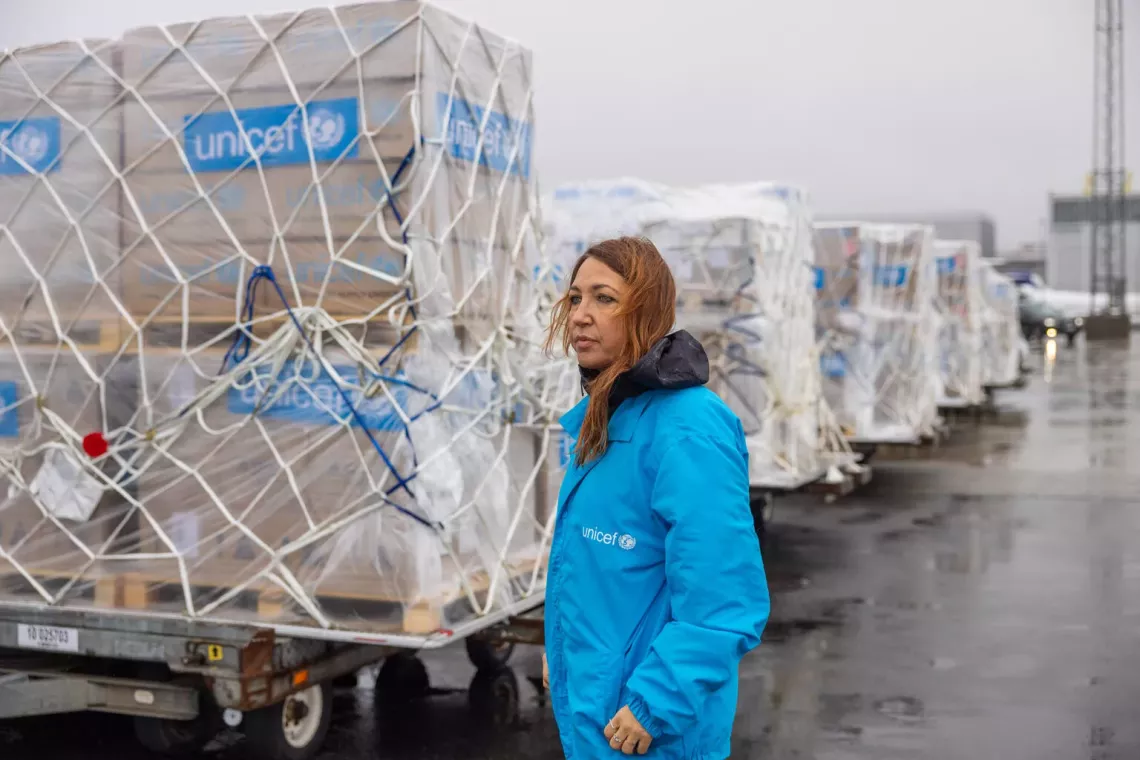
UNICEF’s supply and logistics headquarters in Copenhagen – Supply Division – is also home to the largest humanitarian warehouse in the world.
In 2023, UNICEF procured $5.24 billion in goods and services for children in 162 countries and areas.
UNICEF’s total 2023 procurement value represents a 37 per cent increase compared to pre-pandemic global procurement in 2019.
76 per cent of goods procured was conducted in collaboration with United Nations agencies and development partners.
The procurement of goods from suppliers registered in programme countries amounted to $1.47 billion or 42 per cent of all goods procurement.
Engaging and working with young people
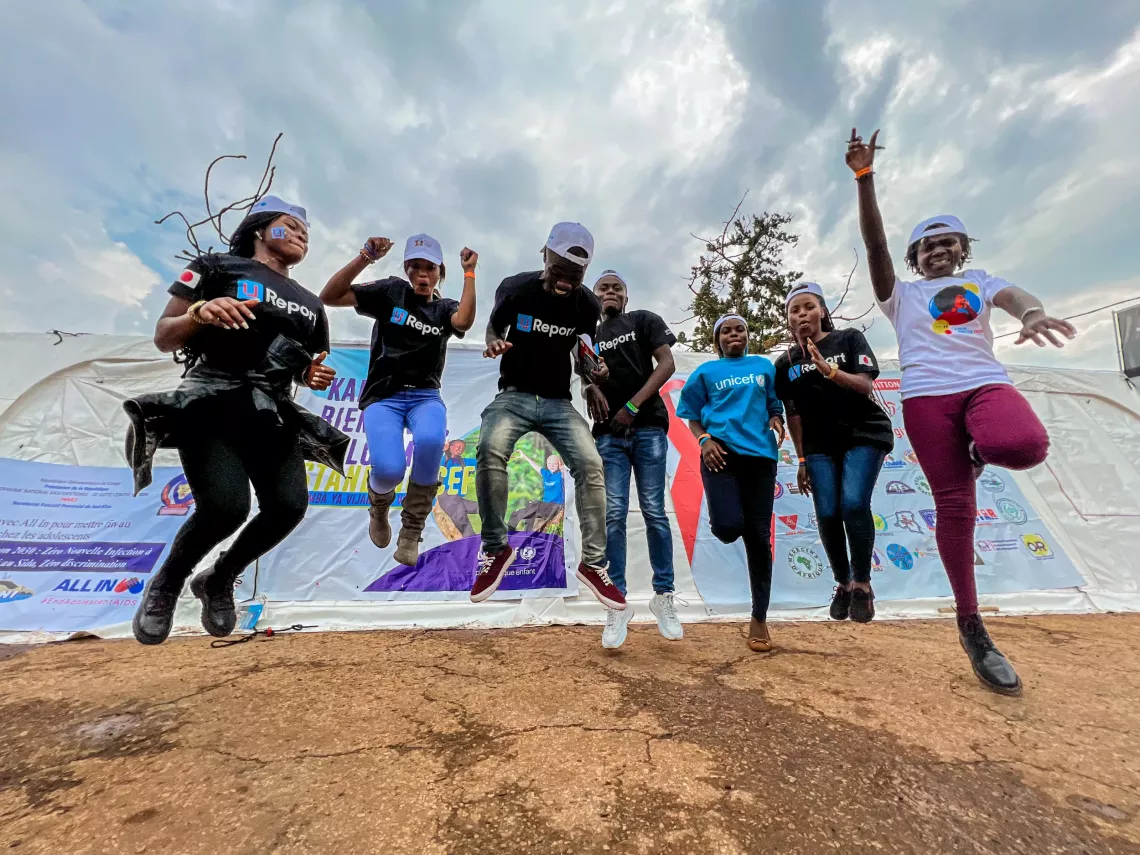
The Convention on the Rights of the Child lays out children’s right to be heard on matters that affect them.
In that spirit, UNICEF is dedicated to being a child- and youth-powered organization, listening to them and working in partnership with them to ensure their needs are met. Young people are UNICEF’s most crucial partners in achieving results and driving sustainable change.
Over 50 UNICEF Youth Advocates partnered with UNICEF globally and 26 new Youth Advocates were appointed by UNICEF offices.
UNICEF engaged 27.9 million children, adolescents and youth in advocacy, 1.4 million in communication and 36.6 million in online platforms, primarily U-report (UNICEF’s digital platform for youth engagement), which registered 6 million new members in 2023.
UNICEF supported national system building for adolescent and youth participation in 55 countries, doubling its 2021 results. Adolescents were consulted on country programme milestones in 89 countries, including through in-depth consultations and at-scale surveys, typically using U-report. Over 12 million young volunteers took action to accelerate results across sectors, building critical transferable skills in the process.
A climate poll for COP28 received 770,000 responses from 59 platforms, and voices of young people were included in the COP28 official youth statement.
On World Children’s Day, 190 countries participated in the activations, seizing the moment to advocate for children’s rights.
These initiatives enable young people to express their views, advocate for their rights and access critical information. Leveraging the power of U-Report, UNICEF amplified the voices of young people and strengthened organizational advocacy.
Advocacy and communication
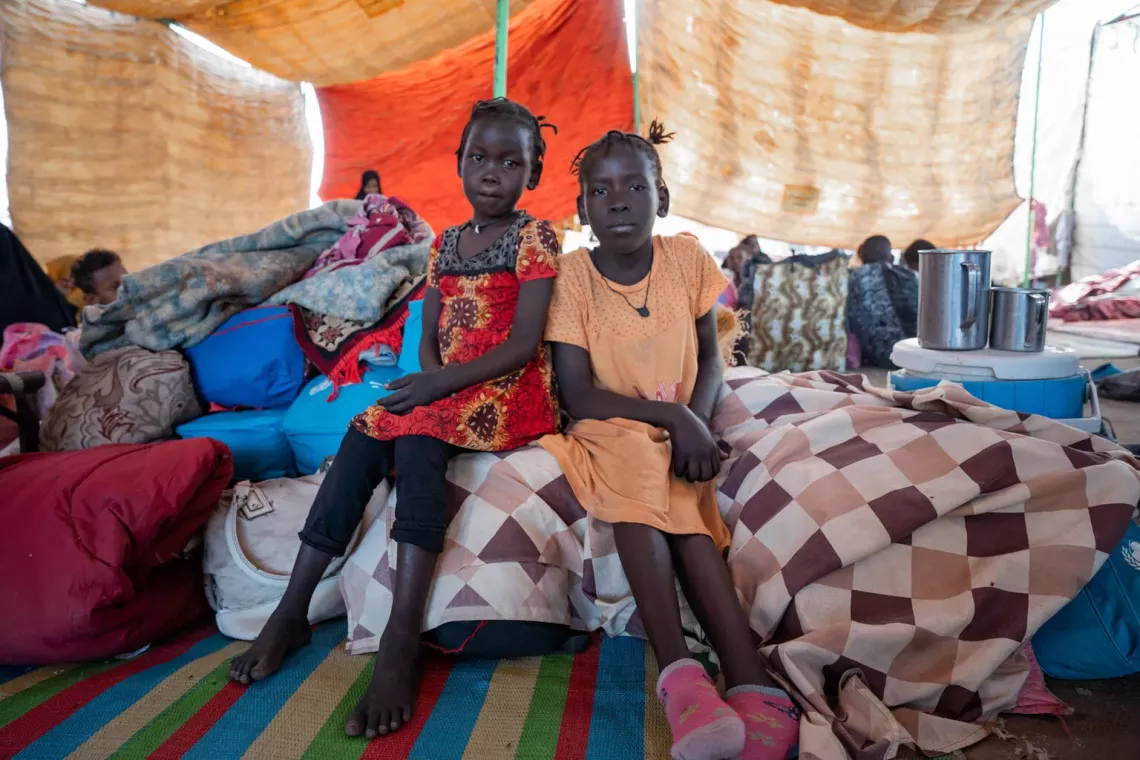
Through our digital channels, media outreach and content, UNICEF continued its position as the leading voice and advocate for children in 2023.
Advocacy for the rights of children in crises in the State of Palestine and Israel, Sudan, Haiti, Ukraine, Myanmar and the Democratic Republic of Congo has led to robust humanitarian advocacy strategies, winning concrete commitments from Member States to protect children in conflicts against grave violations and pledges from humanitarian donors to invest in initiatives to protect children in conflict.
The 2023 launch of UNICEF’s flagship The State of the World’s Children report on immunization led to over 10 political events and public commitments including six Heads of State and 43 donors and partners committing to re-prioritizing childhood immunization.
The commitment to action on Foundational Learning was endorsed by 14 additional governments in 2023 and the inauguration of the Child Nutrition Fund will serve as an innovative new platform to pool donor and domestic financing for the prevention, identification, and treatment of severe acute malnutrition.
Integrated communications and advocacy around the UN 2023 Water Conference led to 34 political commitments and 69 Member States statements on children’s right to water security.
Gender equality

Harmful gender norms are perpetuated at the highest levels. In some countries, they become entrenched in laws and policies that fail to uphold – or that even violate – girls’ rights. Reducing gender inequality strengthens economies and builds stable, resilient societies that give all people – including boys and men – the opportunity to fulfil their potential.
UNICEF supported policies and programmes promoting gender equality in 110 countries in 2023, compared to 85 in 2021.
Seventy-eight countries deployed at-scale programmes to address gender-discriminatory roles and practices including gender-based violence, with the biggest expansion in Eastern Europe and Central Asia, where UNICEF promoted gender-responsive education and parenting.
Innovation
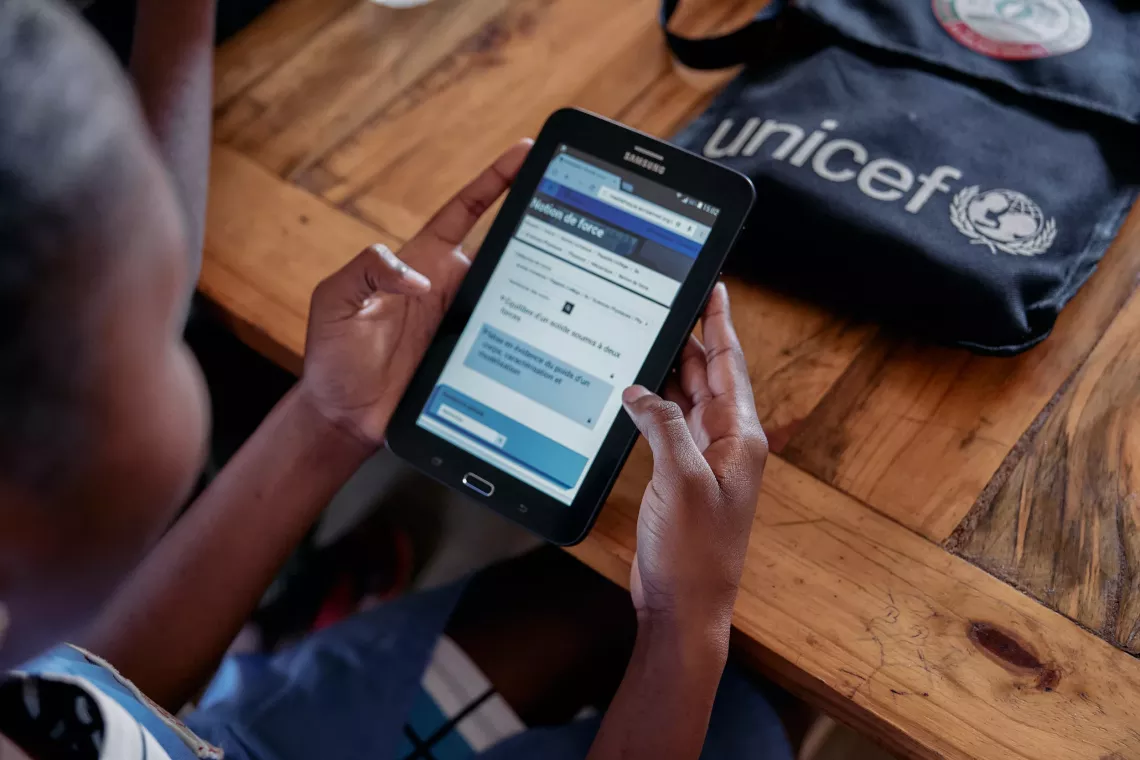
Innovation is critical to building a better world with and for children. UNICEF is committed to designing, using and scaling truly transformational solutions for every child to thrive.
To date, 46 at-scale innovative solutions in 90 countries have reached over 20 million people and catalysed over $40 million in financing.
In 2023, UNICEF established a Global Innovation Board to guide its problem-driven innovation portfolio approach to accelerate programme results.
- UNICEF leveraged frontier-tech industry trends, including AI and blockchain, to unlock new resources for children and boost emerging economies. Since 2014, the Venture Fund made equity-free investments in 147 open technology solutions (43 per cent female-founded or -led, 65 per cent revenue-generating) from start-ups in 86 countries, reaching over 41 million children.
- UNICEF mobilized core business assets to support its programming and influencing over 5,000 businesses, including to adopt family-friendly workplace practices, improve online safety policies, address gender stereotyping in marketing and assess child rights impact.
- UNICEF reached over 400,000 children with assistive products and inclusive supplies, addressing vision, mobility, hearing, incontinence and digital assistive technology for inclusive education, among other needs.
Community engagement, social and behaviour change
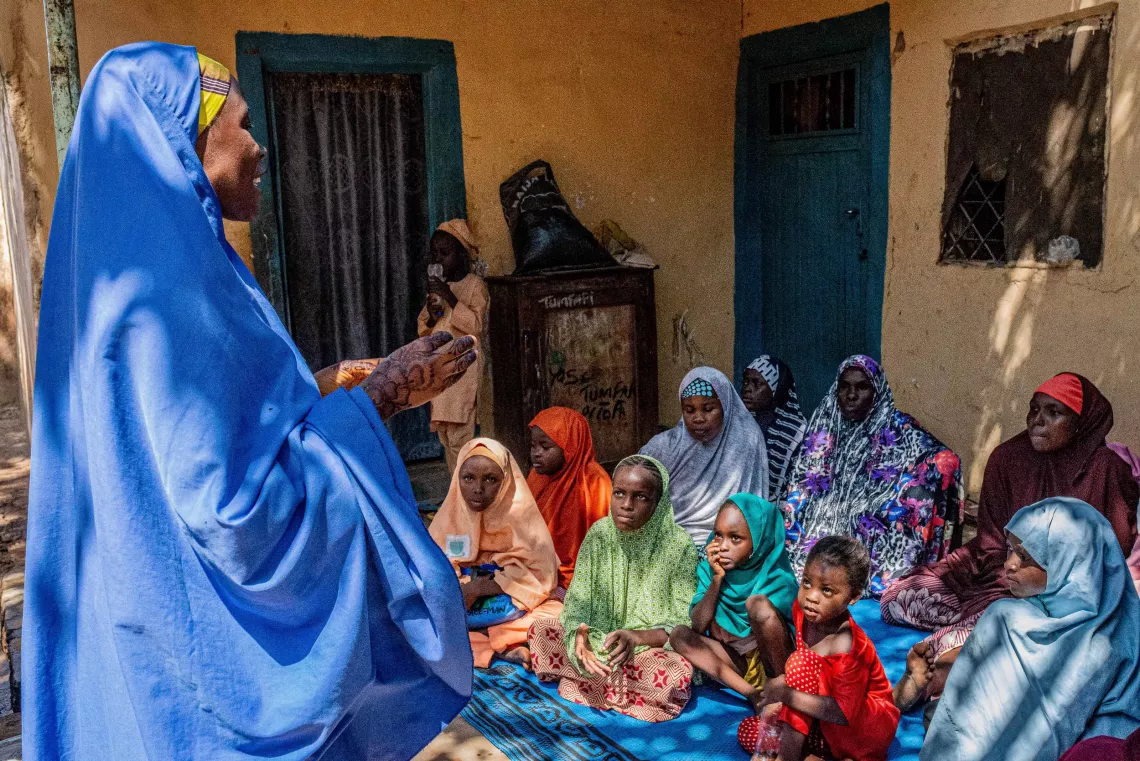
Social and behaviour change (SBC) is about understanding the needs of communities and individuals to develop context-specific, people-centered solutions to help adopt behaviors that allow children and women, including the most disadvantaged, to survive and thrive.
In 2023, UNICEF implemented SBC strategies in 104 countries, investing in human-centred design, applied social and behavioural science, social listening and capacity building with governments and other partners. To better understand the cognitive, social and structural drivers of practices and service uptake, UNICEF generated social and behavioural data in 101 countries through community and population surveys, anthropological studies, behavioral studies and qualitative formative research.
In 2024, UNICEF is further integrating SBC programming across sectors as a comprehensive approach to addressing systemic barriers to change and will systematically implement effective community feedback and complaints mechanisms for accountability to affected populations in humanitarian crises.
Regional highlights
West and Central Africa
Félicité Tchibindat, Regional Director
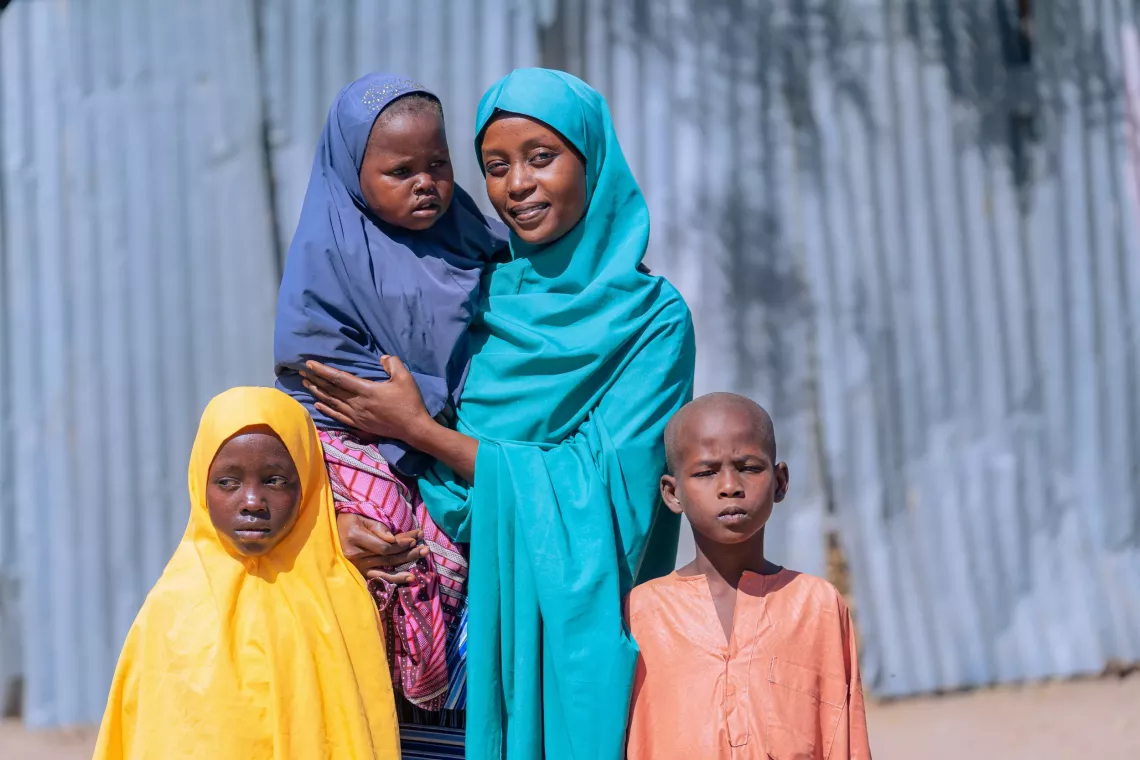
As Regional Director for West and Central Africa, I am pleased to have provided strategic guidance to our 24 country offices.
In 2023, we continued to prioritize the eight regional Key Results for Children (KRCs), contributing to UNICEF’s Strategic Plan, the SDGs and the African Union Agenda 2063.
Through our teams’ dedication and passion for children’s rights, we achieved progress in four KRCs: prevention of stunting; learning; protection from sexual violence; and child marriage. More work remains to be done to accelerate progress on the other four KRC: immunisation; access to education; birth registration; and open defecation. These results have helped create enabling environments for the realization of child rights through:
- Strengthening the interoperability between immunisation and birth registration, leading to an increase in under-5 birth registration rates in the region from 59 per cent to 61 per cent. The use of geospatial technology for microplanning and integrated service delivery to underserved children, including zero-dose, has enhanced progress in priority countries (Cameroon, Chad, Côte d’Ivoire, Guinea, Mali, Nigeria).
- Leveraging innovative partnerships for market-shaping strategies in nutrition, around food systems transformation for children, through the First Foods initiative. UNICEF engages with local small- and medium-scale entrepreneurs to improve the production of locally made nutritious complementary foods for young children in 13 countries.
- Building on the catalytic commitments made during the 2022 UNICEF-AU Transforming Education in Africa event, the Africa Youth Manifesto, and ahead of the 2024 Year of Education in Africa, UNICEF strengthened foundational learning systems in 16 countries; digital learning systems in six countries through the Airtel partnership; and accelerated girls’ education results and gender-responsive education sector plans in seven countries. UNICEF also supported disability inclusive national education strategies in nine countries.
- Supporting humanitarian response and preparedness with investments to scale up shock-responsive social protection to build the resilience of families, communities, and systems to shocks and vulnerabilities. Under the Sahel Social Protection Joint Programme with WFP, UNICEF has provided technical and financial support to governments to deliver cash transfers to 110,000 households (700,000 individuals), with a focus on children under age 2 and persons with disabilities.
Eastern and Southern Africa
Etleva Kadilli, Regional Director
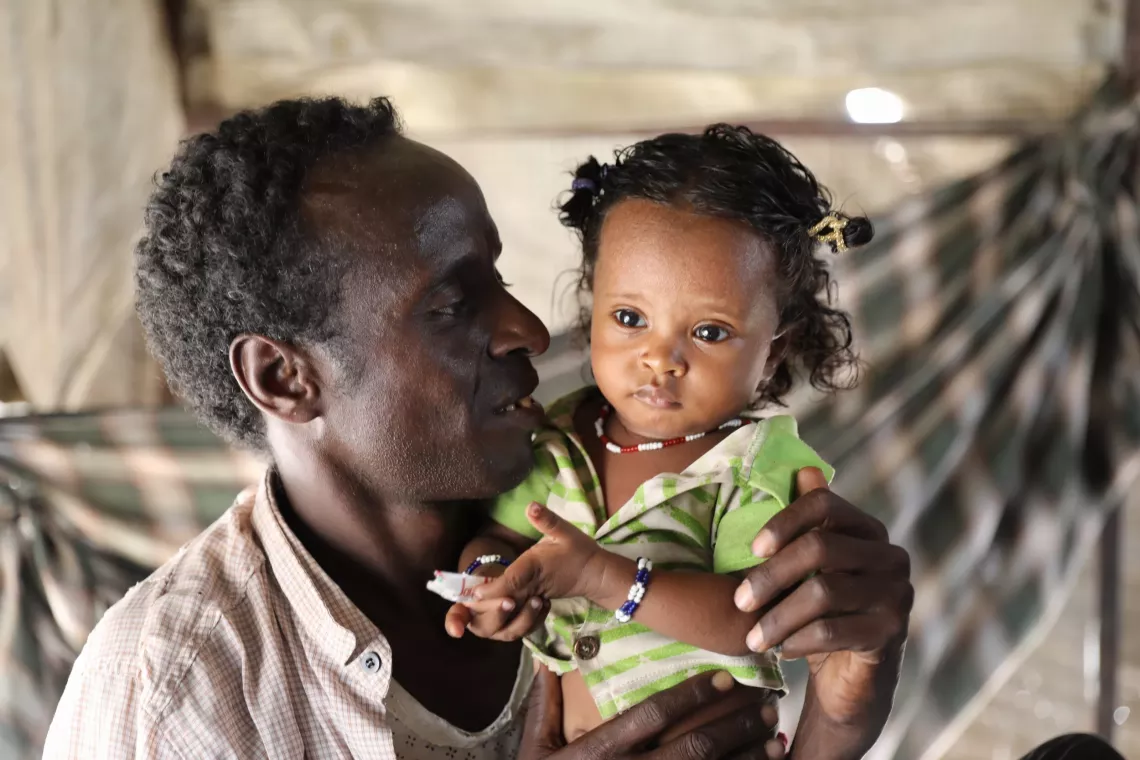
Africa is asserting itself on the global stage, with opportunities to further advance the agenda for children. With sub-Saharan Africa set to soon have the largest population of children and young people, the continent has huge potential.
In 2023, we greeted the news of a reduction in the number of children living in extreme poverty from 45 per cent to 40 per cent with cautious optimism, with additional reductions in child mortality in several countries.
Whilst the Horn of Africa saw a significant improvement in food security, an unpredictable and extreme climate is still the dominant threat to the region, with floods, typhoons, drought and extreme heat. Eastern and Southern Africa faced multiple climate-related emergencies, as well as conflict and widespread cholera outbreaks affecting 14 countries. Around 120 million people, including 67 million children, needed humanitarian assistance over 2023, and numbers of people displaced rose from 3.91 million in 2022 to 4.4 million. This polycrisis, coupled with a pushback on child and human rights, continues to exacerbate violence against children and women, mental health risks, child marriage, female genital mutilation and displacement of children.
Despite this challenging context the region saw encouraging results:
- During 2023 we saw signs of hope for the learning crisis with 16 countries adopting multisectoral early childhood policies and increasing investment in the early years.
- To address the impacts of climate change we saw an increase in evidence, and growing numbers of countries building sustainability and evidence into their development agendas including progress on developing shock-responsive social protection systems; a climate-nutrition strategic framework; climate-resilient WASH systems and innovative ground water mapping.
- The region has two thirds of the global HIV burden, yet progress continues with an impressive 2.15 million child HIV infections prevented since 2010.
- Efforts to prevent and respond to violence against children continue with at least 13 countries promoting gender-equitable norms to promote non-violent relationships. Joint evidence development on the prevalence of violence against children in southern Africa, helped to strengthen the collaboration with the Southern African Development Community (SADC).
- With over 2.3 million children treated, ESAR also focused on malnutrition prevention acceleration. Fifteen countries engaged in food systems transformation for children, and 11 on nutrition-responsive social protection. Impressive progress is noted in Rwanda where recent data show the percentage of children living in severe child food poverty fell by more than one-third (20 per cent to 12 per cent) between 2010 and 2020.
- To improve primary health care and promote community health, 17 countries now have national community health strategies. UNICEF also supported countries hosting over 80 per cent of zero-dose children in the region through the Big Catch-Up, a global interagency effort to vaccinate children and restore immunization progress lost during the pandemic.
The context in the region continues to be challenging, but there is great optimism in Africa in 2024. Working closely with our colleagues in West and Central Africa, UNICEF will continue to play its role to support, leverage and advance the rights of girls, boys and women across the continent.
East Asia and the Pacific
Debora Comini, Regional Director
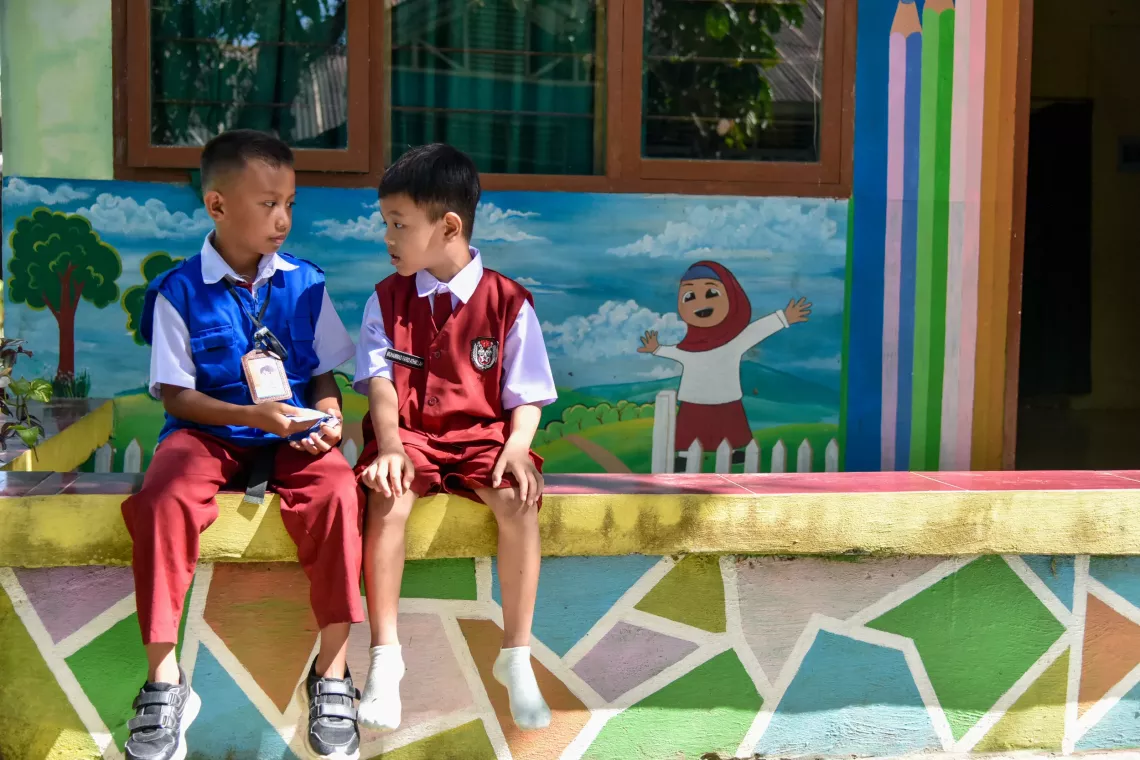
In 2023, UNICEF intensified its response to several of the biggest challenges in East Asia and the Pacific. Climate change loomed largest, unsurprising in a region where 65 per cent of children are at disproportionate risk from climate-related shocks.
UNICEF and partners launched the EAPRO Solar Hub, reinforcing efforts to provide technical expertise on solar energy to the WASH, health and education sectors. We supported training in environmental safeguards, climate finance and strategy development, and signaled our commitment to a greener planet with measures to reduce carbon emissions generated by our programmes and our offices. Our newly established Youth Action Team, comprising 37 young people from 12 countries in the region, made a valuable contribution to climate change efforts.
In Myanmar, a worsening humanitarian crisis took a terrible toll on children, with surging levels of displacement and the loss of access to health, education and other critical services. Despite a huge funding gap and other constraints, UNICEF and its partners still managed to deliver assistance to almost 1.8 million children and their families.
Gender and women’s rights ‒ a long-term challenge for Asia ‒ was the theme of our October regional meeting. Progress has been made in recent decades, but violence against children and women is still widespread, and harmful practices such as child marriage and female genital mutilation (FGM) continue. While more women are urgently needed to take on leadership roles, we also celebrated some critical progress. Indonesia’s response included a Girls Empowerment Index and protection programmes that address gender-based violence in schools. In Timor-Leste, Girls’ Clubs help tackle issues like child marriage and adolescent pregnancy, while Viet Nam has integrated socio-emotional learning into the national curriculum.
In education, efforts continued to address the region-wide learning crisis that has left huge numbers of children with below basic proficiency in math and lacking the skills needed to move on in their lives. Our response includes learning assessments and increased access to foundational learning.
Efforts to dispel the devastating long-term consequences of the COVID-19 pandemic on children remained a pressing concern. The health sector began detailed assessments of the damage done to national immunization programmes, focusing especially on an estimated 2 million children who have never received a single vaccine in their lives. More positively, the year saw the launch of a regional healthy food initiative to tackle growing levels of childhood obesity and overweight.
The Fix My Food campaign was one of several advocacy initiatives, which helped sharpen the regional narratives on our top priorities – immunization, nutrition, parenting, and climate action. Those efforts are being further strengthened by a new digital communication strategy targeting key audiences including parents and caregivers as well as decision makers and media. Meanwhile, several high-level events organized in Malaysia, Singapore and Thailand helped position UNICEF as a thought leader in the Philanthropy and Partnership space.
Middle East and North Africa
Adele Khodr, Regional Director
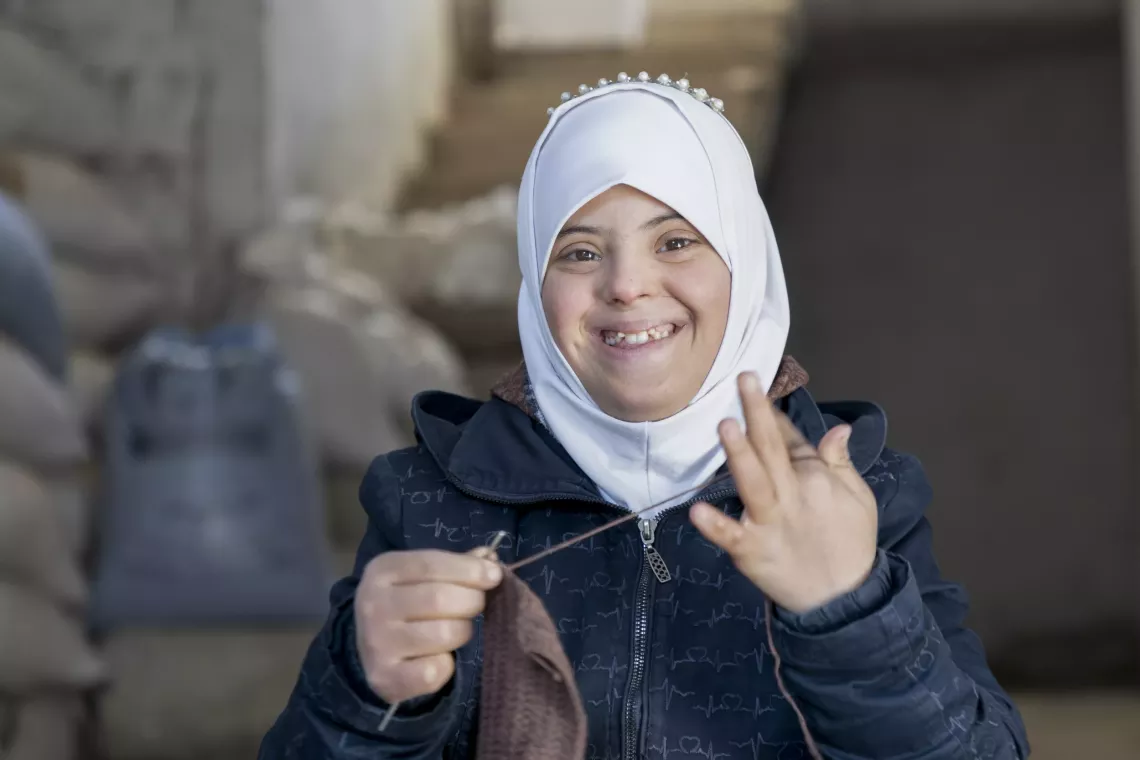
Despite experiencing many emergencies during my UNICEF career, serving as Regional Director in the Middle East and North Africa in 2023 has tested many of the skills acquired over the years. Striking a delicate balance between meeting the urgent needs of children undergoing natural disasters and conflict with the needs of children in more stable countries lagging behind on the SDGs and child rights was a challenge. Yet highly experienced and dedicated UNICEF staff representatives and their country-level teams, along with a dedicated regional team who stepped in frequently to support country offices were important elements that helped us navigate a turbulent and painful year for children in the region.
In Libya, the State of Palestine, the Sudan, the Syrian Arab Republic and Yemen, we responded to some of the world’s largest protracted conflicts, as well as frequent natural and human-made crises, pandemic outbreaks and climatic shocks, amidst challenging security conditions for staff and their families, involving loss of family members, multiple relocations, evacuations and loss of property. Ensuring staff well-being remained a region-wide priority.
I am proud of our work on social protection. UNICEF supported expanding the coverage of Tunisia’s Universal Child Benefit with prospects for institutionalization in policy and domestic financing. We also supported the launch of Oman’s domestically financed Universal Child Grant. Cash assistance to extremely poor families in Gaza delivered within six days of the conflict’s start and continuing till the present was also critical.
In Yemen, UNICEF supported integrated health and nutrition services in nearly 3,000 facilities, reaching 2.2 million mothers and children. Immunization campaigns resulted in protection against polio and measles for 14 million children in Algeria, Egypt, the Sudan, the Syrian Arab Republic and Yemen. UNICEF-supported immunization campaigns led to a 13 per cent decrease in zero-dose children in the region.
We have implemented strategies and programmes for preventing all forms of malnutrition among children in 10 countries, reaching 5.8 million children with preventive services and over 680,000 children with treatment for wasting in Djibouti, Lebanon, the Sudan, the Arab Republic, Yemen and Gaza.
Upholding, advocating for and communicating the child rights agenda, especially around politically and culturally sensitive child rights issues constitute another source of pride. Being the voice of children when their rights to survival and protection were challenged was a fulfillment of our principal mandate.
In collaboration with partners, we contributed to the implementation of action plans to end child recruitment in the region, and supported training and design of reintegration programmes. We also advocated for measures to improve the protection of children to get listed parties that have not put them in place to do so.
In a region with the highest youth unemployment rate in the world, UNICEF’s advocacy with other UN agencies mobilized the UN Resident Coordinators in several countries around the importance of helping young people transition from learning to employment.
Given the impact of climate change on the region, UNICEF ensured young people’s voices on the climate crisis were heard. A regional climate change youth engagement strategy was developed, and stronger partnerships were forged with climate activists that culminated in the adoption of a Day on Children and Youth at COP28 in Dubai.
The robust response carried out in 2023 was pivotal in saving and enhancing the lives and promoting the rights of millions of children in the region. Our commitment and dedication remain firm, as we persist in making a positive difference and working towards a better and brighter future for current and future generations.
Latin America and the Caribbean
Garry Conille, Regional Director
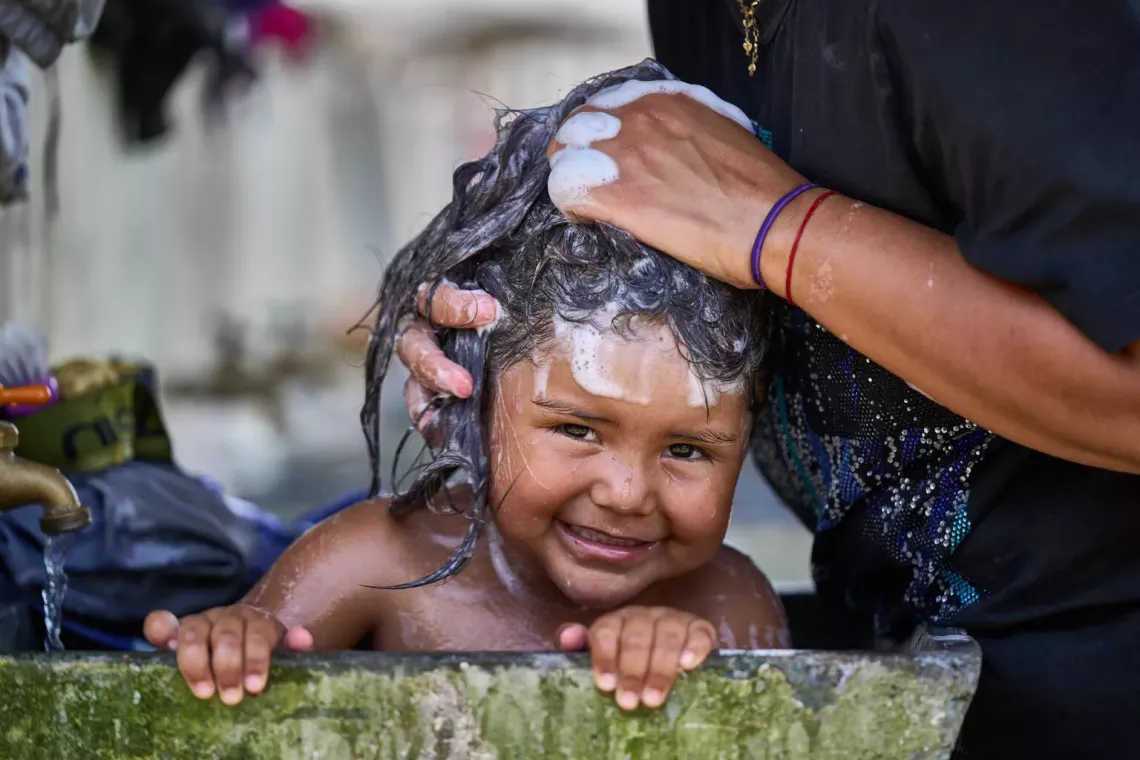
Halfway into the SDG era, Latin America and the Caribbean is only on track to achieving less than half of child-related targets by 2030. While the region has been a global success story in reducing child deaths, it is failing children on many other fronts. For a more promising future, governments and partners must make smart policy choices and invest in children.
Almost 35 years after the adoption of the Convention on the Rights of the Child, too many children are still denied a fair chance in Latin America and the Caribbean. Nearly half of them live in poverty. Two in three children experience violent discipline at home while four in five 10-year-olds can't read a simple text. Millions of girls are brides and mothers. Indigenous children, afro-descendent children, children with disabilities and girls are being left behind. Faced with deepening inequalities and new climate threats, more children and their families are making dangerous journeys across the continent in search of a better life.
UNICEF plays a pivotal role alongside governments and partners to accelerate progress towards the SDGs, ensuring that every child not only survives but also thrives. In 2023, UNICEF continued to generate evidence, advocate and provide technical advice, securing political will and transformative results for children across the region.
Collectively, the region positioned itself as a leader in addressing the learning crisis. Led by Colombia and a coalition of global partners, 12 countries have now signed the Commitment to Action on Foundational Learning – more than any other region. Concrete measures like the Dominican Republic’s foundational learning policy are already showing improvements in young learners.
The region’s latest legislative breakthroughs include Peru’s passage of a law to prohibit child marriage and Mexico’s amendment to regulate food and beverages sold at school. Pioneering advances include policies on adolescent mental health in Uruguay and anti-racism in Brazil, along with new early childhood development policies in the Plurinational State of Bolivia and Paraguay. Governments also adopted UNICEF-supported costing tools, like Chile´s measurement of public investment in children in the national budget law and Argentina’s child care index, which has been cited in judicial decisions.
In 2023, the region also showed its potential in digital solutions for children. UNICEF-supported initiatives ranged from partnerships with telecommunication companies to link young people with information and services in Jamaica to the use of open-source software for child protection information management in Trinidad and Tobago. A Guatemala-based joint venture with young climate innovators that harnesses drones for communication in emergencies went as far as Dubai, where it was presented at COP28.
While contributing to transformative policy and innovation, UNICEF continued to respond to the region’s most urgent crises, providing humanitarian assistance to over 1 million people in Haiti and to almost 2 million people on the move and in host communities in 18 countries.
Looking ahead to 2024, as we mark the Convention’s 35th anniversary, we will sharpen our strategic engagement with governments and partners across the region to keep our promise to children and build a brighter future for all.
South Asia
Sanjay Wijesekera, Regional Director
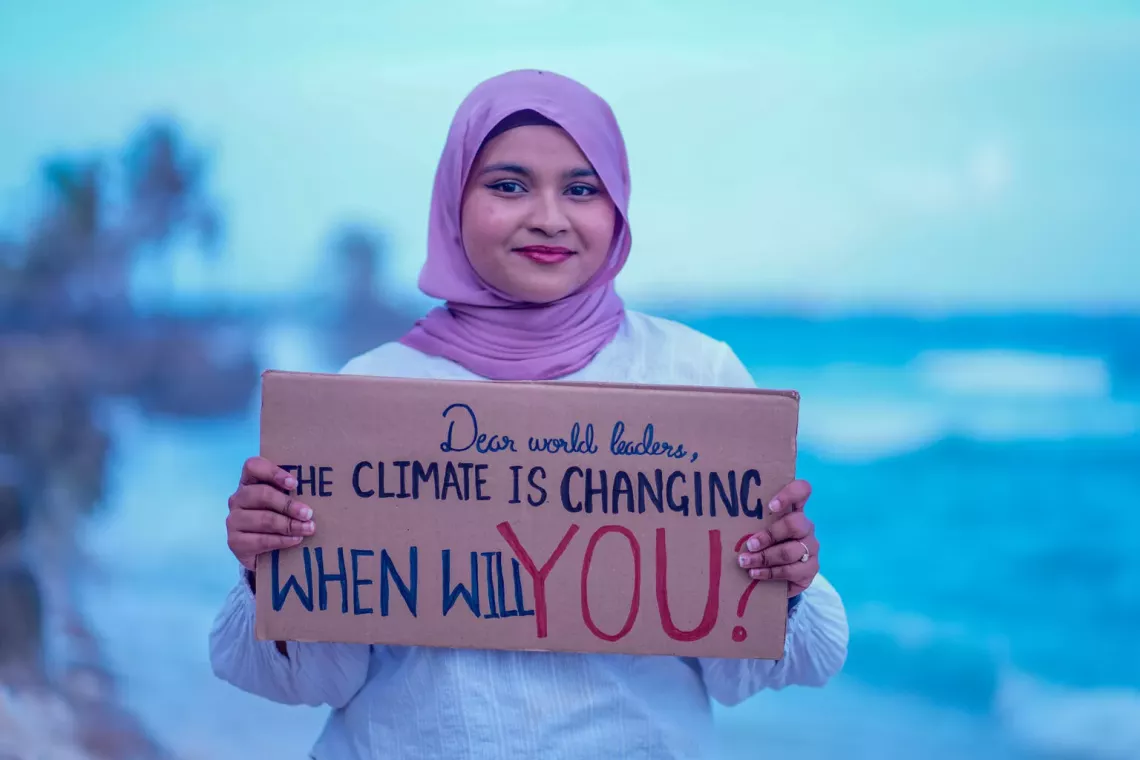
Sooraj Kumar is a 10-year-old champion for girls’ education in Pakistan. Last December, I met him and his classmates as he stood in front of a poster he had designed that said, “Say yes to the education of the girl child.” Wise beyond his years, I was touched by his budding advocacy tactics.
Sooraj’s message is at the heart of UNICEF’s programmes in South Asia – a region in which debilitating gender norms hold adolescent girls back from achieving their full potential and where nearly 50 per cent are not in education, employment or training. This is especially painful in Afghanistan where, under the de facto authorities, girls are still denied their right to learn beyond Grade 6.
Such inequalities and inequities are also apparent in the prevalence of child marriage. South Asia is home to 290 million child brides – the highest number in the world. It is a figure that keeps me awake at night when I think of the lost opportunities and risks that these young girls endure. The story is similar for nutrition: girls eat last and least fueling a terrible intergenerational cycle of malnutrition. And, as the region in the forefront of climate change, natural disasters and weather-related crises, girls are disproportionately vulnerable when they are displaced.
Addressing these injustices was central to UNICEF’s work across South Asia in 2023. Despite challenges, including political uncertainties and the shrinking space for child rights, our teams achieved remarkable results.
These include vaccinating over 33 million children, engaging over 25 million people in dialogue to end discrimination against girls and women, and enabling over 17 million young people to participate or lead in civic engagement.
Some of our most impressive work took place in challenging circumstances. Amidst a devastating humanitarian crisis and roll-back of rights for women and girls in Afghanistan, UNICEF sustained the health system, providing services and supplies to over 20 million people and supporting over 2,500 health clinics. I also want to acknowledge the courage and commitment of our female national staff who continue their work in the face of adversity.
UNICEF Nepal not only responded rapidly to October’s devastating earthquakes but supported the roll-out of the Recovery and Acceleration National Learning Plan to help children catch up on their learning after COVID-19.
As a result of advocacy with the Ministry of Health, colleagues in Bangladesh piloted locally produced Ready-to-Use-Therapeutic Food to combat severe wasting especially in the Rohingya camps.
Bhutan’s new National Education Policy, supported by UNICEF, will prepare children and young people to be skilled and productive citizens.
UNICEF Sri Lanka supported the development of plans to implement the National Alternative Care Policy, which kept over 1,000 children out of institutional care and reunified hundreds with their families.
I was also uplifted by the pioneering initiatives from UNICEF Maldives to engage young people around advocacy for COP28 so they could shape the conversation around building climate-resilient communities. Similarly, Generation Unlimited India (YuWaah!) rallied young people around climate action in support of the government’s Mission LiFE initiative to preserve the environment.
These results suggest that if we continue to keep children at the heart of our work, listen to communities, build capacity in governments, and leverage the expertise of local partners, we can respond to the vast needs of children across the region.
And maybe we can persuade Sooraj to join UNICEF when he’s older.
Europe and Central Asia
Regina De Dominicis
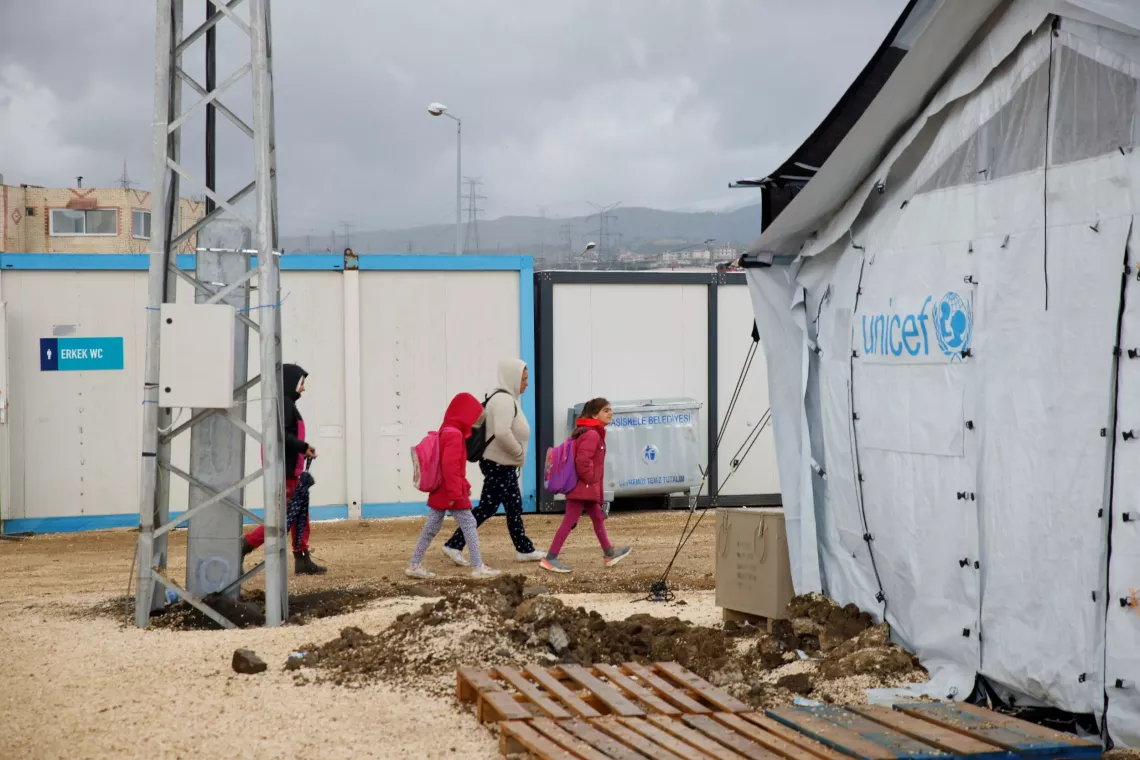
Throughout 2023, children across the world faced deeply challenging circumstances, and children in Europe and Central Asia were no exception.
A mere six weeks into the year, I saw children and families in Türkiye experience some of the worst earthquakes in the country’s history, affecting 15.2 million people, killing thousands and devastating lives.
The ongoing war in Ukraine continued to cause immense suffering and wreaked havoc on children’s mental health and learning. Forty per cent of Ukraine’s children cannot access continuous education and one in five youth have intrusive thoughts and flashbacks – manifestations of post-traumatic stress disorder.
In my first months as Regional Director and Special Coordinator for the Refugee and Migrant Response in Europe, tragedies at sea led to children losing their lives as they attempted to cross the perilous Mediterranean migration route. Thousands of survivors remain detained in dire conditions unfit for a child.
More than 20 million children in the region continued to live in poverty. Families struggled to afford the basics, as a cost-of-living crisis persisted. The most marginalized children lacked access to quality education, shelter, food and health care, making our work with our regional partners including the European Union even more vital.
Following a backsliding in vaccination during the pandemic and an increase in vaccine hesitancy, over 600,000 children were not immunised against measles in 2023, leading to outbreaks and a 30-fold increase in measles cases.
In the aftermath of World War II, UNICEF’s work began in this region. For more than 75 years, we have worked with governments, partners, children and their families to uphold the child rights. In 2023, our work remained just as critical. I couldn’t be prouder of our extraordinary teams and partners who worked tirelessly to reach children across the region.
In the aftermath of the Türkiye earthquakes, UNICEF was immediately on the ground to provide humanitarian assistance. Together with the Government and partners we reached 4.7 million people including 2.4 million children with life-saving services and support. We are continuing to help rebuild education, health care and social protection systems.
Across Ukraine, we reached more than 1.3 million children with access to education and more than 2.5 million children and caregivers with mental health care and psychosocial support. We provided more than 5 million children and women with access to primary health care and 5.5 million people with access to safe water. We have reached thousands of Ukrainian children and families in hosting countries through national systems and municipalities.
In 2023, UNICEF provided essential support to children and their caregivers seeking refuge, safety, peace and better opportunities in Greece, Italy, and Türkiye and in Armenia.
UNICEF continued to make headway in reducing the number of children in residential care facilities and supporting family-based care including foster care in the region. Across Europe and Central Asia, 15 out of 23 countries reported more than two thirds of children formally cared for are now placed in family-based care.
We supported the expansion of the digital learning opportunities in the region including in Kazakhstan, Kosovo, Montenegro, Serbia and Poland.
We continued our work with partners to address air pollution and reduce its damaging impact on children’s health and development and with communities to create climate mitigation and adaptation strategies and strengthen disaster risk preparedness.
In 2024, we will continue to build on our engagement with governments, the private sector, civil society, other UN agencies and of course children and young people themselves to accelerate and scale results on both the humanitarian and development front.
Financials
UNICEF revenue decreased by $1.4 billion compared to 2022 owing to the end of the COVID-19 pandemic and declines in funding toward the Ukraine crisis.
Meanwhile, expenses increased by $495 million and reached their highest levels ever as humanitarian programming activities remained at escalated levels in the world’s toughest places to reach.
Core Resources (RR) revenue from public and private sector partners as a percentage to total revenue showed improvement in 2023.
RR funding provides the predictability, flexibility and efficiency that allows UNICEF to deliver the greatest possible impact for children. Its decline over the past few years represents a significant risk to UNICEF’s ability to achieve its mandate.
For more details on UNICEF’s contributions received from partners, please see the UNICEF Funding Compendium.
Shape the Future: A call to action for flexible funding
UNICEF thanks our donors and partners who contributed so generously in 2023 to our work for children around the world. We want to specifically thank donors who contributed flexibly to RR and thematic funds.
RR funds our global presence and the foundational programming to deliver on our mandate for every child. Thematic funding is then used strategically to strengthen the social service systems on which children rely and enable a timely response to humanitarian crises.
Just as today’s crises are interconnected, so is the way that UNICEF solves complex global issues for the long term. That’s why UNICEF is calling for UN Member States to fulfill their Funding Compact commitment and for all donors to increase flexible funding as a portion of their overall portfolio of giving to UNICEF.
The key to shaping a future of peace, resilience, sustainability – and most importantly achieving the greatest impact for children and their communities – is investing flexibly.
Highlights
This report highlights UNICEF's key achievements across its five goal areas, humanitarian action and engagement with young people in seven regions along with key financial information and donors in 2023.