A Social and Behavioural Change Message Guide
for Preventing Childhood Lead Poisoning Using the REACH Framework
Highlights
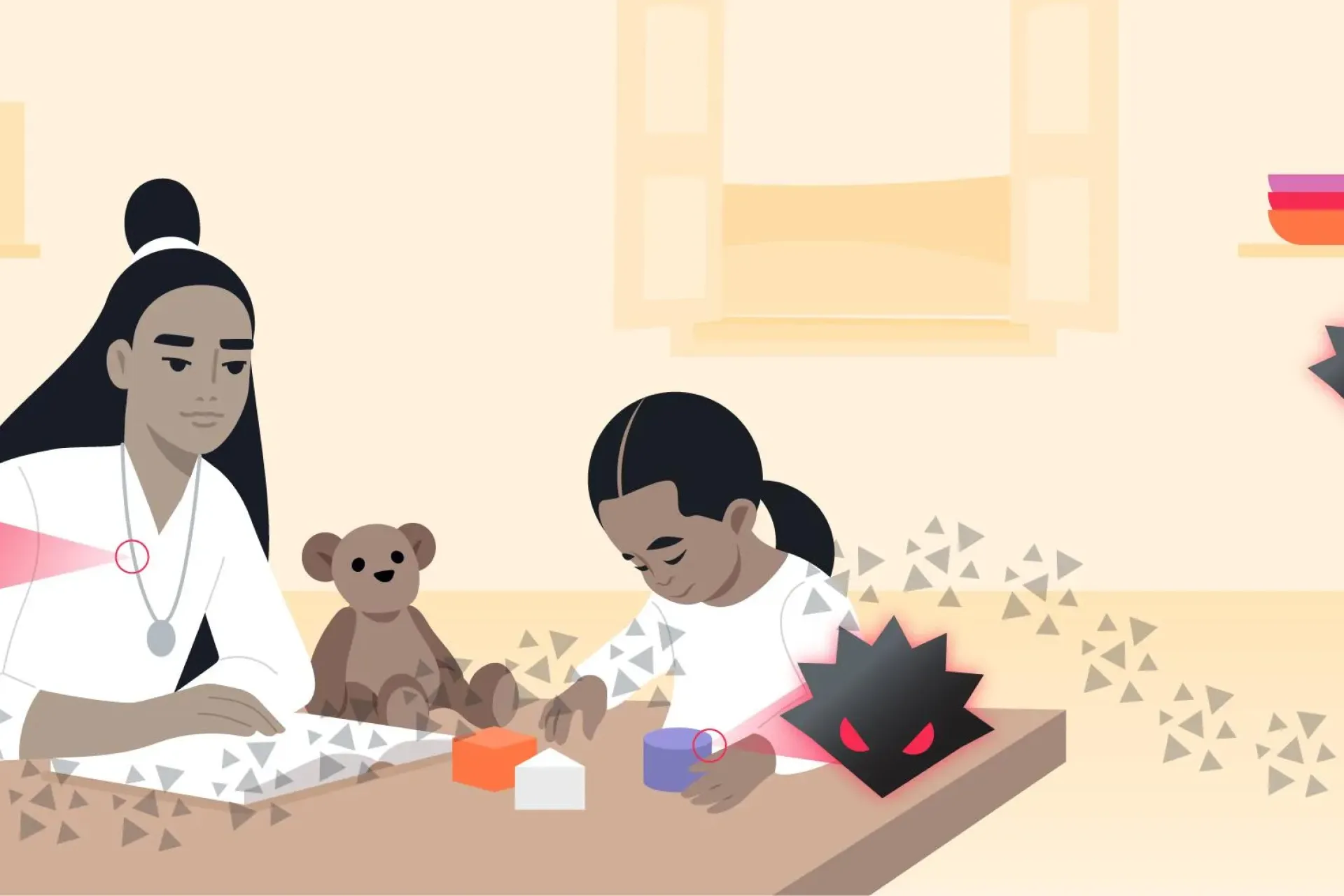
Lead poisoning presents unique communication challenges: it’s an invisible threat that silently damages children’s developing brains, with health impacts that may not appear for years. Unlike visible environmental hazards, lead contamination requires specialized approaches to help communities recognize risks and take protective action.
This guide offers a practical approach to crafting lead poisoning prevention messages using the REACH framework, a social and behaviour change (SBC) messaging model. It is written for global use and should be adapted to local contexts before implementation. Wherever possible, conduct research – such as a knowledge, attitudes and practices study, social listening or rapid stakeholder interviews – to inform your strategy. This will help account for cultural norms, language and literacy, trusted messengers and the current level of awareness in your audience.
SBC is one pillar of a broader communication strategy to end childhood lead poisoning. It bridges the gap between technical risk information and the daily decisions made by individuals – turning insights on invisible hazards into clear actions. This guide centres on caregivers, but the same principles can be adapted for other audiences. For content aimed at additional audiences and advocacy purposes – such as policymakers or health workers – see Tool 5: Clear communication to prevent and address childhood lead poisoning. This guide forms part of the Toolkit to End Childhood Lead Poisoning, a primer on identifying, assessing and mitigating exposure. It is recommended to position SBC within the broader communication ecosystem – media relations, advocacy, risk communication and partner communications – so approaches are complementary rather than stand-alone.