

Yemen crisis
Children are being killed, injured and torn from their homes as the country tips deeper into conflict.

- English
- العربية
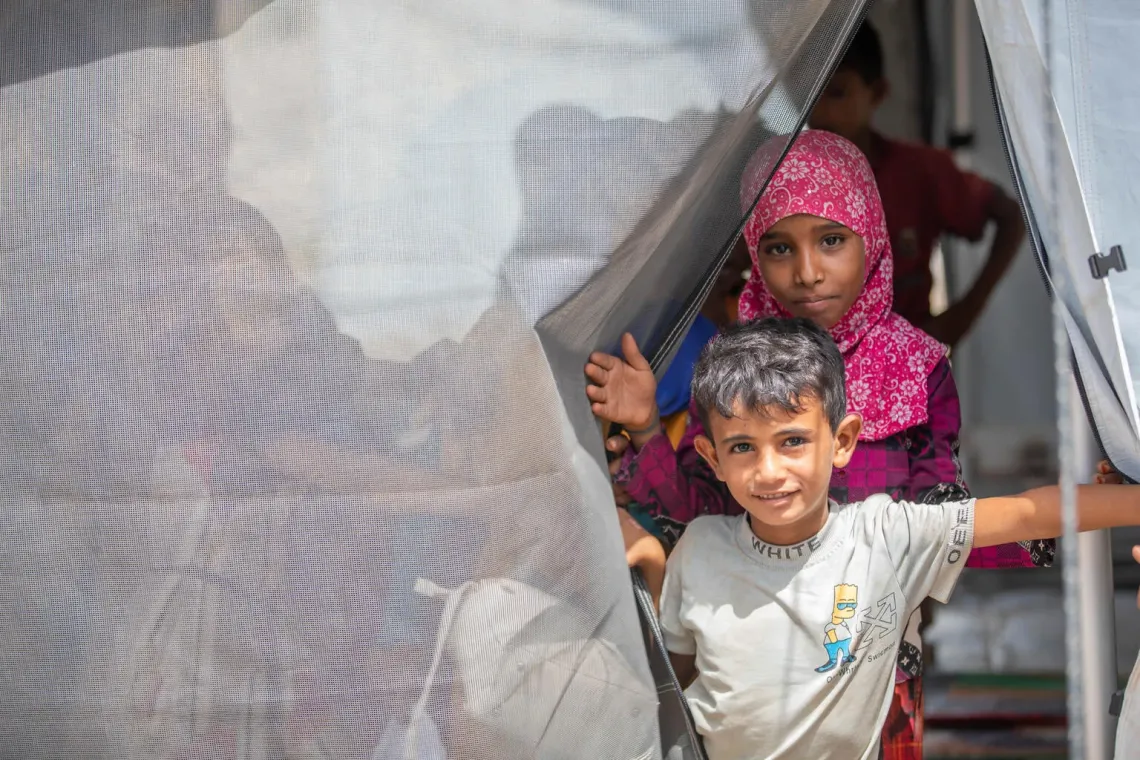
Renewed hostilities across Yemen are uprooting children by the tens of thousands and forcing them into harm’s way. Families are fleeing with all they can carry. Health services are crippled. Schools are shutting down.
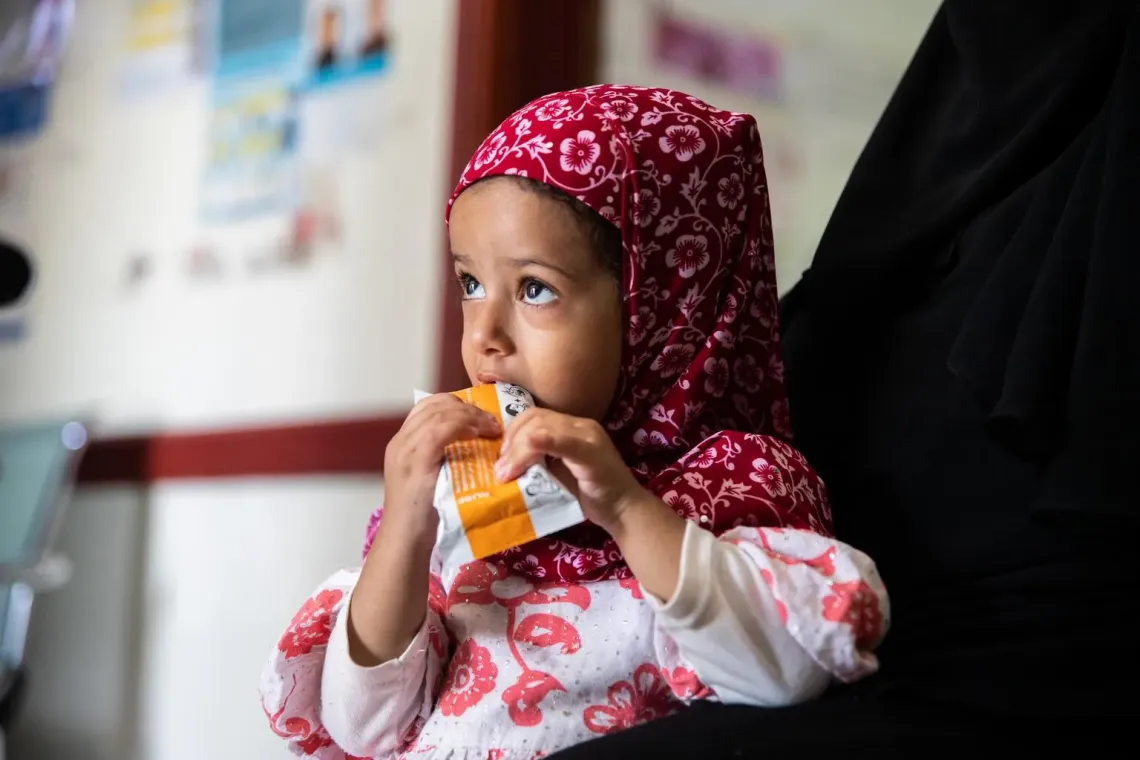
Even before this latest escalation, children struggled to get enough food, medicine and essential services. Now, malnutrition remains widespread and disease outbreaks recurrent as fighting intensifies in and around populated areas.
What’s happening? | Crisis snapshot | Impact on children | Latest appeal
How we’re responding | Recent news and features | UNICEF results | Situation updates
Support UNICEF’s work for children
What’s happening in Yemen?
Children in Yemen were already living through one of the world’s most grave humanitarian crises. Years of conflict and economic collapse have shattered basic social services, pushing families from their livelihoods and homes, into hunger and harm.
In this latest uptick of fighting, shelling, missile attacks, drone attacks and ground clashes are killing and injuring civilians and damaging the infrastructure they need to survive. Millions of children lack access to safe water and adequate healthcare as the country suffers regular outbreaks of cholera, measles, diphtheria and other vaccine-preventable diseases.



Yemen crisis in numbers
Even before the latest escalation:
- An estimated 12.2 million children needed humanitarian assistance.
- More than 2.2 million children under five were acutely malnourished.
- Around 3.2 million children were out of school.
- 40 per cent of health facilities were completely out of service or only partially functioning.
How is the crisis affecting children?
Thousands of children have been killed or maimed since the beginning of the conflict, and thousands more recruited into fighting. Children face surging risks of exploitation, use by armed groups, and gender-based violence. They’re more likely to be forced into child labour and child marriage, and less likely to be in school. Damage to hospitals and water, sanitation and hygiene (WASH) facilities is also preventing children from getting their basic needs met.
Intensified fighting puts children at grave risk while pulling them from humanitarian reach. UNICEF reiterates the call of the Secretary-General for all parties to conflict to protect children, comply with international humanitarian law, and facilitate safe and unimpeded humanitarian access so that urgently needed assistance can reach communities in need.
What is UNICEF doing to help children in Yemen?
UNICEF is on the ground, trucking water tanks, deploying mobile health and nutrition teams, repairing WASH infrastructure, supporting health facilities and providing hygiene kits for displaced and affected communities. Our teams continue to provide psychosocial care to children, including those who have been separated from their families in the chaos of conflict. Together with partners, we also rehabilitate damaged schools, establish safe learning spaces, and educate children on how to identify and avoid risks posed by explosive remnants of war.
Results for children in Yemen
Page updated: 29 September 2026