Care Without Walls: Mobile Clinics Reaching Yemen’s Most Vulnerable Children
Mobile clinics provide a vital lifeline, delivering life‑saving care to children and mothers in Yemen’s most remote and hard‑to‑reach areas
- English
- العربية
Yemen’s health system remains under immense strain, leaving more than half of the population without access to basic health services. The impact is particularly severe in rural and conflict‑affected areas, where years of violence and resource shortages have forced many health facilities to close.
According to the Yemen Humanitarian Needs and Response Plan 2025, millions of children continue to be affected by the crisis, with around half a million suffering from Severe Acute Malnutrition (SAM). For families already living in extreme poverty, the high cost of transportation creates an almost impossible barrier to reaching distant health centers - turning treatable conditions into life‑threatening risks.
Reaching Families Where They Are
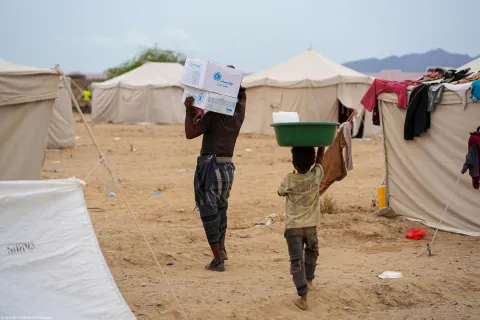
In the Atira displacement camp in Lahj Governorate, the pressure on displaced families is mounting. Many struggle to meet even their most basic needs, while children—who are particularly vulnerable to disease—face heightened health risks. Malnutrition, combined with limited access to care, poses a serious threat to their survival.
In this deteriorating context, deployment of mobile teams has become an essential part of the health and nutrition response. By bringing integrated health and nutrition services directly to communities, these teams ensure early detection, prompt treatment, and prevent children’s conditions from deteriorating into serious complications. The clinics also serve families who lack the affordability of transportation to reach health facilities.
The Vital Work of Mobile Teams
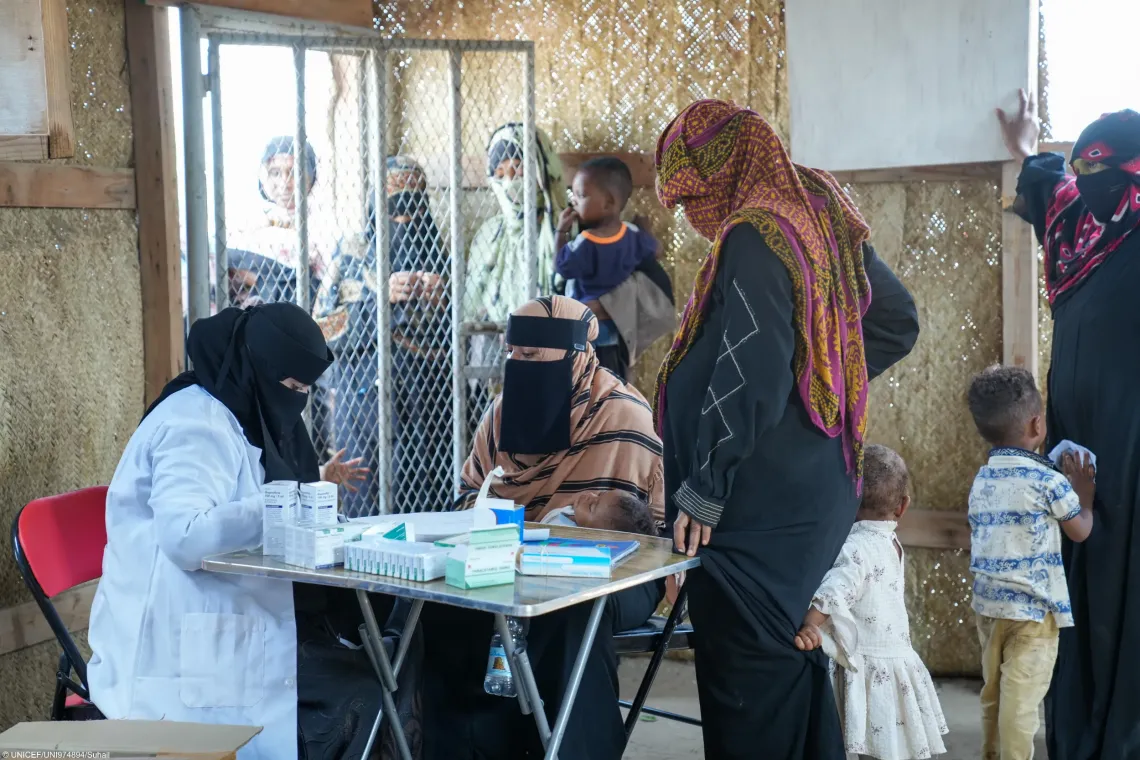
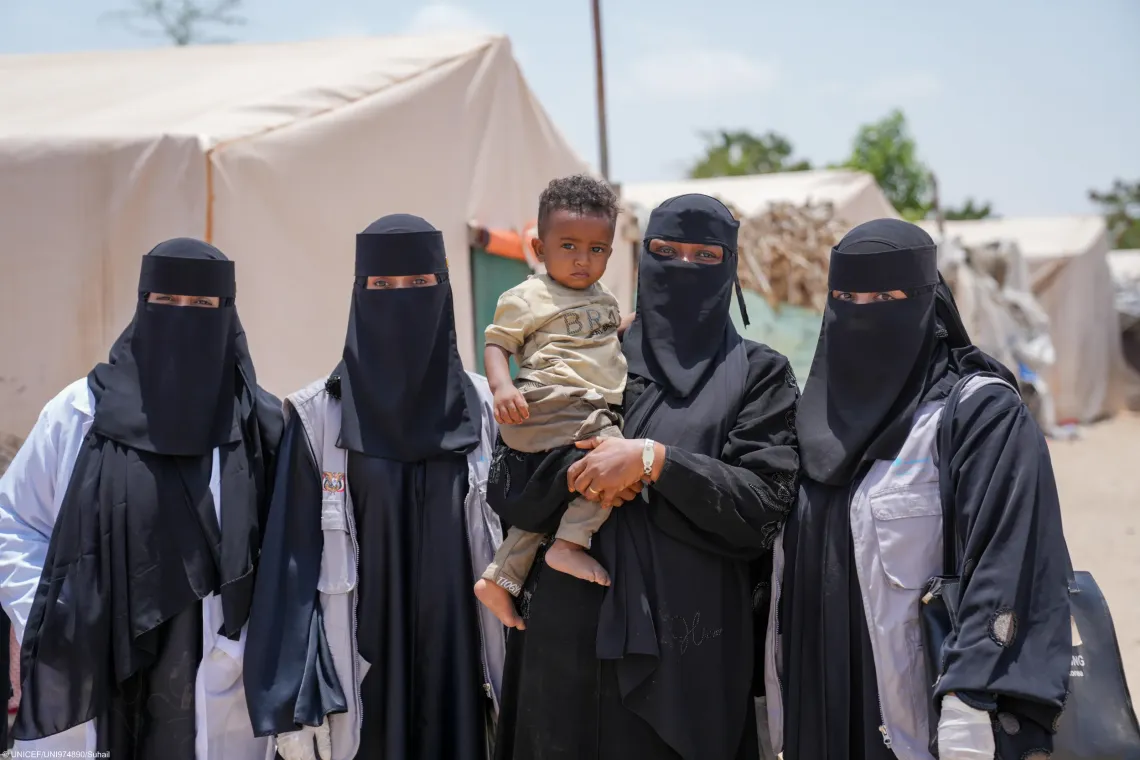
Zahra Hussein, a health worker joining the mobile team, explains that their primary goal is “to reduce rates of severe acute malnutrition while closely monitoring children who often suffer from multiple illnesses due to harsh living conditions”.
“Mobile teams are a lifeline for people here,” Zahra says. “We provide screening and treatment for malnutrition, with regular follow‑up to ensure the fully recovery of the suffering children. We also treat common illnesses such as diarrhoea, fever and measles, provide routine vaccinations, and offer care for pregnant women and mothers.”
A New Lease of Life for Azzam
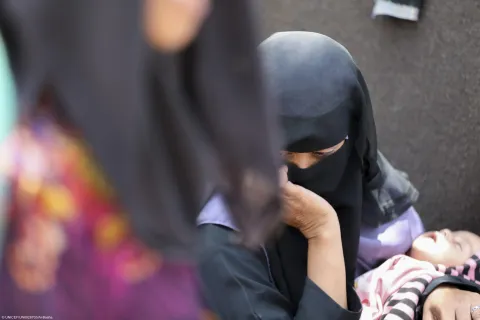
For displaced families living in camps without permanent health and nutrition services, the cost of transportation makes the crucial difference between receiving care on time - or not at all. This is the real situation for Azzam’s family, who were displaced to Lahj Governorate and are currently living in the Atira displacement camp.
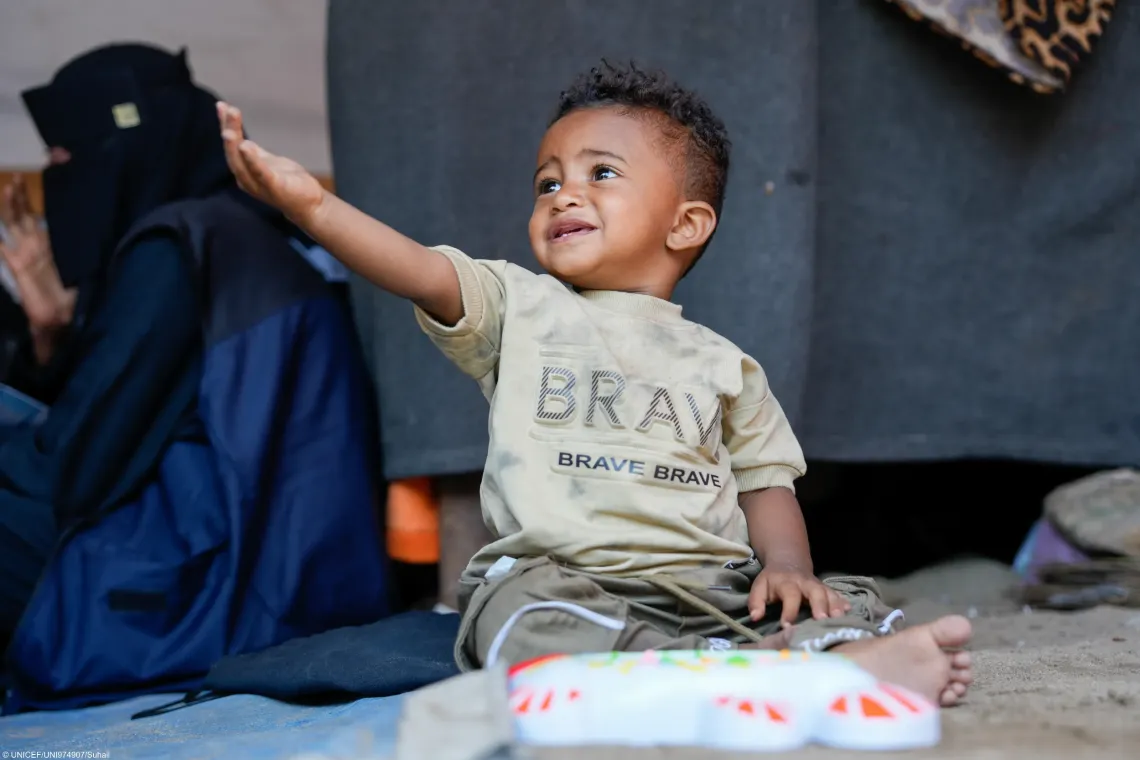
Azzam’s mother recalls the distressing days before the mobile team arrived.
“From the time he was five months old, I could see that my child was very weak. He was struggling to eat and sleep, and his condition was worsening day by day. We tried to take him to a health centre, but it was too far, and we simply couldn’t afford the transportation cost.”
When the community health and nutrition volunteer (CHNV) in the camp identified Azzam’s condition, it was already at severe stage. The CHNV immediately referred his mother to the mobile team that regularly visits the camp. This demonstrates the critical role the community networks play in connecting families to healthcare.
Timely Care, Lasting Impact
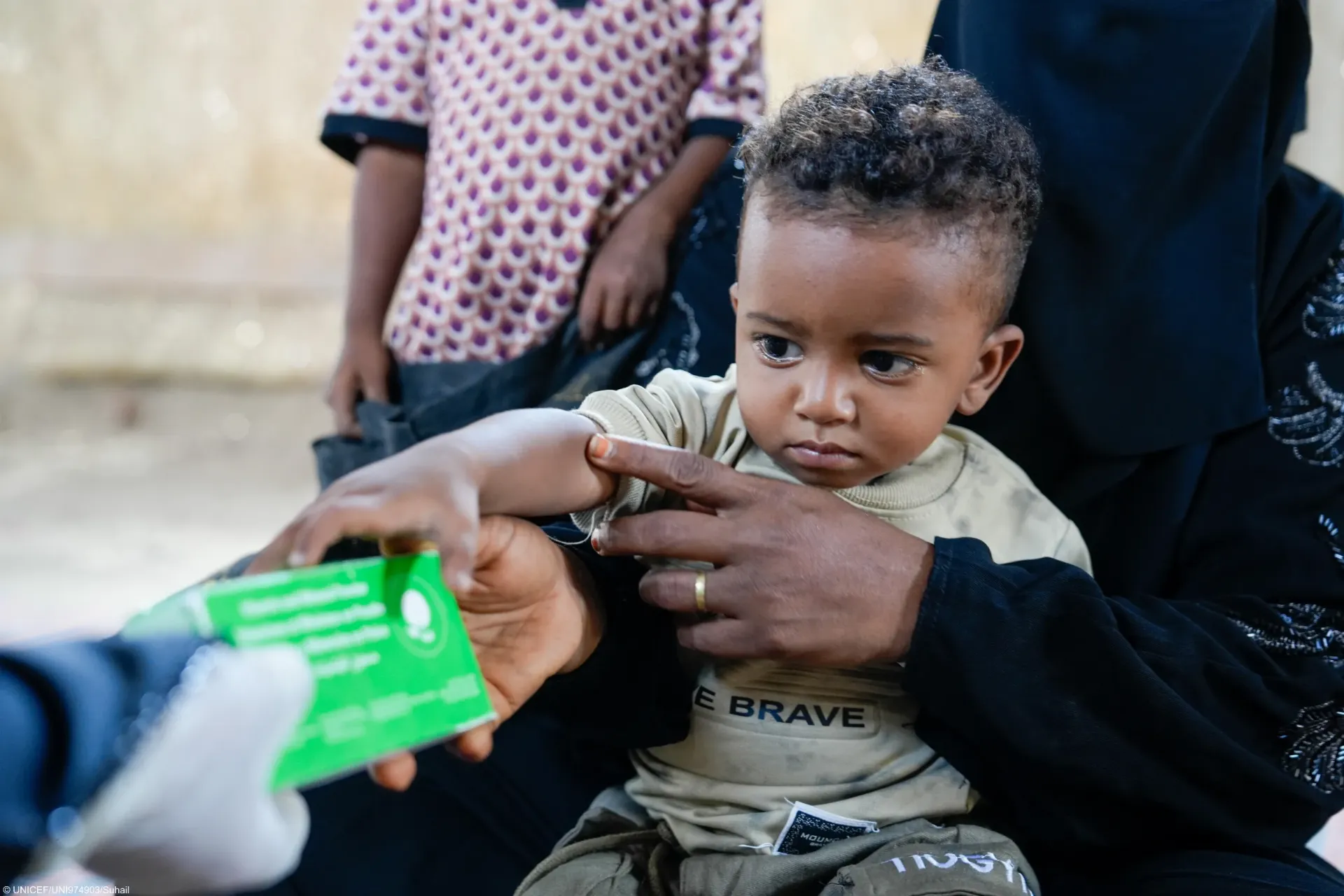
“When the mobile team examined Azzam, he was suffering from severe acute malnutrition and dehydration,” Zahra explains. “His Mid‑Upper Arm Circumference (MUAC), a measurement used to assess acute malnutrition, was just 9.7 centimeters, and his weight was 4.6 kilograms. These measurements indicated severe wasting.”
The team acted immediately, providing the essential therapeutic feeding ration of RUTF, while also supporting Azzam’s mother with guidance on treatment use, counselling on child feeding, and raising awareness on the importance of hygiene.
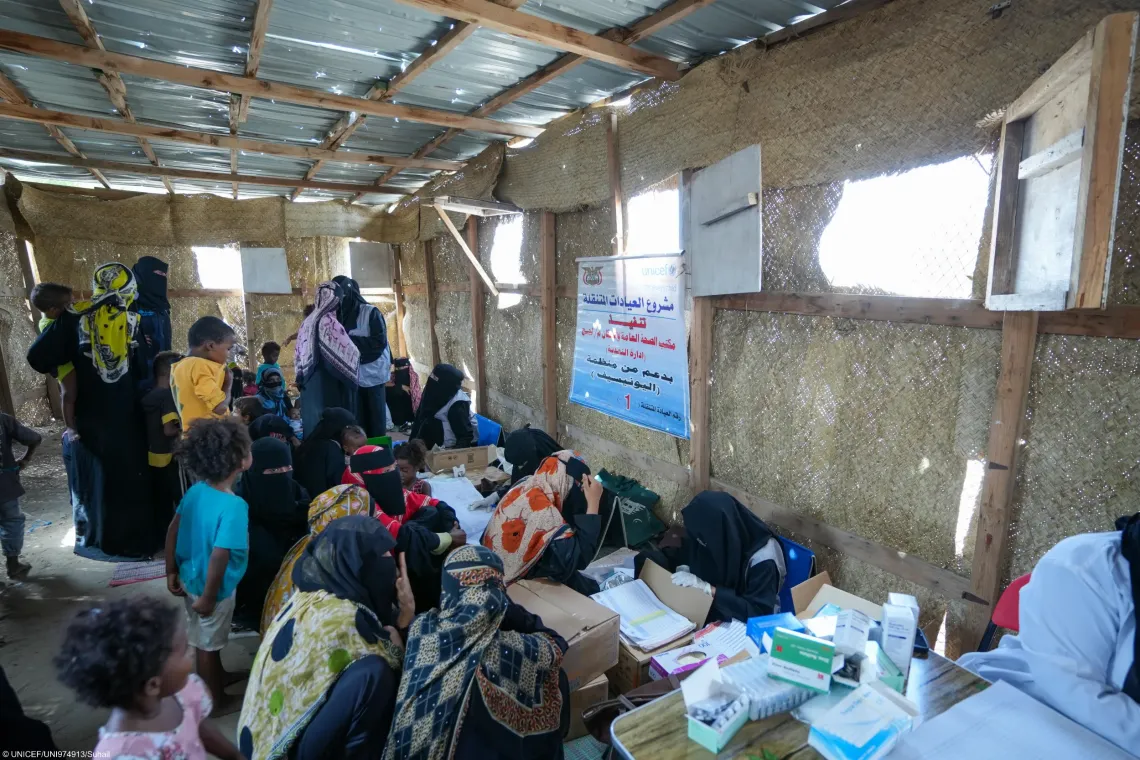
“I will never forget how difficult that moment was.” “But when I reached the mobile team, I felt reassured. I realized that I was no longer alone.”
Follow Up That Saves Lives
Through consistent follow‑up, Azzam’s condition steadily improved. Within two weeks, his weight increased, his strength began to return, and he passed the danger stage.
“When a child recovers and the smile returns to his face, it brings joy to the entire family,” Zahra says. “That is the moment when we know our efforts are making a real difference.”
Delivering Hope, Despite the Challenges
Despite the ongoing challenges facing Yemen’s health system, UNICEF -together with its partners- continues to support essential health and nutrition services for children and families across the country. This work is made possible through the generous support of partners, including the Second Mile Foundation and Swiss National Committee for UNICEF, whose contributions help sustain mobile teams reaching communities with the greatest needs.
This support is part of the Response to the Nutrition Crisis in Yemen, aiming to reach more than 270,000 children under five and 153,000 pregnant and lactating women across priority governorates, while strengthening local capacity through ongoing training and community‑based engagement.