Free and Accessible Health Care Saves the Lives of Children in Yemen
On the World Health Day… Ayan’s story highlights the importance of access to lifesaving primary health care services
- English
- العربية
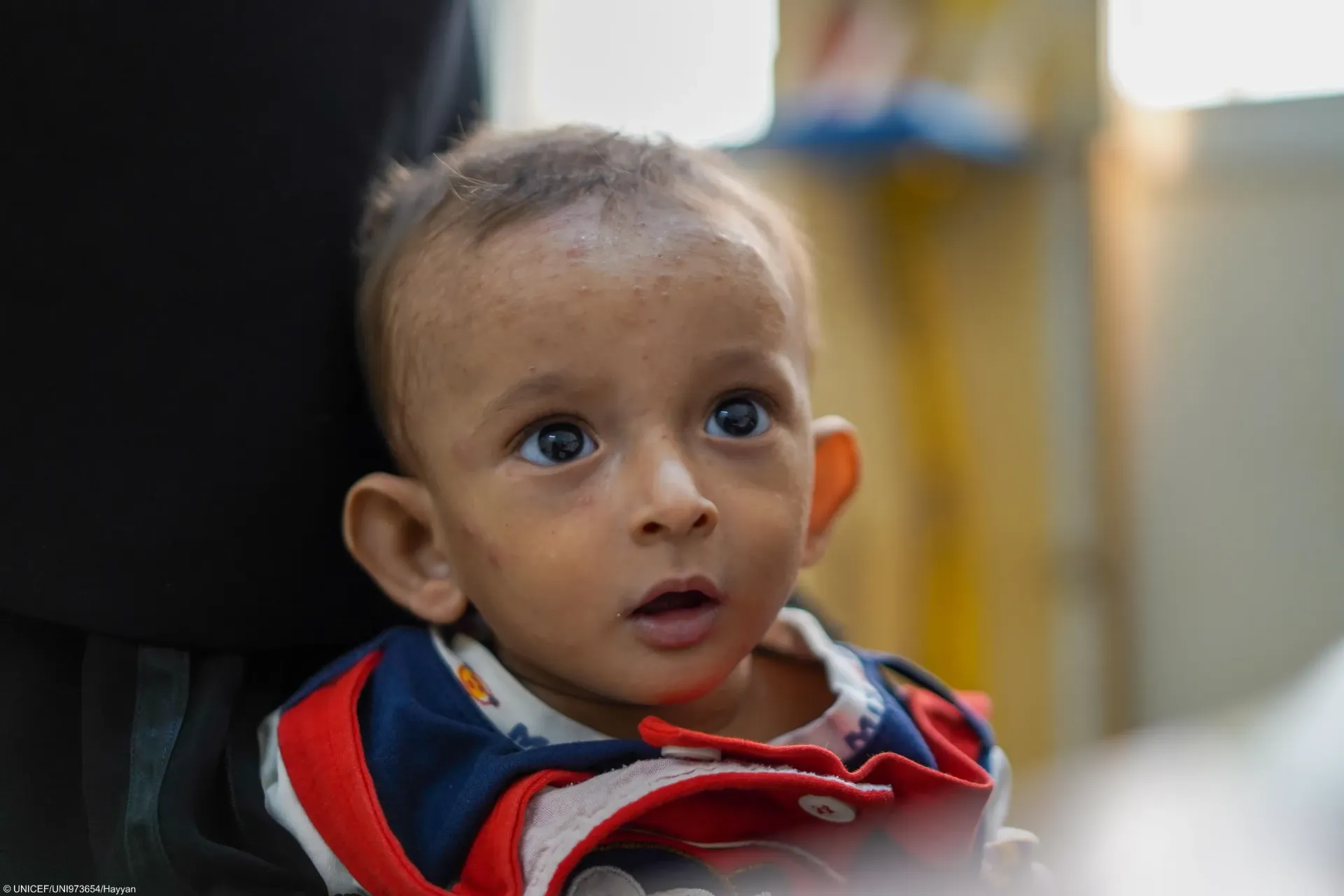
As the world marks the World Health Day this year, thousands of families in Yemen continue to face growing health and living challenges. Yet stories of resilience and recovery remain present. Ayan Ahmed, an eight‑month‑old child, was among millions of children in Yemen exposed to serious health risks linked to malnutrition. His journey toward recovery reflects how access to effective primary health care services can make a decisive difference in children’s lives, particularly in crisis‑affected settings.
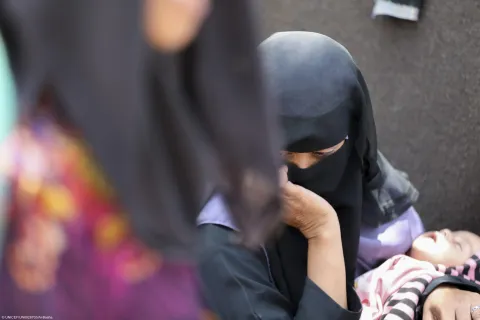
Displaced by the conflict, Ayan’s family moved to the Al‑Mamdara area in Aden governorate, where they encountered difficult living conditions that placed additional strain on their ability to meet basic needs. His mother describes their situation:
“Living conditions are very difficult. My husband works for daily wages, and sometimes days pass without him finding work. This affects our ability to provide for our children’s needs.”
Over time, she noticed worrying changes in Ayan’s health:
“He weighed only four kilograms at two months old, then started weakening rapidly after his third month. When I noticed his weight loss and lethargy, I decided to take him to the health center immediately.”
The decision to seek care at the health center was a pivotal step, marking the beginning of Ayan’s recovery journey and highlighting the importance of early care‑seeking and access to available health services.
Strengthening primary health care services to reach children most in need
Primary health care facilities play a central role in UNICEF’s response to the health challenges facing children in Yemen. At Al‑Mamdara Health Center -one of the facilities supported by UNICEF- Ayan received the necessary medical examinations, followed by regular medical follow‑up as part of strengthened primary health care services.
Recalling her first visit to the center, his mother says:
“From the very first moment, I felt reassured. The medical staff treated us with care and provided my child with everything he needed in terms of examinations and treatment.”

As medical follow‑up continued, she began noticing gradual improvement in her child’s condition. After initial anxiety, a sense of hope returned:
“Ayan was very weak, and I was extremely worried about him. A few days after starting treatment, I began to notice clear improvement, and he started regaining his strength and energy.”
The proximity of the health center helped the family maintain regular visits and follow‑up, an essential factor in ensuring continuity of care. She adds:
“Having a health center close to our home helped us a lot. Following up on treatment became easier, and we did not feel the burden we would have faced if it were far away.”
Free health care services… a lifeline for families
This was not the family’s first experience with illness. Previously, Ayan’s mother had sought care at the same health center for her first child, which strengthened her awareness of the importance of seeking care early. She says:
“My first child suffered from the same condition and received treatment at the same center until he fully recovered within two months.”
For families with limited income, free health care services are critical to sustaining treatment and follow‑up. She explains:
“Free treatment saves our children. In a situation like ours, we cannot afford the cost of treatment, so having this service available is extremely important.”

As Ayan’s health continued to improve, his mother became more determined to encourage other families to take the same step and not delay seeking help if they notice worrying symptoms in their children. She says in her message to other mothers: “I advise every mother not to wait if she notices a decline in her child’s health. Early treatment makes a big difference.”
She concludes with gratitude for the support that made her child’s recovery possible:
“I thank UNICEF, the Government of Japan, and everyone who contributes to supporting this center. This support gives our children a real chance to recover.”
Strengthening the operationalization of primary health care facilities to manage malnutrition cases
Through the "Responding to the urgent health crisis and building resilient Primary Health Care systems in Yemen" Project, supported by the Government of Japan, UNICEF has contributed to strengthening the operational capacity of primary health care facilities in seven priority governorates. This support enabled more than 150,000 people to access health and nutrition services. The project also supported 130 primary health care facilities by providing essential medicines and vaccines, covering operational costs, and offering incentives for health workers.

This support has enabled health centers to deliver integrated services, including early detection of critical health conditions, regular medical follow‑up, and referral of cases requiring specialized care, including children with severe acute malnutrition. Supporting the operationalization of primary health care facilities helps empower health workers to identify malnutrition at early stages, provide appropriate medical interventions, and ensure timely referral to necessary services - an essential component in managing malnutrition and preventing complications, particularly in fragile settings.
Every day, strengthened primary health care services help families access essential care, improving recovery outcomes and strengthening community resilience. Ayan’s story is one of thousands that demonstrate how supporting health systems can make a real difference in children’s lives. On the World Health Day, this story reminds us that strong primary health care is the first line of defense in protecting children’s health and building a healthier future for children and communities across Yemen.