Investing in the Future
Cash Plus Strengthens Education Opportunities for Vulnerable Children in Khawkha
- English
- العربية
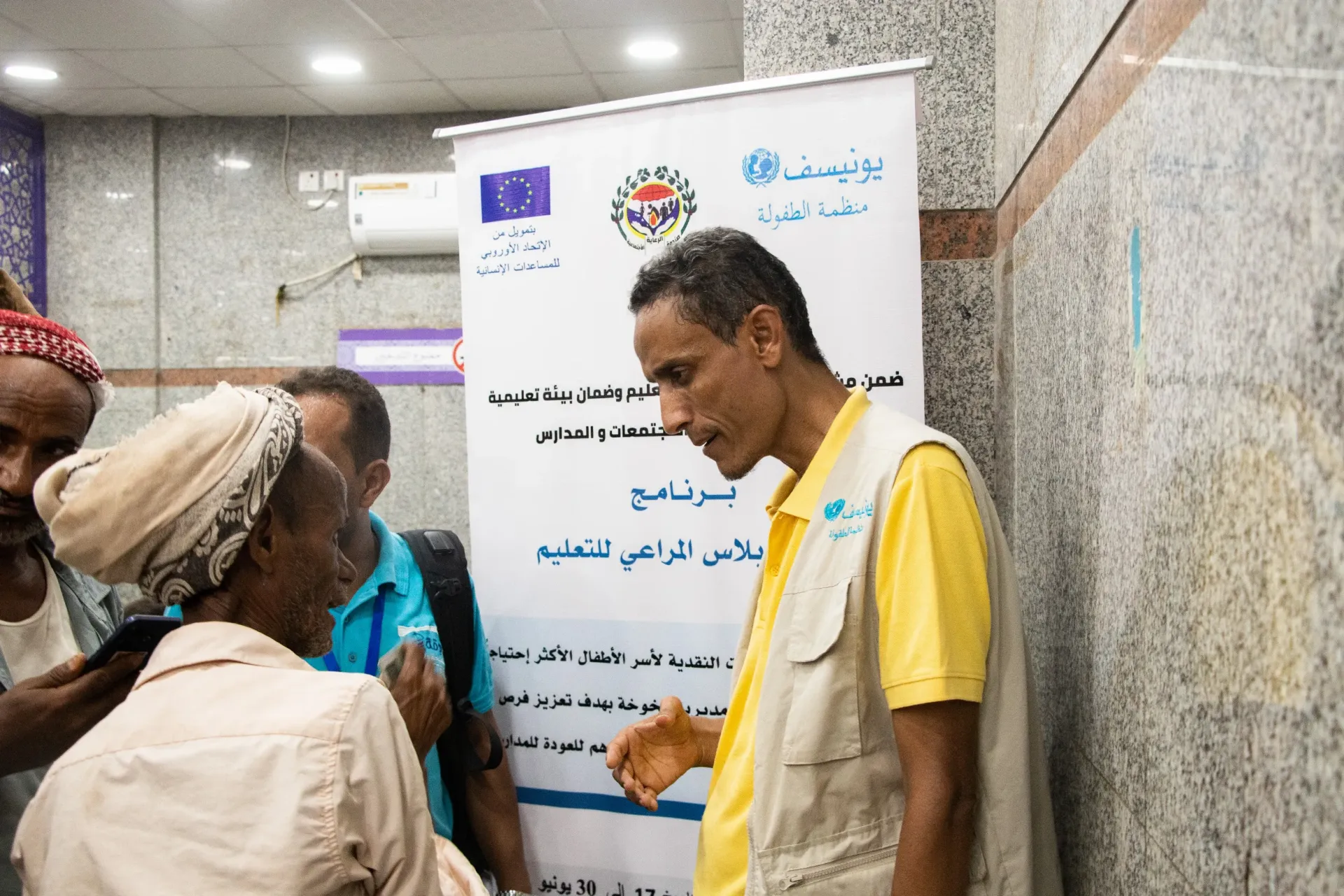
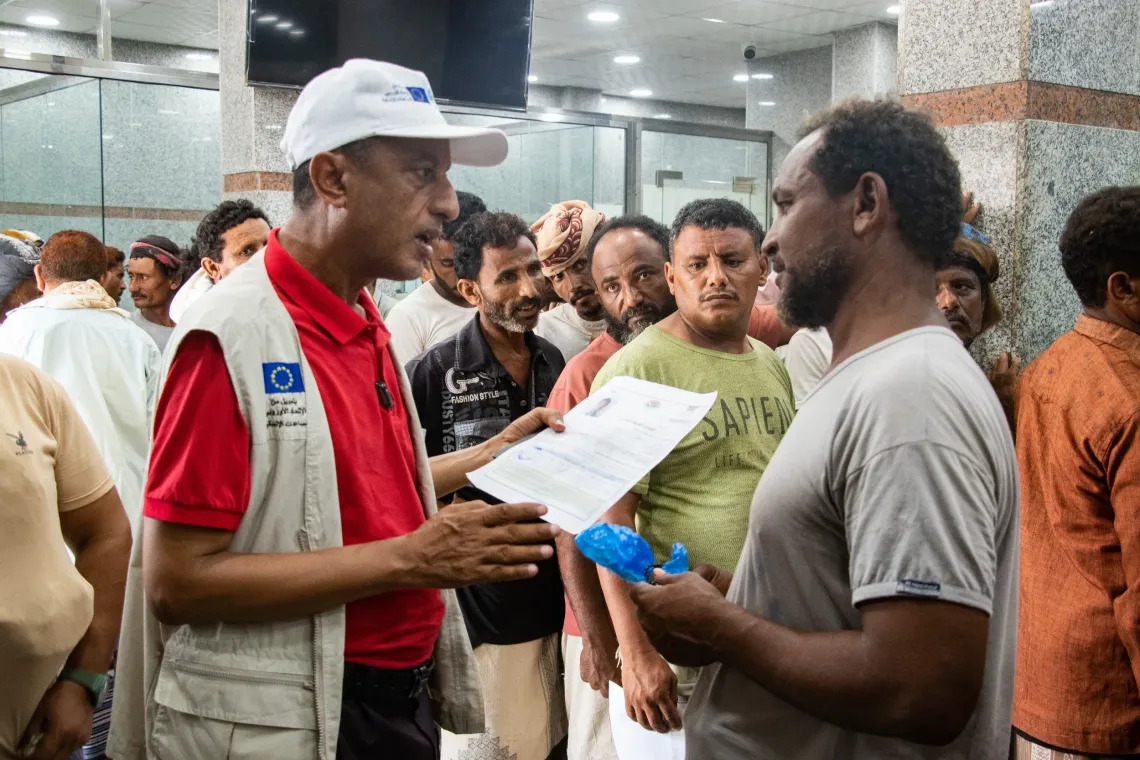
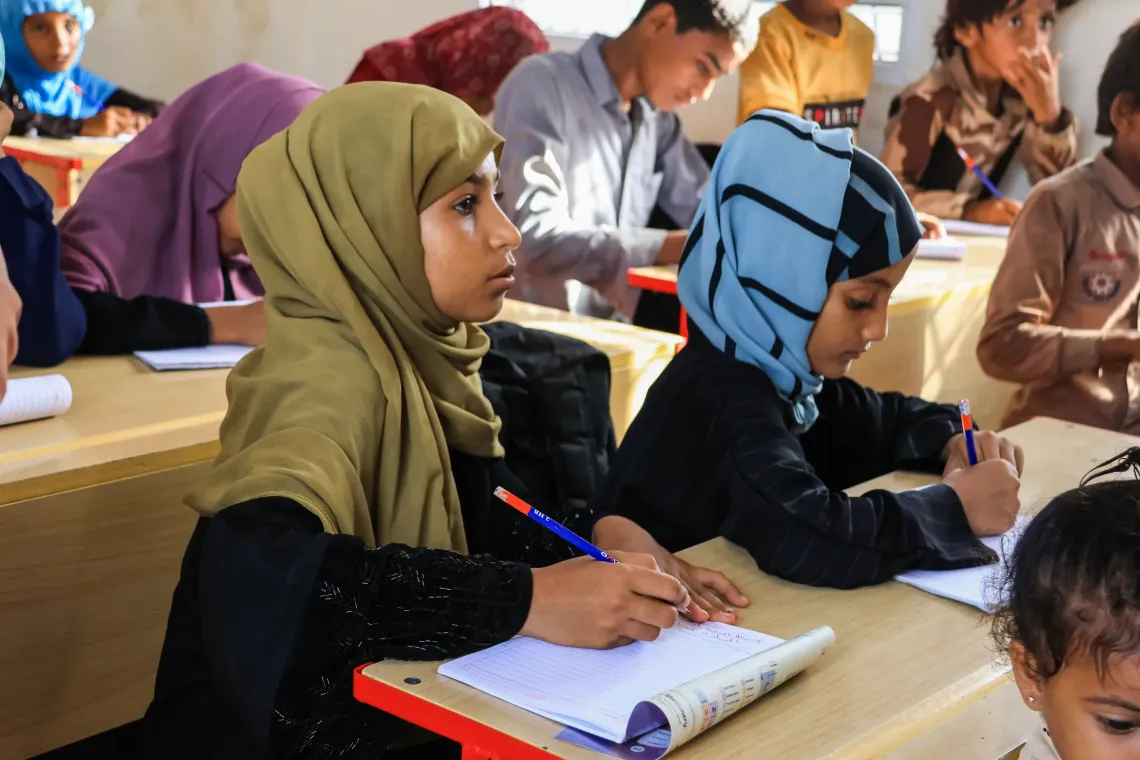
In the last two weeks of June, UNICEF carried out the first of two payments cycles to1967 vulnerable families in Khawkha, Hudaydah. This support is part of the Cash Plus component within a wider education programme implemented by UNICEF with support from European Civil Protection and Humanitarian Aid Operations (ECHO).The programme aims to improve access to learning opportunities for the most vulnerable girls and boys in Khawkha, Hudaydah particularly those who are at risk of dropping out of school or those who are already out of school.
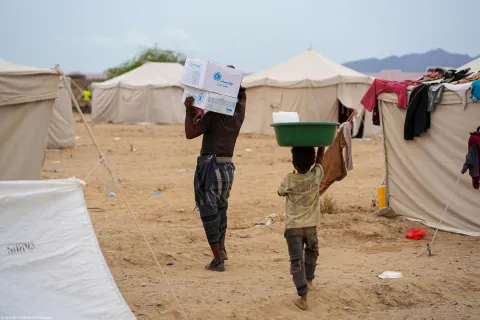
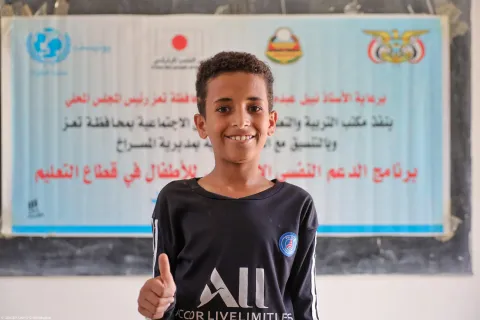
The 10-month programme is designed to support 10,250 vulnerable children by improving educational outcomes through a comprehensive package of interventions. These include remedial education, alternative learning pathways, back-to-school campaigns, and Social and Behaviour Change (SBC) activities to promote enrolment and retention. The programme also includes school rehabilitation, teacher training, distribution of school supplies and bags, as well as social and child protection services complemented by targeted cash assistance to help families overcome financial barriers to education.
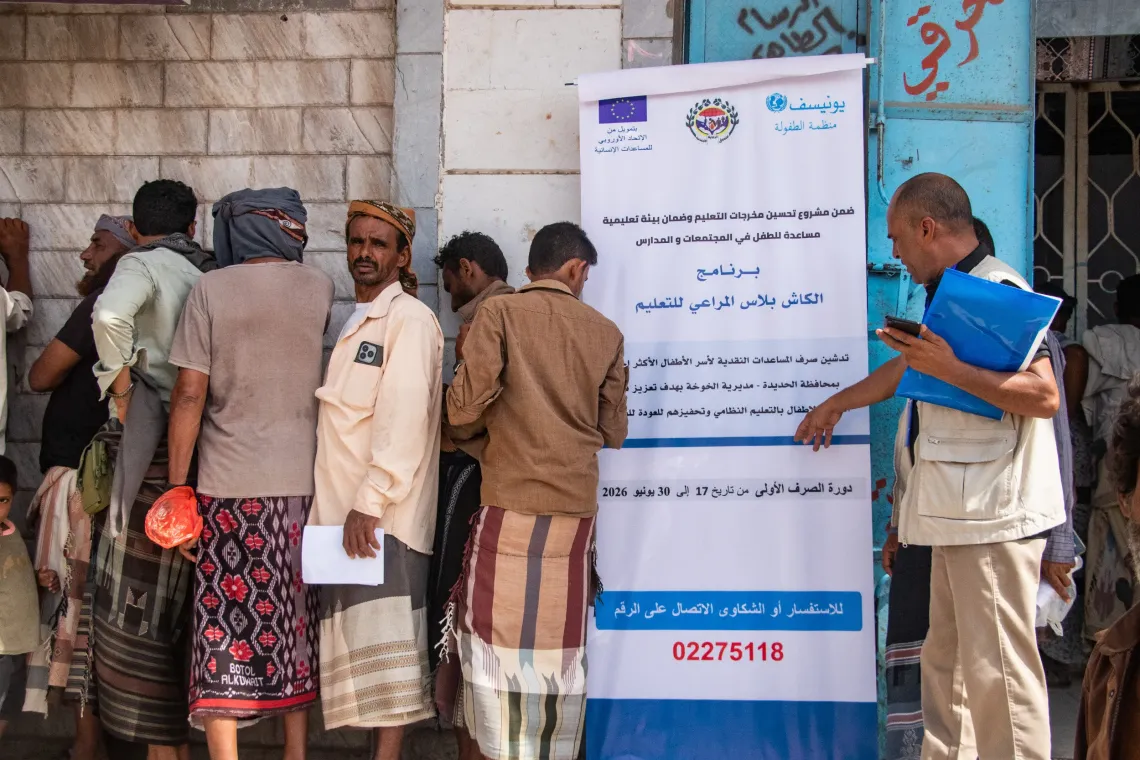
“This aid will alleviate some of the burden on me as a father. It will help me provide the basic needs for my children."
Comprehensive approach
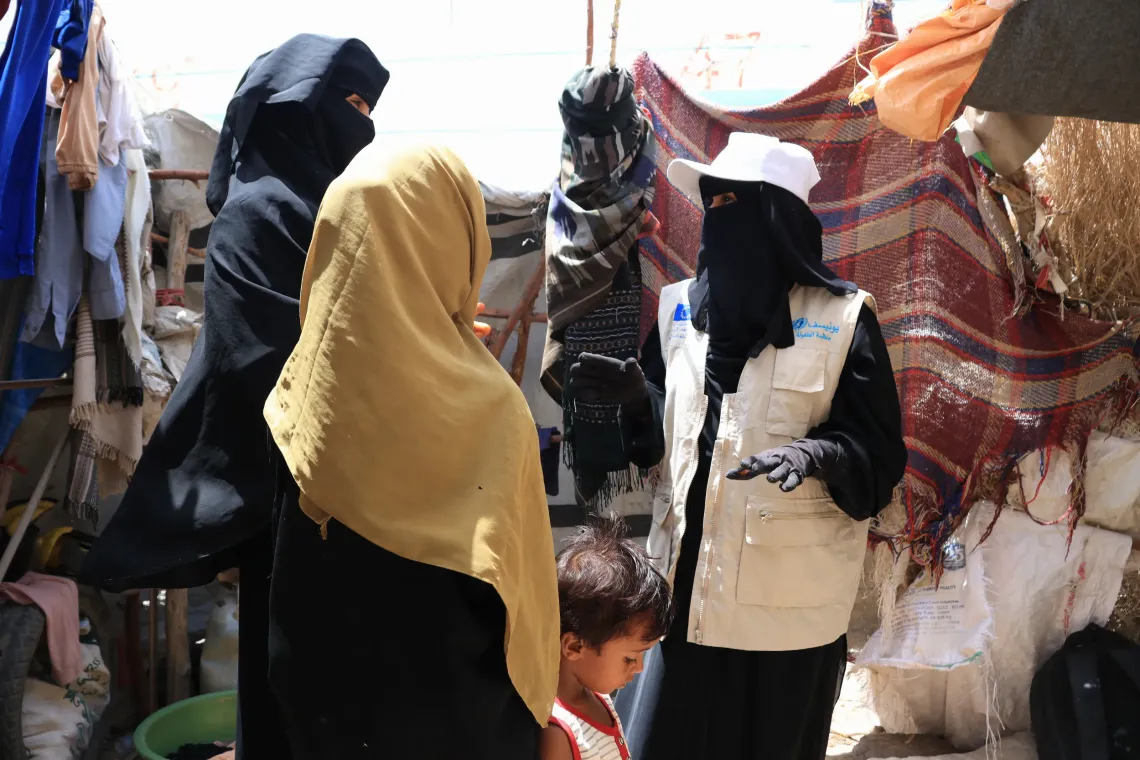
The Cash-Plus combines cash assistance with a “plus” package, delivered through tailored case management, referrals, and social and behaviour change activities. All targeted households with their family members will benefit from the plus component aimed at promoting children’s retention and enrolment in education, while also improving their access to social and complementary services. As part of the plus interventions, SWF social workers sensitize families on the importance of education for children and deliver social behavior change (SBC) messages on education, child protection and health and nutrition.
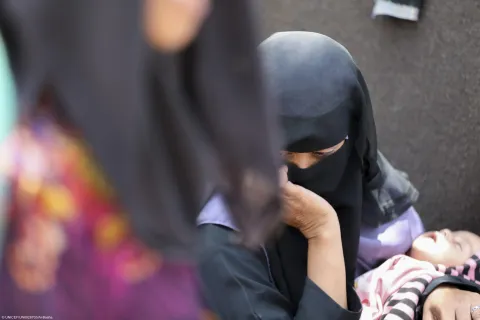
To prioritize, verify and select the most vulnerable families whose children were out of school or at risk of dropping out, focusing exclusively on children/students who had already been identified by UNICEF's education counterparts , a vulnerability assessment, verification, and registration were conducted between April and May 2026. These processes identified the most vulnerable families whose children are out of school or at risk of dropping out due to financial pressures, including families like Ritaj’s.
Second cycle
The second payment cycle will take place before the school year starts in September, and it will be directed towards 2100 families in total; the 1967 families who received the cash support in the first payment cycle, in addition to another 133 new families, who will have first graders joining school for the first time in their lives.
For many parents, assistance helps cover the basic needs.
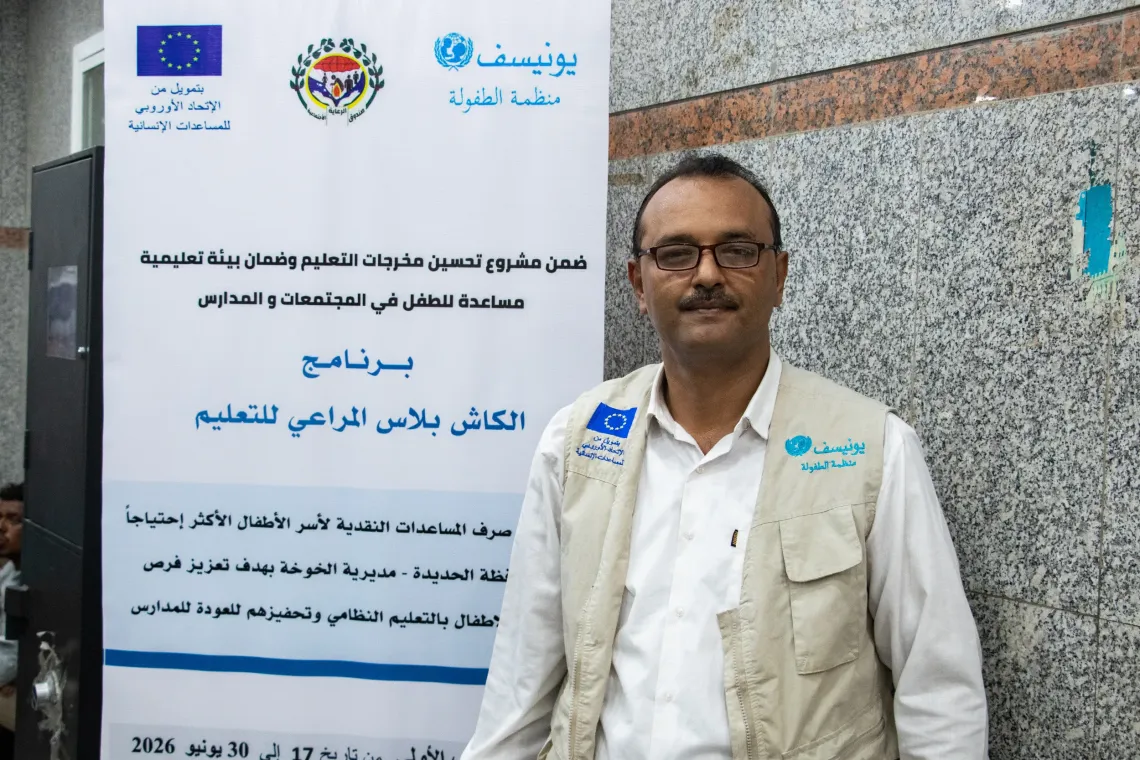
Ali Nasser is among those striving to keep their children in school despite difficult living conditions. “I sometimes go out to sea for work, but what I earn from fishing only covers a small part of our expenses and the cost of going out to sea. This assistance helps fill some of the gaps. With this money, I can provide the necessary materials like clothes, notebooks and stationery for my children,” says Ali, a fisherman from Khawkha.
Complaint mechanism
UNICEF Yemen has a Complaints and Feedback Management system that is accessible to targeted communities, to raise inquiries, submit complaints or grievances, and provide feedback. A Call Centre is housed at UNICEF premises in Aden, with a dedicated telephone number (02275118) accessible for communities to provide their feedback, this includes a dedicated email address ([email protected]) and WhatsApp Business channel (+967 718 660 069) which supports the secure collection of grievances.