Guiding Back to Class
How Social Workers Transform Children’s Futures
- English
- العربية
This UNICEF ongoing programme, supported by the European Civil Protection and Humanitarian Aid (ECHO), aims at providing learning opportunities for the most vulnerable children in the coastal town of Khawkha, Hudaydah governorate, Yemen. This story highlights how two social and child protection workers within this programme managed to improve school enrolment for two children.
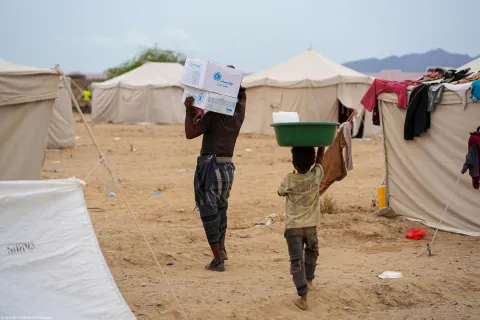
Years of conflict and economic hardship in Yemen have forced vulnerable families into difficult choices, often pulling children out of school to help support their households. In Al Khawkha district, many girls and boys face the risk of dropping out entirely as they take on heavy chores or labor in the fields, losing their childhoods to adult responsibilities.
This was the reality for 12-year-old Ritaj and 10-year-old Abdullah, whose futures were nearly derailed by the harsh pressures of survival.
Shared Struggles Under Different Burdens
Mornings for both children were unrelated to school. Instead, they were filled with exhausting work.
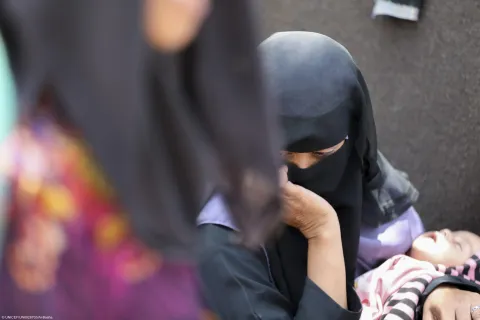
For Ritaj, a fourth-grader, the challenge was a never-ending cycle of household chores. "Every day, she would wake up early just to cope with the chores," recalls her mother, Awsaf. "She collected firewood, fetched water, cooked, and cleaned. She took on a large share of our household work."
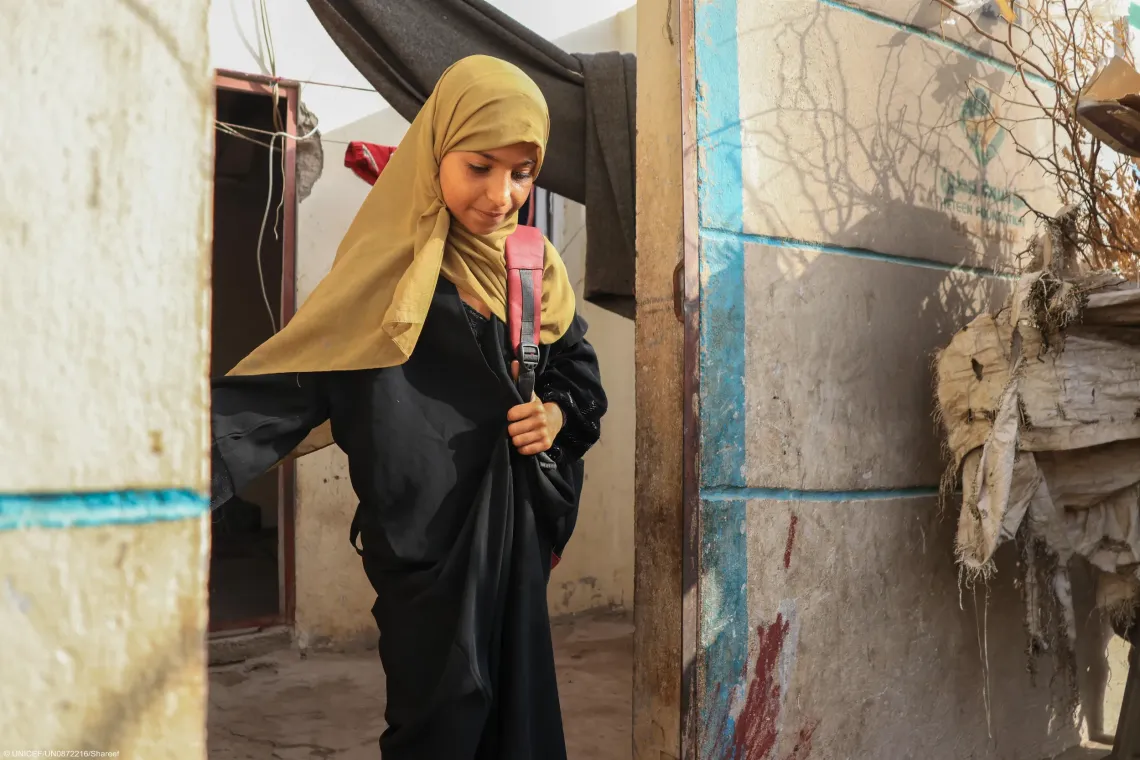
The stress became so intense that Awsaf seriously thought about taking her daughter out of school for good. Meanwhile, Abdullah, a second-grader at Al-Nahda School, faced the harsh realities of agricultural work. Overwhelmed by economic hardship, his father, Saleh, felt he had no choice but to take his young son into the fields. "Because of our hard living conditions, I had to make Abdullah work with me, farming, planting, and watering," Saleh explains. "That is why he was always late."
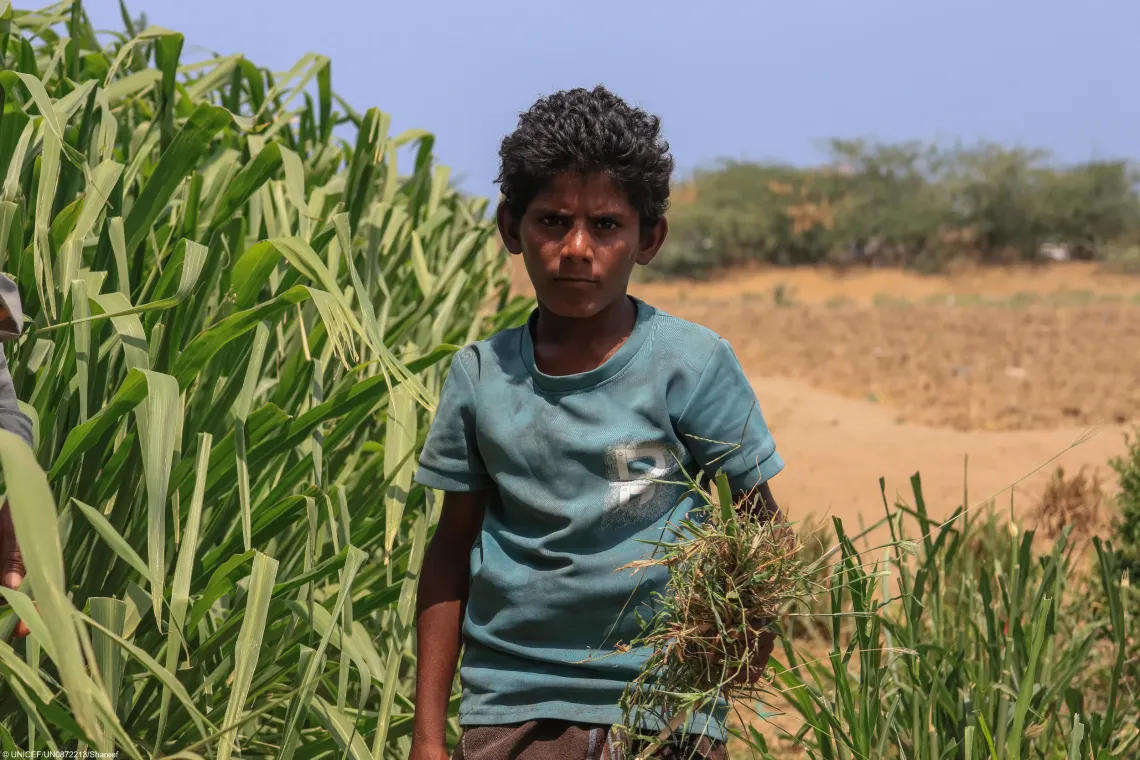
The physical strain left Abdullah too tired to focus. "I would get so exhausted that I couldn't study properly," Abdullah says.
A Unified Path to Change
Through the UNICEF & European Union supported programme social workers engaged with families by providing awareness, guidance, and psychosocial support. This helped strengthen understanding of the importance of education, encouraged positive change at home, and supported the children’s return to school and continued learning.
In Ritaj’s case, a case worker named Samra met with her mother, Awsaf.
"Samra showed me how important education is for a child's future. She helped me learn how to manage and balance my daughter's duties so she could stay in school,” Awsaf says. Together, they both created a realistic schedule that protected Ritaj's study time. “We were able to communicate with her family and convince both her father and mother of the importance of supporting her education.” Samra says.
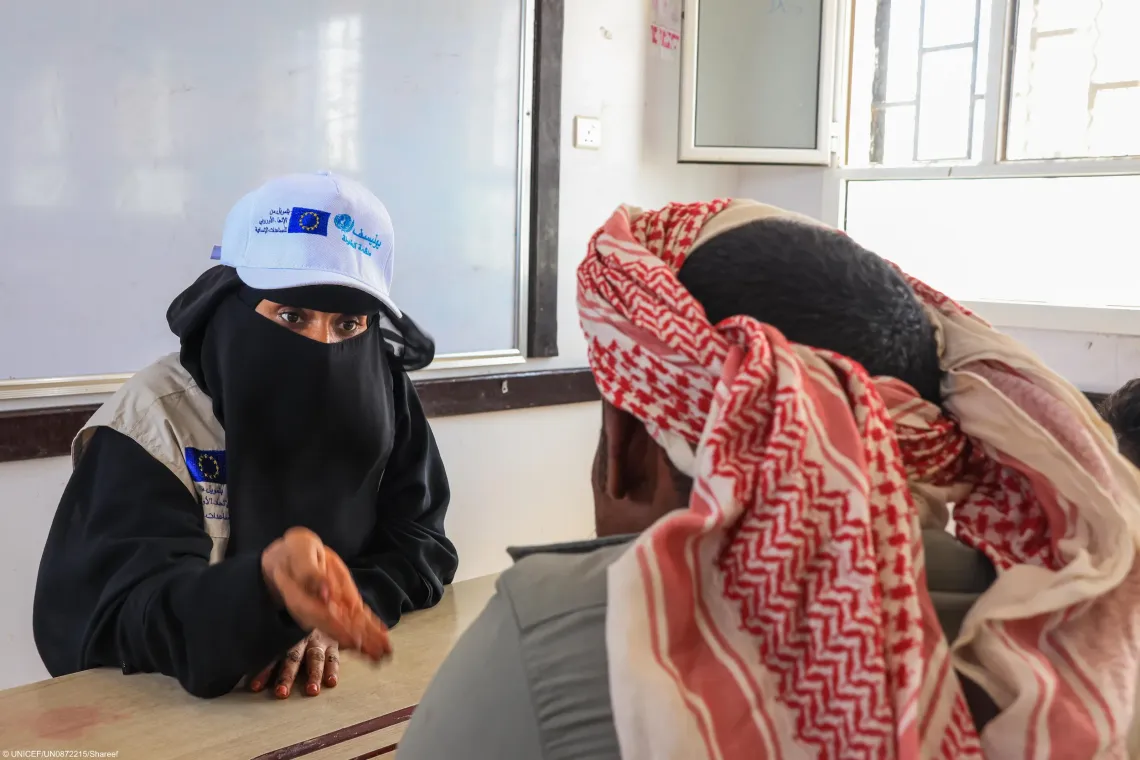
For Abdullah, the change began when Nahed, a worker at Al-Nahda School, noticed he was drifting away. "I couldn't stop thinking about Abdullah, this little child carrying such heavy responsibilities so early in life," Nahed says. "I knew we had to help him before he dropped out completely."
Nahed and the Child Protection team started regular support sessions with Abdullah’s father: Saleh. "His mindset really changed," Nahed recalls. "We talked about why child labor isn't right at his age, and why education should come first. We agreed he should focus on school and only help with light chores afterward." They also stressed that every child, regardless of gender or circumstance, has the right to learn.
Restored Futures and Big Dreams
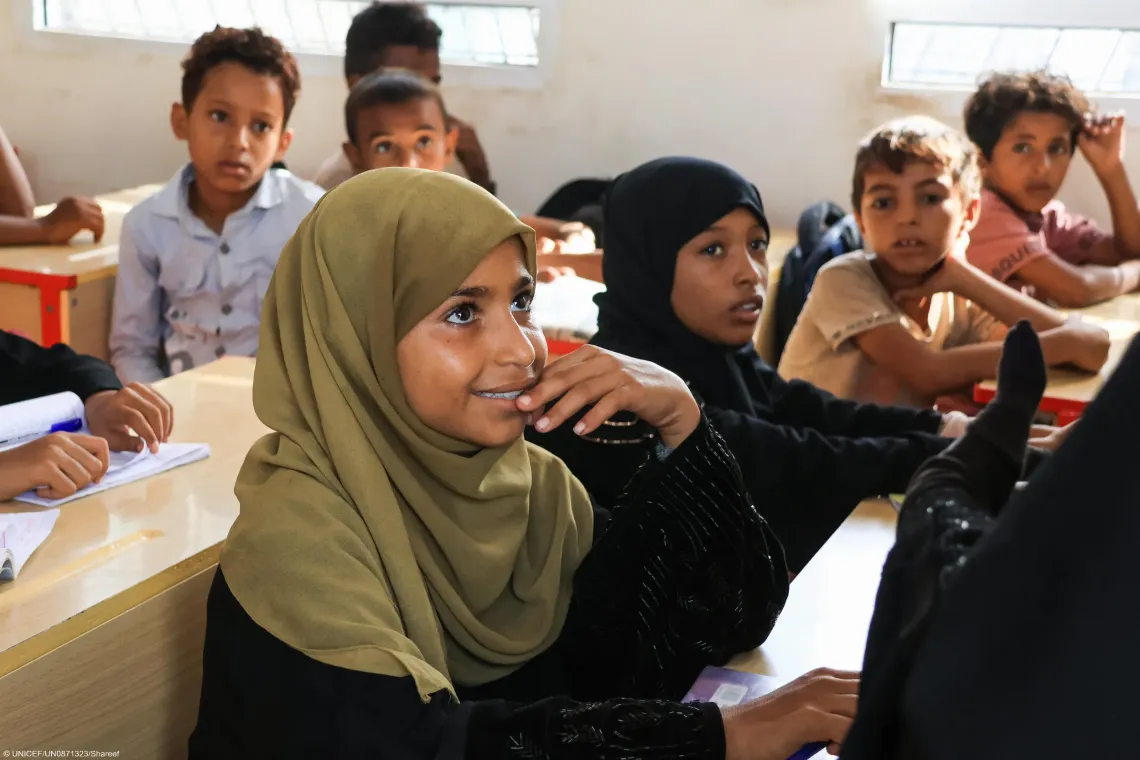
Once the parents accepted this balance, the change was almost immediate. Both children's attendance improved, and their motivation returned. "Today, I see a completely different Ritaj," her mother says happily. "She is joyful, confident, and focused." Thriving in her classes again, Ritaj now has a clear ambition: "My dream is to become a dentist," she says proudly.
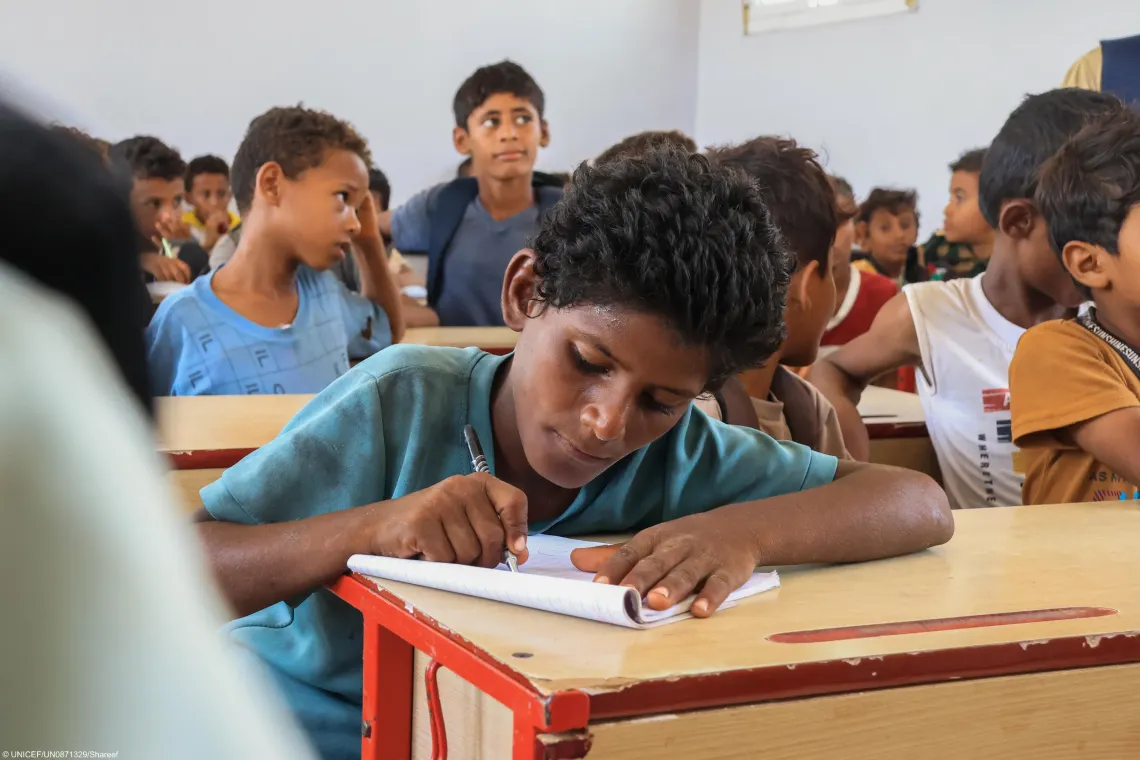
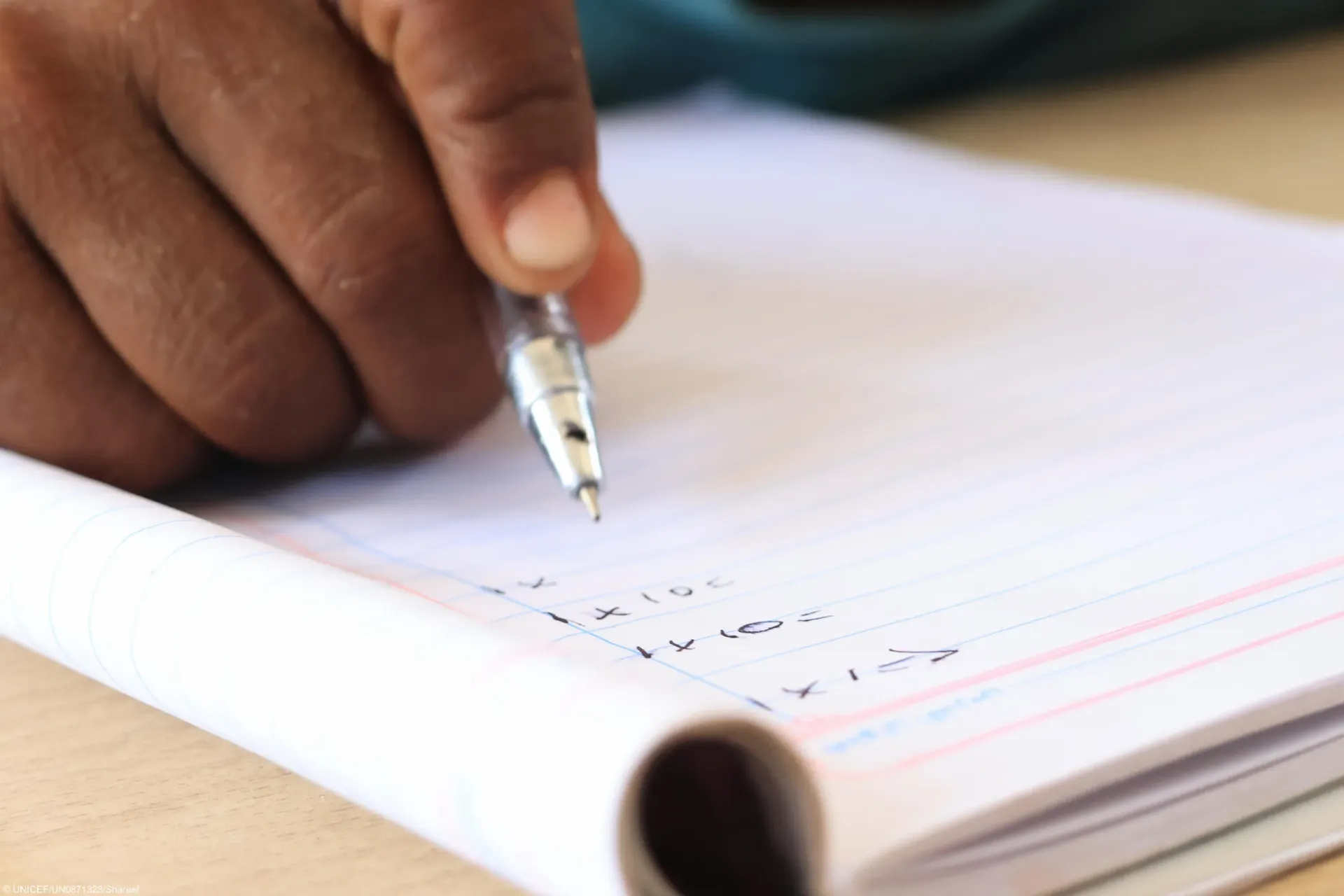
Abdullah’s change has been equally remarkable. He now arrives early every day. "He is so much more active and motivated now," Saleh says with pride. Freed from heavy fieldwork, Abdullah can finally focus on being a student. "I love studying and I want to keep learning. I want to become a doctor.”
Building a Safer Community
By working closely with families and local schools, the project addresses the root causes of school dropout rates. "Our goal is to keep vulnerable children in the classroom, give them the support they need, and allow them to grow up in a safe environment," explains Amin, the project’s Data Entry Officer.
Through specific case management, psychological support, and emergency help, the case management component of the programme will assist 360 children facing serious protection risks stay in school. Along with these individual interventions, the project adds mental health support and education on explosive ordnance risks directly into schools, ensuring that local children can learn, play, and dream in a truly supportive environment.
An Integrated Multi-Sectoral Approach to School Readiness and Retention
During the summer months (June- August), the integrated education program supported by the European Union ensures that vulnerable children do not simply wait for the next school year to begin. Through remedial classes, psychosocial support, summer camps, community engagement, and cash assistance, children like Ritaj and Abdullah maintain their learning, strengthen their wellbeing, and receive the support needed to successfully transition into the new school year.
By September, children return to school not just ready, but empowered to learn, engage, and thrive as they continue their educational journey.
This 10-month-UNICEF ongoing programme, supported by the European Union aims at providing learning opportunities for 10,250 children in the costal town of Khawkha, Hudaydah governorate, Yemen, through remedial education and alternative learning pathways, social and child protection services, back-to-school and social behavior change (SBC) activities to promote child enrollment and retention, rehabilitation of schools, teachers training, school items and school bags distribution.