

UNICEF with India 75
Marking 75 years of working with Government of India for furthering the rights of every child
- English
- हिंदी
UNICEF marks 75 years of its existence in India.
Over the last seven and a half decades, UNICEF in India has been active in development and humanitarian response to support the Government of India toward realizing children’s rights to life, health, safety, and well-being.
UNICEF celebrates its partnership with India, a strong foundation that has nurtured children and their health. From helping set up the first-ever penicillin plant in India to providing crucial technical support to Amul, we have travelled together hand in hand.
We partnered with the Government to install the MARK series of handpumps and usher in the country's water revolution.
Working together with the Government, partners, and front-line health workers, we supported the eradication of smallpox and polio in India, from 200,000 polio cases in the 1980s to zero cases in 2012.
We worked closely with the Government of India to ensure every child had the right to education. We supported the India Newborn Action Plan and the Beti Bachao, Beti Padhao campaign.
We were proud partners in the Honourable Prime Minister’s vision of the Swachh Bharat Mission and helped India achieve its vision of becoming Open Defecation-Free. And we stood hand in hand with the government of India in the fight against COVID-19.
More than ever before, we must work harder to fulfil the dream we collectively saw 75 years ago for all children in India.
Our history says together, we can do anything that we set our minds to. Join us in making this dream come true where every child has a healthy, safe, and bright future - a future free of disease, violence and exploitation.
We will not rest – our journey has just begun. Together, let us reimagine a fair world for every child.

The UNICEF@75 logo represents a dancing child in the colours of the UNICEF brand's secondary palette. The child is dancing to represent the joy at the improvement in the quality of life for children over the past 75 years.
The child is created in fluid and mobile lines, representing the agility with which UNICEF responds to the needs of children in various situations across the country and the world.
Video Stories of 75 years of UNICEF with India
Stories of 75 years of UNICEF with India
Giving Girls Safe Spaces To Fly
More than an award, BSVP is driving change in over 60,000 Bihar schools—measuring toilets, water, hygiene, and safe spaces like Saheli Kaksh.
Dastak: Mamta’s “Knock” on every door, For every child in Uttar Pradesh
How a village ASHA worker and a campaign transformed Gorakhpur from despair to hope
Aarambh: The Joyful Beginnings of Life
Aarambh in Maharashtra supports children’s first steps with early learning, play, nutrition, and health—UNICEF stands as a proud partner.
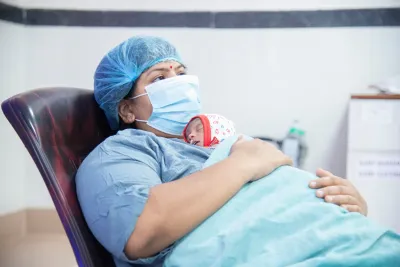
Special Newborn Care Unit: Breath of Hope
More than 1,000 Special Newborn Care Units (SNCU) across India save vulnerable newborns’ lives and bring hope to parents
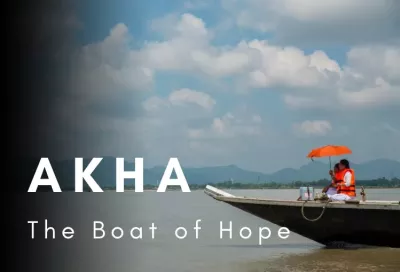
Akha: The Boat of Hope
Across the difficult riverine islands in Assam, ingenious Solar Direct-Drive Refrigeration (SD-DR) units at the Boat Clinic have changed how health workers like Nirupoma deliver immunization services.
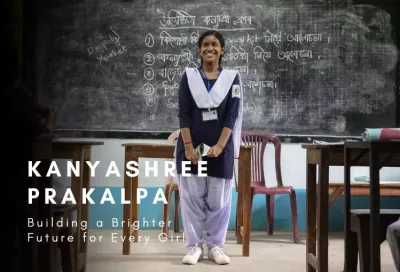
Kanyashree Prakalpa: Building a Brighter Future for Every Girl in West Bengal
From resilience to opportunity—Bina, Meena, Riya, and Shatabdi reflect the transformative power of Kanyashree Prakalpa.
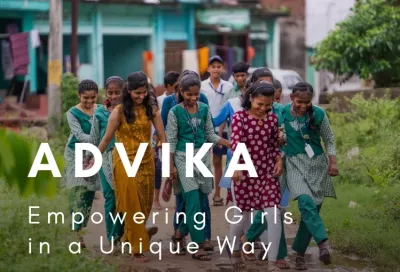
Advika – Empowering Girls in a Unique Way
Children, youth, parents, community member and government officials come together with UNICEF to end child marriage in Odisha
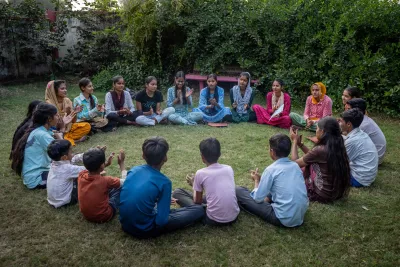
Empowering Children through Child-Friendly Panchayats in Rajasthan
Through Bal Panchayats and Sabhas, children aged 10–18 are leading change—fighting child marriage, pushing for education, and protecting the environment.
UNICEF with India75 Posts


UNICEF

UNICEF/UNI124761/Isaac
1940's
Basic Cooperation Agreement
The Agreement, signed on 10 May 1949, marked the beginning of the relationship between GoI and UNICEF.
India’s First Penicillin Plant
India’s first penicillin plant was set up at Pimpri in 1954. UNICEF provided equipment and technical assistance.
UNICEF
UNICEF/UN0314710
1950's
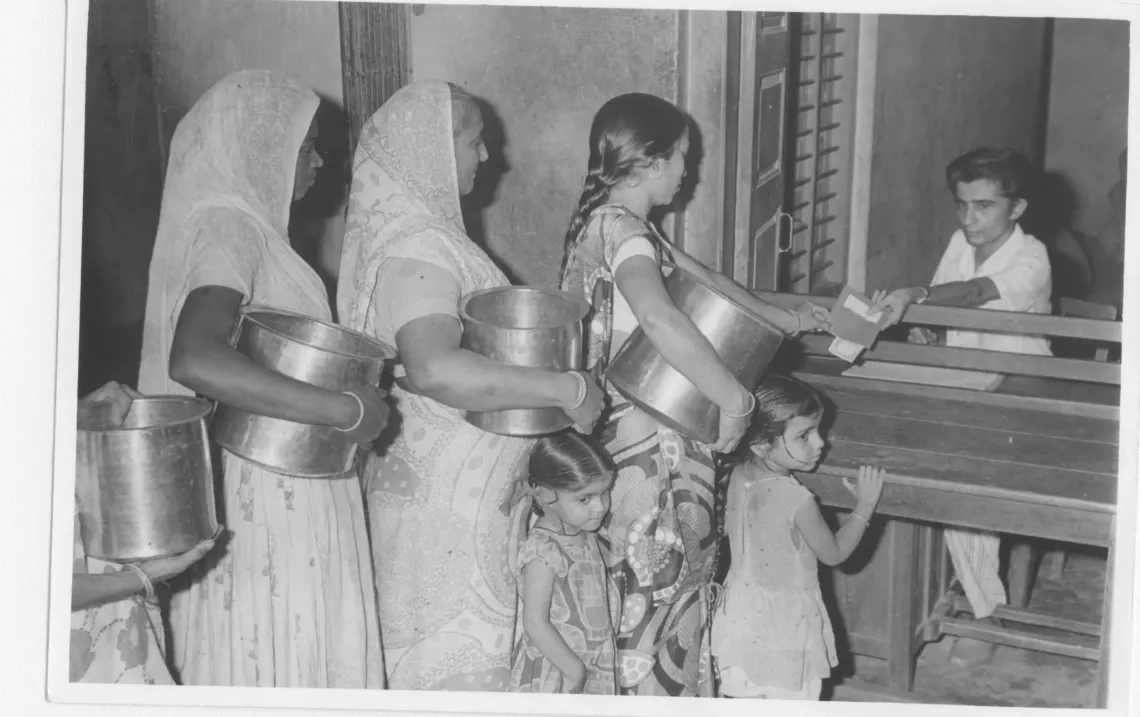
The White Revolution
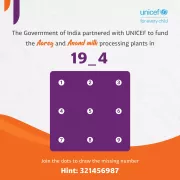
In 1954, UNICEF helped GoI set up two milk processing plants. In 10 years, India had 13 UNICEF-assisted milk processing plants.
India's first Plant to Eradicate Malaria
UNICEF provided equipment and technical assistance to set up the plant in 1954.
UNICEF
UNICEF
1960's
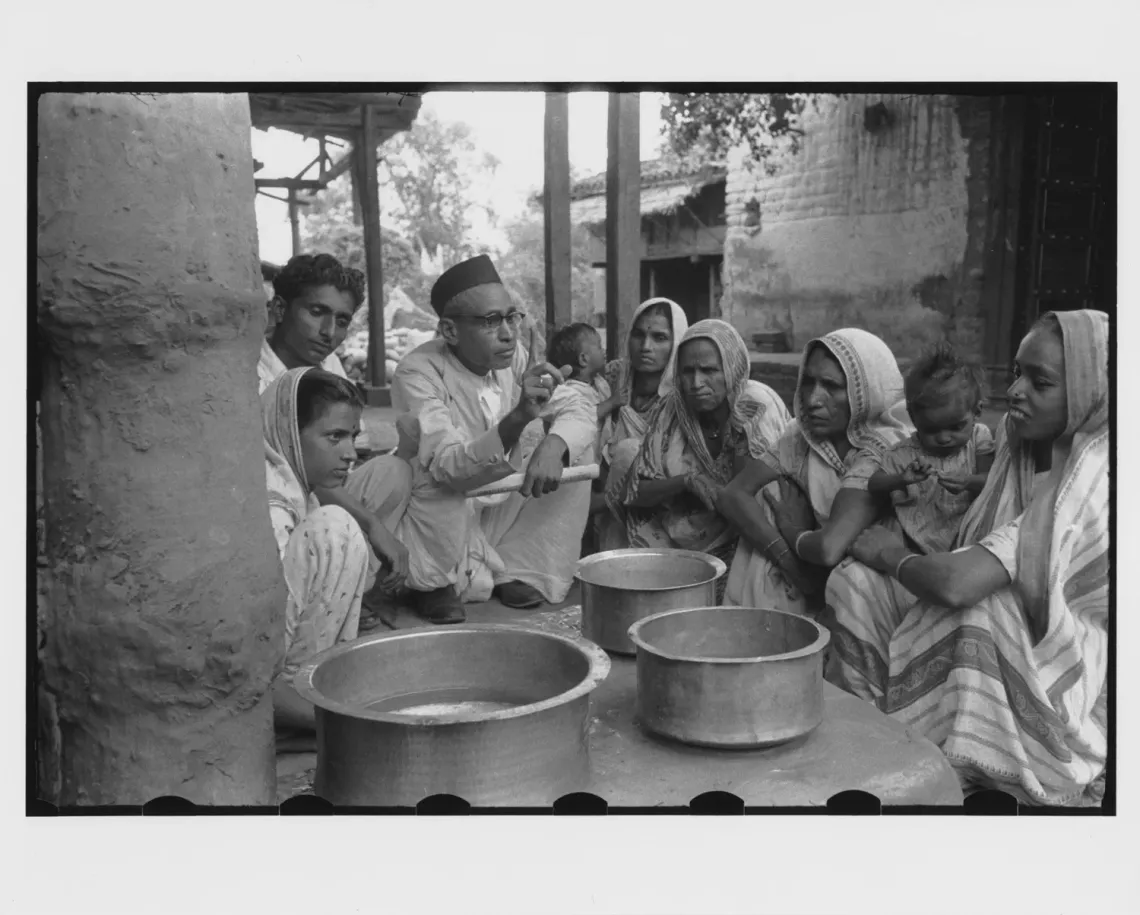
Applied Nutrition Programme With support from WHO and FAO, UNICEF worked with GoI to launch a nationwide Applied Nutrition Programme in 1963.
Bihar Drought
UNICEF supplied drilling rigs at the Prime Minister's request in 1966, aiding in the expansion of rural drinking water programmes.
UNICEF
UNICEF
1970's
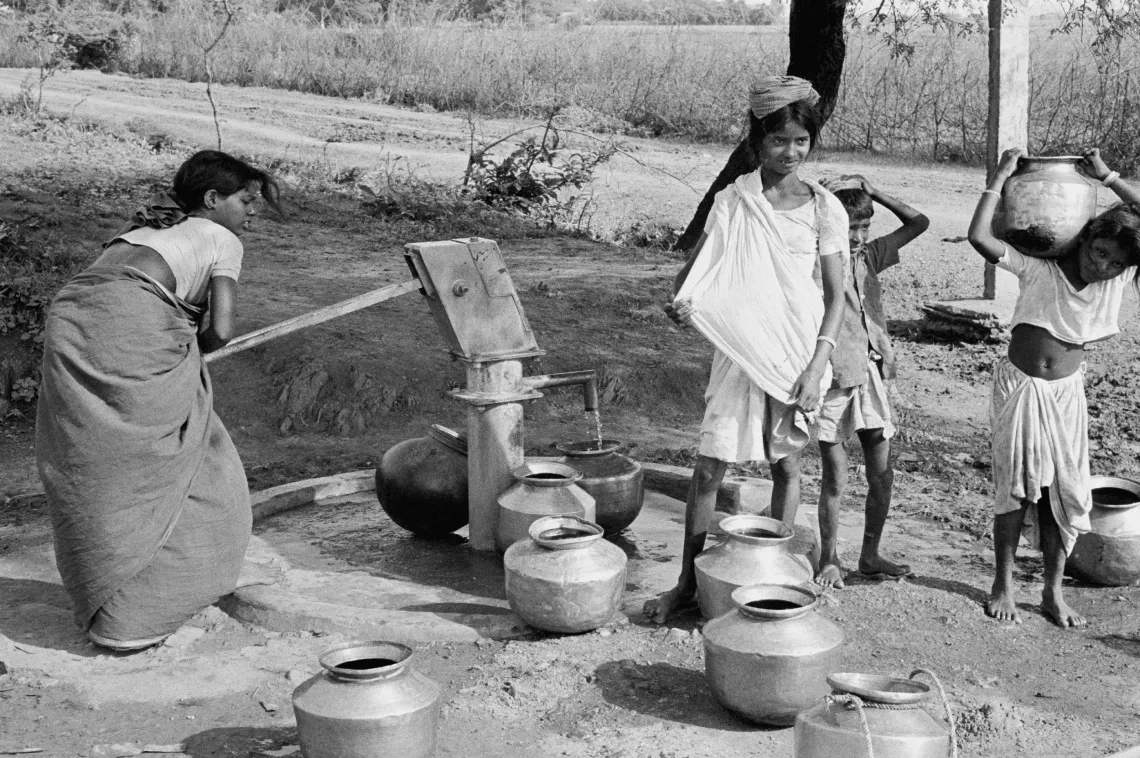
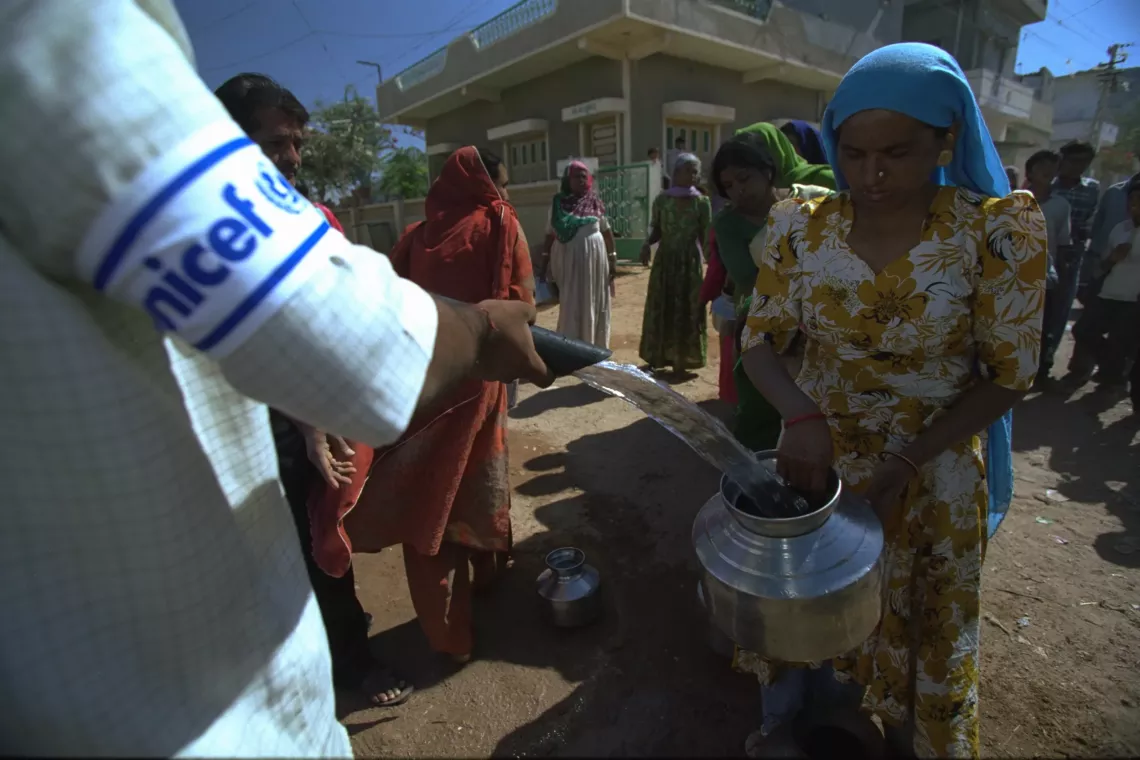
The Water Revolution
During the 1970s, India needed a strong, locally manufactured hand pump that could be easily maintained. UNICEF worked with GOI to develop the India Mark II and Mark III human-powered hand pumps.
Integrated Child Development Services
UNICEF supported the GoI in launching the ICDS scheme to improve nutrition and health for children and mothers in 1975. The scheme now reaches 100 million children.
UNICEF
UNICEF
1980's
Guinea Worm Eradication Programme
UNICEF supported India's national programme to rid the country of an agonising disease caused by guinea worms in 1983.
National Mission on Immunization
UNICEF supported Prime Minister Rajiv Gandhi's National Mission on Immunization in 1985. At the end of 1990, India's immunization coverage for children under1 had surpassed 80 per cent.
UNICEF
UNICEF/UNI70242/Das
1990s
Iodine Deficiency Disorder
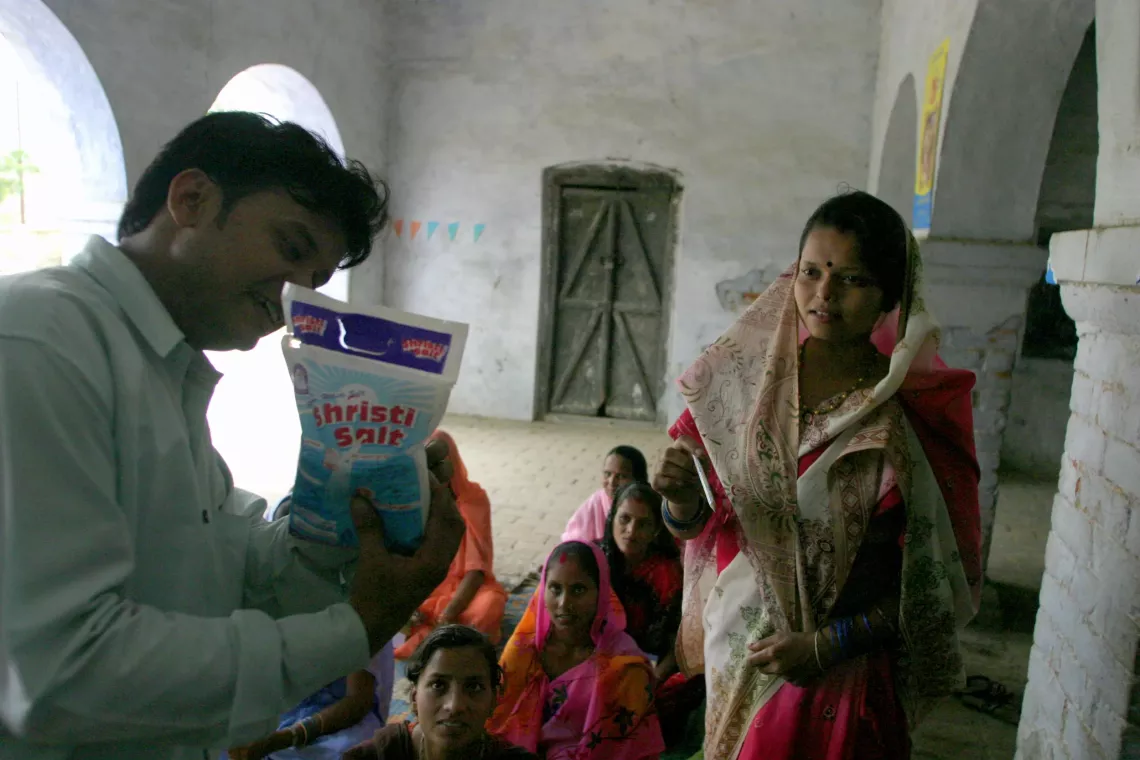
Since the 1990s, GoI, UNICEF, other UN agencies, and NGOs have been working together to promote Iodised salt as best way to prevent Iodine Deficiency Disorders.
Women Handpump mechanic
A UNICEF-supported project launched in 1992 aimed at building the capacity of women handpump mechanics and helping them do skilled and heavy labour work. It helped break many glass ceilings.
UNICEF
UNICEF
2000s
Gujarat Earthquake
UNICEF efforts were aimed at revitalising the education system with modern learning tools and methodologies devastated by 2001 earthquake.
The Right to Education Act
UNICEF worked with the Government and civil society to enact the RTE Act 2009, which ensured children's right to free and compulsory education.
UNICEF
UNICEF
2010s
Polio Campaign
There were 200,000 polio cases per year in 1988, but there were zero in 2012. Thanks to a massive vaccination campaign formulated by the GoI, UNICEF, and partners.
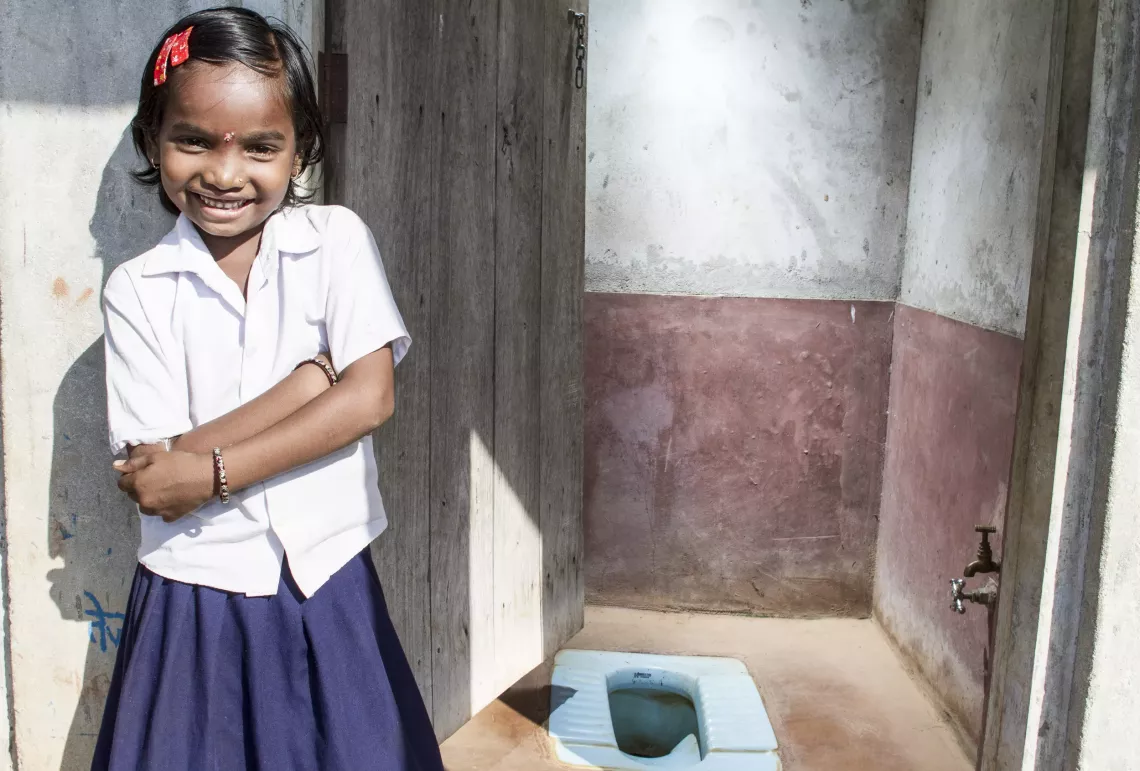
The Swachh Bharat Mission (SBM)
By 2019, SBM had provided 105 million household toilets, providing access to 525 million people. UNICEF is proud partner of the SBM.
UNICEF
UNICEF
2020-2021
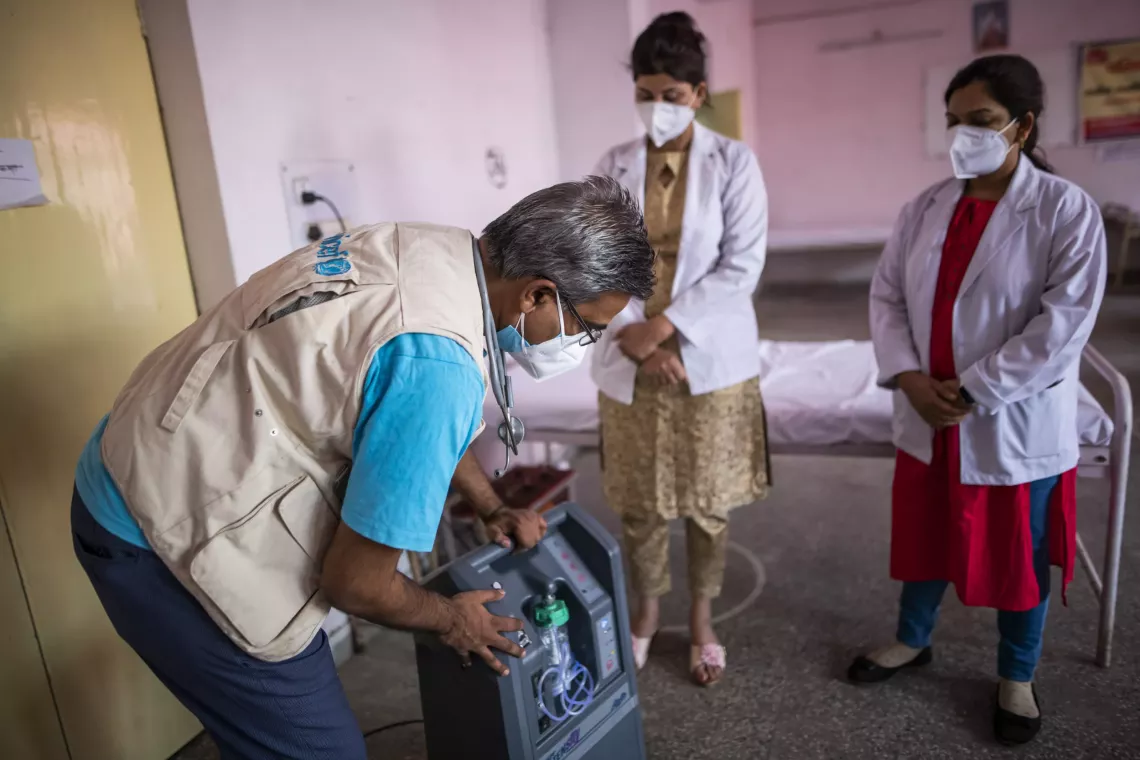
Fighting COVID-19 pandemic
The COVID-19 pandemic impacted children and young people at an unprecedented scale. UNICEF remained committed to supporting the Government in reaching communities with life-saving supplies and services, especially during the pandemic.