Aarambh: The Joyful Beginnings of Life
Aarambh programme in Maharashtra signifies the early beginnings of life, the crucial first steps through early learning, nutrition, play, and health support. UNICEF is a proud partner of the programme.
- English
- हिंदी
The first 1000 days of life are critical for every child's development and are foundational to their future growth and well-being. A caring, nurturing, protective environment and emotional and cognitive support are vital to a child's early development.
The Aarambh programme in Maharashtra signifies the early beginnings of life, the crucial first steps through early learning, nutrition, play, and health support. UNICEF is a proud partner of the programme, which continues to symbolize the joyful beginnings of life for more than 125 million people in Maharashtra.
Launched by UNICEF and the Mahatma Gandhi Institute of Medical Sciences (MGIMS) in Aurangabad and Yavatmal, Aarambh is now the flagship initiative under the Department of Women and Child Development for Maharashtra.
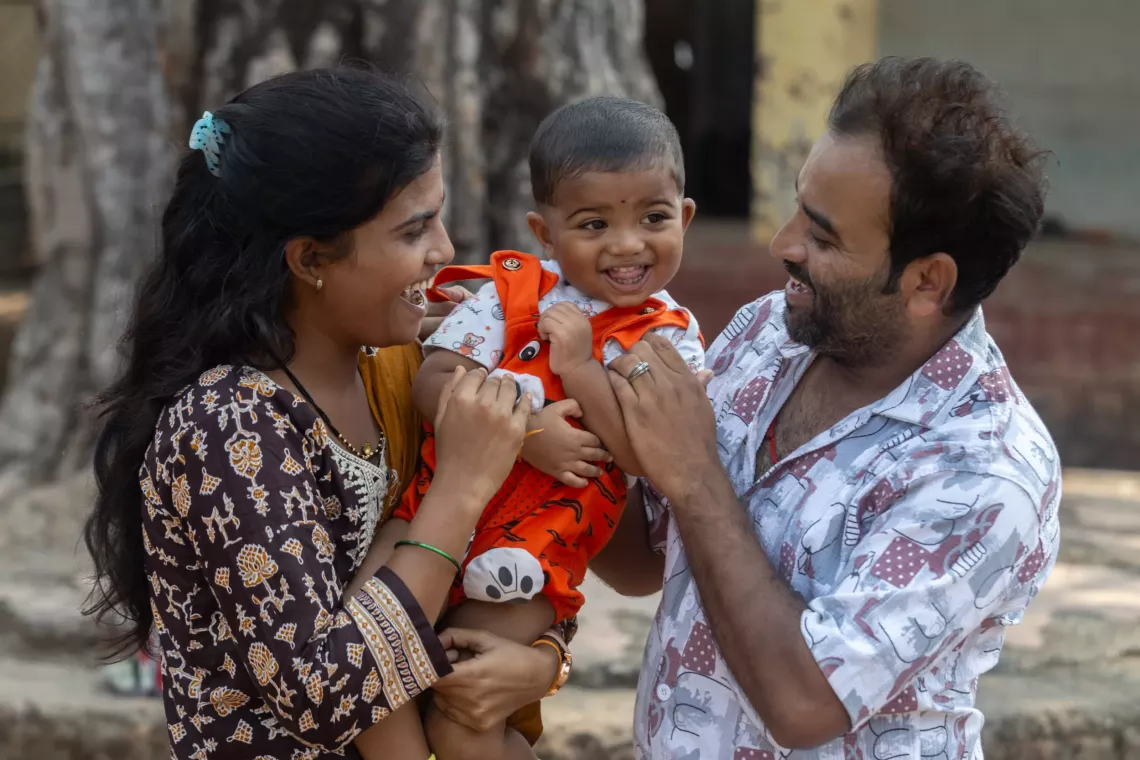
The first critical 1000 days of life
Aarambh endorses the concept of the first 1000 days and has shifted the focus from only nutrition to understanding that feeding and caring practices are vital, along with nutrition. Aarambh encourages caregivers to recognise the significance of these early moments and invest quality time in their children through impactful yet straightforward actions, talking, singing, playing, and responding to their needs.
"Aarambh programme is built on the philosophy that early moments matter, and the programme has shifted the narrative from 'How many are malnourished?' to 'How well are your children doing?' And that has been the game-changer in the entire programming approach," says Rajalakshmi Nair, UNICEF Nutrition Specialist.
Aarambh's approach to early childhood development stems from families' aspirations - the belief that we can give our children the best possible start. It's really about the simple but powerful acts of caring for and interacting with children," adds Rajalakshmi.
Anganwadi Workers—The Bedrock of Aarmbh Programme
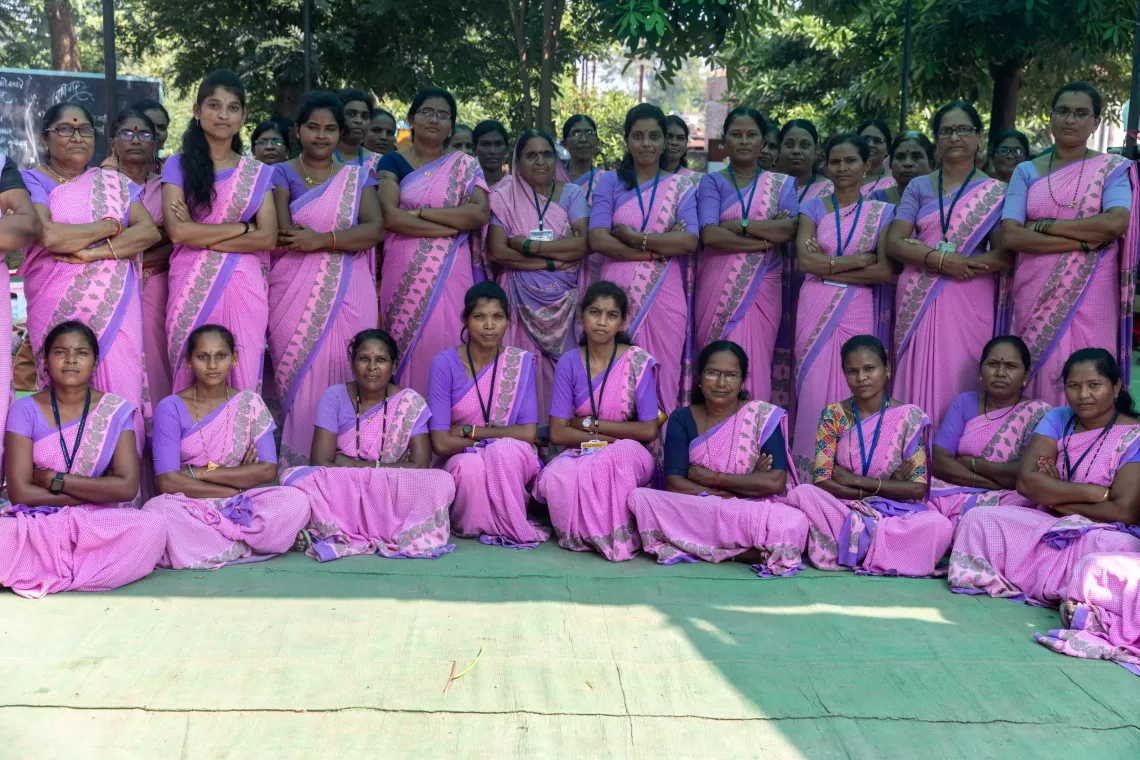
On the strong shoulders of 117000 anganwadi workers and 2850 supervisors, the Aarambh programme fosters a supportive network to assist parents in nurturing care.
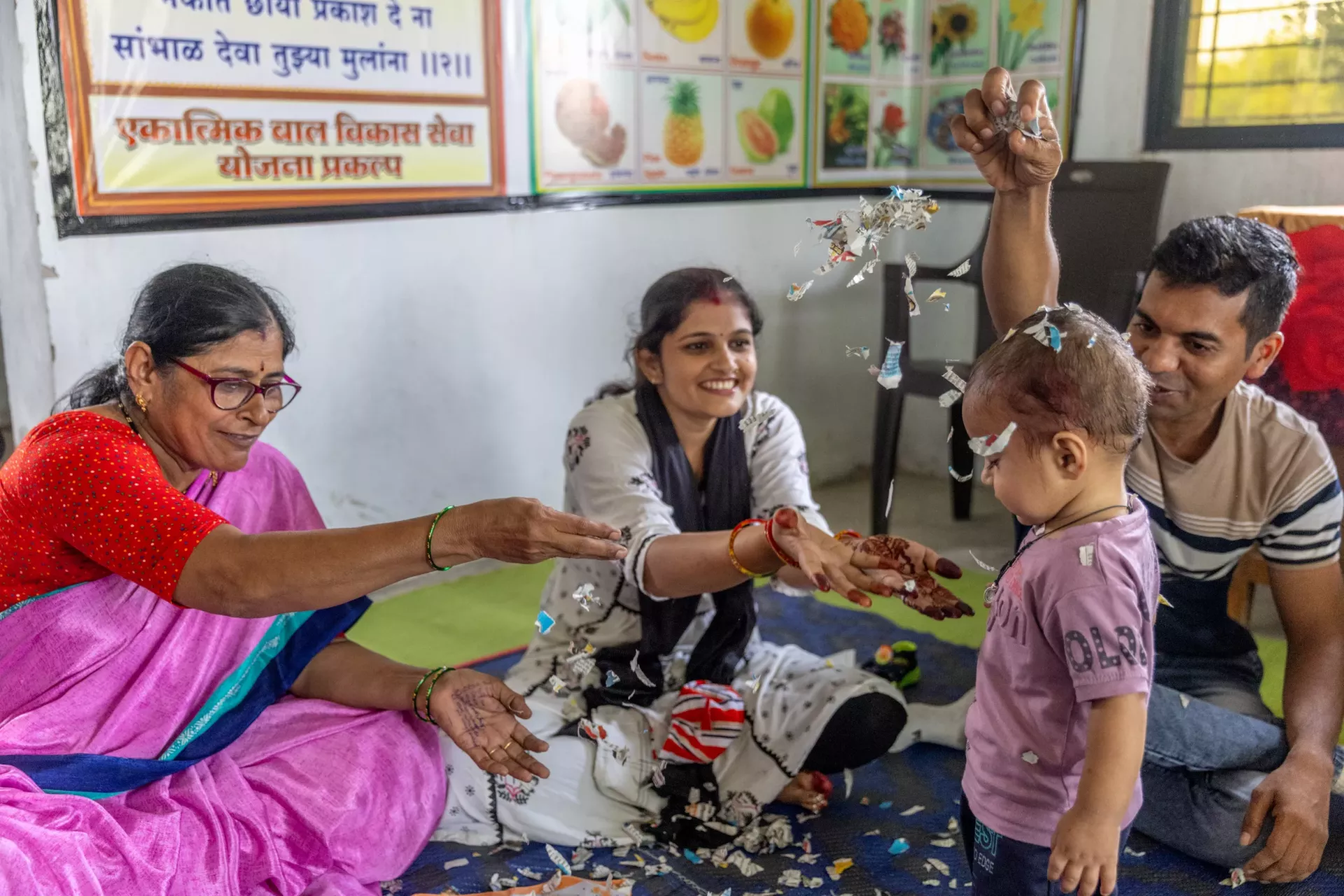
The Anganwadi workers conduct regular home visits, parents meet, also called Palakh Sabhas and monthly Palakh Mela Parents Fair) teaching families and communities to use play and interaction to enhance children's emotional and cognitive development.
"We use games to teach parents and explain how each game develops the child's mind. Simple actions, such as tapping a bowl with a spoon, build physical skills, while group play fosters emotional and social growth. I've seen amazing transformations, like Mitansh, who came to us quiet and withdrawn.
Now, he radiates joy, responds eagerly when called, and plays confidently with other children. The change in him has been remarkable," says Anganwadi worker Sheetal Karmakar.
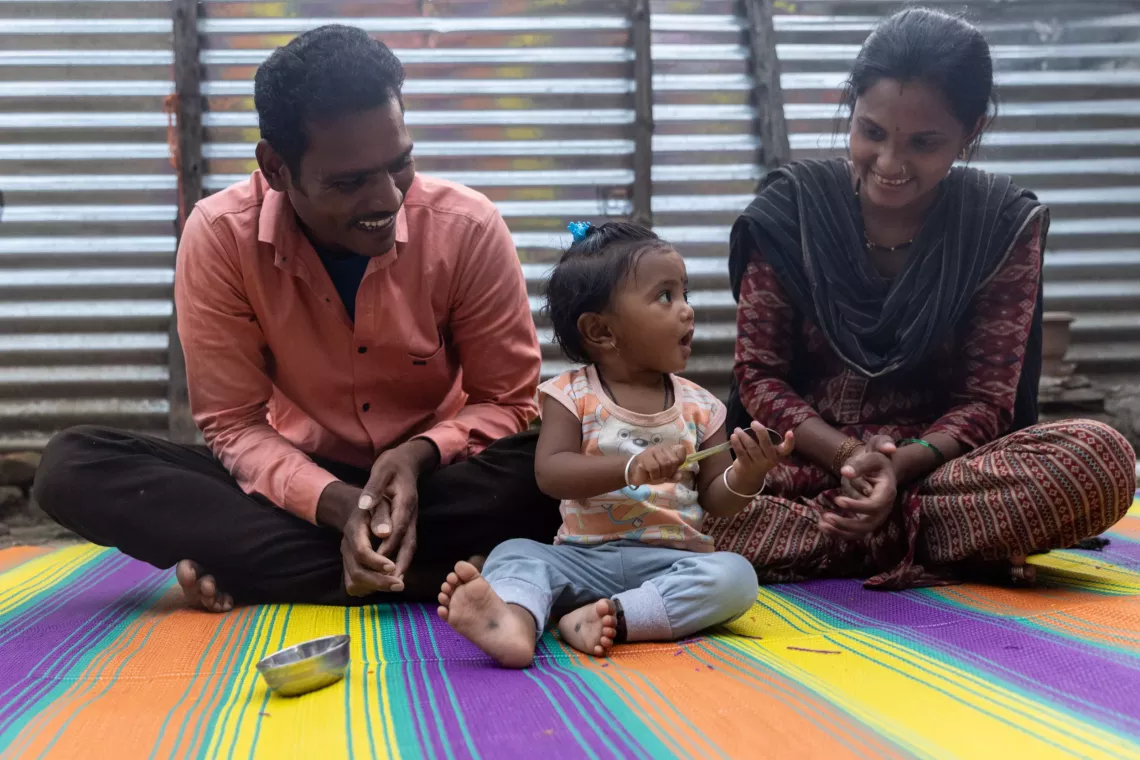
"Mitansh was quiet and withdrawn. Since taking him to Anagawadi centre and attending Palakh mela and Palakh Sabha, he's been active. Now he is happy and responds when called and plays with others."
Palak Melawa and Palakh Sabhas- Uniting Communities and families for Every Child
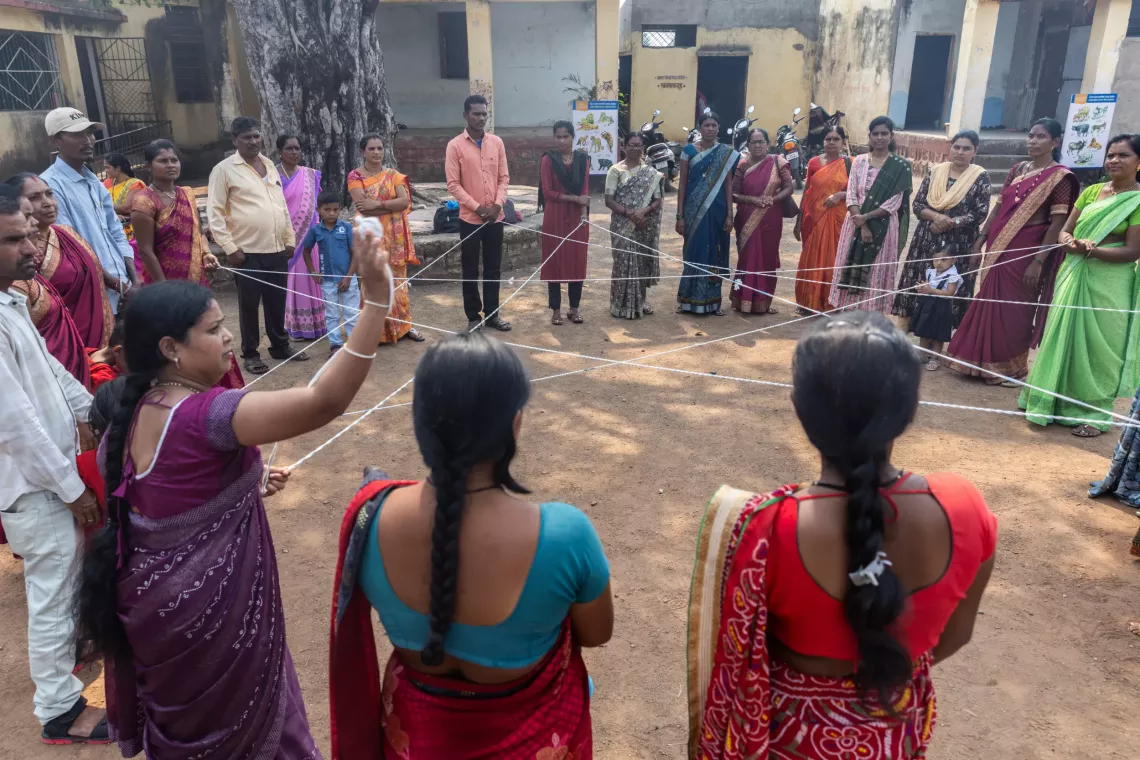
Aarambh brings communities together through events like Palak Melawas and Palakh Sabhas, where Anganwadi workers and supervisors share knowledge with parents and communities and support each other. These gatherings create a ripple effect, encouraging parents to prioritize play, affection, communication, and nutrition.
By uniting families, Aarambh builds a collective responsibility to nurture children, ensuring they thrive in environments that support emotional, social, and intellectual growth during their critical first years.
UNICEF's partnership with Government and MGIMS steered community action
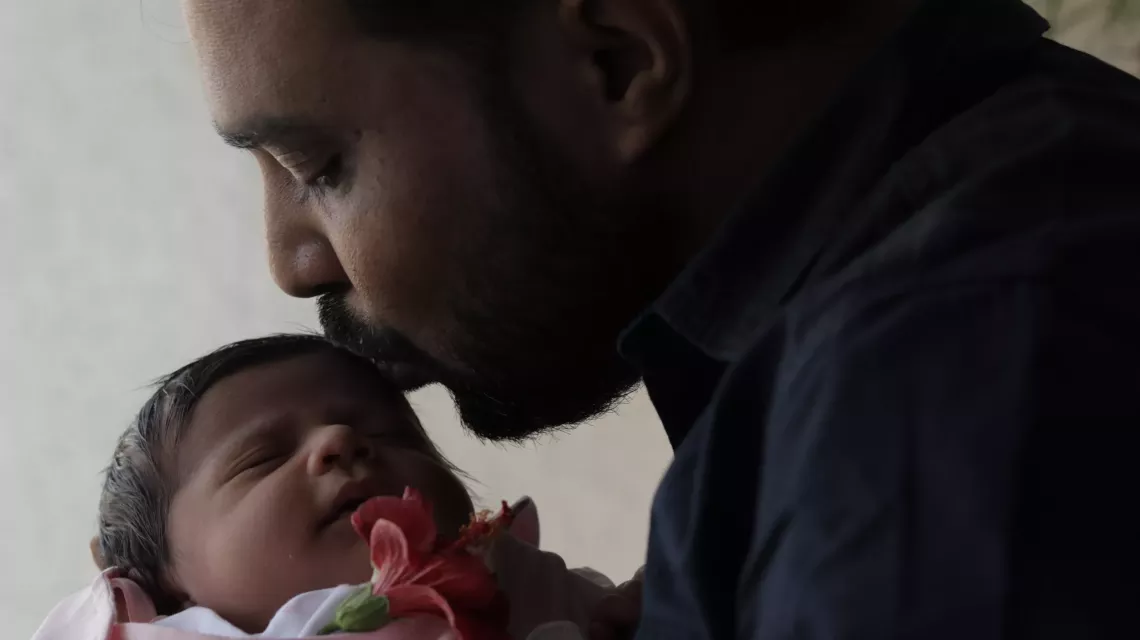
UNICEF’s partner MGIMS, Wardha, played an important role in the pilot and the government's statewide scale-up. Initially piloted in the Aurangabad and Yavatmal districts, Aarambh significantly improved nutrition and generated excitement and involvement among frontline workers.
"Early learning serves as the best entry point. However, Aarambh brought a new perspective, introducing stimulation, caregiving, and nurturing for pregnant women and children," says Dr Subodh S. Gupta, Professor & Head of Community Medicine at MGIMS Sewagram
"The results emerging from the partnership were critical in the successful scale-up of the strategy by the government," added Dr Subodh S. Gupta.
Fathers spend more time with children

Aarambh emphasizes the importance of fathers in nurturing and caring for children in their formative years, which directly contributes to brain development. It has shifted the focus from only nutrition to understanding how engagement and caring practices and nutrition are vital to child development.
"Our data shows that fathers now spend more time with their children, and they engage and dedicate time to them," says Rajalakshmi Nair, UNICEF Nutrition Specialist.
"My husband wasn't involved before, but the Anganwadi worker's parent meetings have made a big difference. "I'm so grateful for her efforts—that's why I want to thank you very much."
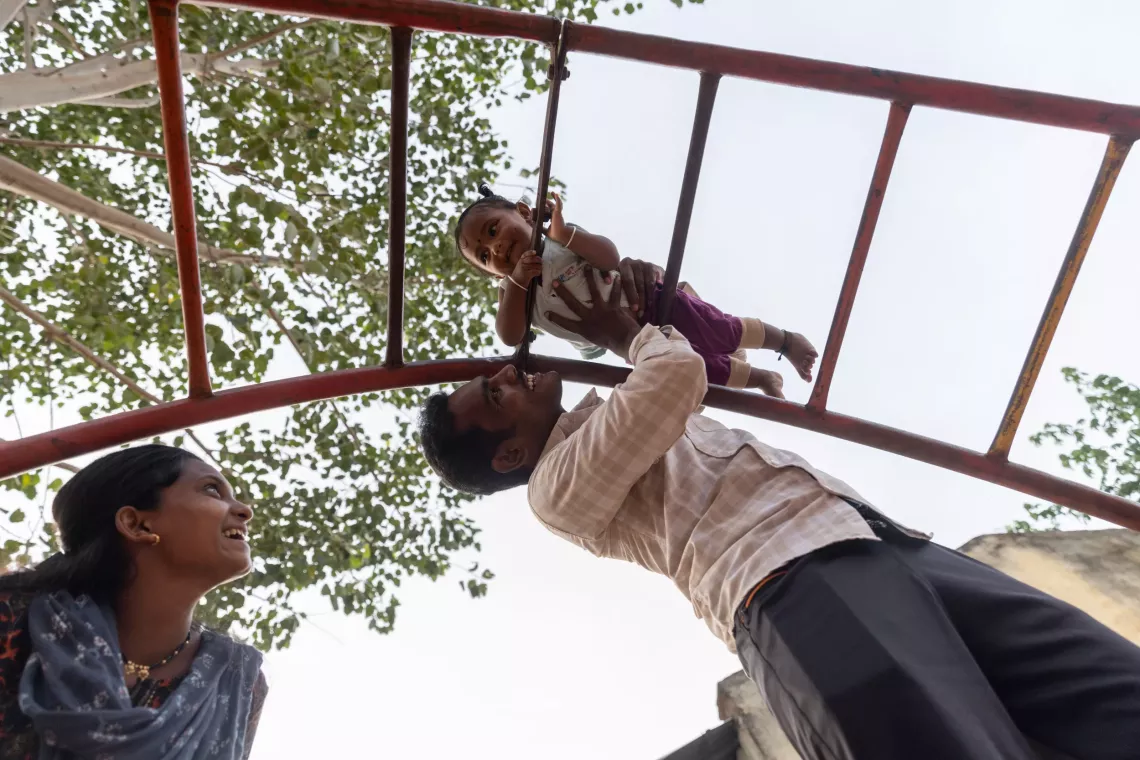
"If my wife is busy, I take the responsibility of preparing and feeding cereal to our child and spend time playing outdoor games with him. "I play games with my child, Mitansh. I carry him on my back and play the horse-and-carriage game, where I become the horse."
Scaling Joy
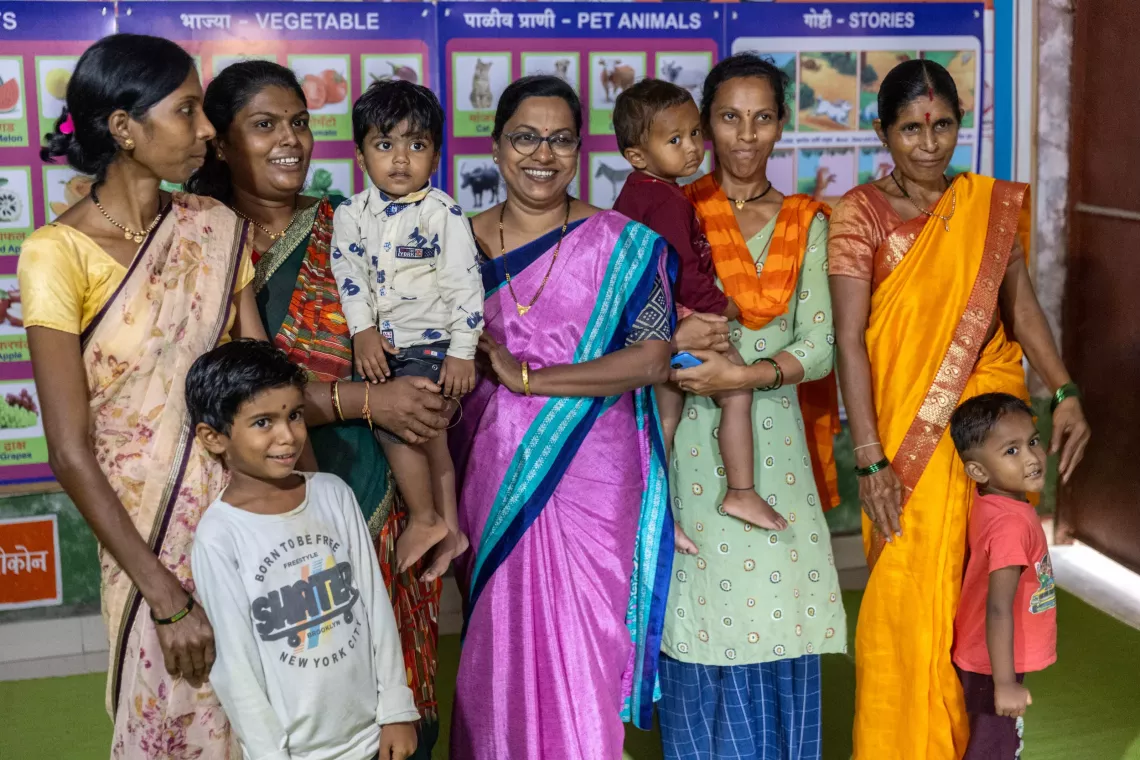
The Aarambh programme, which started in just two districts of Maharashtra, has been implemented across the entire state and is now the flagship initiative under the Department of Women and Child Development for Maharashtra.
The government, as a whole, system, including Anganwadi workers, ASHAs, child development project officers, and district programme officers, is actively involved in this initiative.
"Parents and expectant mothers are responding positively, understanding that health and nutrition are not enough. Caring for children, responding to them, and playing with them affectionately are equally important," says Kailesh Pagare, Commissioner of the Integrated Child Development Scheme for the Maharashtra Government.
"These are crucial for their intellectual and physical growth. This has led to an overwhelming response from families, communities, and especially parents, helping the programme expand its reach," adds Kailesh Pagare.
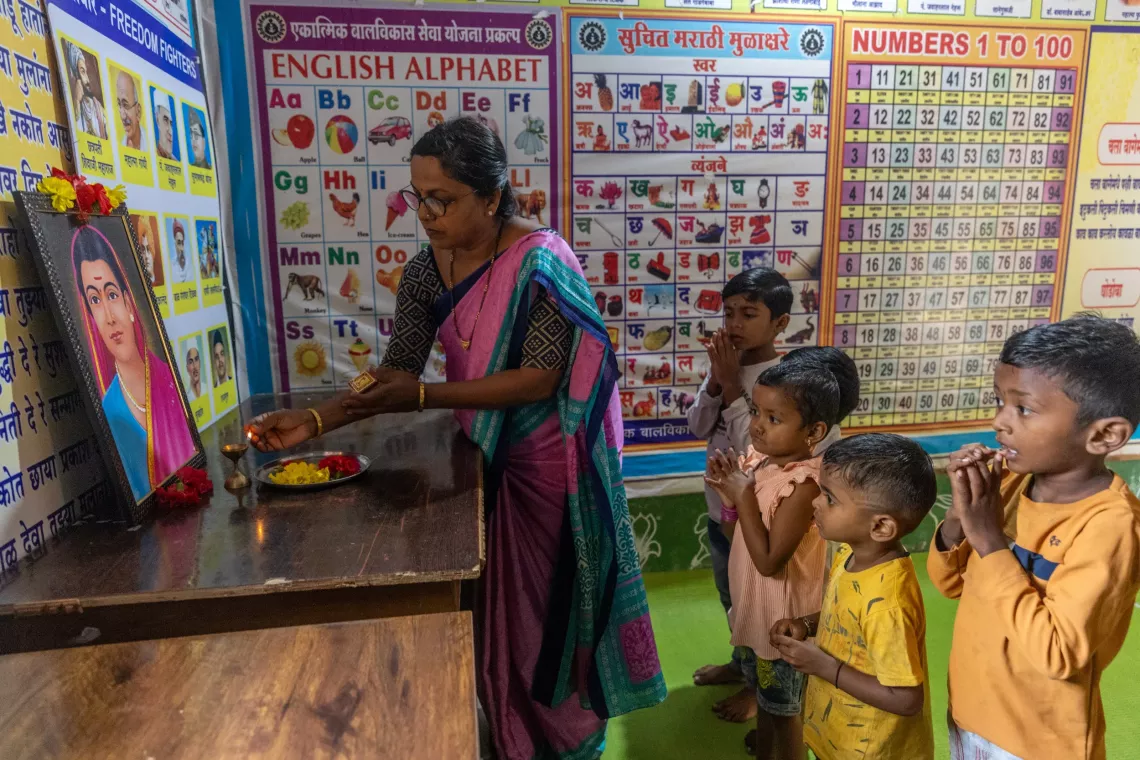
"UNICEF's role has been to bring the science to the policymakers, unpacking the science of the nurturing and nourishing framework. Our biggest partner is the government, specifically the Department of Women and Child Development, Integrated Child Development Services, and Public Health.
Today, Aarambh is a Maharashtra government state flagship program of the Department of Women and Child, and the government has a big buy-in," says Rajalakshmi Nair, UNICEF Nutrition Specialist.
"Moving forward, we will continue to strengthen the program, integrating it with Nav Chetna while expanding its reach in urban areas. Additionally, we aim to reinforce the importance of the first 1000 days and introduce the concept of the next 1,000 days further to enhance child development till 5 years of age," adds Kailesh Pagare.
"I sincerely thank UNICEF for taking the initiative to launch and support this programme," quips Kailesh Pagare.