Kanyashree Prakalpa: Building a Brighter Future for Every Girl in West Bengal
Bina, Meena, Riya, and Shatabdi—four girls with unique stories of resilience and empowerment—are living testimonies to the life-changing impact of Kanyashree Prakalpa

- English
- हिंदी
Meet Bina, Meena, Riya, and Shatabdi—four courageous girls united by a shared goal—education and self-empowerment supported by the Kanyashree Prakalpa. These young women from the Eastern Indian state of West Bengal are standing strong against social odds and boldly rewriting their futures.
Kanyashree Prakalpa, a flagship conditional cash transfer scheme launched by the Government of West Bengal in 2013, has emerged as a hope for the state's adolescent girls.
By providing financial incentives to continue their education and thereby, delay their marriage, the scheme has significantly improved the well-being and empowerment of girls, particularly those from socio-economically disadvantaged backgrounds.
Bina, Meena, Riya, and Shatabdi—four girls with unique stories of resilience and empowerment—are living testimonies to the life-changing impact of Kanyashree Prakalpa. Through education, financial support, and skills training, the scheme has helped them build lives of dignity and independence and fulfilling their rights.
Bina's Fight Against Early Marriage
For Bina, the Kanyashree scheme was a shield that protected her from the pressures of early marriage prevalent in her community. Growing up with five sisters and a brother, Bina witnessed her father's struggles as a single parent after their mother's death. Instead of succumbing to the social tradition of marrying young, Bina chose a different path.
"I wanted to play and win medals like my elder sisters," Bina says. The Kanyashree K-1 scheme, which provides Rs 1,000 annually, helped her stay in school and focus on her education and sports career.
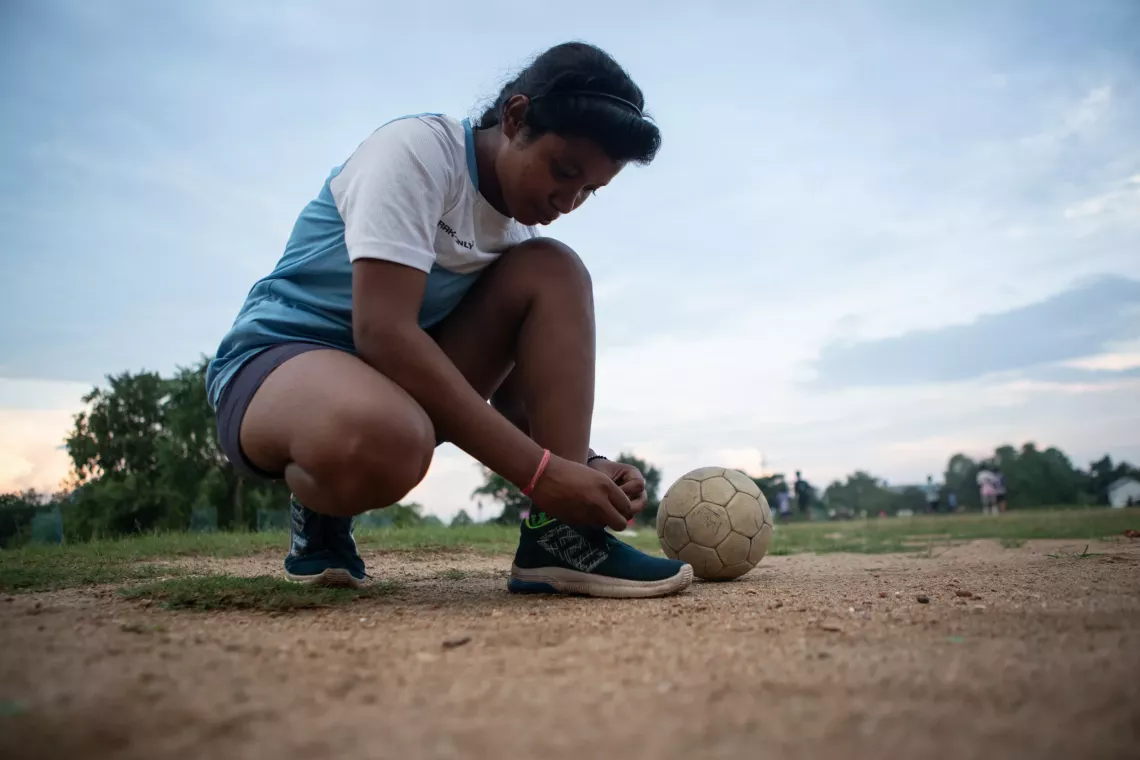
“Thanks to Kanyashree, I said no to early marriage. Now, I encourage other girls in my community to do the same,”- says an ebullient Bina.
The scheme's conditional cash transfers have been instrumental in keeping girls in school. By providing financial support, Kanyashree Prakalpa has enabled countless girls to pursue higher education, opening doors to new opportunities and breaking the cycle of poverty and reducing the pressure on families to marry their daughters early.
Meena's Aspiration for Higher Education
For West Bengal, child marriage has been a concerning issue for a long time. Social norms, religious traditions, and economic pressures often force girls into early marriages, hindering their education, health, and prospects.
Kanyashree Prakalpa aimed to tackle this issue by providing a tangible incentive for girls to stay in school and delay marriage until they reached the legal age of 18.
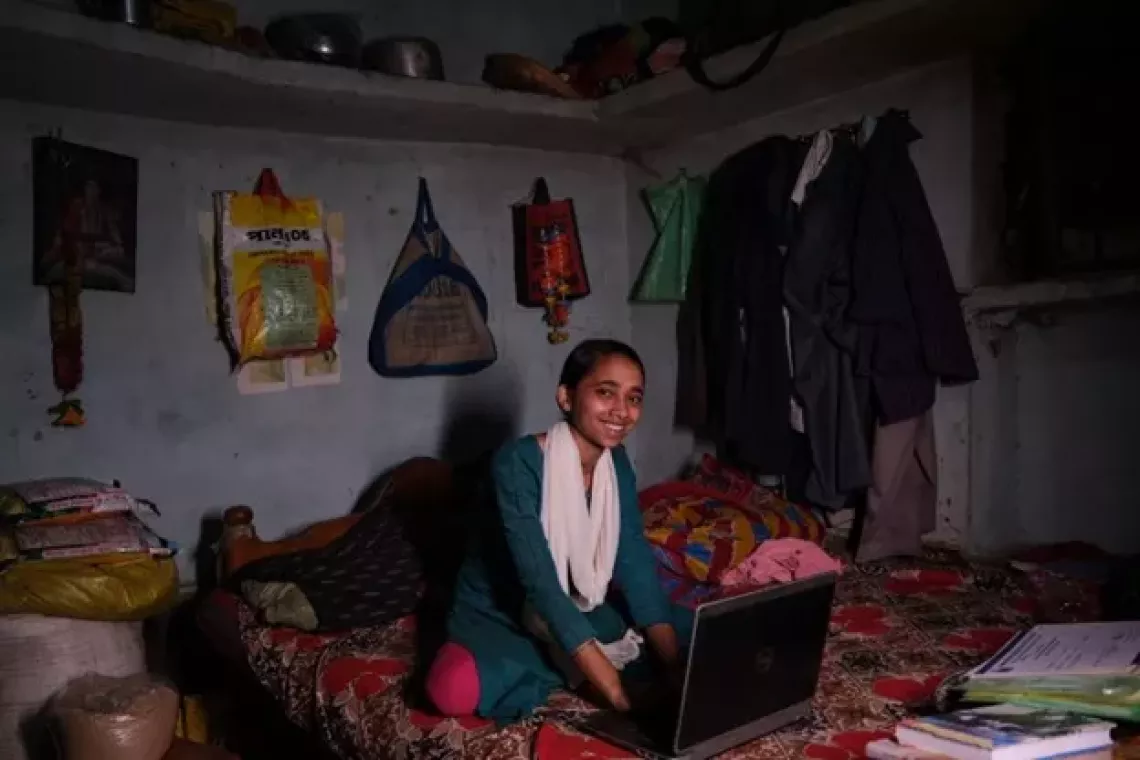
"The Kanyashree scheme has allowed me to pursue my education and break free from the traditional constraints faced by women in my family," - Meena shares with determination.
For Meena, the Kanyashree scheme was a lifeline that empowered her to chase her dreams amidst the weight of familial expectations. As the youngest of five siblings, she watched her three older sisters marry soon after finishing school, a tradition that seemed to dictate her fate.
However, fuelled by her aspirations and the support of the Kanyashree K-2 scheme, which provided her with a one-time grant of Rs 25,000, Meena took a bold step to secure her future. She enrolled in college and purchased a laptop and the necessary tools to help her achieve her ambition of becoming a nurse.
Riya's Financial Literacy and Self-Defence Training
Riya, an 8th-grade student, found empowerment through the Kanyashree Club at her school. These clubs, a key initiative under the scheme, provide girls with opportunities to develop leadership skills, learn financial literacy, and receive self-defence training.
Through her participation in the Kanyashree Club, she has educated her family about cyber safety and financial security. Kanyashree has given me the tools to make informed decisions and stand up for myself."

"I learned how to budget and save money, and now I help my family manage our household finances," - Riya proudly shares.
Kanyashree Prakalpa goes beyond financial incentives to empower girls by involving them in various initiatives. One such initiative is the formation of Kanyashree Clubs, which serve as platforms for adolescent girls to interact, learn, and develop a variety of skills, including leadership.
These clubs organize a diverse range of activities, including sports, self-defence training, financial literacy workshops, and awareness campaigns on child rights and cyber safety issues. Through club activities, girls gain confidence, build a sense of belonging, and acquire valuable life skills that equip them to make informed choices and contribute positively to their communities.
Shatabdi's Journey: Using Kanyashree to Empower Others
Shatabdi's life reflects perseverance, resilience, and ambition. Growing up in a home struggling with poverty, her father's mental health issues added to the challenges. Yet, her commitment to her education remained steadfast.
With the support of the Kanyashree K-2 grant of Rs 25,000, Shatabdi was able to complete her schooling and pursue a master's degree, all while navigating the complexities of life after marrying at 19.
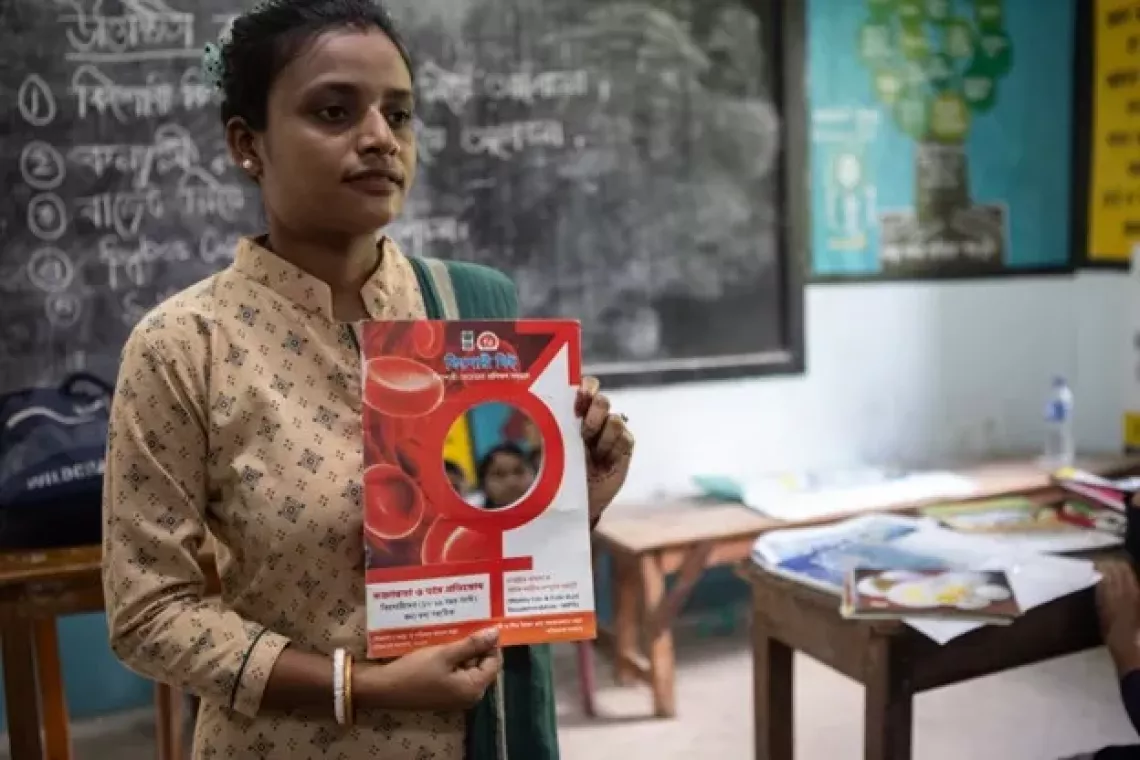
"I used my Kanyashree grant for my education and to support my family," - Shatabdi
She recalls, reflecting on the programme's transformative impact. Today, Shatabdi works with an NGO to raise awareness about Kanyashree Prakalpa in her village, empowering other girls to pursue their dreams.
A Future of Possibilities
As Kanyashree Prakalpa continues to evolve, it offers hope to countless more girls across West Bengal.
"UNICEF began its journey with Kanyashree in 2013 by collaborating with the Government of West Bengal on the design of the conditional cash transfer scheme," reflects Swapnodipa Biswas, Child Protection Officer, UNICEF West Bengal.
"We focused on launching the programme and creating a sustainable model to retain its effectiveness. Beyond the initial launch, we deepened our collaboration with the district administration, focusing on empowering adolescent girls through knowledge, skills, and behaviour changes," she adds.

Dr Shashi Panja, Minister of the Department of Women and Child Development and Social Welfare, says,
"West Bengal's social protection schemes focus on improving the quality of life and well-being, especially for adolescent girls. Kanyashree has evolved from promoting education and delaying marriage to empowering girls to make their own choices, build confidence, and aspire to achieve more."
"The holistic approach of Kanyashree, which now includes financial and digital literacy, equips girls with skills to manage their own money and navigate financial systems," Dr Panja emphasizes.
UNICEF marks 75 years in India and has taken immense pride in being part of Kanyashree's journey since 2013.
The Kanyashree Prakalpa programme has received widespread recognition and acclaim nationally and internationally. Its success has inspired other states in India and countries around the globe to adopt similar initiatives focused on enhancing the development and well-being of adolescent girls.
As Kanyashree Prakalpa continues to evolve and expand its reach, it promises to transform the lives of countless more girls in West Bengal.