
Digital and technology for development
Our work in Digital and Technology for Development is focused on unlocking the potential of digital transformation for child rights.
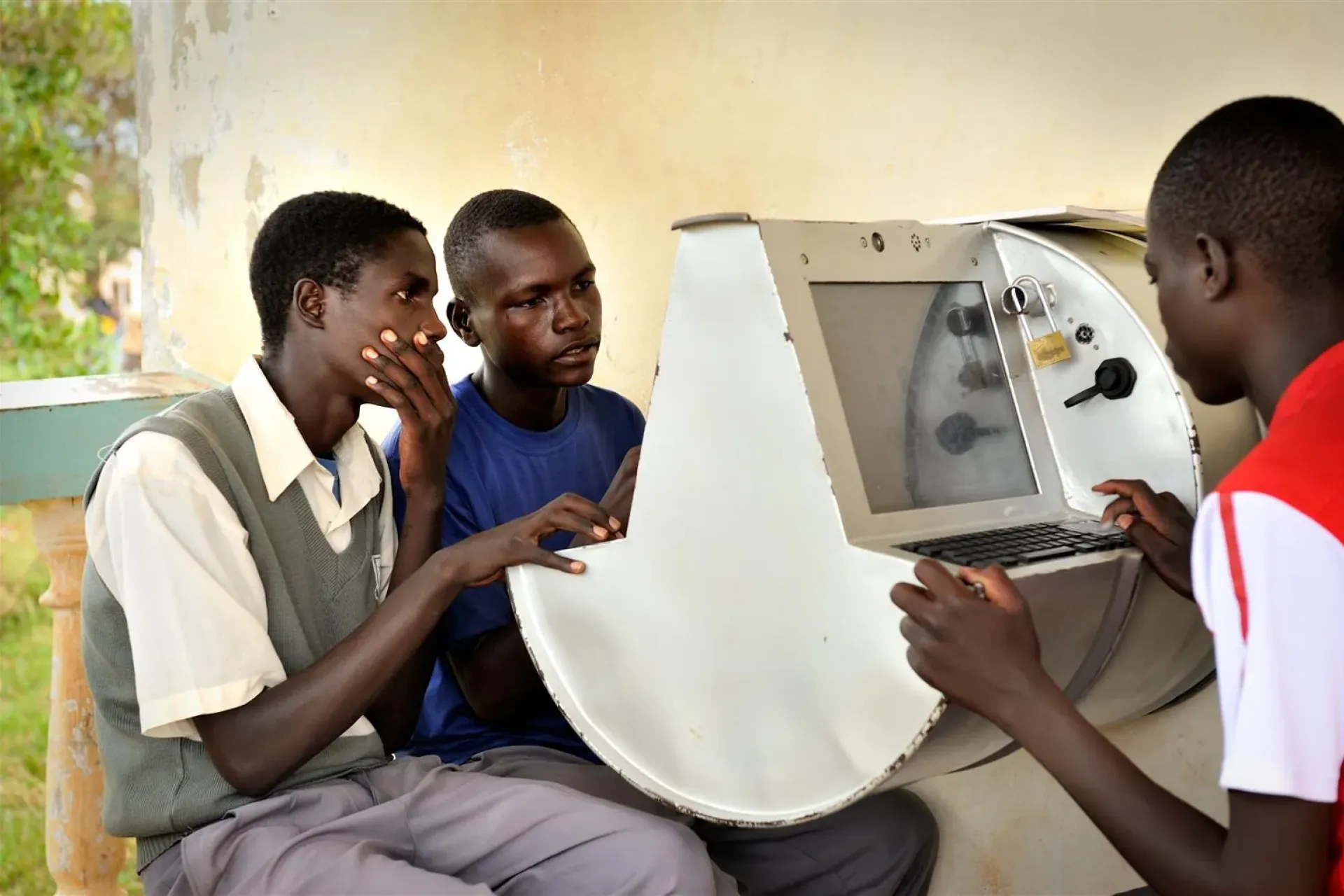
The adoption and role of digital and technology in our lives has increased rapidly in recent years, affecting all parts of society, including relationships, work and public service delivery. Digital technology can help reach children and families with information and services faster and more effectively, create data and new insights into development challenges and connect children to social and economic opportunities. Today’s children and youth are more digitally skilled and connected than any other generation, and youth play a critical role in utilizing digital technology to build a more sustainable future.
At the same time, digital divides between and within countries can exacerbate inequalities and leave children behind. For example—globally, only 33 per cent of children and young people have internet access at home.This requires us actively address the inequalities in children’s lives that lead to disparate experiences in seizing digital opportunities and avoiding digital risks.
UNICEF’s work on digital and technology for development is focused on unlocking the potential of digital transformation for child rights. Specifically, we focus on:
- Strengthening foundational digital systems that underpin service delivery for child rights, for example in health and education.
- Identifying and applying digital, technology and data solutions to deliver services and information to children more quickly and more effectively.
- Advancing digital inclusion to ensure all children benefit from digital opportunities, for example through our work on connectivity, digital skills building and more.
- Capacity building and training for the use of digital systems, for example for frontline workers.