Young People Take the Central Role in the Transformation of Sanitation in the Mulenvos de Cima.
South-South Cooperation Project between Angola, Brazil and UNICEF is implementing a simplified sanitation system in the community of Mulenvos.

- Portuguese
- English
In the Mulenvos neighborhood, residents face, day after day, the challenges of an environment marked by a lack of sanitation and the scarcity of drinking water. However, something different is happening. A basic sanitation project. The project is part of the National Sanitation Strategy. It is implemented jointly by the Government of Angola (through the Ministry of the Environment - MINAMB) and the United Nations Children's Fund (UNICEF), with technical support from Brazilian institutions: Secretariat of Cities of the Government of the State of Ceará (SCicades-CE); Water and Sewage Company of the State of Ceará (CAGECE); and the National Health Foundation (FUNASA). The initiative is funded by the India, Brazil, and South Africa Fund (IBSA Fund), which is managed by the United Nations Office for South-South Cooperation (UNOSSC).
One of the main innovations is the concept of simplified condominium sanitation and waste management for peri-urban areas. With thinner and easier installation pipes, the simplified system will adapt to the reality of local communities, requiring less work and allowing efficient implementation.
The initiative, developed within the framework of the South-South Trilateral Cooperation, is more than a technical solution for local sanitation for disadvantaged and vulnerable areas. Involving the residents themselves in the construction of a better future, on the 24th of January, 15 young people, residents of the Mulenvos de Cima neighborhood, were hired to join the teams responsible for the initial topographic measurements of the project.
Under the coordination of BDM Engineering and Technology, a company specialized in the preparation of engineering projects and supervision and management of works, the teams will be composed of a technician and two local assistants, will not only design the pipes and interconnections for the future sewerage network, but also acquire valuable technical knowledge that may open new opportunities for them in the future.
Maria Fernandes, a resident of the neighborhood and future beneficiary of the project, did not hide her enthusiasm:
"I feel very satisfied, I always dreamed of seeing our neighborhood without garbage and with clean water coming out of the taps. Cholera has been a threat to us, and with this project I feel that we are moving towards a healthier and more dignified future. It's a blessing for all of us." Said the resident.
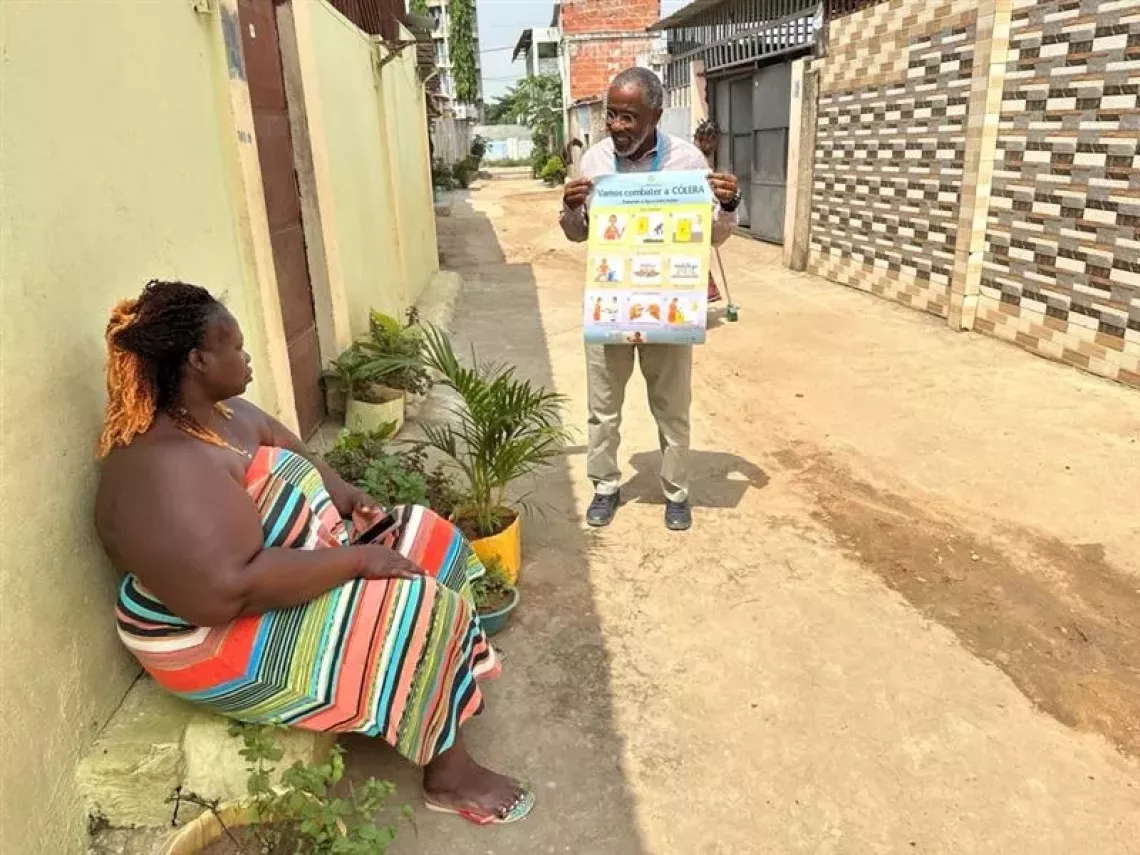
One of the main characteristics of the project is its commitment to community engagement and empowerment. Rather than just implementing external solutions, the initiative not only improves the local quality of life, but also creates opportunities for entrepreneurship and a sense of collective responsibility.
With attentive eyes on the impact of the project, some of the young people hired shared their expectations and reflected on how this initiative will transform their lives and the community where they live.
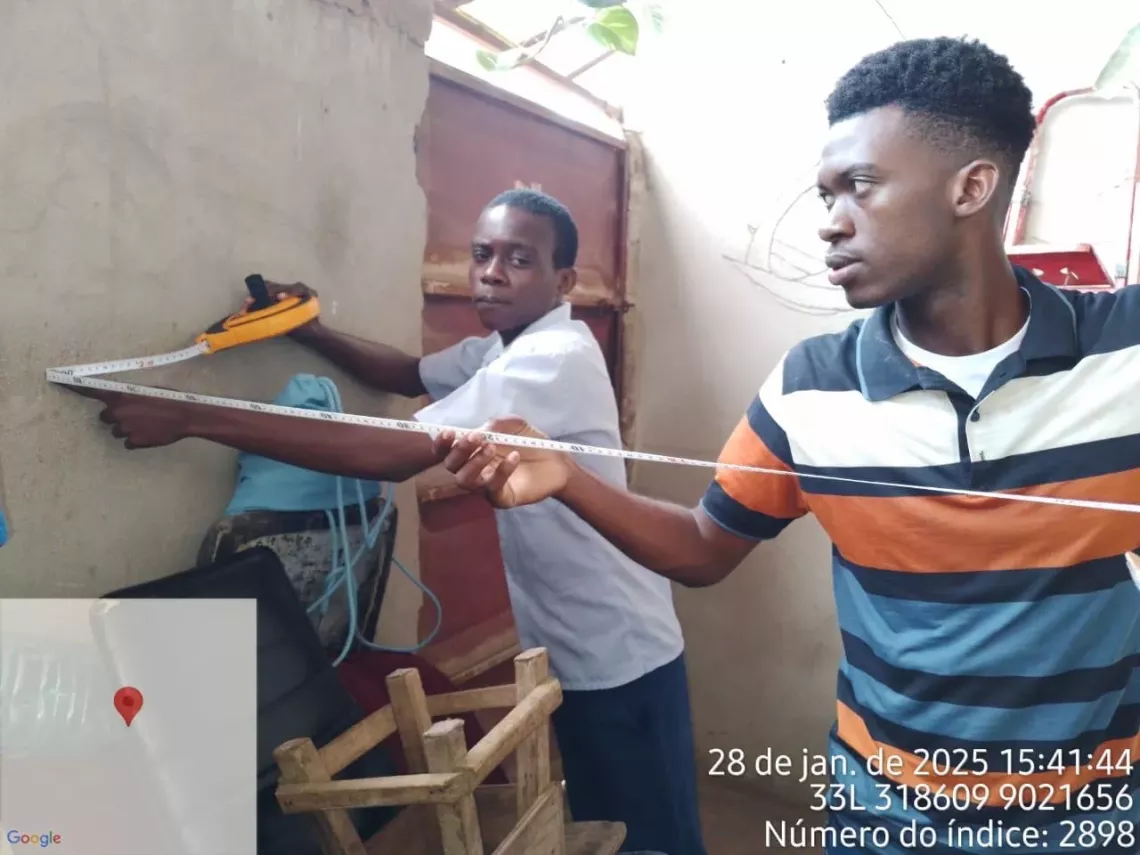
João António, one of the young hires, spoke proudly of his role in the transformation of his neighborhood:
"This project is a unique opportunity. It will reduce garbage and standing water, which have caused so many diseases in the neighborhood. In addition, I am proud to be able to contribute directly to improvements in the sanitation of our neighborhood."
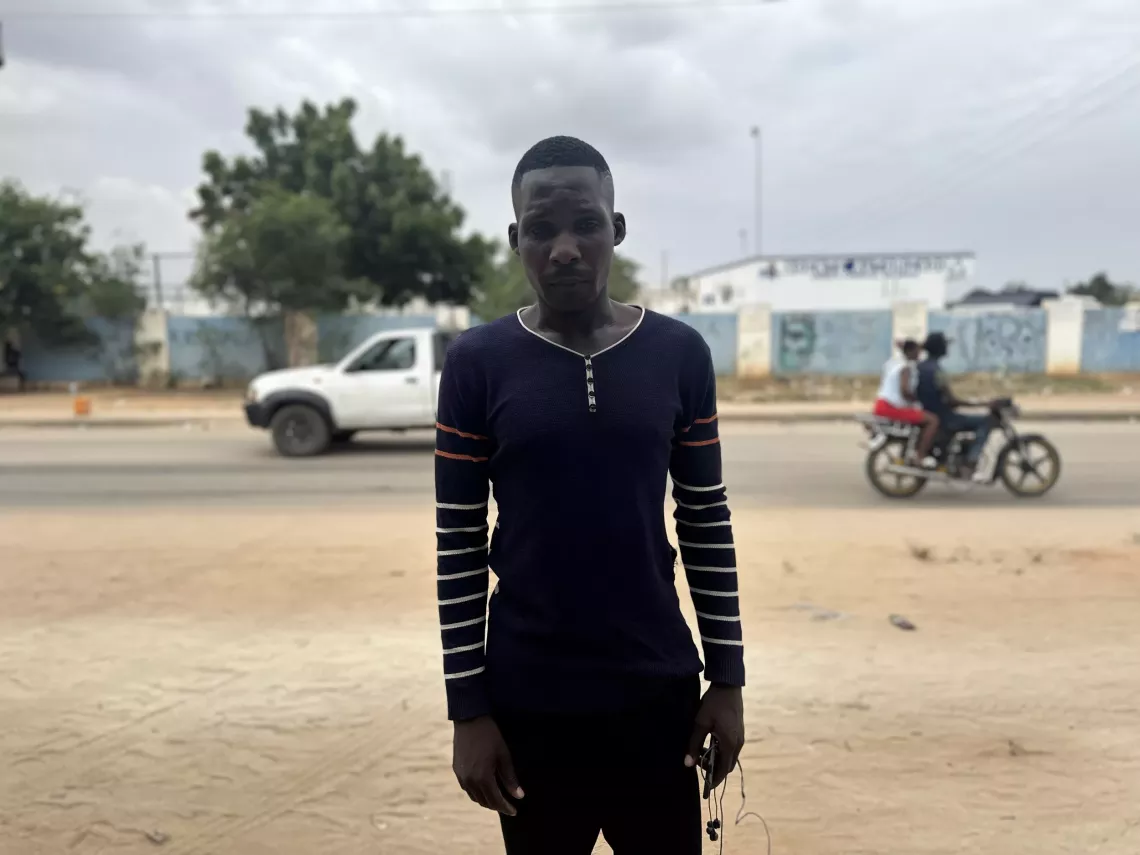
For Quintas da Rocha, the impact of the project goes far beyond technical issues, for you the project will greatly improve the sanitation conditions of your neighborhood:
" I am happy because, during the rainy season, our neighborhood becomes almost impassable. Floods bring diseases and make our lives even more difficult. With this project, we will solve those problems."
As teams are chosen to trace the sketches and prepare the ground for construction, the transformation is already visible. It is not just about solving technical problems, but about building a future where health, dignity and opportunity are accessible to all.
Jessica Joana, in turn, highlights the economic and social impact that this opportunity will bring to her life:
"I feel privileged to be part of this project, for me it is a great opportunity to learn and also to be able to generate income and support my family. And I believe for my colleagues too. It is an important first step and I believe that together we can go far."
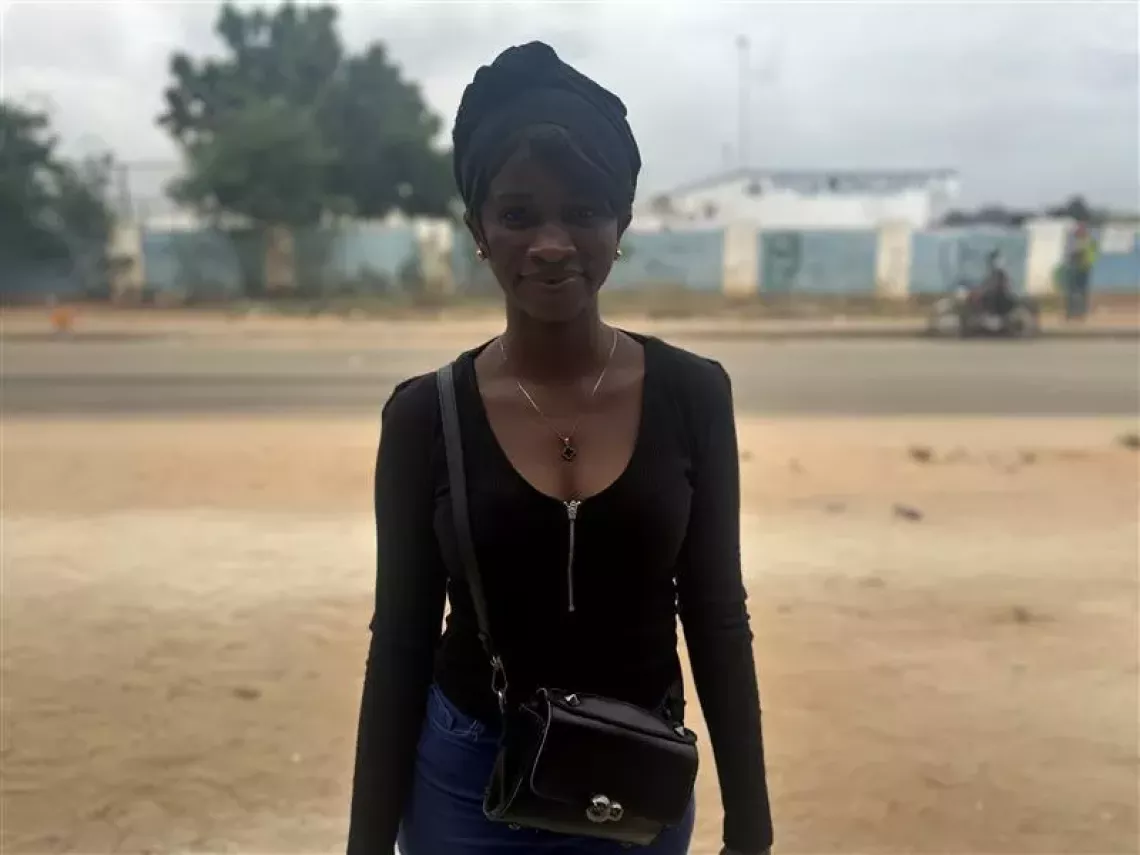
Emília Lucinga reinforced the importance of the project to face daily challenges:
"The lack of drinking water and sewage is a problem that has been harming us for a long time. This project will solve that and bring new hope to our community. For me, it's also an opportunity to learn and think about something bigger, like starting my own business in the future with the pay."
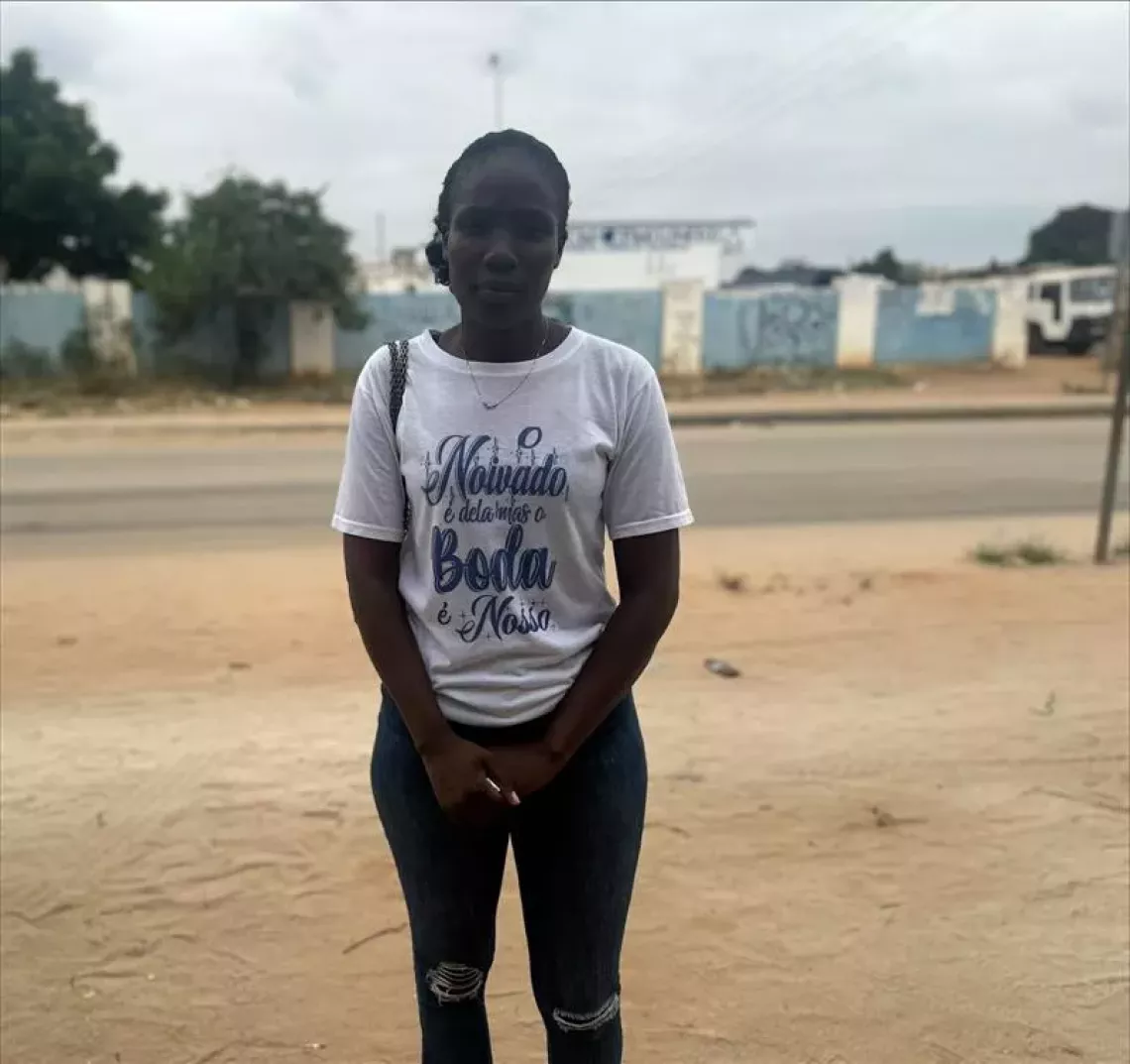
The project in the Mulenvos de Cima neighborhood is not only about improving infrastructure, but also creating an impact on the way the community understands sanitation, health, and waste management.
This project is a living example of how communities, when empowered and supported, can become protagonists of their own transformation, creating a reality that seemed, until then, a distant dream.