Mapping of Water Systems and Points at the Municipal level.
A Decisive Step to Bring Water to the Communities.

- Portuguese
- English
Access to clean water remains one of the biggest challenges for many communities in Angola. The problem is particularly acute in the southern provinces, where recurrent droughts have severely affected the lives of populations. Despite the abundance of river basins and a vast underground water table, a considerable part of the population remains without access to this essential good. This lack compromises human dignity, health (diarrhoea is one of the main causes of death of Angolan children under five years of age, along with malaria), aggravates vulnerability, and limits economic and social development.
To address this challenge, UNICEF has been implementing strategic actions aimed at improving sustainable access to safe water and strengthening the Government's capacity to make informed decisions. One of the main barriers identified is the lack of up-to-date information on the location and status of water systems and points in rural areas. Without reliable data, it becomes difficult to plan, prioritise, and intervene effectively and efficiently.
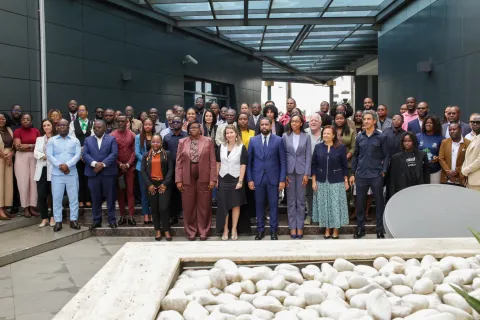
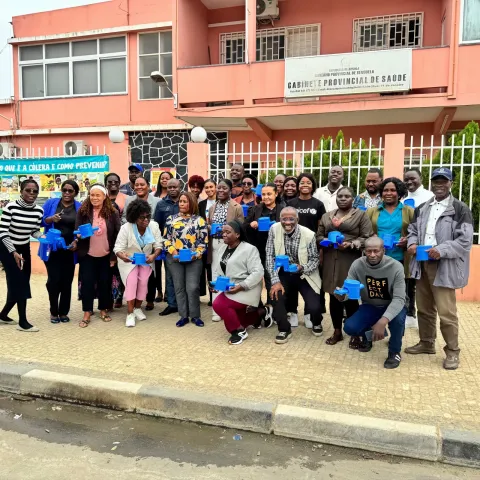
To this end, UNICEF, in collaboration with the Solstice Institute and other partners, started in late 2025 and early 2026 a baseline mapping in three municipalities: Palanca and Caluquembe, in Huíla province, and Cunhinga, in Bié, the latter funded by BFA and completed in February 2026. The work in question focuses on the collection, analysis and visualization of data related to water points and hydraulic systems, as well as on their functionality. The process includes collecting information from communities, schools, health facilities, markets, places of worship, transport points, and administrative buildings, as well as their drinking water services.
According to Ida Marie Olsen, UNICEF official, "the objective of the mapping is to support the municipal governance of Cunhinga, providing an updated baseline on social and water infrastructure, based on up-to-date data".

In turn, Adriano Galangunga, director of DMEA in the municipality of Cunhinga, said that this mapping should help a lot in the issue of water distribution to families who need it most, as it will be possible to define policies to bring drinking water to more inhabitants of the municipality.

With this approach and tool, UNICEF is testing, in collaboration with the authorities, a way to bridge the existing information gap and support the Government in the more sustainable management of water services, in the development of public policies based on current data, as well as in attracting and facilitating the work of partners and the private sector interested in investing in the water and sanitation sector.
UNICEF remains committed to supporting Angola in building sustainable solutions for access to clean water. Digital mapping of water points facilitates regular monitoring of the status of points and systems and their timely repair needs, avoiding service interruption. These are decisive steps to ensure the health, dignity, and resilience of the most vulnerable communities.
Water saves lives and, together, we are bringing it closer to those who need it most.