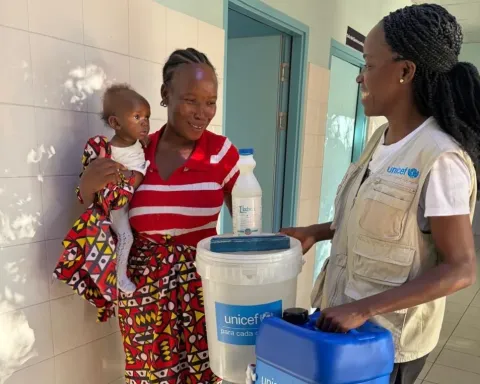
Safe Water, Protected Lives: Health Professionals Reinforce Essential Care in Benguela.
More than Medical Care, Ensuring Health for the Children of Benguela.

- Portuguese
- English
When a mother arrives at a health facility with her sick child, she expects to find much more than a diagnosis or a medication. She expects to find a safe, clean environment capable of protecting her child's health in a moment of vulnerability.
In Benguela, this reality is becoming increasingly possible thanks to the reinforcement of Water, Sanitation and Hygiene (ASH) practices in health facilities. Between June 30 and July 2, the Benguela Provincial Public Health Office, in partnership with UNICEF and with the support of The Church of Jesus Christ of Latter-day Saints (Latter Day Charity), trained 28 health professionals, of which 19 were women and 9 were men, in the WASH FIT (Water and Sanitation for Health Facility Improvement Tool) methodology.
The initiative arises from the recognition that quality healthcare does not depend only on qualified professionals or the availability of medicines. Continuous access to clean water, proper management of hospital waste, hand hygiene and cleanliness of facilities are key elements to prevent infections, protect patients and save lives.
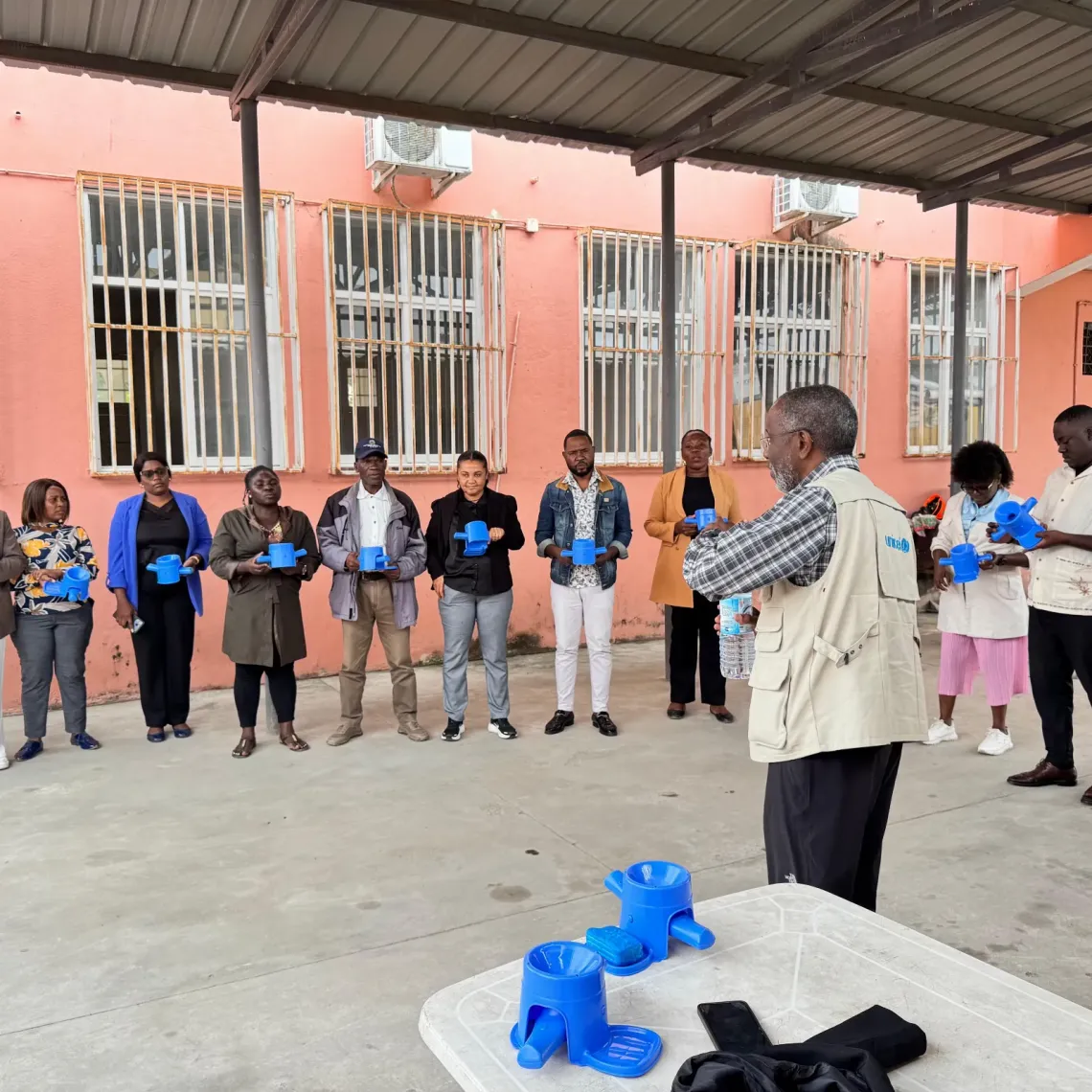
During three days of intensive training, participants deepened their knowledge of safe water supply, sanitation and environmental cleanliness, hospital waste management, hand hygiene, and the correct use of materials and Personal Protective Equipment (PPE). Most importantly, they developed skills to identify risks and implement practical improvements in their own health facilities.
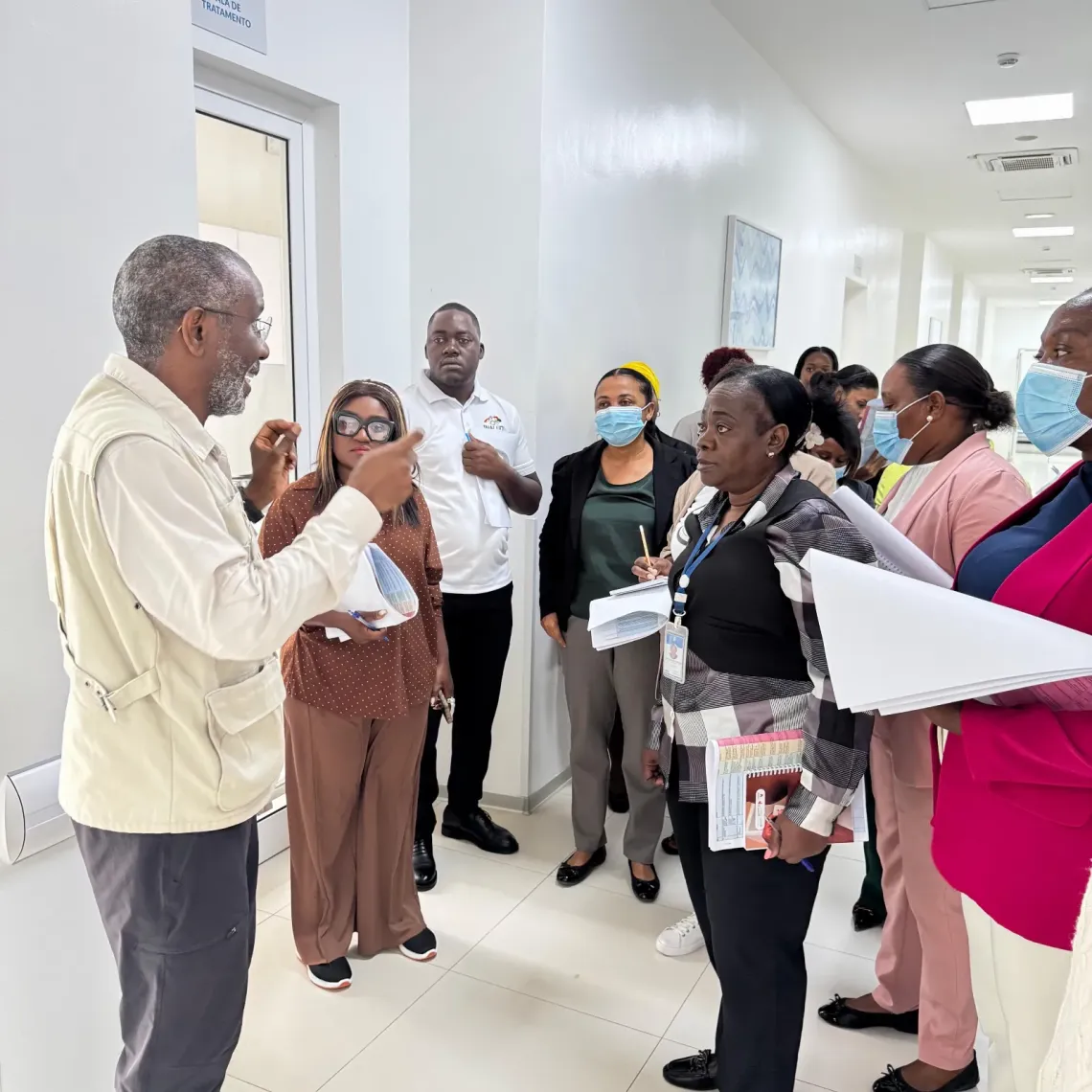
Learning quickly left the training room. At Benguela General Hospital, participants carried out a monitoring visit to observe and evaluate different areas of the health facility, including wards, laundries, waste management systems, cleaning material storage areas and the incinerator. The experience allowed them to analyze real challenges and find concrete solutions to strengthen infection prevention and control.
For many of the professionals involved, the training represented a change in perspective. They understood that seemingly simple actions can have a profound impact on the quality of care provided. A functional handwashing point, the correct separation of medical waste or the proper storage of cleaning materials can significantly reduce the risks of infection and improve the safety of patients and health professionals.
This approach is particularly important to protect the most vulnerable groups, including pregnant women, newborns, and young children. In health facilities where safe water, sanitation, and hygiene are adequately managed, the risks associated with healthcare-related infections decrease considerably, contributing to better health outcomes and greater community confidence in available services.
At the end of the training, participants developed action plans to implement improvements in their health facilities and support the expansion of the WASH FIT methodology in their respective municipalities. The process also strengthened collaboration between the health, water and sanitation, health promotion, education and social action sectors, encouraging a more integrated response to the needs of children and families.
The true impact of this initiative will be measured in the coming months and years, as the knowledge gained is transformed into concrete actions. Each improvement implemented will represent a safer environment in which to provide care, less exposure to preventable diseases and an enhanced opportunity for children to survive, grow and develop fully.
Thanks to the support of The Church of Jesus Christ of Latter-day Saints, through UNICEF, health workers in Benguela now have more tools to create cleaner, safer, and more resilient health facilities. An investment that goes far beyond infrastructure: it is an investment in the health, dignity, and future of Angolan children and families.
"All children deserve to receive health care in a safe environment. When we invest in water, sanitation and hygiene in health facilities, we are investing directly in the protection and survival of children."