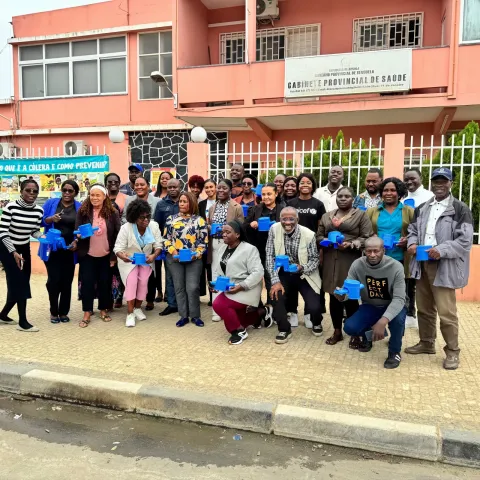
Sanitation in focus: Government and Partners Discuss Solutions for the Sector.
Workshop "Sanitation as a Sectoral Strategic Priority" brings together key actors to strengthen policies and investments in sanitation in Angola.

- Portuguese
- English
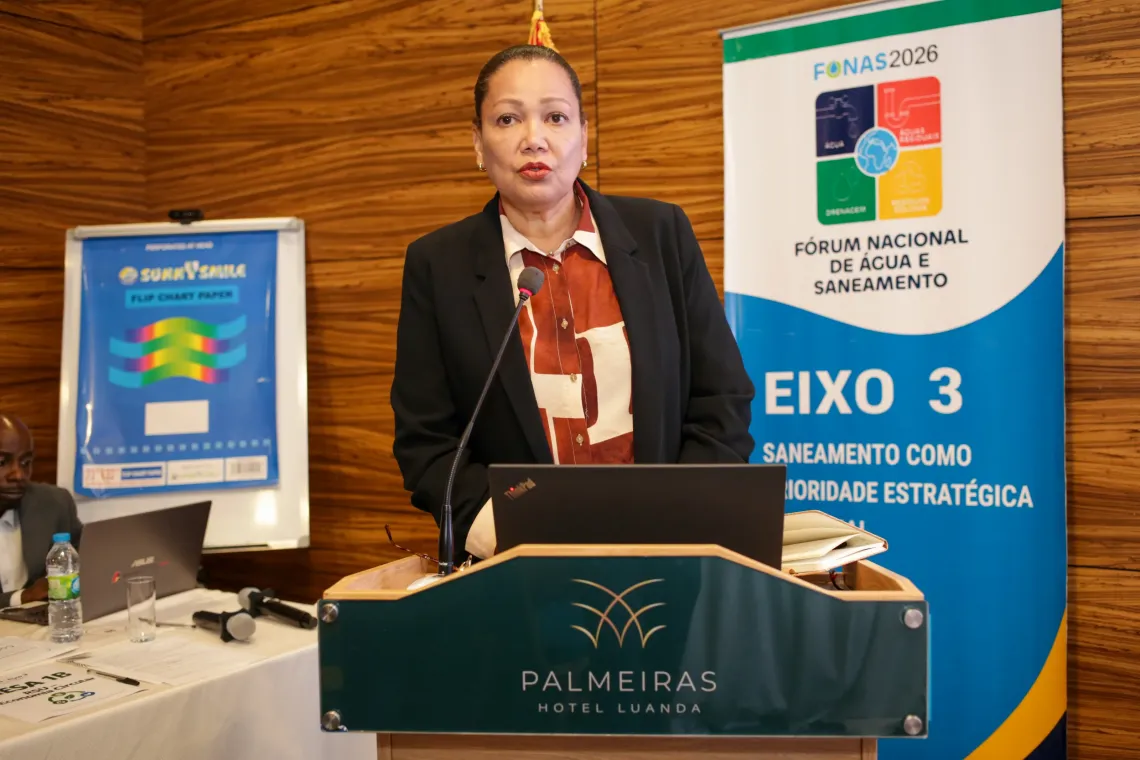
The Ministry of Environment and the United Nations Children's Fund (UNICEF) held, on September 10, at the Palmeiras Hotel in Luanda from 9 am to 1 pm, the Workshop "Sanitation as a Sectoral Strategic Priority", an initiative integrated in the National Water and Sanitation Forum (FONAS). The meeting brought together representatives of the Government, development partners, civil society and experts to dialogue with the challenges, share solutions, priorities and recommendations aimed at strengthening policies and investments in the sanitation sector in Angola.
The Water and Sanitation Forum is a space for meeting and dialogue where different entities meet to discuss the challenges and solutions related to water and sanitation in the country.
The initiative brought together more than 60 participants to discuss sanitation in Angola, reinforcing its priority in public policies and promoting integrated approaches to sustainability, inclusion and climate resilience.
The forum was attended by the Secretary of State for the Environment, Engineer Yuri Valter Sousa Santos, the National Director for Water Dr. Elsa Ramos, the National Director of Environmental Education Dr. Karelia Costa, Dr. Louise Daniels representing the United Nations Children's Fund UNICEF and other representatives of institutions.
The central topics under discussion were:
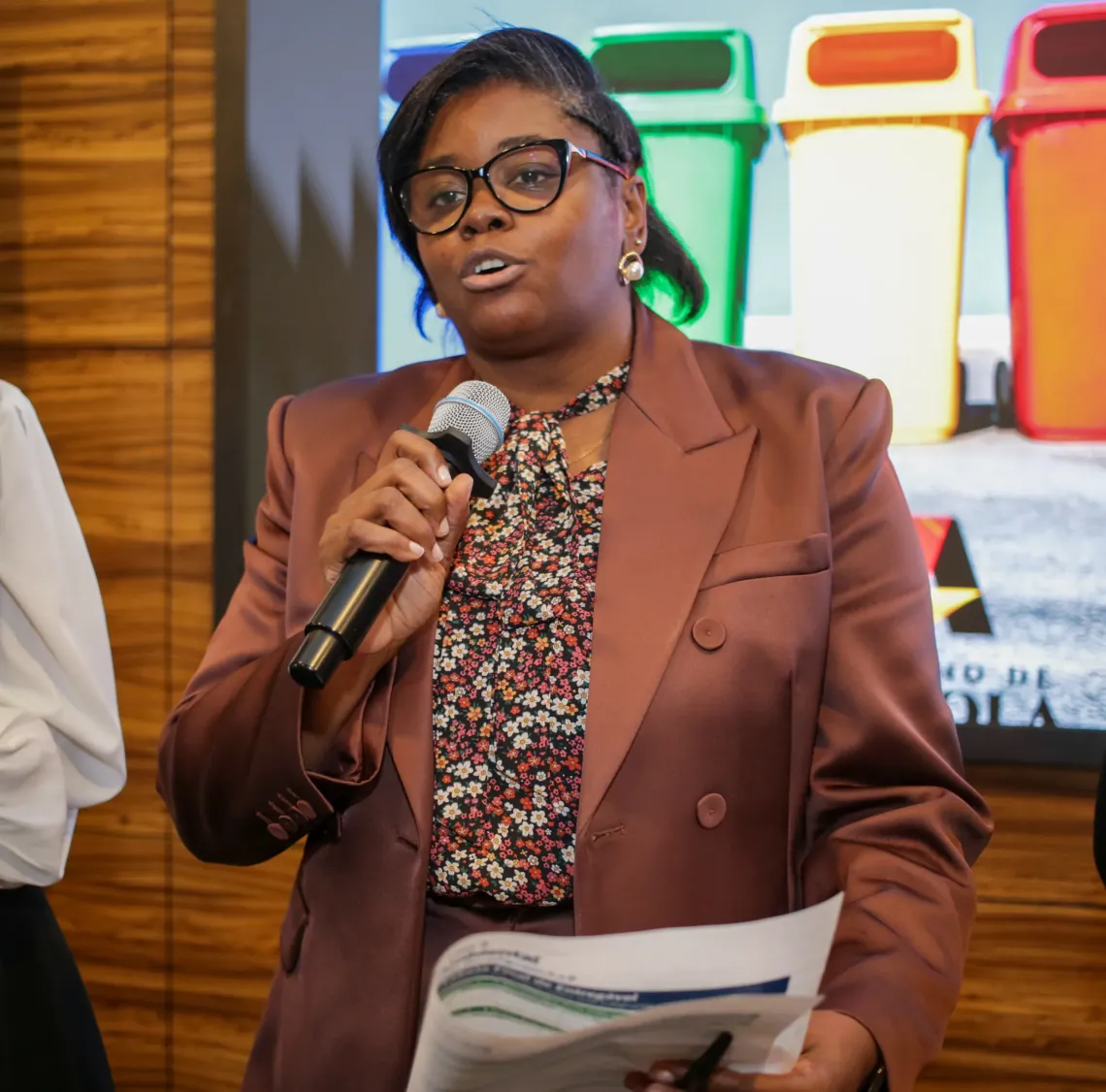
Solid Waste Management, presented by Dr. Maria da Purificação, Technician of the National Ministry of the Environment, who during her presentation warned that if it is not addressed through the base, the current challenges faced will persist.
The National Director of the Ministry of the Environment, Dr. Karelia Bravo Botelho Costa, led the theme on Environmental Education and stressed that if people are not educated, technological infrastructures are worthless.
And within the scope of Faecal Sludge Management, it was conducted by Engineer Manuel António.
The main challenges faced by the Water and Sanitation sector were also pointed out, including the following:
- Disproportion in the institutional focus, in terms of responsibilities and provision of sanitation services.
- Inadequate funding and cost recovery for sanitation systems.
- Lack of management models for the provision of decentralised sanitation services
- Lack of capacity building / development by sanitation service providers, agencies within the sector.
Subsequently, the indicators of improvement were presented, such as: Number of regulations created under the legal incentive structures and waste markets, social inclusion, numbers of trained and formally integrated waste pickers, number of facilities/CTVs as well as structured, organized, modernized and equipped.
The expected benefits of the results of the implementation of the actions discussed included: Citizens more informed about environmental problems, rights and duties. Greater involvement in the definition of environmental solutions, reduction of harmful practices, and adoption of sustainable practices. Articulated action between States, schools, communities, companies and civil society. More rational use of resources and better waste management, and finally, communities and institutions with the skills to act and innovate.
"To say that we are on the right track. Angola already recycles, Angola has plastic, glass, cardboard recycling industries, we still need more, because the official data of the planet indicate that of the 19,000 tons of waste generated daily in the country, only 10% is recycled, which means that we still have a way to go". Dr. Maria da Purificação emphasized.
At the end of the workshop, 3 group worksheets were distributed. Divided by the themes developed during the workshop. As a group of solid waste, environmental education and fecal sludge management, each group was responsible for delimiting the problem, analyzing causalities, and transforming it into activities.
The president of the association of material collectors of Angola, Manuel Salvador, shared his expectation : "What is expected at the end of this is that results or recommendations come out here on the issue of the concerns that we have on the issue of formalization and organization of the collector"
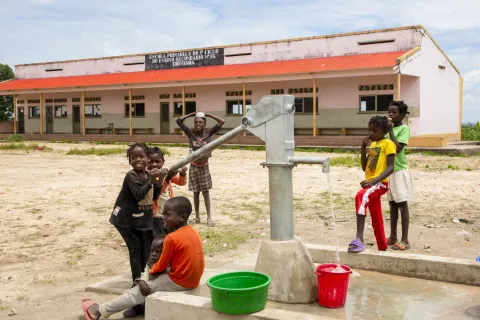
At the center of the debate on water and sanitation is the child. It is in them that the greatest impacts of the lack of these services are reflected, but also the greatest benefits of the investments made. Ensuring safe water and sanitation for all children is not only a development goal, it is a commitment to health, education and the future of Angola.